Corning Life Sciences to share suite of 3D cell culture technologies at SLAS2021
The new solutions support evolving industry needs such as COVID-19 response, disease models, and drug discovery
26 Jan 2021
Industry news
Corning Life Sciences will highlight its latest technologies that support the advancement of 3D cell culture, automation, and drug discovery at this year's virtual Society for Laboratory Automation and Screening (SLAS) conference, Jan 25-27.
Now more than ever, tools used to facilitate scale-up, reproducibility, and consistency of 3D cell culture are helping enable critical research needed to solve the industry's most pressing problems.
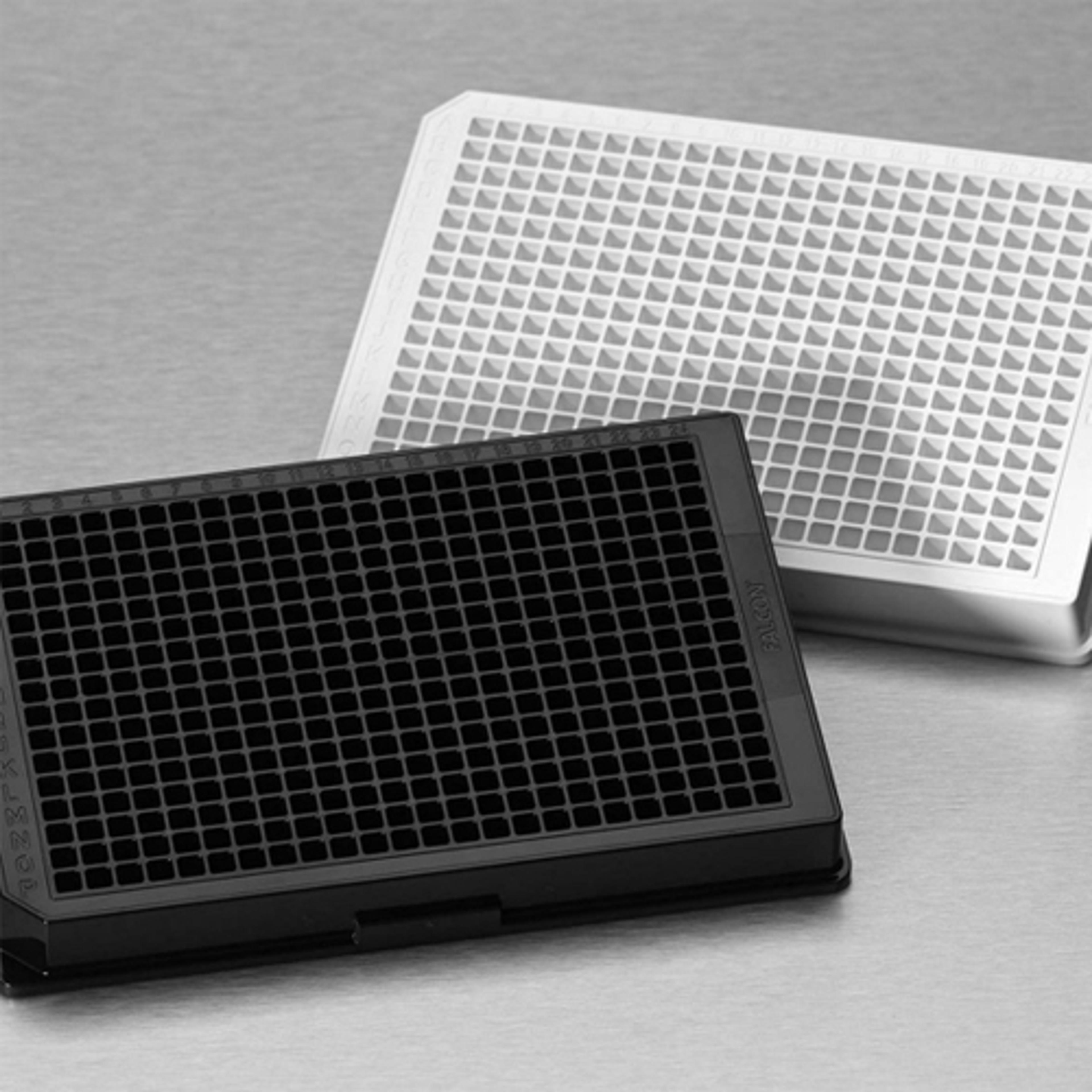
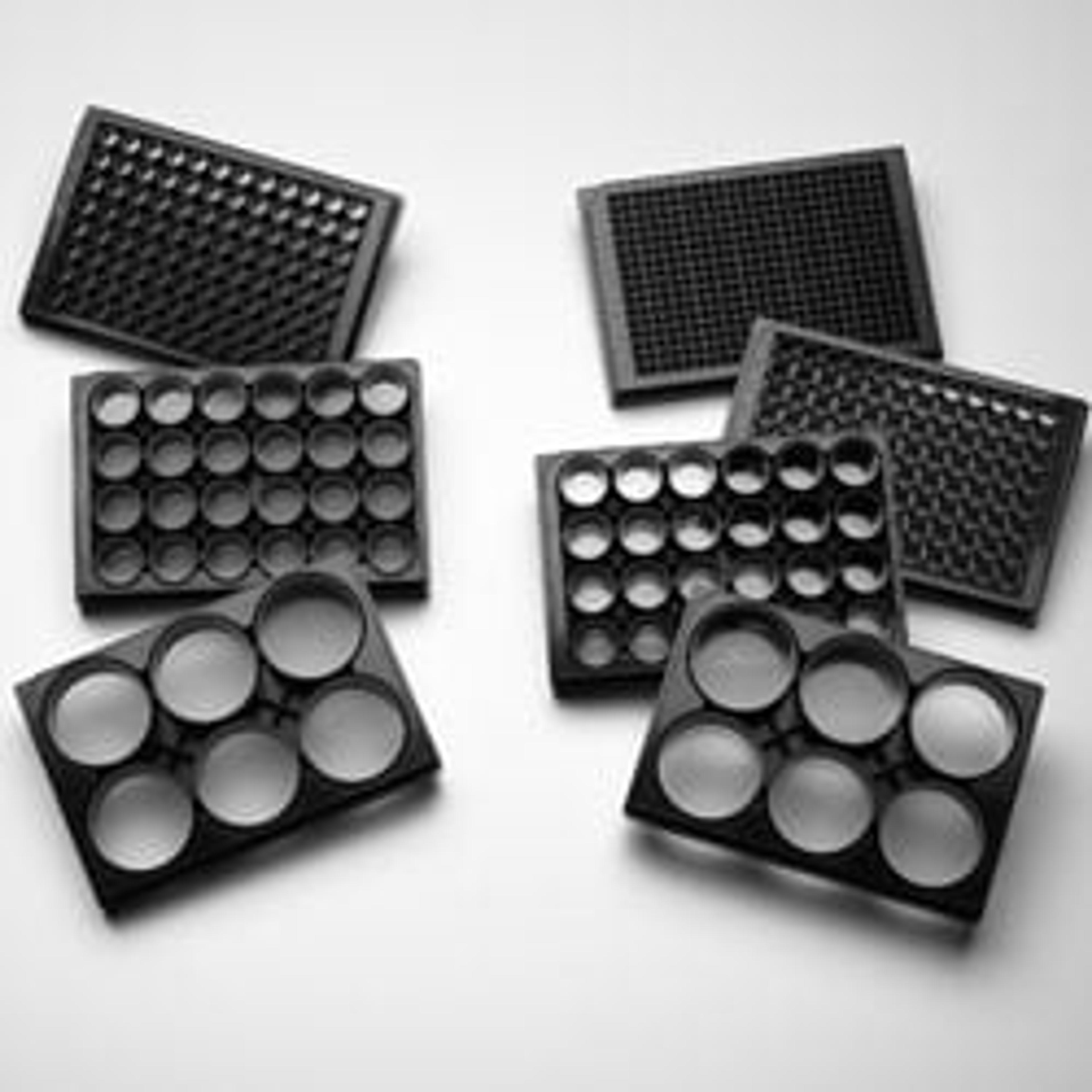
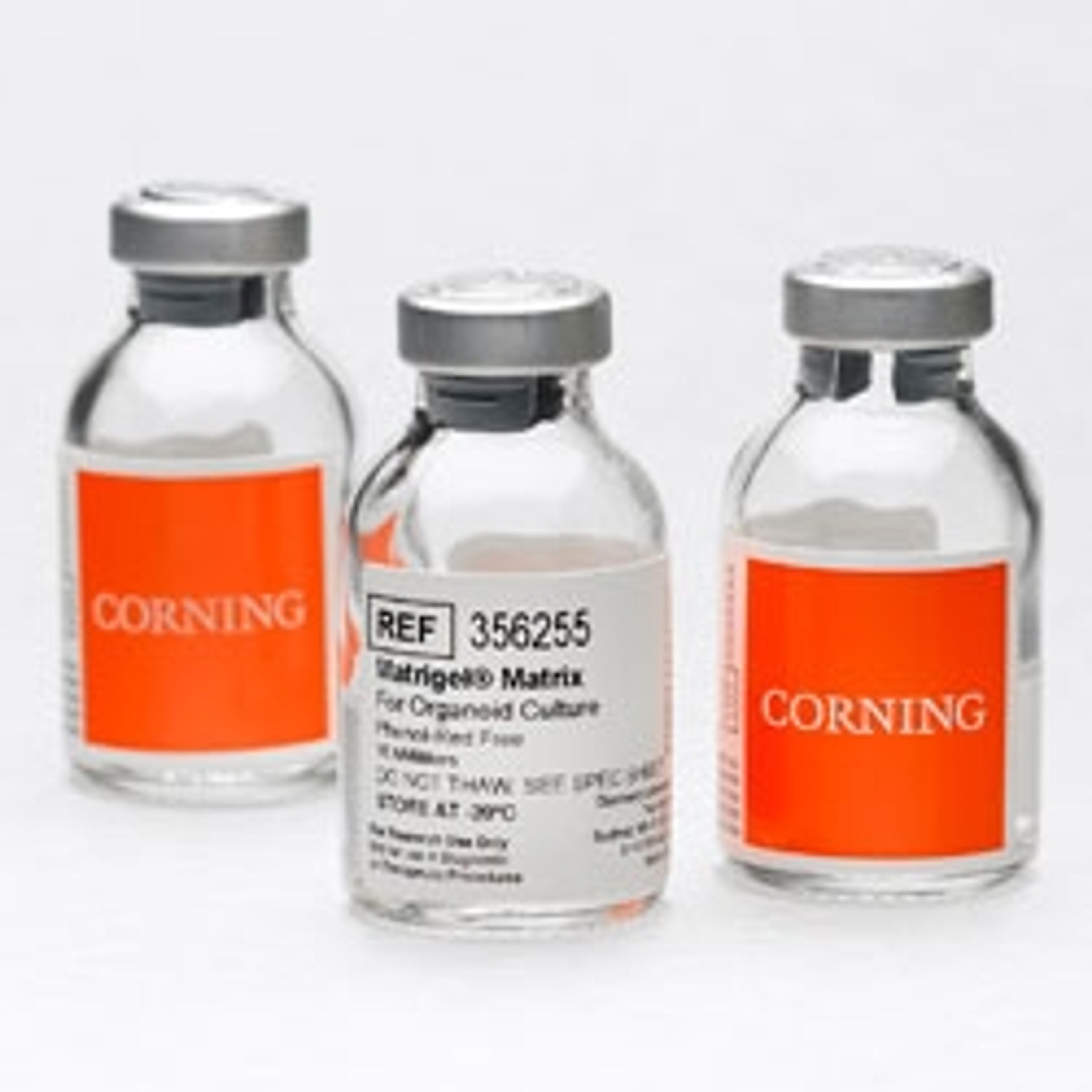
Corning will share the newest products in its 3D cell culture portfolio, including Matrigel® matrix-3D plates, which can provide a more consistent, ready-to-use cell culture format to support organoid and spheroid culture models and reduce workflow steps. Also featured is Corning® Matrigel matrix for organoid culture, a vialed solution that is validated to support growth and differentiation of organoid culture and is also qualified to form stable "3D dome" structures commonly used in organoid culture.
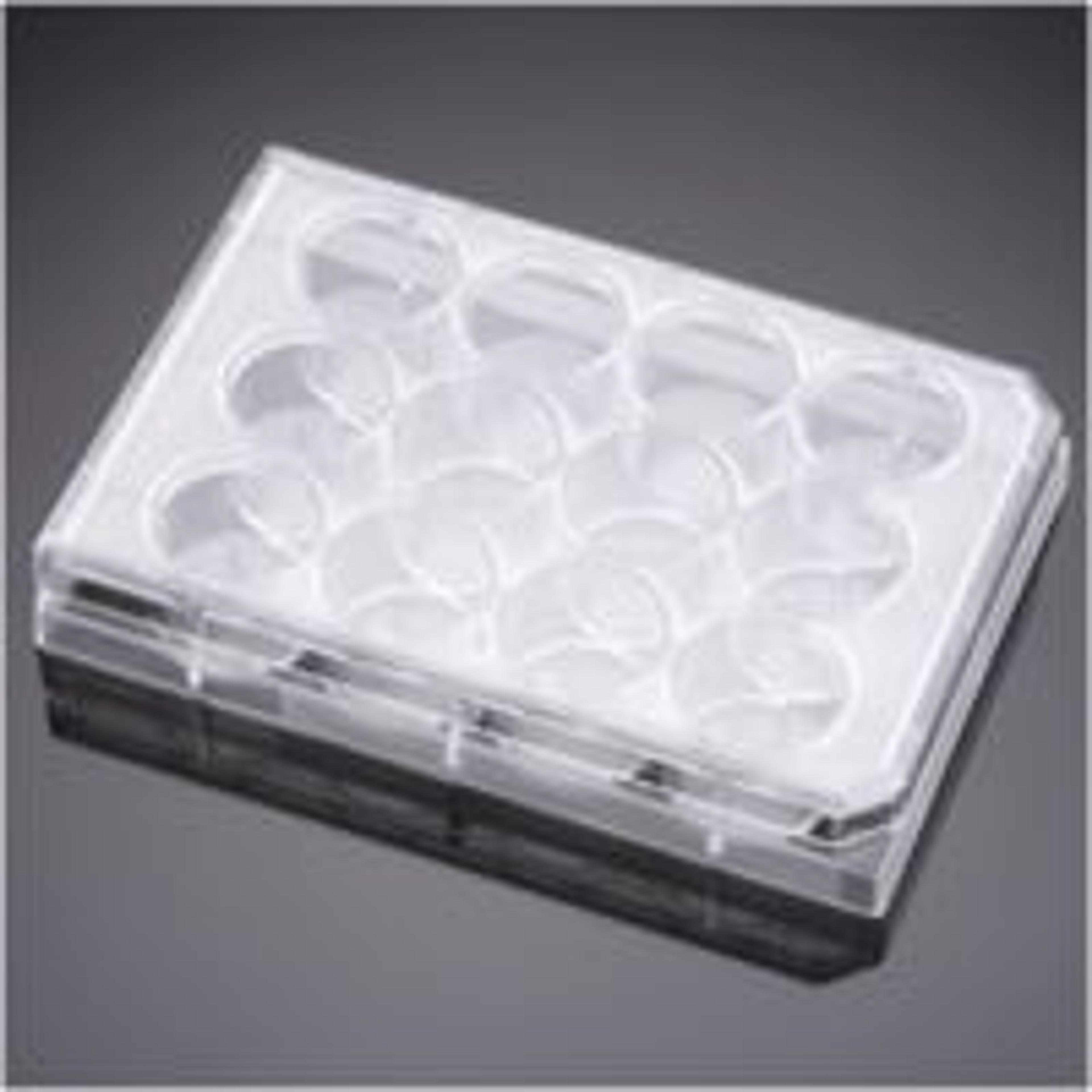
New Corning Elplasia® plates, which will be highlighted at the conference, feature microcavity technology for high volume spheroid production, and Corning 3D clear tissue clearing reagent allows for rapid and easy imaging of 3D cultures. These new products are designed to address high throughput screening and imaging for 3D cell culture, while maintaining reproducibility and consistency - common barriers to widespread adoption of 3D workflows.
Corning Life Sciences experts - including John M. Tobin, vice president and general manager- will be available to discuss how these tools are being used to study and develop treatments for a variety of diseases and in other critical areas of research. Applications for these tools include drug screening, cancer and stem cell biology, 3D tissue engineering, immunology, immuno-oncology, and personalized medicine.
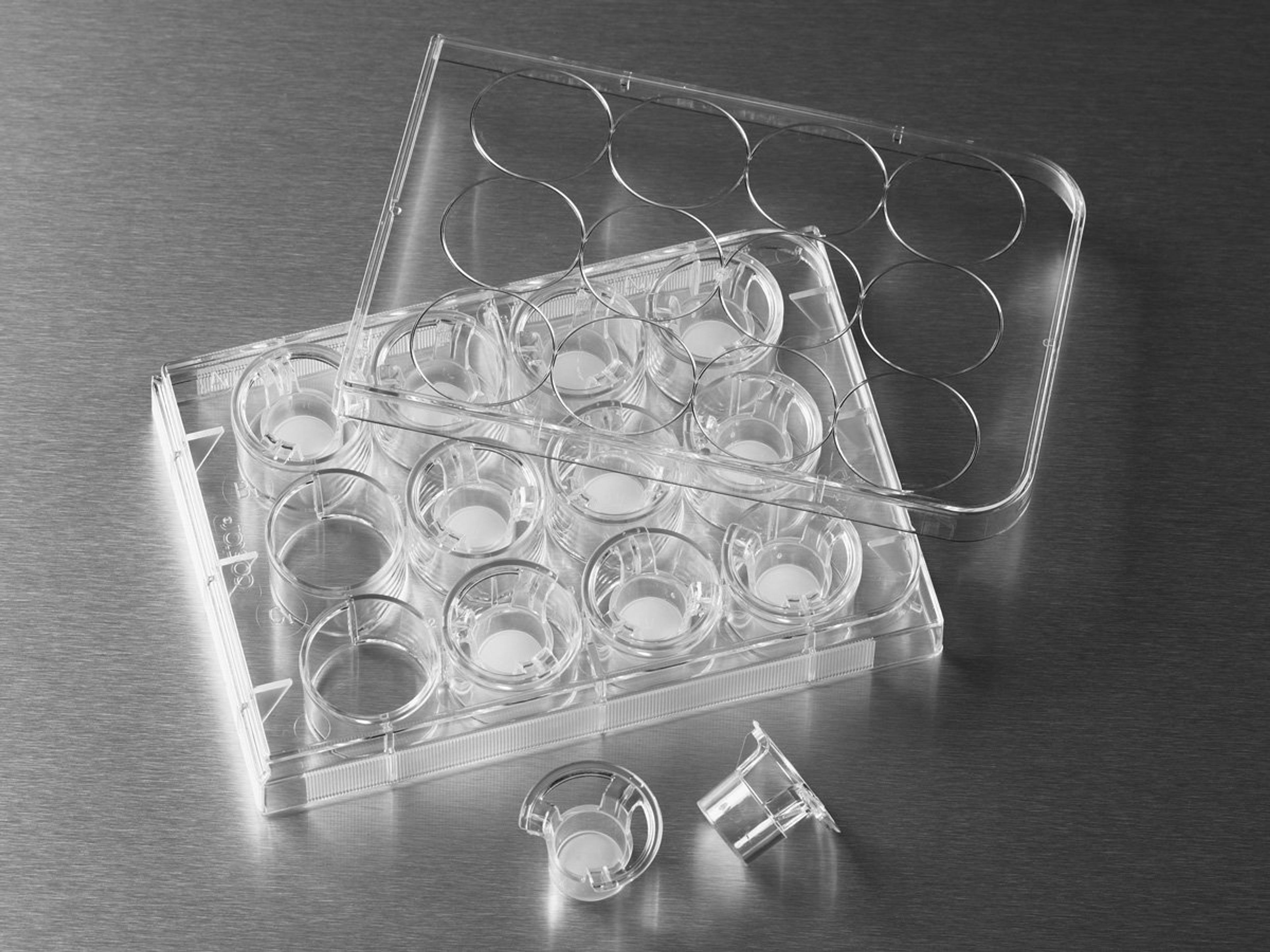
In addition, Corning will showcase its automation and disease modeling solutions used in diagnostic workflows, research and vaccine development, as well as efforts related to the COVID-19 response. These include lung organoids generated using Corning Matrigel matrix and air-liquid interface models produced with Transwell® and Falcon® permeable supports. The development of complex 3D models like these can aid in studying virus infectivity, helping to identify the best ways to treat and prevent disease. Other helpful tools, such as Corning robotic tips and assay microplates, are used in diagnostic workflows, and upstream solutions in bioproduction support vaccine development.
Corning and its customers will also offer several presentations during the virtual SLAS meeting including:
Tutorials
Monday, Jan 25, 2021, 12:30 - 13:00 EST
Tutorial Session: "Gut-in-a-Dish" Model for Developing Personalized Therapies for Chronic Inflammatory Diseases
Presented by: Soumita Das, assistant professor, Dept. of Pathology, chief scientific director, HUMANOID, University of California San Diego
Wednesday, Jan 27, 2021, 13:30 - 14:00 EST
Tutorial Session: High throughput Applications with Organoids
Presented by: Hilary Sherman, senior scientist, Corning Life Sciences
To learn more about how Corning is helping enable advancements in 3D cell culture with innovative technologies and workflow solutions, view the company's digital booth #11 and schedule a virtual meeting with a member of the Corning executive team.
For more of the latest science news, straight to your inbox, become a member of SelectScience for free today>>