Corning Expands Drug Discovery Offering at SLAS2016

Corning Life Sciences vice president and general manager to showcase growing portfolio

13 Jan 2016

Lynsey Forsyth
Post Doc / Research Fellow

Product news

Corning will feature innovations and laboratory solutions including:

The Corning® spheroid microplate - click here

Corning glass-bottom and cyclic olefin copolymer (COC) film-bottom microplates for high-content screening - click here

The new Corning® HepatoCells - click here

The recently launched Axygen® automation-compatible PCR microplate - click here

“Corning products help our customers optimize their assays and streamline high throughput screening,” said Richard Eglen, Ph.D., vice president and general manager, Corning Life Sciences. “Corning is leveraging its capabilities in precision forming and its life sciences industry experience to help researchers focus on the discovery and development of new ways to treat disease. And, we’re committed to developing innovative solutions that accelerate discovery.”

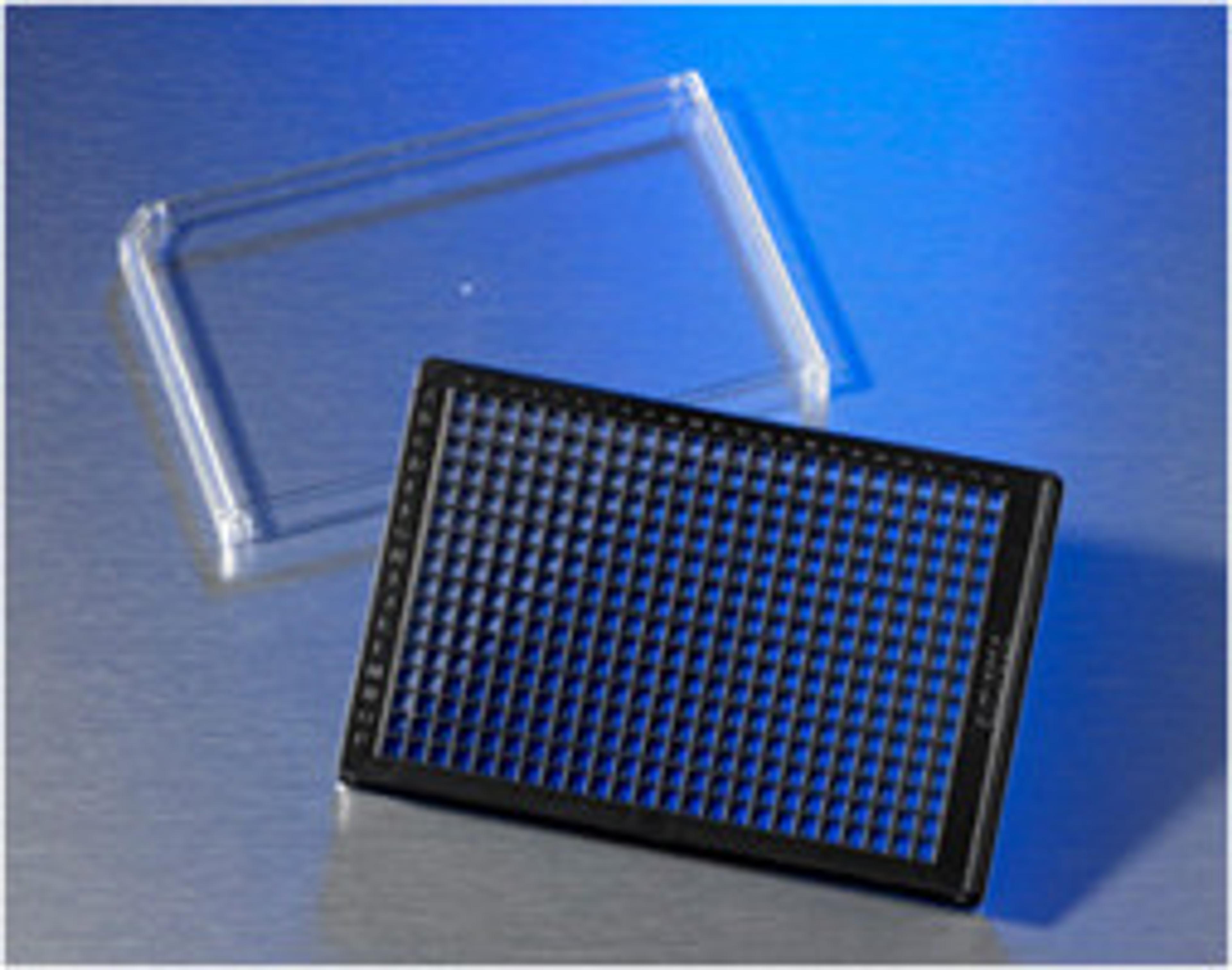
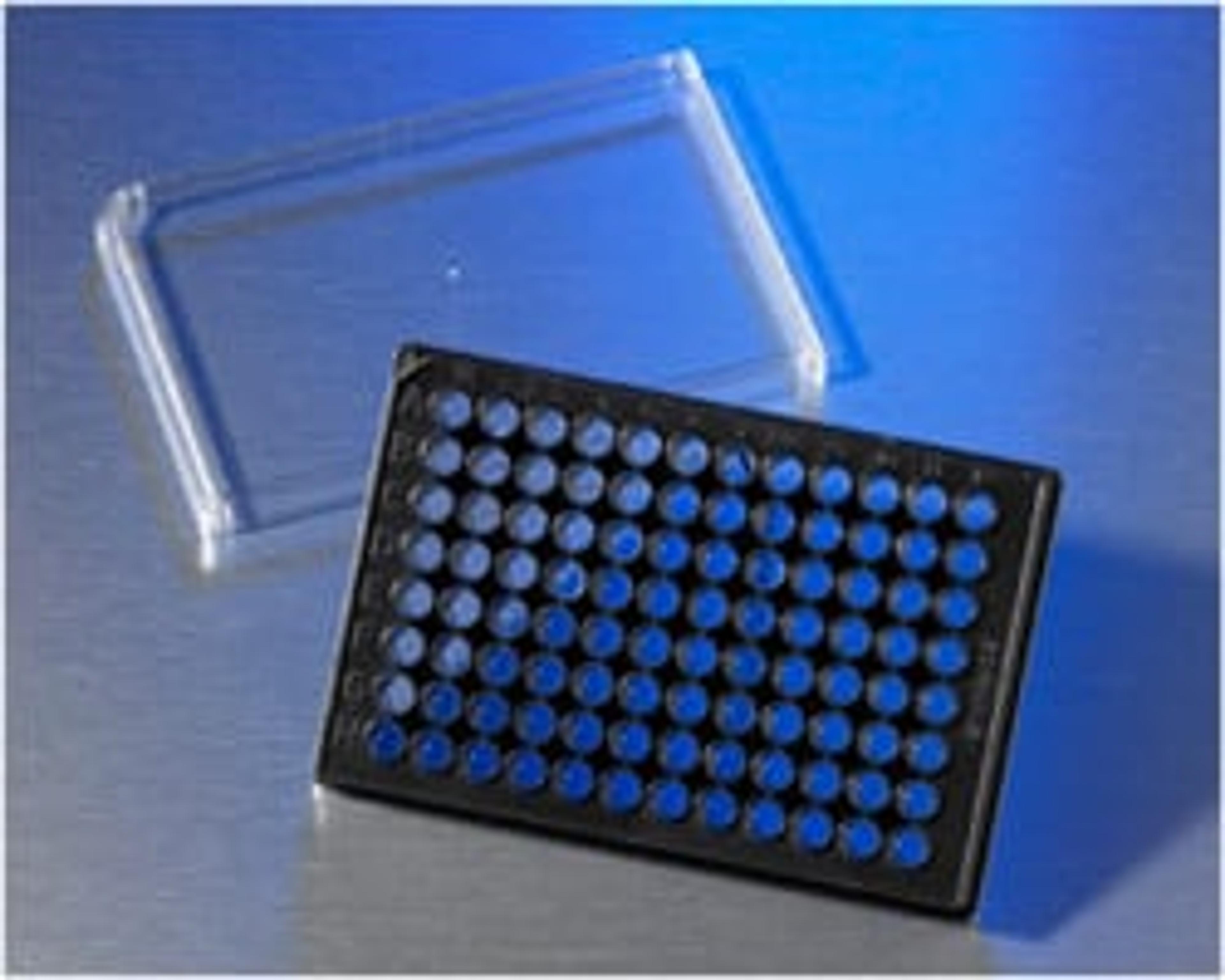
The 96-well and 384-well spheroid microplates feature a novel and proprietary design ideal for generating and analyzing 3D multicellular spheroids in a single, automation-friendly microplate. This design features Corning’s ultra-low attachment surface and a black opaque microplate body that shields each optically clear well from crosstalk. Together, these features enable users to reproducibly form a single, unique spheroid in each well and successfully perform assays in the same plate.

“3D cell culture is an important emerging application area where broad adoption in screening has been limited by cost and complexity of the assays,” said Keith R. Olson, Ph.D., Corning Cell Culture business director. “Corning spheroid microplates allow our customers to reduce the number of steps in generating 3D multicellular spheroids and operate in a screening environment more effectively.”

Corning now provides a full portfolio of glass-bottom and COC film-bottom microplates that are ideal for high-content screening and imaging applications. These high-optical quality microplates provide industry-leading flatness that reduces autofocus time, increases throughput, and improves high-content screening assay performance.

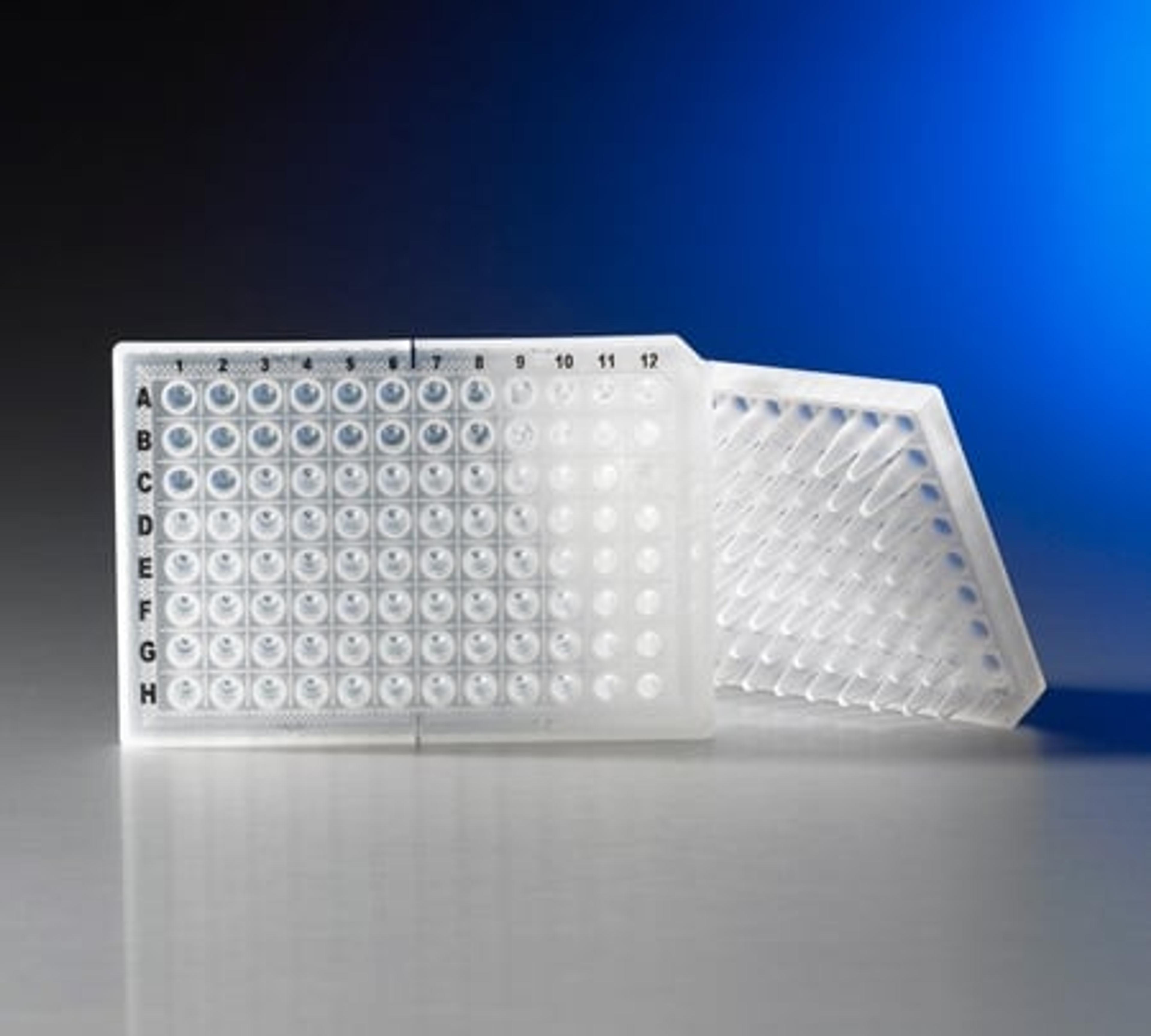
The new Axygen® automation-compatible PCR microplate offers a unique design to prevent plate warping and minimize evaporation during thermal cycling. A rigid frame with a small split sustains heat transfer during cycling without distorting its shape. The plate is the latest addition to a large portfolio of automation consumables including the extensive range of Axygen automation tips for liquid handling.

New Corning® HepatoCells offer a renewable alternative to primary hepatocytes that is consistent and convenient. This exciting new product delivers robust induction response for major Cytochrome P450 (CYP) enzymes combined with the reliability and reproducibility benefits of a homogeneous cell line.

Corning will also feature additional solutions for lab automation, drug screening, and cancer research at SLAS.

During the SLAS2016 meeting, Eglen will be appointed president of SLAS after serving the past two years as an officer on the board of directors. Eglen was elected to the board of directors in 2014 in recognition of his achievements and leadership in the life science industry and the SLAS scientific community.

To learn more about Corning Life Sciences products, please contact a customer service representative at 1-800-492-1110 FREE, toll free in the United States; (+1) 1-978-442-2200 internationally; or visit www.corning.com/lifesciences.

Corning® 384-well Black/Clear Round Bottom Ultra-Low Attachment Spheroid Microplate, Bulk Packed 10 per Bag, with Lid, Sterile

Corning Life Sciences

Ultra-Low Attachment microplates feature a covalently bound hydrogel layer that effectively inhibits cellular attachment Surface minimizes protein absorption, enzyme activation and cellular activation Surface is noncytotoxic, biologically inert and nondegradable Sterilized by gamma irradiation Black wall microplates have low background fluorescence, minimal light scatter and reduced crosstalk Opaque walls to prevent well-to-well crosstalk Can be used for both top and bottom reading instruments Bulk packed 10 per bag Novel well geometry aids formation of spheroids in center of well Optically clear round bottom with black opaque microplate body
(1)

Corning® 96-well Black/Clear Round Bottom Ultra-Low Attachment Surface Spheroid Microplate, Bulk Packed, with Lid, Sterile, 10/Bag

Corning Life Sciences

Ultra-low attachment surface with covalently bonded hydrogel that minimizes cell attachment, protein absorption, enzyme activation and cellular activation The surface is noncytotoxic, biologically inert and nondegradable Round bottoms with 300 µL total volume Recommended working volumes of 0.075 to 0.30 mL Sterilized by gamma radiation Novel well geometry aids formation of spheroids in center of well Optically clear round bottom with black opaque microplate body
(1)

Axygen® 96-well Automation Compatible Polypropylene PCR Microplate, Half Skirt, Clear, Nonsterile

Corning Life Sciences

Axygen® automation-compatible PCR microplate features a rigid frame with a small split that sustains heat transferring during and post thermal cycling without distorting its shape. The polypropylene plate also features raised rims around the wells to provide tight sealing to minimize heat evaporation. Compatible with most major thermal cyclers, sequencers, and automation platforms, the plate provides optimal performance for downstream applications, including high throughput screening.Remains flat during and post thermal cyclingRaised well rims help reduce heat evaporationClear wells, visible grid for easy sample loading and trackingUltra-thin and consistent wall thickness for easy and consistent heat transferSuitable for standard and real-time PCRSingle notch cornerSBS footprintManufactured from polypropyleneRNase-/DNase-freeNonpyrogenicNonsterileCompatible with major automation platforms, thermal cyclers, and sequencers

(0)

Links

Tags

Sample PreparationSample preparation can improve the quality and speed of separation techniques. Products to assist sample preparation include filtration equipment, evaporators, membranes and sieves.Cell / Tissue CultureCell culture or tissue culture is used to study the biology of cells or tissues and to isolate cellular products in an environment which can be manipulated and well defined. Accurately control your culture environment with bioreactors or culture incubators, bind your cells to a surface or together with an extracellular matrix. Distinguish cell types with differential media or proliferate cells with certain characteristics using selective media. Enrich your media with supplements such as growth factors, sera and vitamins. Find the best cell and tissue culture products, kits and equipment in our peer-reviewed product directory: compare products, check customer reviews and receive pricing direct from manufacturers.MicroplatesMicroplates are multi-well plates used to increase the throughput of biological investigations. The number of wells microplates contain can range from 6 to 3243 wells, with the 96-well format being the most commonly used. Microplates can come tailored for a range of applications including cell culture, PCR, filtration, storage, non-binding surface, protein crystallization, as well as pre-coated, deep well and normal Standard microplates. Additionally, options for microplate colors include clear , black, white or black with clear bottom and white with clear bottom for absorbance microplate reader applications. Find the best microplates for your lab in our peer-reviewed product directory: compare products, check customer reviews and receive pricing direct from manufacturers.High-Throughput ScreeningHigh-throughput screening (HTS) is an automated drug discovery technique for identification of active compounds against a compound library. Use HTS readers and integrated assay preparation / analysis workstations to screen your compounds. Identify active compounds against various HTS libraries, including membranes, proteins and peptides and HTS cell lines. Find the best high-throughput screening products in our peer-reviewed product directory: compare products, check customer reviews and receive pricing direct from manufacturers.PCR and Thermal CyclingPolymerase chain reaction (PCR) kits and thermal cyclers are used for the in vitro amplification of DNA permitting subsequent analysis and experimental procedures. Explore a range of high-quality polymerase, primers and nucleotides or simplify your workflow with a PCR mastermix. Find reverse transcription PCR (RT-PCR) and cDNA synthesis kits for RNA products and libraries. Quantitatively measure the amplification of DNA with real-time PCR (qPCR) and droplet digital PCR (ddPCR) kits and systems, and discover automated PCR setup solutions to increase throughput. Alternative DNA amplification methods also include recombinase polymerase amplification (RPA) kits. Find the best PCR kits and thermal cyclers and purification equipment in our peer-reviewed product directory: compare products, check customer reviews and receive pricing direct from manufacturers.Cell Lines Stem Cells and Primary CellsPrimary cell cultures, established cell lines and stem cells are vital for <i>in vitro</i> and <i>ex vivo</i> experimentation. High-quality cells, optimized for your applications, alongside optimized cell substrates, growth medium and supplements, are critical for experimental success. Explore a range of cells suitable for your applications, including isogenic cell lines, competent cells, induced pluripotent stem cell (iPSC)-derived cell lines, fungal/bacterial/mammalian cell lines, stem cells and cancer cell lines. Find the best cells for your research in our peer-reviewed product directory: compare products, check customer reviews and receive pricing direct from manufacturers.Microplate Readers / DetectorsMicroplate readers are used to automate the detection and analysis of labeled or label-free components in microplates during assays or live-cell monitoring. Microplate readers are generally distinguished by their mode of detection. Types include absorbance, luminescence, fluorescence intensity, fluorescence polarization, TRF / FRET and multimode microplate readers. Microplate readers deliver a high throughput of samples by reading multiple wells simultaneously, with the 96-well format the most commonly used. As a result, microplate readers are often used in the drug discovery, bioassays, research and pharmaceutical industries for screening applications. Microplate loading can also be automated, with robotic microplate stackers to increase throughput. Find the best microplate readers in our peer-reviewed product directory: compare products, check customer reviews and receive pricing direct from manufacturers.Sample ManagementSample management systems include sample storage devices such as freezers and plate storers, sample environment enclosures and sample organization, retrieval and sorter systems. Useful system features include high-throughput, automation, robotic arms, automated liquid handling and associated database systems. Accessories in sample management include barcode scanners, heat sealers and tubes.Assay AssemblyAssay Assembly is technique used in drug discovery to develop assays to test the cytotoxicity, genotoxicity, or other activities of a compound on a cell. Assay assembly requires chip assembly, a delivery system and a detection and analysis method. Beneficial features of assay kits or automated systems include high-throughput, high speed and sensitivity and low signal to noise ratio.Cell-Based AssaysCell-based assays are used to monitor the presence, quantity and activities of a desired cellular analyte including drug molecules or biomarkers. This can reveal information on cell health (apoptosis, cytotoxicity, viability and proliferation assays), cell metabolism, cell migration and cell signaling mechanisms. Find the best cell-based assay products, kits and equipment with our peer reviewed product directory: compare products, check customer reviews and receiving pricing direct from manufacturers.High-Content ScreeningHigh-content screening (HCS), also known as high-content analysis (HCA), is a high-throughput technique used in drug discovery to identify substances that alter the phenotype of cells. HCS uses fluorescent microscopic imaging and automated image analysis to investigate cellular events such as apoptosis, cell viability, GPCR activation, oxide production, neurite outgrowth, and cell signaling. Find the best fluorescent labeling reagents, cellular assays, and high-content imaging systems in our peer-reviewed product directory: compare products, check customer reviews and receive pricing direct from manufacturers.Automation Supplies / AccessoriesAutomated accessories and consumables make lab processes fast, efficient and reliable. Useful automation accessories include microplate sealers, label printers and reagent reservoirs.Plate ProcessingAutomated plate processing is used in microplate technologies for high-throughput, speed and efficiency. Plate processing systems include microplate handlers for moving plates, heat sealers, stackers and carousels for storage, retrieval and delivery, microplate washers and piercers. Useful features of plate processors include walk-away automation, compatibility and easy integration with microplate systems.Automated Liquid HandlingAutomated liquid handling equipment is used to mix, dilute and dispense allotted volumes of liquid into microplates and other vessels automatically. The robotic, liquid handling arms can dispense from single channel to 3456 multichannel as well as operate nanoliter dispensing, enabling high throughput of samples. Find the best automated liquid handlers in our peer-reviewed product directory: compare products, check customer reviews and receive pricing direct from manufacturers.Cytochrome P450 Assays