
Corning expands 3D cell culture portfolio with new matrix and microplates
Corning Elplasia plates and Matrigel matrix for organoid culture are designed to help develop more predictive models for cancer and other critical diseases
9 Oct 2019
Product news
Corning Incorporated has announced two additions to its 3D cell culture portfolio that provide new solutions to support spheroid and organoid culture models.
- Elplasia®, a 3D cell culture microplate, features a microcavity technology that enables high volume spheroid formation, culture, and analysis.
- A new Matrigel® matrix for organoid culture is optimized to support organoid growth and differentiation.
These portfolio expansions are designed to meet industry growth and demand trends for technology capable of producing high densities of spheroids, as well as generation of complex organoids for drug discovery, cancer research, and other disease modeling applications.
“Corning’s newest 3D cell culture tools are addressing the growing complexity of 3D research and the need to scale spheroid and organoid production for applications across the industry. This includes drug screening, cancer and tumor biology, stem cell biology, cell therapy research, and 3D tissue engineering,” said Keith Olson, vice president of Business Operations and Technology at Corning Life Sciences. “These tools will allow for uniform and highly reproducible formation of organoids and spheroids at the volumes essential to further research in these critical areas.”
Elplasia plate technology was recently acquired by Corning Life Sciences and has been integrated into Corning’s 3D multicellular spheroid product offering. Corning Elplasia plates feature novel well geometries that promote uniform spheroid formation and are available in two surface coatings – Corning Ultra Low Attachment (ULA) surface on round bottom plates and plasma treated (for self-coating) on square bottom plates.
Matrigel matrix for organoid culture is an optimized extracellular matrix that provides a convenient, ready-to-use solution, verified to support organoid growth and differentiation. Each lot has been qualified to form stable “3D dome” structures and provides the matrix stiffness required to support a successful organoid workflow.
Demand for both organoids and spheroids continues to increase with advances in research and technology in 3D cell culture. With the effectiveness of 3D spheroids in many areas of research, including anti-cancer drug screening and in vitro tumor studies, the need for better methods to produce and replicate spheroids of uniform size in mass quantities has emerged. Similarly, organoids have become increasingly popular in disease modeling and drug discovery, as they resemble the composition and functionality of organs.
Do you use Corning products in your lab? Write a review today for your chance to win a $400 Amazon gift card>>
Related products
Request Quote for All Products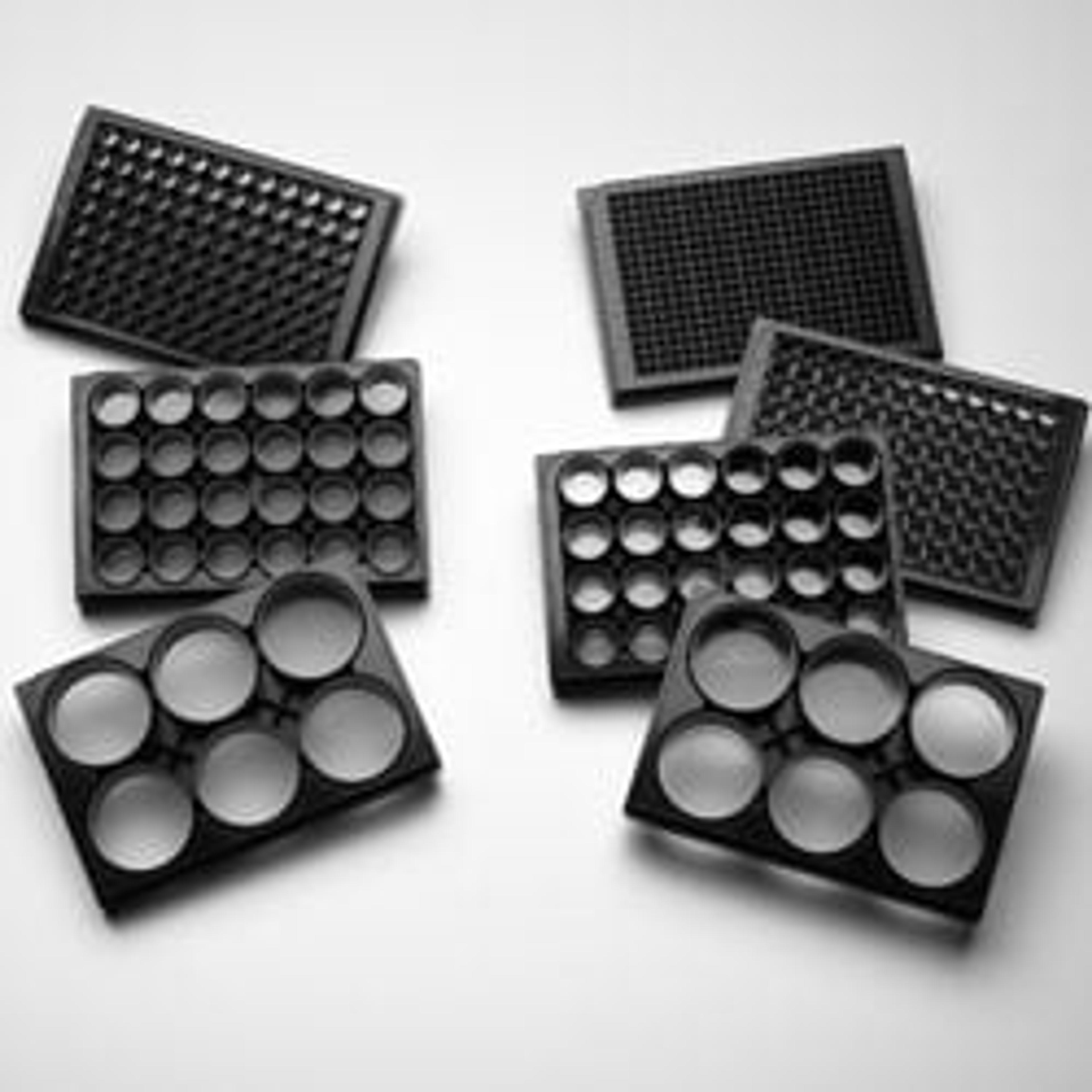
Elplasia Plates
Corning Life SciencesEnable high-density, scaffold-free, self-assembly spheroid formation, culture, and analysis in a standard plate footprint
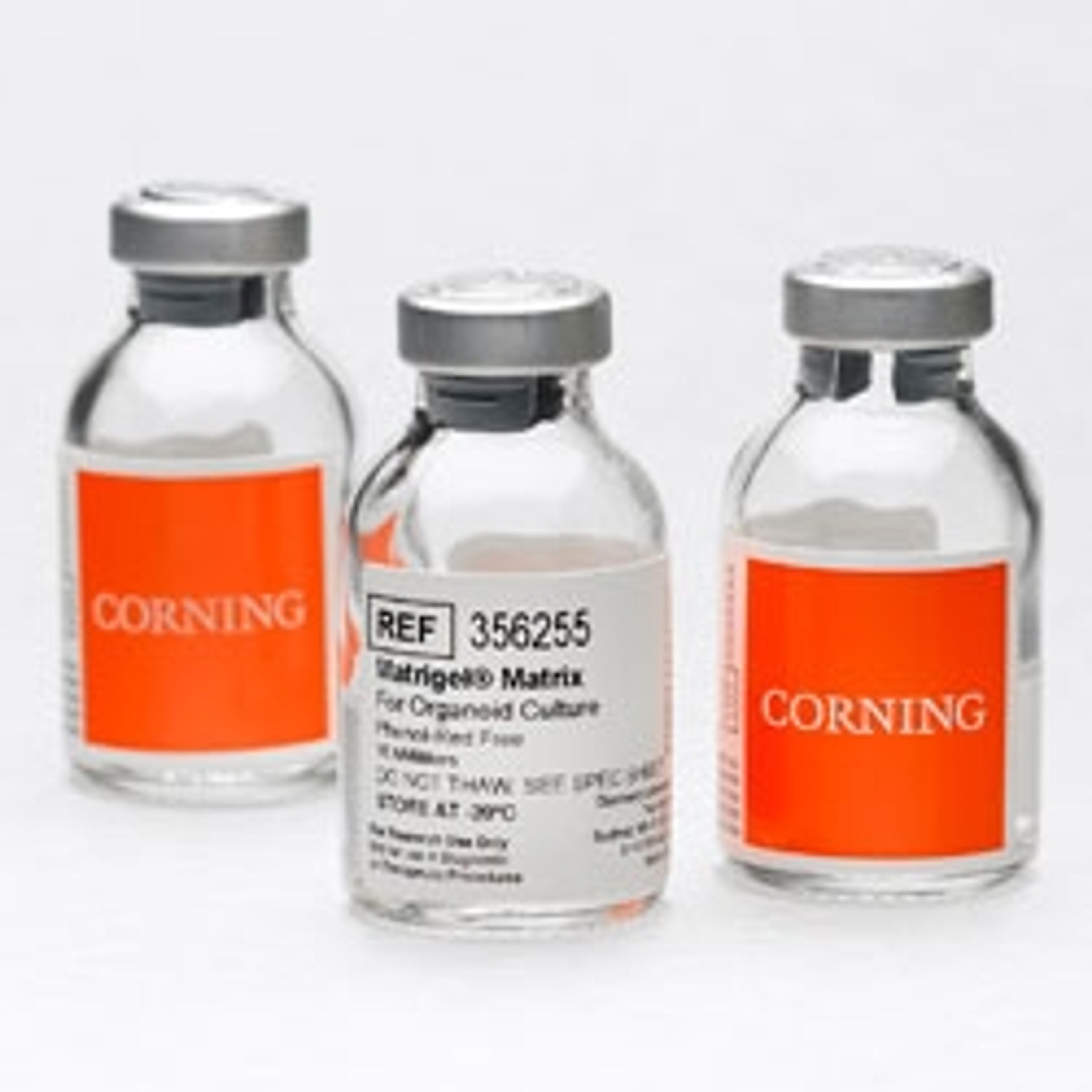
Corning Matrigel Matrix for Organoids
Corning Life SciencesAn optimized extracellular matrix that provides a convenient, ready-to-use solution, verified to support organoid growth and differentiation