Continuous mRNA manufacturing to boost therapy and vaccine output

New mRNA-based therapies and vaccines could be developed more quickly and cheaply thanks to new manufacturing technologies developed at the University of Sheffield

28 Feb 2024


Lawrence Howes
Editorial Assistant

Editorial article

Dr Zoltán Kis smiling landscape
New mRNA multi-product platform production processes are developed at the University of Sheffield, led by Dr. Zoltán Kis

The ability of mRNA to instruct cells to generate proteins with remarkable precision has many excited about the molecule’s future as both a therapeutic and vaccine for a wide range of diseases. With the first publicly available mRNA vaccines authorized for emergency use to provide protection against COVID-19 in December 2020, interest and demand have never been higher. But existing mRNA production methods lack scalability due to expensive and limited materials. Can sustainable and cost-effective manufacturing processes be achieved to drive this field forward?

Dr. Zoltán Kis is an Associate Professor at the University of Sheffield, working within the Department of Chemical and Biological Engineering, who is determined to tackle these issues head on. Leading a large research project funded via the Wellcome Leap R3 programme, Dr. Kis and his collaborators are developing a platform that will enable the rapid development and mass-manufacturing of RNA vaccines and therapeutics at high volumes, low cost, and high quality against a wide range of diseases.

Speaking with SelectScience, Dr. Kis shares more insight into the progress of the new vaccine production unit established at the University of Sheffield to house the project, and the roadmap ahead.

Unique scope as a platform

From a manufacturing perspective, Dr. Kis explains that mRNA is unique in that it can be viewed as more of a platform where only one side of the equation needs to be engineered. “The quality of the end protein is decoupled from your final mRNA product in a way, and this has to do with the fact that it's an information molecule,” he explains. “This is exciting because you don't have to think about the delivery of a protein that has been made in some other, likely non-human, cell line. Here we deliver information, and then the production of protein is performed by our cells to the highest quality that our bodies can do.”

Dr. Kis goes on to describe how almost any protein can be encoded with mRNA, which means that, in theory, any candidate therapeutic or vaccine can be developed against any disease where the end protein is known. “Because mRNA technology is a cell-free manufacturing process, you don't have to grow living cells. It's an in vitro transcription (IVT) enzymatic reaction that you use to make RNA, based on a template DNA, and the simplicity of that means there is scope for it to be implemented in a continuous manufacturing format.”


We need to scale up and out mRNA manufacturing technologies, so we can reach many more patients and treat all the thousands of rare diseases that exist.”

Dr. Zoltán Kis  Associate Professor at the University of Sheffield


Continuous mRNA manufacturing

The mRNA production technologies developed at the University of Sheffield led by Dr. Kis will be suitable for distributed manufacturing, establishing a network of vaccine manufacturing facilities across the world to increase the number of RNA-based treatments that are designed, developed, and produced each year.

The exciting research being performed by Dr. Kis and his collaborators combines experimental and modelling techniques to design and test innovative mRNA vaccine and therapeutic platform production processes.

“To achieve our ambitious goal, we have developed and synergized a set of physical and digital technologies integrated into the Quality by Digital Design framework,” explains Dr. Kis. “The obtained computer models will link mRNA product quality to the production process and will enhance both the development and operation of mRNA manufacturing processes.”

Dr. Kis notes the key advantage of the platform is that everything can be run in sync continuously. “You can run it at what's called a steady-state optimal condition where everything is kept working all the time at the optimum condition, rather than being processed in batches,” he explains. “This gives a lower footprint, as you can have flexibility on how much mRNA you make just by running it for a shorter or longer time. There are also cost and quality advantages to this because materials are used more efficiently.”

Importance of quality raw materials

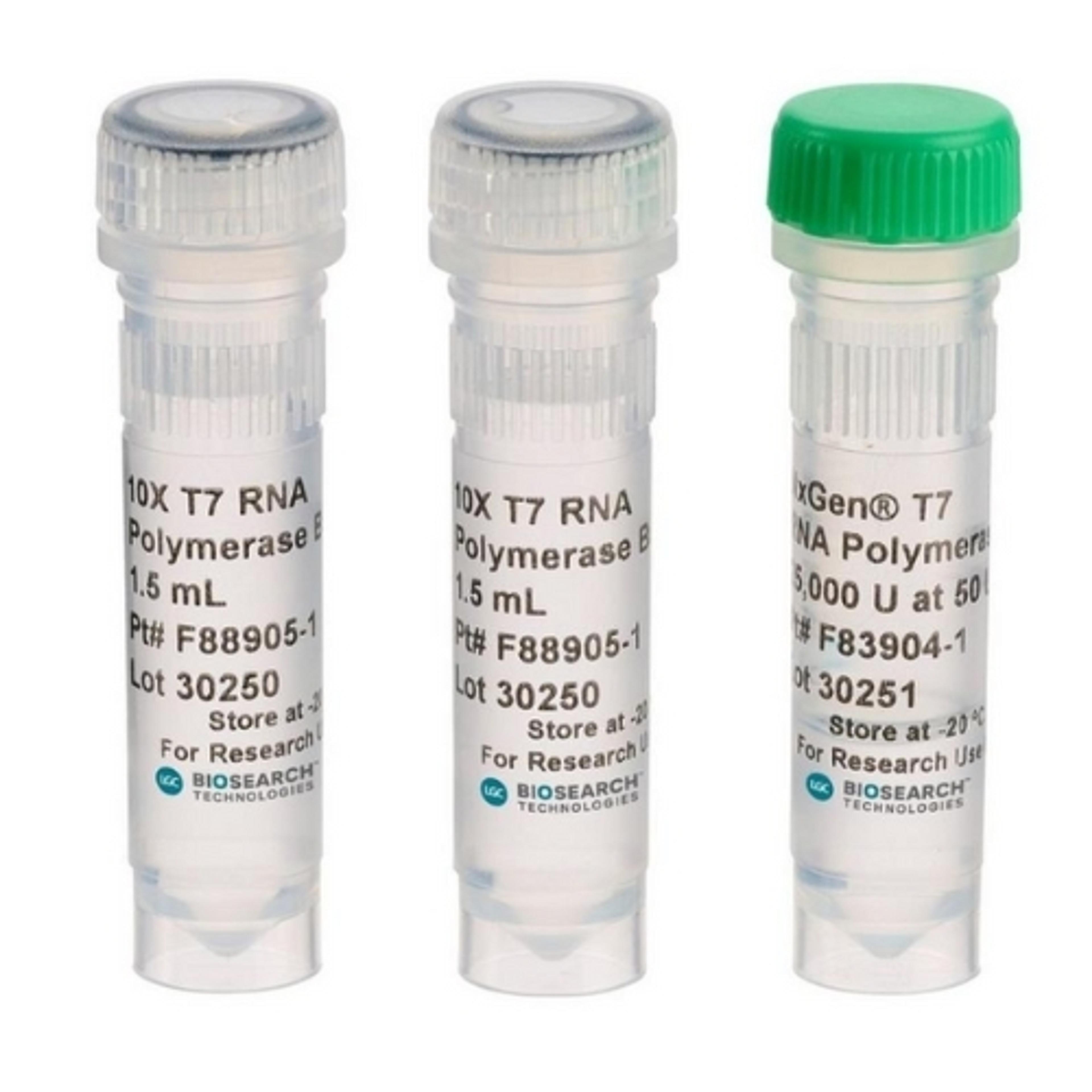
"Selecting a quality component supplier in the early stages of mRNA manufacture is critical to ongoing success. At LGC Biosearch Technologies we provide high quality enzymes for IVT from the first experiment through to high- scale production with customization options to fit specific requirements. A dedicated team of enzyme specialists is available to assist throughout to ensure that you can scale with confidence."

Oliver J. Watts, Technical Sales Executive, Enzymes, LGC Biosearch Technologies

Moving from a batch approach to a continuous model whilst ensuring critical quality attributes such as sequence integrity, high 5-prime capping efficiency, or polyadenylation are met is no easy feat. The generation of mRNA by IVT at large scale and under current good manufacturing practice (cGMP) conditions is also challenging. For example, the specialized components of the IVT reaction must be acquired from certified suppliers that guarantee that all the material is animal component-free and GMP-grade. The availability of these materials is also limited and purchasing costs in the case of the enzymes used for translation and capping can be high.

Dr. Kis stresses the attention to raw inputs is paramount as you move to scale up the production process of mRNA. “You must ensure the quality of your incoming raw materials, listing all of the critical material attributes based on a risk assessment scoring for all of the materials you are using,” he states. “Looking at a supplier’s certificate of analysis is crucial, and you will need to do your own testing in-house. Even in a continuous manufacturing process, batches of raw materials can partially define at least your production runs. In a batch world, everything is based on batch release. With a continuous run, you have either a real-time release or a testing-based release of your product.” Sourcing high quality and GMP-grade raw materials is therefore still a crucial step when scaling up continuous mRNA manufacturing to avoid bottlenecks further down the line.”

A multi-product design space

As the initial platform is now ready to be taken to GMP, Dr. Kis and his collaborators from industry and academia are already working towards future iterations to expand on the core continuous process. “We are already building on the quality by design framework and its design space to include a multi-product design space,” he shares. “Coupling this to the continuous manufacturing platform, we are looking at additional ways of assuring quality for different mRNA sequences.”

With the potential to revolutionize the production of mRNA therapeutics and vaccines at scale, Dr. Kis shares that this platform is now ready to be embraced by a wider range of users. Its efficiency and cost-effectiveness could make it an ideal choice for pharmaceutical companies, research institutions, and biotech startups seeking to expedite the development and production of mRNA-based therapies and vaccines, with the ultimate goal of bridging the gap between scientific innovation and its translation into life-saving therapeutics and preventative treatments for patients around the world.

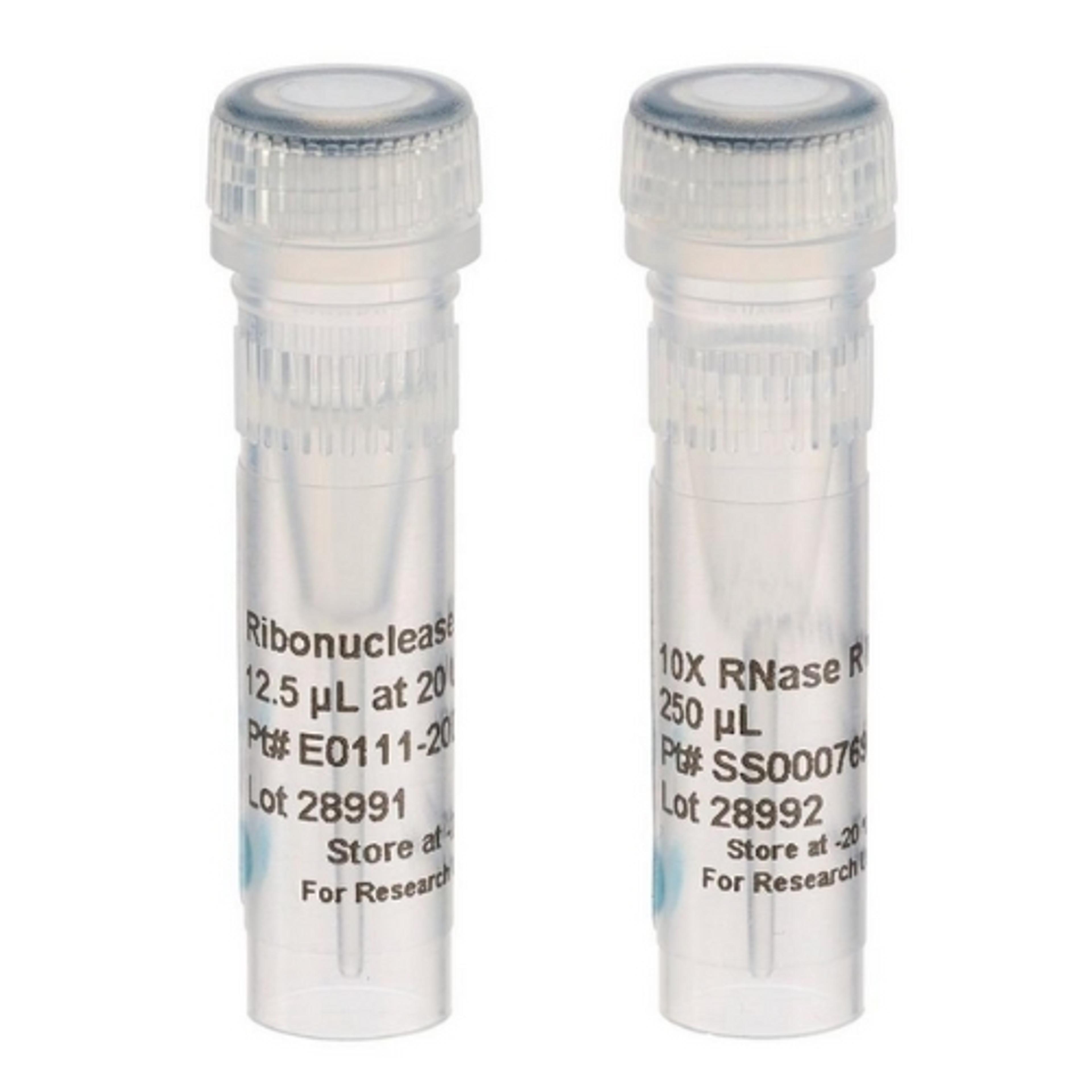
Ribonuclease R (RNase R)

LGC Diagnostics and Genomics - Lucigen Reagent Components

Ribonuclease R (RNase R) from E. coli is a magnesium-dependent 3ʹ to 5ʹ exoribonuclease available for circular RNA cleanup, alternative splicing research, and gene expression studies.  Key features:  Efficacy and quality assured under ISO 13485 certification Available in bulk and for custom configurations Effectively degrades linear RNA, Y-structure RNAs, but not lariat loops or circular RNAs Digests linear RNAs to enrich for circular RNAs used for protein production or intronic cDNA library construction

(0)

Links

Tags

Mass SpectrometryMass spectrometry (MS) is a powerful analytical technique used to identify and quantify molecules based on the mass-to-charge ratio of gas-phase ions. It provides detailed information about the structure, composition, and properties of compounds and is widely used across fields such as environmental monitoring, materials science, drug discovery and development, food and beverage testing, and wider chemical research. Key MS techniques include tandem mass spectrometry (MS/MS), liquid chromatography–mass spectrometry (LS-MS) and inductively coupled plasma (ICP-MS). Choosing from these wide range of techniques and technologies can be a daunting task, so keep up to date with scientific applications, performance expectations, and customer reviews here all in one place. Visit our product directory to receive quotes direct from the manufacturer. AntibodiesAntibodies are used in techniques such as confocal and fluorescence microscopy, flow cytometry, ELISA, ELISPOT, immunohistochemistry, western blotting and immunopreciptation. Select specific antigen reactivity, high specific affinity, low non-specific binding, monoclonal or polyclonal, primary or secondary antibodies and associated conjugates such as an enzyme or dye for visualization.ProteomicsProteomics is the systemic bioinformatics study of proteins and amino acids, including their structure, size, function and identification. Tools used in proteomics include chromatography, blotting and gels, protein arrays, mass spectrometry and ELISA and associated analysis software. Analyzers and proteomic systems should be sensitive, high resolution, fast and may be automated for high-throughput.PCR and Thermal CyclingPolymerase chain reaction (PCR) kits and thermal cyclers are used for the in vitro amplification of DNA permitting subsequent analysis and experimental procedures. Explore a range of high-quality polymerase, primers and nucleotides or simplify your workflow with a PCR mastermix. Find reverse transcription PCR (RT-PCR) and cDNA synthesis kits for RNA products and libraries. Quantitatively measure the amplification of DNA with real-time PCR (qPCR) and droplet digital PCR (ddPCR) kits and systems, and discover automated PCR setup solutions to increase throughput. Alternative DNA amplification methods also include recombinase polymerase amplification (RPA) kits. Find the best PCR kits and thermal cyclers and purification equipment in our peer-reviewed product directory: compare products, check customer reviews and receive pricing direct from manufacturers.Cell Lines Stem Cells and Primary CellsPrimary cell cultures, established cell lines and stem cells are vital for <i>in vitro</i> and <i>ex vivo</i> experimentation. High-quality cells, optimized for your applications, alongside optimized cell substrates, growth medium and supplements, are critical for experimental success. Explore a range of cells suitable for your applications, including isogenic cell lines, competent cells, induced pluripotent stem cell (iPSC)-derived cell lines, fungal/bacterial/mammalian cell lines, stem cells and cancer cell lines. Find the best cells for your research in our peer-reviewed product directory: compare products, check customer reviews and receive pricing direct from manufacturers.DNA SequencingDNA sequencing, such as sanger sequencing, is a biological technique that determines the precise order of nucleotide bases in a fragment or template of DNA. DNA sequencers and genetic analyzers are based on capillary electrophoresis, where labeled DNA fragments are electrophoretically separated by size as they migrate through a polymer. Find the best DNA sequencing products, including DNA sequencing kits, genomic libraries and genetic identity kits in our peer-reviewed product directory: compare products, check customer reviews and receive pricing direct from manufacturers.Protein PurificationProtein purification is a vital step in drug discovery, therapeutics, biotech and life science research. The purification process typically involves subcellular or membrane protein extraction with cell lysis kits, separation of proteins from cell debris by filtration or spin columns, and the isolation of proteins of interest from other proteins and impurities with affinity purification (including fusion protein tags and antibody binding proteins A, G and L), immunoprecipitation or chromatographic methods, such as ion exchange, size exclusion and immobilized metal affinity chromatography. All purification methods come in multiple formats for your laboratory needs, including agarose or magnetic beads, resins, columns and filter plates. Find the best protein purification equipment in our peer-reviewed product directory: compare products, check customer reviews and receive pricing direct from manufacturers.Gene Expression and Molecular CloningMolecular cloning is a set of techniques that utilizes vectors to transfer recombinant DNA into host cells and is an essential tool for investigating the expression of genes and proteins in bacterial or mammalian cells. A variety of vectors optimized for gene cloning and expression in a range of host organisms are available, alongside competent cells for genetic replication. Here, you can explore a range of molecular tools, high-quality genomic and cDNA libraries, premade clones, transformation and transfection reagents and mutagenesis or gene expression detection assays and expression arrays. Find the best gene expression and molecular cloning products in our peer-reviewed product directory: compare products, check customer reviews and receive pricing direct from manufacturers.Next Generation SequencingNext-generation sequencing (NGS), also known as whole-genome sequencing, high-throughput sequencing and massive parallel sequencing, produces and analyses thousands to millions of nucleotide sequences at once. Sequencing systems operate via varying technologies depending on the manufacturer, including sequencing by synthesis, ligation, pyrosequencing, ion semiconductor and single-molecule real-time sequencing. For NGS, library preparation is paramount to successful sequencing. In this section, explore a range of library preparation kits, from targeted, amplicon-based or hybridization-based kits including epigenomic, transcriptomic and genomic workflows to fragmentation kits. Find the best next-generation sequencing products in our peer-reviewed product directory: compare products, check customer reviews and receive pricing direct from manufacturers.Protein QuantificationThe detection and quantification of proteins in a sample is vital across life sciences, pharmaceutical research and clinical diagnostics, and a variety of equipment is available to scientists to simplify the workflow. Proteins of interest can be easily labeled and detected on light-based detection instruments. Immunoassay kits allow you to identify a specific protein of interest and protein detection beads or antibody microarrays allow you to identify multiple specific proteins at once. Protein interactions and enzyme activity can also be monitored with protein-protein interaction assays. Additionally, the biophysical characterization of proteins is made easy with biokinetic analyzers. Find the best protein detection and quantification products in our peer-reviewed product directory: compare products, check customer reviews and receive pricing direct from manufacturers.DNA / RNA QuantificationDetection and quantification of nucleic acids is important in molecular biology, cloning, expression, forensics and clinical diagnostics. Nucleic acids can be detected by labeling with colorimetric, fluorescent or radio labels and using in situ hybridization kits to identify specific sequences. Multiple nucleic acids can be detected and quantified at once using RNA / DNA detection beads or RNA / DNA microarrays. Find the best DNA / RNA Quantification products in our peer-reviewed product directory: compare products, check customer reviews and receive pricing direct from manufacturers.Protein ExpressionProtein expression is the utilization of cell machinery for the synthesis of proteins and has become a critical tool in biotherapeutic, genomic, and proteomic research. Produce recombinant proteins with expression vectors in combination with a host cell suitable for high-level protein expression. For production of toxic proteins, consider cell-free expression vectors. Create and monitor post-translational modifications with protein modification kits. Find the best protein expression products in our peer-reviewed product directory: compare products, check customer reviews and receive pricing direct from manufacturers.Protein InteractionsProtein interactions are essential for understanding cellular processes, as proteins work together to carry out biological functions. Studying protein interactions can provide insights into disease mechanisms, drug development, and cell signaling pathways. Explore the best tools for protein interaction research in our peer-reviewed product directory; compare products, check reviews, and get pricing directly from manufacturers.Vaccine DevelopmentVaccine development focuses on creating immunizations to protect against infectious diseases. The process involves identifying antigens, developing and testing vaccine efficacy, and ensuring safety through preclinical testing and multiple clinical trial phases. Scientists use various approaches, including weakened or inactivated viruses, protein subunits, or mRNA. Advanced platforms and rapid diagnostic tools aid in vaccine research and testing. Explore vaccine development solutions in our peer-reviewed product directory; compare products, read reviews, and get pricing directly from manufacturers. TherapeuticsTherapeutics are treatments designed to alleviate or cure diseases. These include pharmaceuticals, biologics, and gene therapies, which work by targeting specific disease mechanisms. Advances in personalized medicine and biologics offer new hope for patients with conditions that were previously difficult to treat. Browse our peer-reviewed product directory to find therapeutic solutions for various diseases; compare products, check user reviews, and get pricing directly from manufacturers.