
Compliant, consistent, and transferrable techniques for viral vector characterization and monitoring
Watch this on-demand webinar to discover how compliant techniques for protein characterization can be applied to viral vector modalities
6 Jan 2022
Expert insights

Viral vectors represent part of one of the fastest-growing therapeutic segments, gene therapy, and they are transforming patient lives through cures for diseases and are now playing a part in addressing the COVID-19 pandemic.
In this SelectScience webinar, now available on demand, Dr. Colette Quinn, senior business development manager at Waters, describes how learnings from traditional biopharmaceuticals can be applied to the characterization and monitoring of viral vectors.
Watch on demandThink you’d benefit, but missed the live event? Register now to watch the webinar at a time that suits you or read on for highlights from the Q&A session.
In the anion exchange experiment, you tried two different examples with one having superior resolution. What is the source of that difference?
CQ: Anion exchange chromatography for different serotypes is not a platform method, we can't take the same conditions and expect it to perform well for each serotype. For each example we used different buffers and different salts, we've also done studies to look at temperature and see how that affects the separation. Anytime you're going through a new serotype there is still some method development required to get the best separation.
For the viral protein identification, you shared an example of the C8 column performing worse than the C4 column. Could you comment on why there’s this difference?
CQ: The difference between the C8 and C4 columns was not just the length but also the pore size. Pore size is where there’s the biggest issue because of restricted diffusion. It’s important when selecting a column to think not only about the length of the column but to make sure that you get the pore size right, so you don’t observe any peak broadening.
Is there any data comparing anion exchange data to AUC seeing that AUC gives more accurate data on the purity ratio of empty fill?
CQ: AUC can measure that partial that we know that other techniques cannot. Pfizer did a comparison study with multiple different techniques (CDMS, AUC, SEC-MALS, and UV-Vis). For the most part, techniques will agree with each other including AEX and AUC but there will be some disagreement as you have more and more partials in your sample.
Are there any viral vector analytical questions that cannot be well addressed with existing techniques? What new practice would be useful?
CQ: The biggest need is an empty partial fold that can be run in a compliant atmosphere and being able to characterize this to see if the correct transgene is present. It would be great to be able to run something like this in two dimensions. Being able to use something like 2D LC to be able to probe the viral vector to see if it’s the right sequence, the correct transgene, and if there is some of the host DNA present whilst being able to conserve sample is a gap in what’s currently available and could prove useful for the future. The other need is size exclusion chromatography columns with larger pore sizes that work better with larger viral vectors.
To learn more about viral vector characterization techniques watch the full webinar here>>
SelectScience runs 10+ webinars a month across various scientific topics, discover more of our upcoming webinars>>
Related products
Request Quote for All Products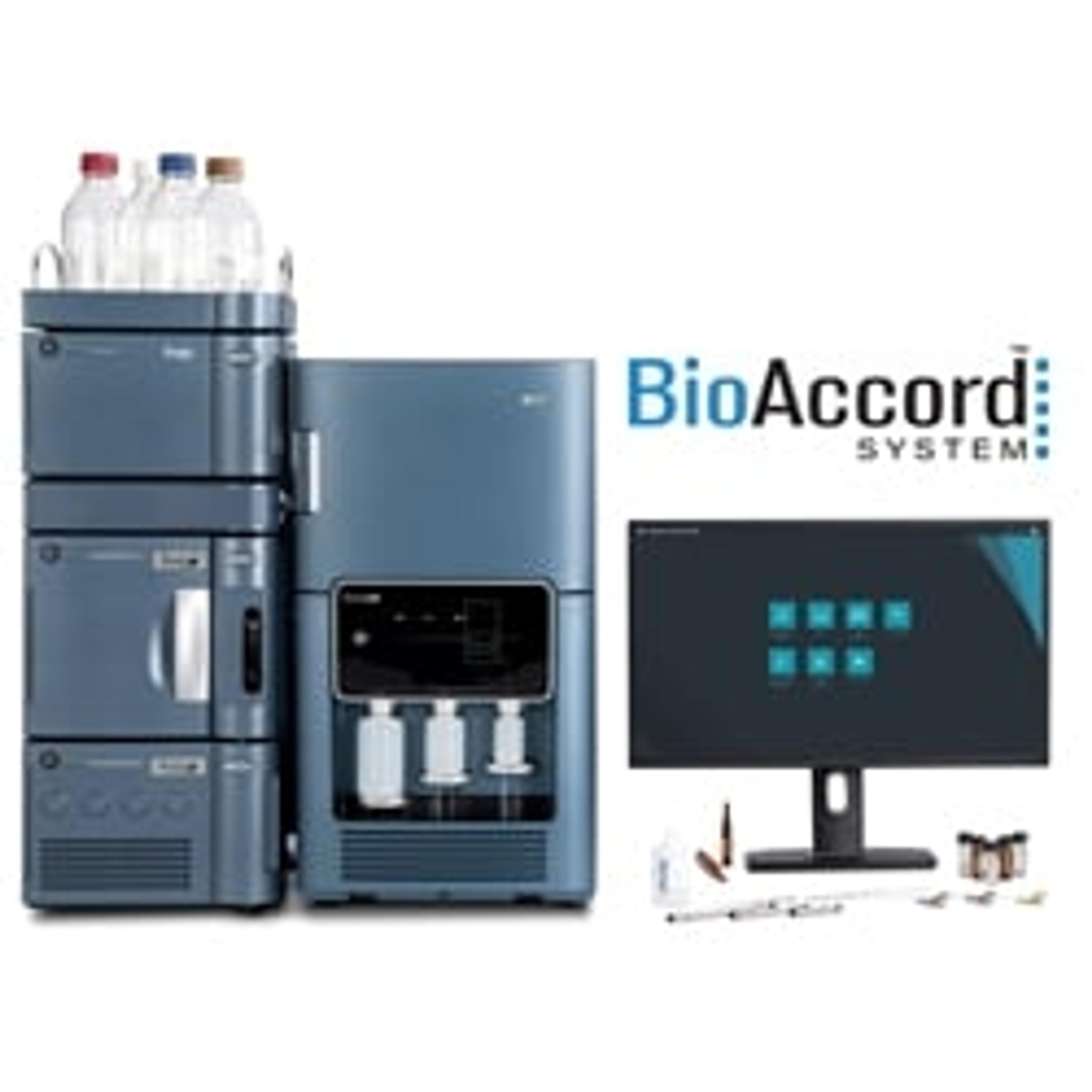
BioAccord LC-MS System
WatersThe First SmartMS-Enabled Biopharma Solution The Waters BioAccord System is an integrated system that simplifies high performance LC-MS biopharmaceutical analysis for every user. An easy-to-use system solution that puts the power to make decisions directly in your hands; a self-calibrating, self-optimizing, self-sufficient tool that equips you with high quality data you can use to tackle the challenges you face every day during biopharmaceutical development.
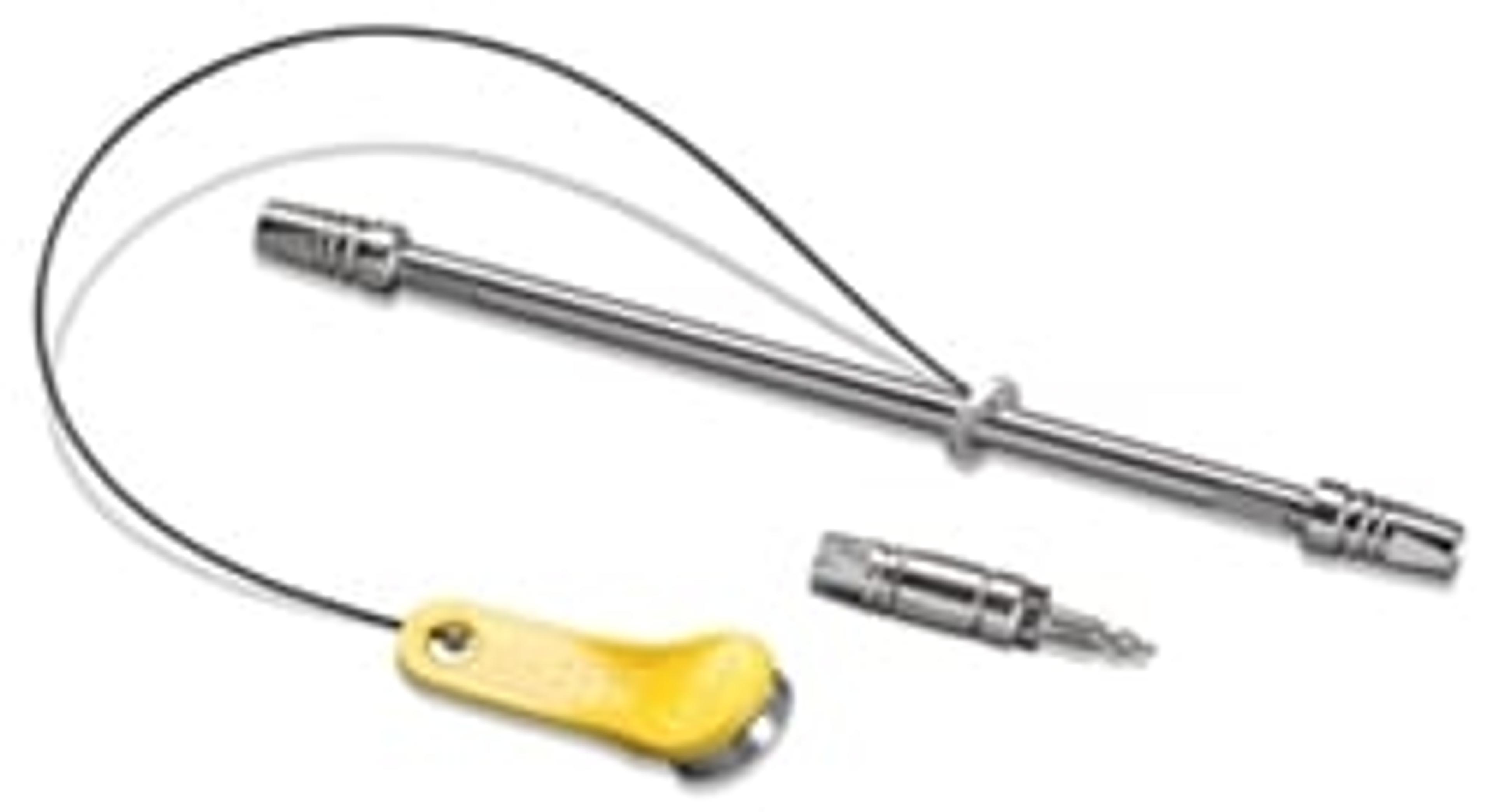
ACQUITY UPLC BEH Columns
WatersIn 2004, Waters revolutionized liquid chromatography with the introduction of the ACQUITY UPLC System. At the heart of the system was Waters second generation hybrid, the Ethylene Bridged Hybrid (BEH) particle. In 2005, BEH Technology preparative particle sizes (2.5, 3.5, 5 and 10 μm) with the introduction of XBridge between HPLC and UPLC Technology platforms. BEH Technology particles offer: Excellent peak shape and efficiency for basic analytes A rational array of chromatographic selectivity Improvements in chemical stability at mobile phase extremes, particularly at elevated pH