
Comet assay: mutagenicity testing for chemical risk assessment
23 Sept 2007Product news
The World Health Organisation has issued a draft document for public and peer review on a revised strategy for mutagenicity testing. This has been produced as a result of the harmonisation project conducted within the International Programme on Chemical Safety (IPCS).
This suggests the use of the Comet Assay where appropriate as one of the in vivo tests used in the mutagenicity testing strategy. The main attributes cited for the comet assay are that it can be applied to many tissues, improved specificity with enzymes and that cell division is not required.
As yet there is no OECD Guideline in place for the assay, but guidance has been published by the IWGT, the most recent being Burlinson et al (2007).
Related products
Request Quote for All Products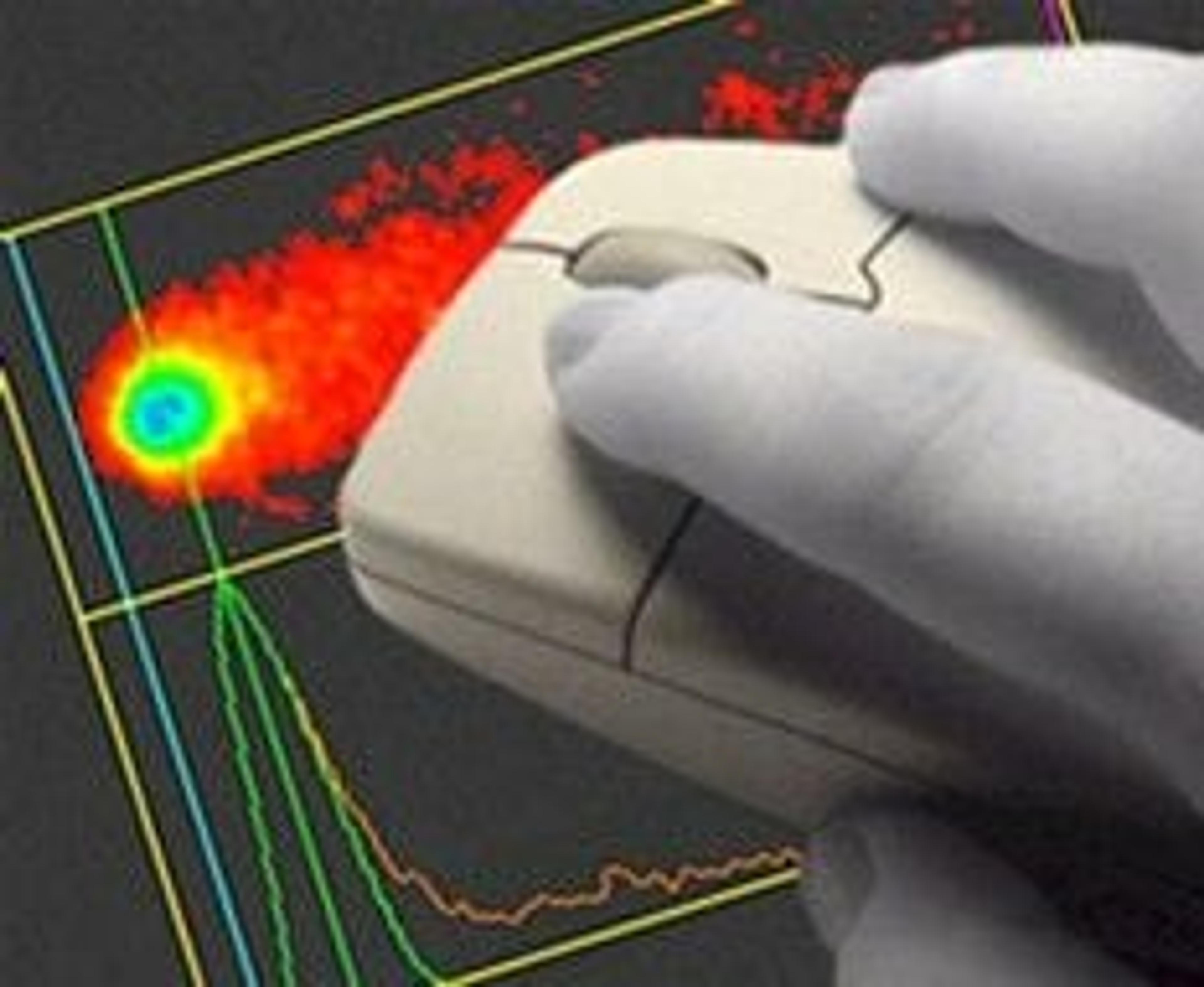
Comet Assay IV - scoring system
Perceptive InstrumentsComet Assay IV's unique single-click scoring method and ultra-fast live video picture make it the most efficient and easy-to-use system available for measuring DNA damage using single cell gel electrophoresis. There are no complicated parameters to adjust and no hardware to install - simply connect the camera and start scoring. Working closely with leading experts in the field, Perceptive Instruments have released Comet Assay IV - the very latest in a highly successful series of systems that have developed and evolved over the past twelve years. Fully validated and featuring comprehensive audit trails, Oracle database connectivity and entry of reasons for edits, deletes etc., Comet Assay IV is the professional choice for those seeking compliance with GLP and FDA 21 CFR part 11. Unique single click automatic scoring for unrivalled speed and reproducibility Flexible study management facilities to help you work your own way Meet regulatory requirements with Comet Assay IV’s comprehensive compliance options Oracle database connectivity for optimal security of result and audit data Powerful Excel macros for analysis & comparison of data Automatically saves images with data for Quality Assurance audit User account management options for GLP and FDA 21 CFR Part 11 compliance Comprehensively tested and validated in accordance with our stringent ISO 9001:2000 and TickIT approved testing procedures