
CN Bio introduces PhysioMimix NASH ‘in-a-box’ reagent kit
First product within new ‘in-a-box’ range, which harnesses next-generation, human-relevant Liver-on-a-Chip technology to improve the accuracy and efficiency of NASH drug discovery
25 Apr 2022
Product news
CN Bio, a leading Organ-on-a-chip Company (OOC) that designs and manufactures single- and multi-organ microphysiological systems (MPS), today introduced its PhysioMimix™ ‘in-a-box’ reagent kit for Non-alcoholic steatohepatitis (NASH), the most severe form of non-alcoholic fatty liver disease (NAFLD). Previously only accessible via its contract research services, CN Bio’s best-in-class NASH in vitro model supports the urgent development of therapeutics to treat this emerging global healthcare priority.
Despite research efforts to combat the growing prevalence of NASH, to date, there are no regulatory approved therapeutics due to the inability of traditional in vivo animal experiment approaches to predict the human response to this complex disease. In conjunction with CN Bio’s PhysioMimix MPS, the NASH-in-a-box (NIAB) kit provides researchers with in-house capabilities to gain physiologically relevant insights into the mechanism of disease, human drug efficacy, and safety toxicology. The assay addresses the human-relevance limitations of existing approaches, bridging the gap between human 2D cell culture and expensive animal models, which are ineffective in mimicking the full disease spectrum. This enables NIAB kit users to generate clinically translatable and predictive data that facilitate more insightful, accurate, and cost-effective drug development.
Through its ‘in-a-box’ range, CN Bio aims to fast-track the incorporation of MPS into drug discovery workflows by providing a straightforward and quick route to recreating its industry-proven OOC assays. Within the NIAB kit, new users are guided through a simple-to-follow, software-based protocol for successfully co-culturing internally-validated primary human hepatocytes, stellate, and Kupffer cells. The protocol enables the formation of 3D microtissue structures that accurately emulate the microarchitecture of the human liver. By introducing fatty acids, researchers can recapitulate key NAFLD/NASH disease states: intracellular fat accumulation, inflammation, and fibrosis1. Once created, the model enables the precise mechanistic effects of drugs (of any modality) and disease to be investigated via high content, clinically translatable end-point measurements.
Dr. David Hughes, CEO, CN Bio, said: “NASH-in-a-box enables CN Bio to expand our market reach from those who prefer to outsource their testing to our laboratories, to those who would rather develop in-house capabilities. As the first in our ‘in-a-box’ range, the launch of the NASH kit represents a significant step toward the widespread adoption of Organ-on-a-chip technology within the drug discovery industry. Consequently, we believe this product will enable discovery programs targeting this disease which is a large and growing burden on healthcare systems, yet lacks any approved therapies.”
Dr. Ovidiu Novac, Senior Scientist for CN Bio, commented: “This new product demonstrates the full advantages of our microphysiological systems, providing scientists with access to easy-to-use, yet best-in-class liver models in their own labs, streamlining the process and making it far quicker and more cost-effective. We believe this will allow for more thorough and accurate testing during the drug development process, which will increase the likelihood of much-needed new NASH drugs to make it to market.”
Want the latest science news straight to your inbox? Become a SelectScience member for free today>>
Related products
Request Quote for All Products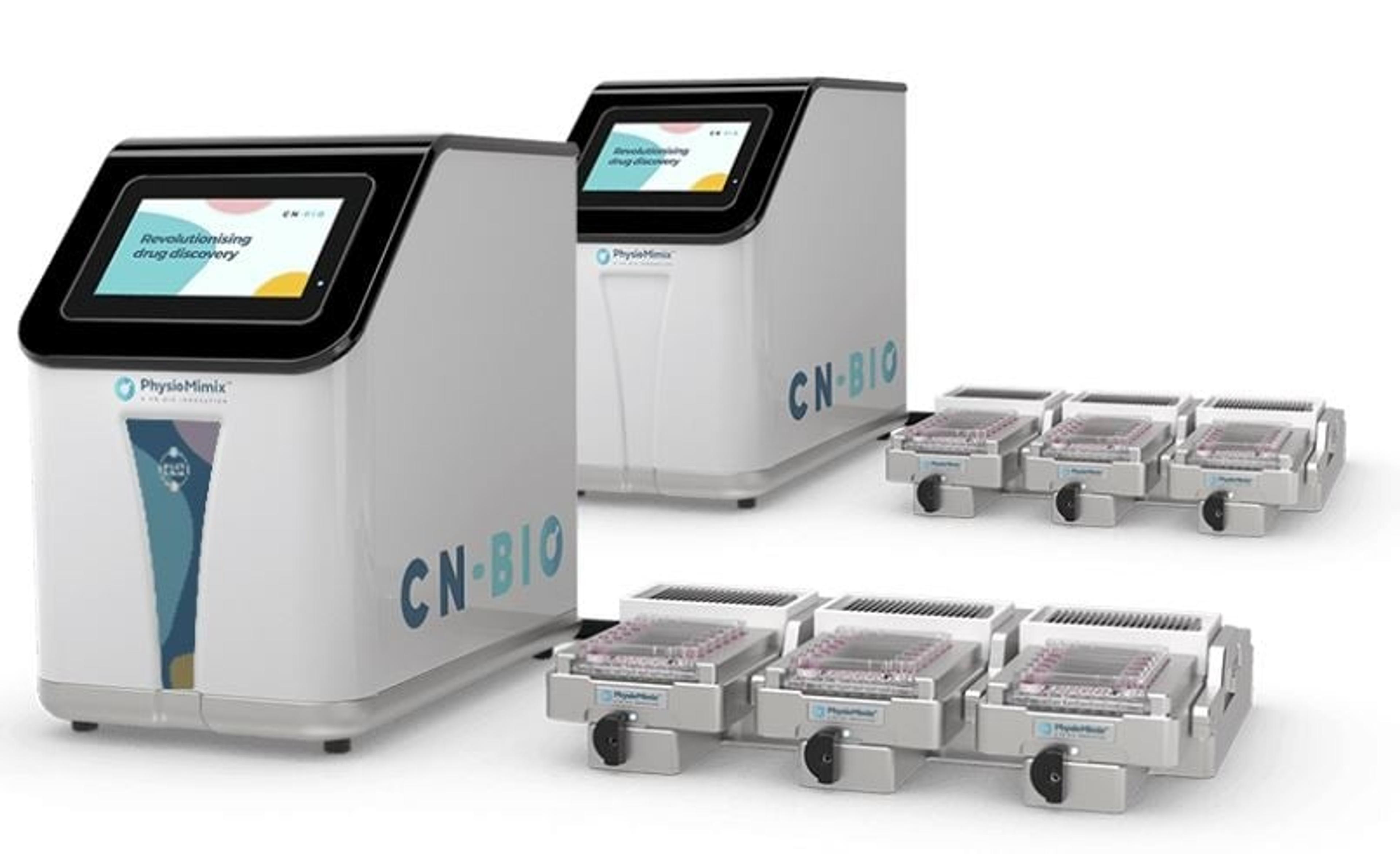
The PhysioMimix™ OOC Range of Single and Multi-organ Microphysiological Systems (MPS) by CN Bio
CN BioPhysioMimix™ microphysiological systems generate in vitro microtissues that mimic the structure and function of human tissues and organs. Through the simulation of human biological conditions, they bridge the gap between traditional cell culture and human studies, reliably predicting drug effects to facilitate the accelerated development of safe and efficacious therapeutics.
In vitro NASH Contract Research Services by CN Bio
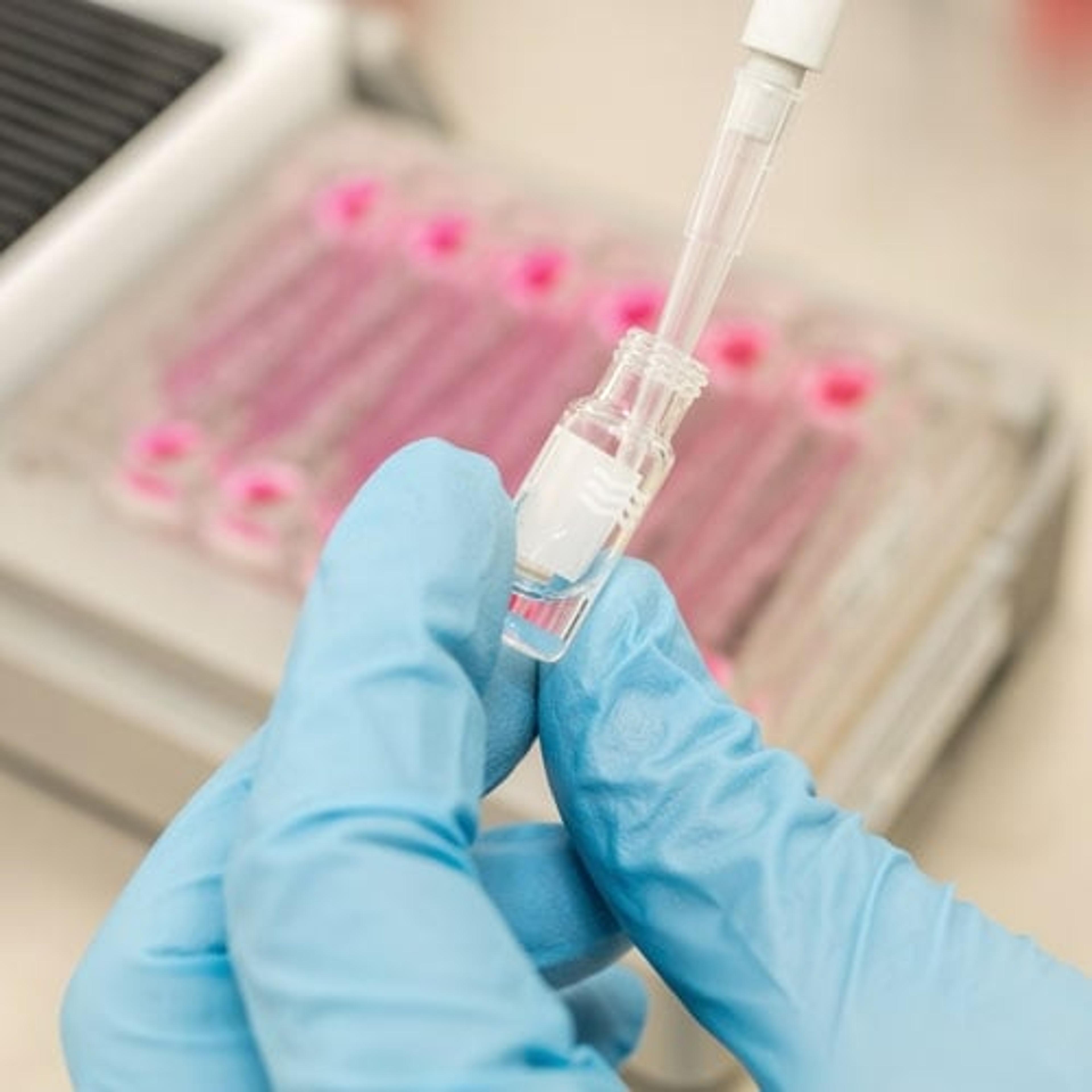
CN BioCN Bio supports non-alcoholic steatohepatitis (NASH) therapeutic development via fast-track NASH Contract Research Services. NASH Services enable you to gain instant access to CN Bio’s expertise and one of the most advanced human in vitro models available. Submit lead candidates for screening and receive human translatable data for insightful preclinical candidate prioritization, clinical trial design and optimization.