
Clinical testing: Increase your lab efficiency for superior analytical results
Learn how to effectively increase lab efficiency to deliver reliable results for improved patient outcomes in our latest eBook
19 Jun 2022
Dora Wells
Clinical Content Editor
Editorial article
Clinical laboratory testing is one of the most important procedures used for the diagnosis, monitoring, and screening of disease. To provide optimum patient care, meet rigorous criteria, and deliver reliable and accurate information, the latest technology and tools must be used.
This free application eBook provides an expert guide on how to effectively increase lab efficiency to deliver reliable results for improved patient outcomes.
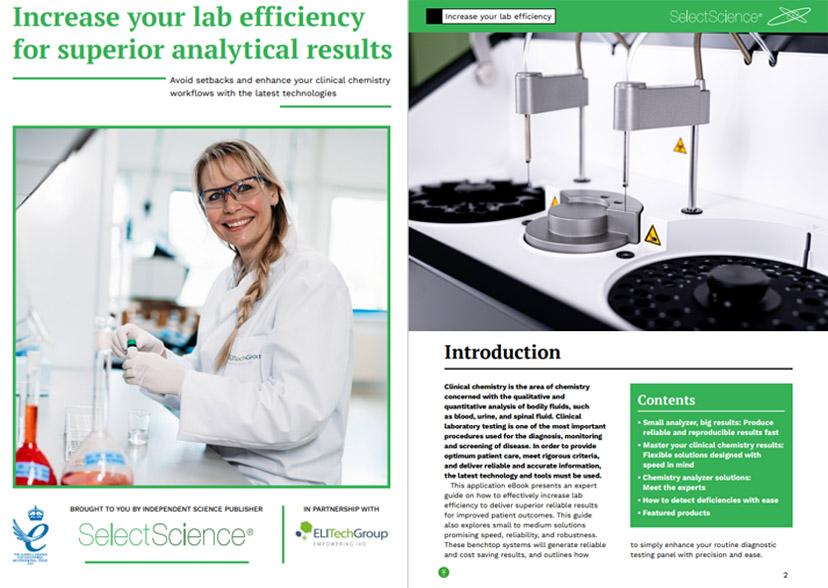
This eBook will also cover:
- Small-to-medium solutions promising speed, reliability, and robustness
- Benchtop systems designed to generate reliable and cost saving results
- Top tips to enhance your routine diagnostic testing panel with precision and ease
Interested in more eBooks like this? SelectScience has plenty free for download here >>
Related products
Request Quote for All Products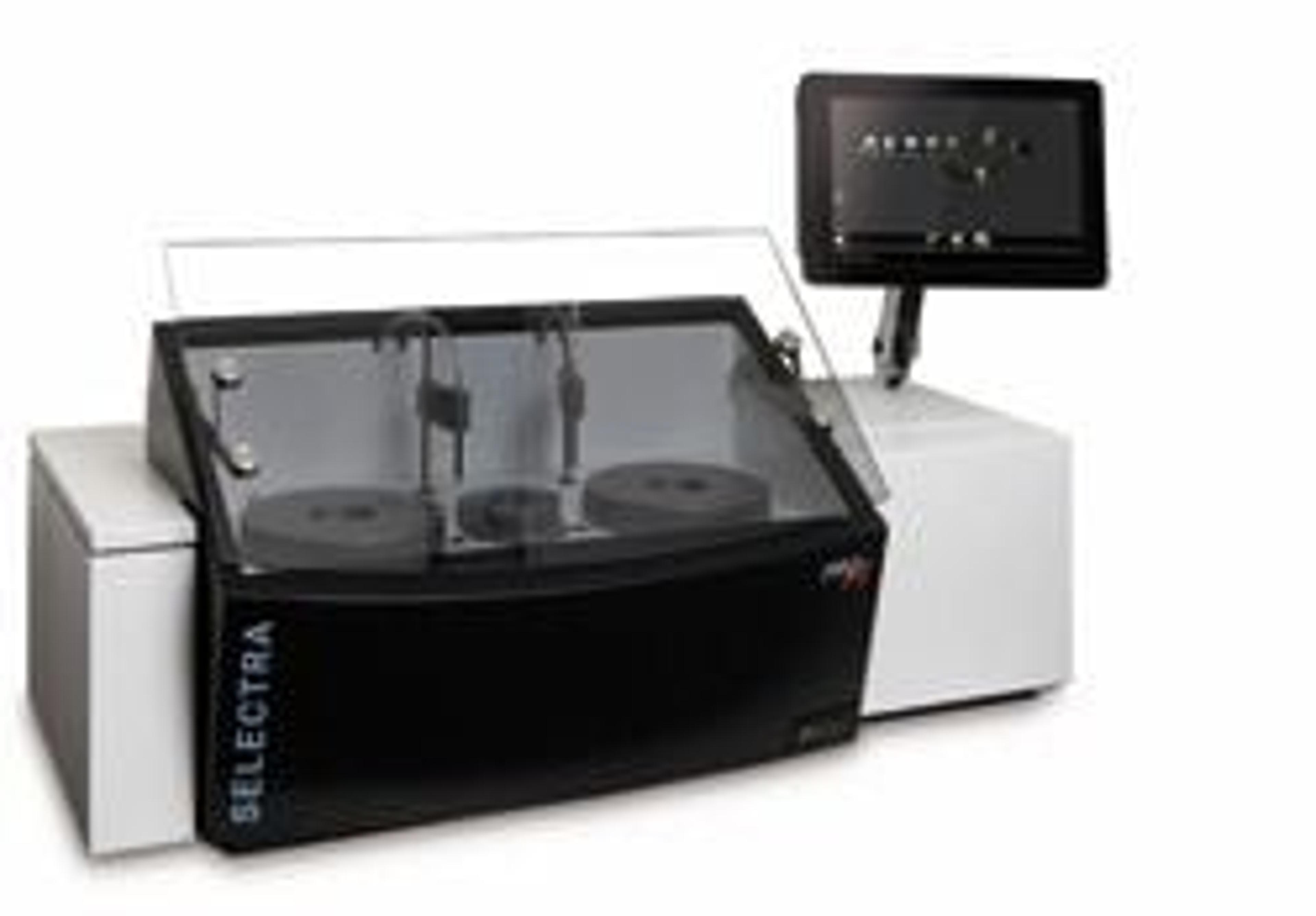
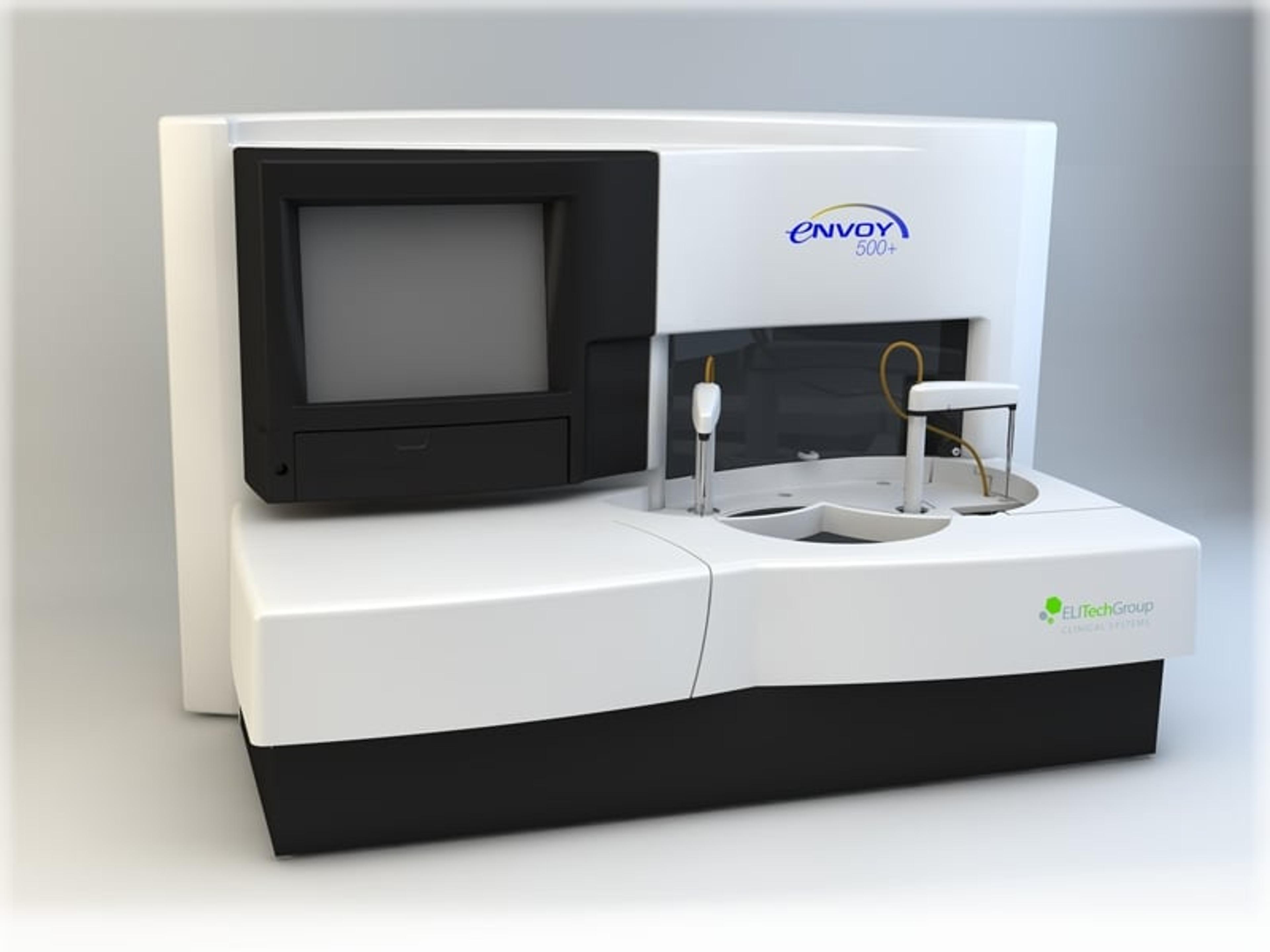
Selectra ProM Chemistry System
ELITechGroup Clinical ChemistryFully-featured, mid-volume chemistry system.
Links
Tags
Clinical ChemistryBiochemistry (or clinical chemistry) involves the analysis of bodily fluids using chemical tests. Techniques used include HPLC, chromatography, spectroscopy, mass spectrometry, immunochemical, electrophoresis, turbidometric / spectrophotometric assay, MRI and ISE analysis. Tests are often carried out on plasma or serum but urine (urinalysis) and fecal specimens are also processed.Laboratory ManagementLaboratory management involves overseeing the operations of a lab, ensuring compliance with safety regulations, optimizing workflows, and maintaining equipment. Efficient lab management is key to ensuring accurate results and minimizing downtime. Technologies like laboratory information management systems (LIMS) and automated lab equipment are helping labs streamline operations. Browse our peer-reviewed product directory to find the best laboratory management tools, compare products, read reviews, and get pricing directly from manufacturers.Molecular DiagnosticsMolecular diagnostics use an individual’s genetic code and gene expression to diagnose and monitor diseases. The technique is used increasingly in the field of infectious diseases and oncology, as well as areas such as coagulation, HLA typing and pharmacogenomics. Molecular diagnostics plays a pivotal role in personalized medicine.ScreeningUsing robotics, data processing and control software, liquid handling devices and sensitive detectors, screening allows a researcher to quickly conduct millions of chemical, genetic or pharmacological tests.