Clinical Products Most Reviewed by You

Products reviewed by clinical scientists around the world

13 Apr 2016
Sonia Nicholas
Managing Editor and Clinical Lead

Editorial article

Healthcare professionals leave product reviews to help their peers make purchasing decisions
 (Image: Goran Bogicevic/Shutterstock)

These are some of the products that our clinical community have been reviewing. Do you use these products and if so, do you agree with your peers?

1. RX imola, Randox Laboratories

"It is a versatile and easy to handle instrument with numerous applications, an ideal instrument for the clinical set up. The post-installation service was excellent, affordable and really different from other companies' instruments in the field. I would be happy to recommend to anyone who wishes to use this product."

Yogaraje Gowda, Bangalore Medical College and Research Institute

Leave a review for the RX imola

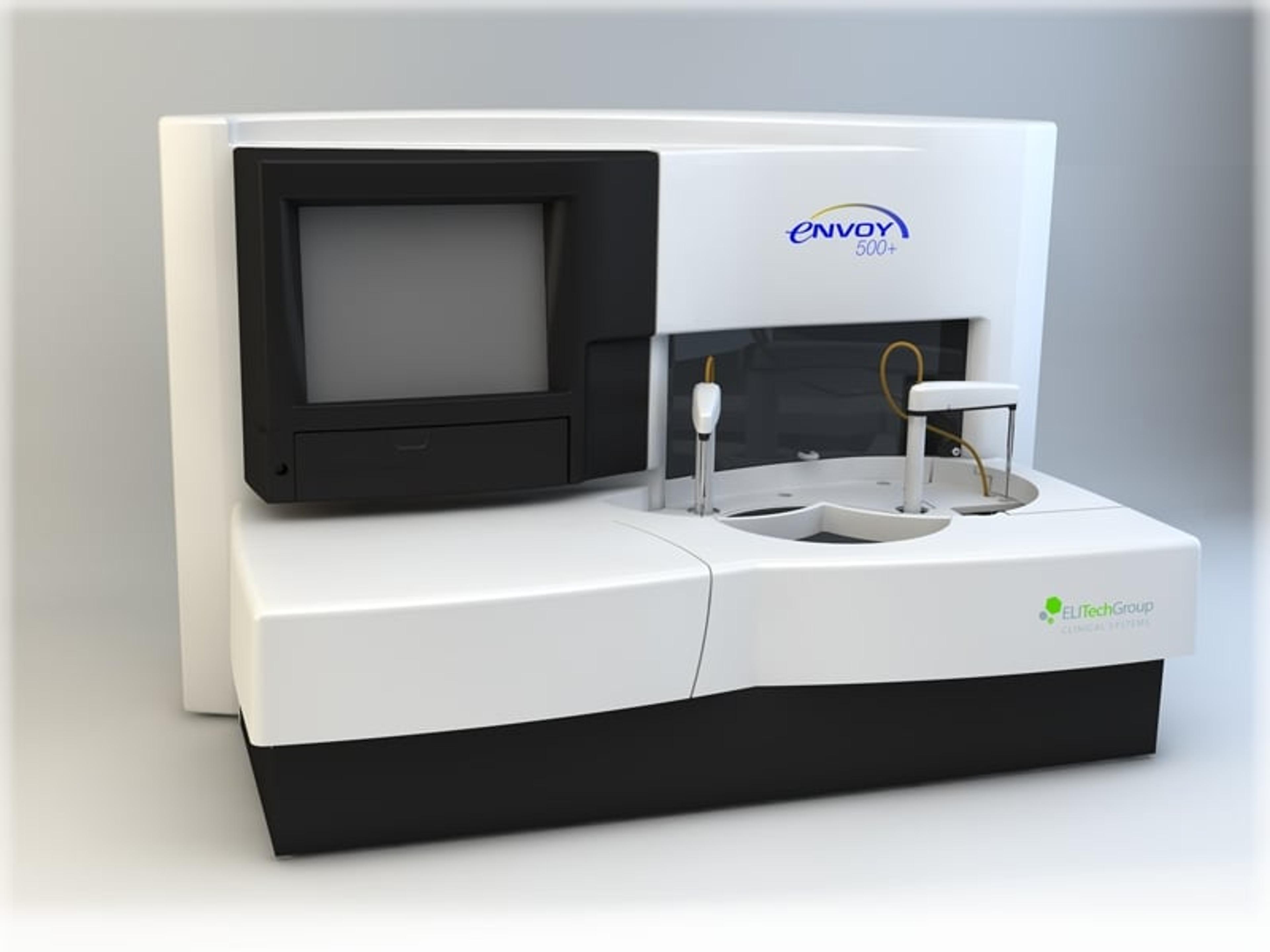
2. Envoy 500+ Chemistry System, ELITech Group

"This analyzer is a great value. The support staff are helpful and will send service promptly if the issue cannot be resolved over the phone. The reactions take place in glass cups which are washed and reused after each cycle so there are no disposable cups. The operation is easy and there isn't much maintenance besides ISE tubing changes."

Kathleen Dalton, Scranton-Hematology and Oncology Associates of Northeastern Pennsylvania

Leave a review for the Envoy 500+

3. Alere i, Alere International

"This analyzer is almost impossible to run improperly. As an infrequent operator, I must check myself against the instructions each time I run a test, but the instructions are clear and the analyzer itself prompts each step. I am much more comfortable with the value of the results, knowing how much greater the sensitivity and specificity are for amplified probe testing."

Mary-Helen Carroll, Providence St Mary Medical Center Laboratory

Leave a review for the Alere i

4. ADVIA 2120 Hematology System, Siemens Healthcare Diagnostics

"I strongly recommended this auto analyzer for other scientists. It is very good and produces accurate result for all parameters and morphology. Csf total count is also available. This machine is used for research and leukaemia patents. One parameter LUC (Large unstained cells) makes the manual differential stain and sees all abnormal cells. I like this machine very much."

Akhtar Hussain, Northern Armed Forces Hospital

Leave a review for the ADVIA 2120

5. LightCycler® 480 Real-Time PCR System, Roche Applied Science

"It is a stable and good instrument for real time PCR, we use it for both diagnostics and research. It’s reliable and easy to learn to users. Both 96 -and 384 wells blocks can be used and are easy to exchange."

Emiel Janssen, Stavanger University Hospital

Leave a review for the LightCycler® 480 Real-Time PCR System

6. Leica CM1950 Cryostat, Leica Microsystems

"Acquisition of this equipment for the laboratory was one of the best things. Practicality in achieving the cuts, high-tech junction with simplicity. Extremely practical for installation and with full support."

Luis Gustavo Patrone, Sao Paulo State University

Leave a review for the Leica CM1950 Cryostat

RX imola

Randox Laboratories Ltd.

The RX imola is a compact benchtop clinical chemistry analyzer suitable for use in medium to large throughput laboratories. 

(11)

Links

Tags

Blood TransfusionBlood Transfusion involves giving donor blood to a recipient patient. Screening is essential to avoid transfusion reactions. Blood banks use immunohematological techniques to determine rh and ABO blood group, and screen for antibodies using specific antisera. Blood Banks use Direct Coombs Tests (DCT) and Indirect Coombs Tests (IAT) to detect hemolysis and Haemolytic Disease of the Newborn (HDN).HematologyIn Haematology / Hematology, complete blood cell counts (or full blood counts) are obtained using automated blood count analyzers to enumerate blood cell types.  Hematology also encompasses haemostasis and coagulation, thrombophilia and hemophilia, plasma viscosity and ESR analysis, hemoglobinopathies, cell morphology and haematinic measurement.ImmunologyImmunological techniques measure and characterize immune responses. Immunology kits and analysis systems often use techniques such as ELISA, radioimmunoassay (RIA) and immunodiffusion assays, Immunohistochemistry, and flow cytometry. Immunologists use equipment such as flow Cytometers, plate readers, plate washers and fluorescent microscopes.Cellular PathologyCellular Pathology deals with the microscopic analysis of tissue samples and cells. Sample preparation and processing includes fixation, staining, sectioning and slide mounting, using equipment such microtomes and cryostats. In choosing immunohistochemistry and immunocytochemistry kits, consider chromogens, staining method, antibodies, microscopes and imaging.Point-of-CarePoint-of-Care Testing (POCT) or Near Patient Testing (NPT) products are available for urine, blood and other clinical chemistry analyses. POCT includes: blood glucose testing, blood gas and electrolytes analysis, rapid coagulation testing (PT / INR), rapid cardiac markers diagnostics, drugs of abuse screening, urine strips testing, pregnancy testing, fecal occult blood analysis, food pathogens screening, hemoglobin diagnostics, infectious disease testing and cholesterol screening.Clinical ChemistryBiochemistry (or clinical chemistry) involves the analysis of bodily fluids using chemical tests. Techniques used include HPLC, chromatography, spectroscopy, mass spectrometry, immunochemical, electrophoresis, turbidometric / spectrophotometric assay, MRI and ISE analysis. Tests are often carried out on plasma or serum but urine (urinalysis) and fecal specimens are also processed.Clinical GeneticsMolecular Genetics covers the analysis of hereditary genetic disease and chromosomal abnormalities. Genetics can be analysed using DNA, RNA, and protein microarrays, PCR, RT PCR and DNA sequencing. Genetic equipment includes genetic workstations, thermal cyclers, cooling blocks and electrophoresis products. Diagnostic kits are used for DNA / RNA extraction and purification.Clinical MicrobiologyMicrobiology is the study of microorganisms including protists, prokaryotes, fungi, and, often, viruses. Microorganisms are a useful research tool as genetic vectors and, in immunology, for antibiotic susceptibility testing, cellular biology and genetics. Microorganisms commonly grow readily in incubators with microbial culture media; this can contain chromogenic supplements to differentiate between cell lines. Estimate your culture’s density of microorganisms with colony counters, or screen and select colonies for desirable clones with automated colony pickers. Additionally, equipment is available to monitor environments for the presence of microbes and identify with microbial identification instruments. Find the best microbiology products in our peer-reviewed product directory: compare products, check customer reviews and receive pricing direct from manufacturers.Embryology / IVFEmbryology refers to the development of an embryo resulting from the fertilization of the ovum, to fetus stage. In vitro fertilization (IVF) refers to the fertilization of the egg outside of the human body, and is an important treatment for infertility.Reviews