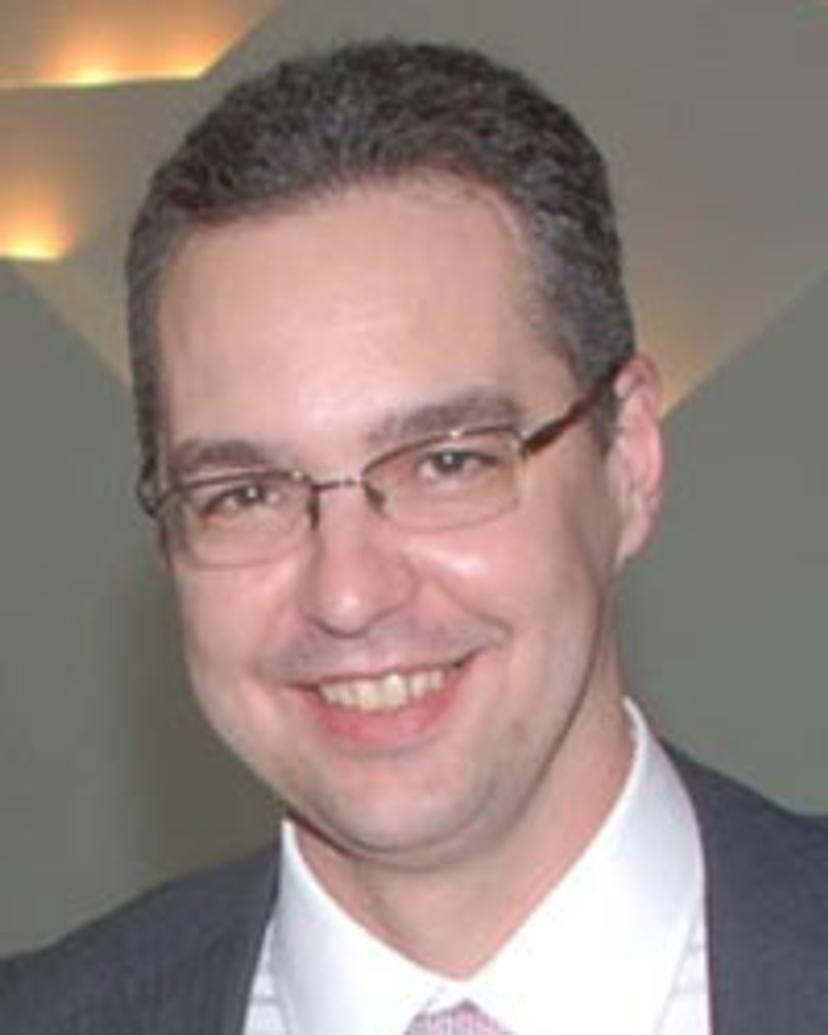
Claudio Figueiredo de A Pereira Beta Tests the New SelectScience Website

What did DASA’s Clinical Analysis Director think about our new website?

21 Mar 2015
Sonia Nicholas
Managing Editor and Clinical Lead

Editorial article

Claudio Figueiredo de A Pereira

DASA is the largest provider of medical diagnostic services in Latin America, offering more than 3000 types of clinical analysis and diagnostic imaging. Patient samples are collected in more than 500 service centers and analyzed in 11 central laboratories. We asked Claudio Figueiredo de A Pereira, DASA’s Clinical Analysis Director to beta-test our new website.

About Claudio

As DASA’s Clinical Director, Claudio is responsible for overseeing the management of all of the central laboratories and numerous small satellite labs run by the company. In his spare time, Claudio values spending family time with his two young children. He is a keen photographer and spends much of his free time devoted to this hobby.

Directing Lab Purchases and Providers

Like a lot of large clinical laboratories, many of the central lab analyzers are acquired through managed service contracts with the suppliers. As well as being involved in those contracts, Claudio is responsible for approving the purchases of equipment for all other areas of the laboratory, examples of these include mass spectrometers and HPLC analyzers for the analytical chemistry labs, sequencers and PCR instrumentation for the molecular biology laboratories and MALDI-TOF processors for the microbiology departments.


It is my job to be knowledgeable about what is happening in the world of diagnostics


Claudio Figueiredo de A Pereira

DASA

About DASA

DASA is the largest provider of medical diagnostic services in Latin America, offering more than 3000 types of clinical analysis and diagnostic imaging. Patient samples are collected in more than 500 service centers and analyzed in 11 central laboratories.

Why SelectScience?

Claudio was first introduced to SelectScience was when our Editors requested to film inside his state-of-the-art laboratories in Brazil; clinical laboratory Managers and Directors around the world have since learned his experiences in installing a total automation solution.

Watch our exclusive interviews on total automation solutions at DASA and another on the necessity of pure water in clinical analysis.

As part of his responsibilities, Claudio needs to be up to date with the very latest clinical diagnostic news, including new tests and methods, and hot topics in the industry.

Beta Testing the New SelectScience Website...

Likes

  • I love the new design; it is fresh, clear and vibrant.
  • The new navigation is excellent, it is so intuitive, and I immediately knew where to go to find out about new diagnostic tests and methods.
  • I particularly liked being able to navigate by hot topics under ‘applications’. I need to keep on top of current issues such as next generation sequencing, Ebola and clinical mass spectrometry. The new website made this very easy for me to find this information quickly.

Recommendations

  • The clinical disciplines/departments such as hematology, immunology etc. can be found under ‘techniques’, which wasn’t immediately obvious to me. This was the only difficulty that I had with the navigation.

Many thanks to Claudio for beta-testing our new website. Sonia Nicholas, Clinical Editor

Learn more about DASA
Find out more about Claudio Figueiro de A Pereira

Links

Tags

Blood TransfusionBlood Transfusion involves giving donor blood to a recipient patient. Screening is essential to avoid transfusion reactions. Blood banks use immunohematological techniques to determine rh and ABO blood group, and screen for antibodies using specific antisera. Blood Banks use Direct Coombs Tests (DCT) and Indirect Coombs Tests (IAT) to detect hemolysis and Haemolytic Disease of the Newborn (HDN).HematologyIn Haematology / Hematology, complete blood cell counts (or full blood counts) are obtained using automated blood count analyzers to enumerate blood cell types.  Hematology also encompasses haemostasis and coagulation, thrombophilia and hemophilia, plasma viscosity and ESR analysis, hemoglobinopathies, cell morphology and haematinic measurement.ImmunologyImmunological techniques measure and characterize immune responses. Immunology kits and analysis systems often use techniques such as ELISA, radioimmunoassay (RIA) and immunodiffusion assays, Immunohistochemistry, and flow cytometry. Immunologists use equipment such as flow Cytometers, plate readers, plate washers and fluorescent microscopes.Cellular PathologyCellular Pathology deals with the microscopic analysis of tissue samples and cells. Sample preparation and processing includes fixation, staining, sectioning and slide mounting, using equipment such microtomes and cryostats. In choosing immunohistochemistry and immunocytochemistry kits, consider chromogens, staining method, antibodies, microscopes and imaging.Point-of-CarePoint-of-Care Testing (POCT) or Near Patient Testing (NPT) products are available for urine, blood and other clinical chemistry analyses. POCT includes: blood glucose testing, blood gas and electrolytes analysis, rapid coagulation testing (PT / INR), rapid cardiac markers diagnostics, drugs of abuse screening, urine strips testing, pregnancy testing, fecal occult blood analysis, food pathogens screening, hemoglobin diagnostics, infectious disease testing and cholesterol screening.Clinical ChemistryBiochemistry (or clinical chemistry) involves the analysis of bodily fluids using chemical tests. Techniques used include HPLC, chromatography, spectroscopy, mass spectrometry, immunochemical, electrophoresis, turbidometric / spectrophotometric assay, MRI and ISE analysis. Tests are often carried out on plasma or serum but urine (urinalysis) and fecal specimens are also processed.Clinical GeneticsMolecular Genetics covers the analysis of hereditary genetic disease and chromosomal abnormalities. Genetics can be analysed using DNA, RNA, and protein microarrays, PCR, RT PCR and DNA sequencing. Genetic equipment includes genetic workstations, thermal cyclers, cooling blocks and electrophoresis products. Diagnostic kits are used for DNA / RNA extraction and purification.Clinical MicrobiologyMicrobiology is the study of microorganisms including protists, prokaryotes, fungi, and, often, viruses. Microorganisms are a useful research tool as genetic vectors and, in immunology, for antibiotic susceptibility testing, cellular biology and genetics. Microorganisms commonly grow readily in incubators with microbial culture media; this can contain chromogenic supplements to differentiate between cell lines. Estimate your culture’s density of microorganisms with colony counters, or screen and select colonies for desirable clones with automated colony pickers. Additionally, equipment is available to monitor environments for the presence of microbes and identify with microbial identification instruments. Find the best microbiology products in our peer-reviewed product directory: compare products, check customer reviews and receive pricing direct from manufacturers.Embryology / IVFEmbryology refers to the development of an embryo resulting from the fertilization of the ovum, to fetus stage. In vitro fertilization (IVF) refers to the fertilization of the egg outside of the human body, and is an important treatment for infertility.