Cepheid receives FDA emergency use authorization for SARS-CoV-2 test

The Xpert Xpress SARS-CoV-2 test is designed for the qualitative detection of the virus causing COVID-19

27 Mar 2020

Diane Li
Assistant Editor

Industry news

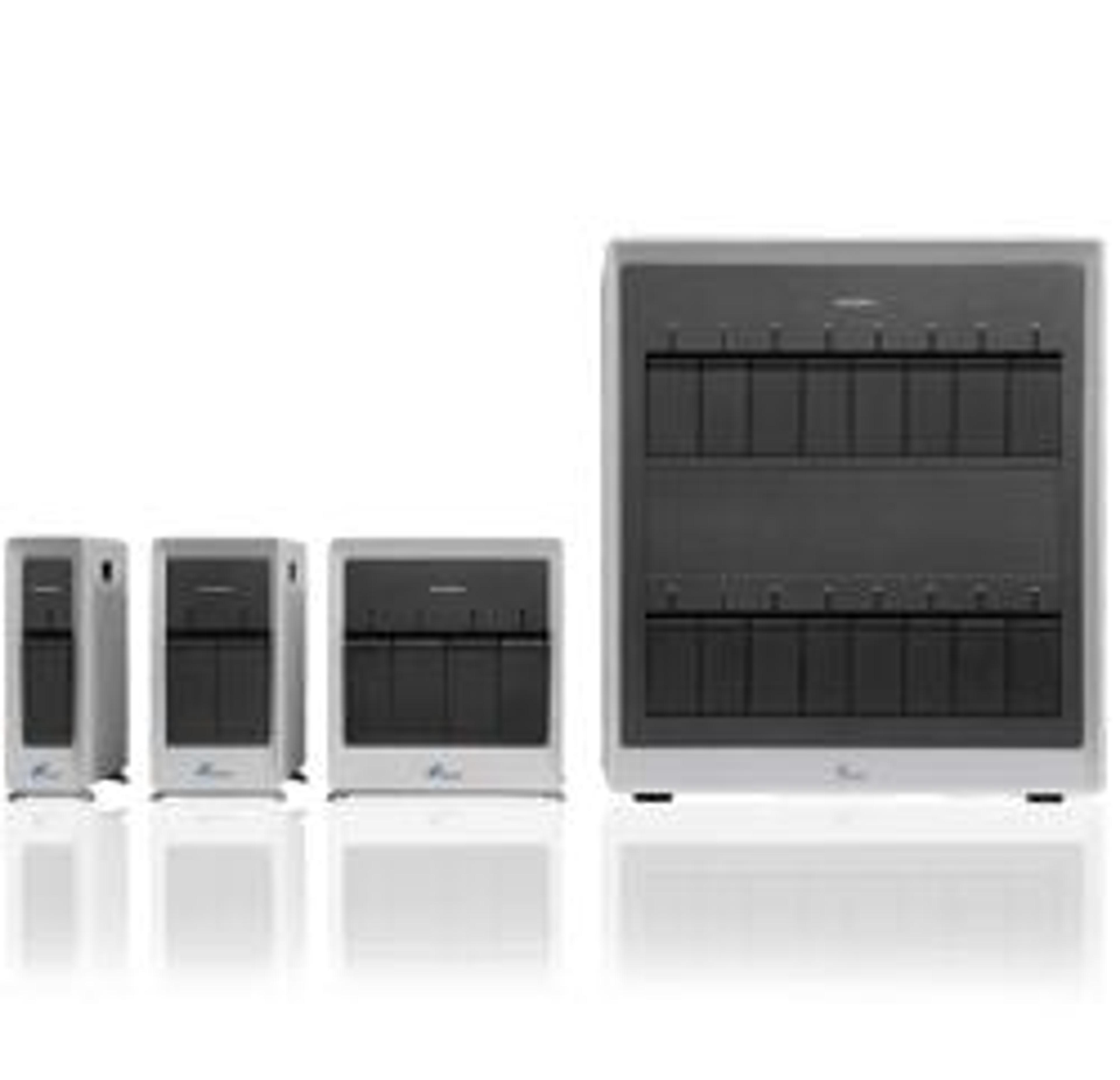
Cepheid has announced that it has received Emergency Use Authorization (EUA) from the U.S. Food & Drug Administration (FDA) for Xpert® Xpress SARS-CoV-2, a rapid molecular diagnostic test for qualitative detection of SARS-CoV-2, the virus causing COVID-19. The test has been designed to operate on any of Cepheid's more than 23,000 automated GeneXpert® Systems worldwide, with a detection time of approximately 45 minutes.

"During this time of increased demand for hospital services, Clinicians urgently need an on-demand diagnostic test for real-time management of patients being evaluated for admission to health-care facilities. An accurate test delivered close to the patient can be transformative — and help alleviate the pressure that the emergence of the 2019-nCoV outbreak has put on healthcare facilities that need to properly allocate their respiratory isolation resources," said Dr. David Persing, MD, Ph.D., Chief Medical and Technology Officer at Cepheid. "By leveraging the design principles of our current Xpert Xpress Flu/RSV cartridge technology, in which multiple regions of the viral genome are targeted to provide rapid detection of current and potential future variants of SARS-CoV-2, we have developed a test that provides reference lab-quality results in multiple settings where actionable treatment information is needed quickly."

"Cepheid currently has nearly 5,000 GeneXpert® Systems in the US capable of point-of-care testing and for use in hospitals," said Cepheid President Warren Kocmond. "Our automated systems do not require users to have specialty training to perform testing — they are capable of running 24/7, with many systems already doing so today."

Do you use Cepheid products in your lab? Write a review today for your chance to win a $400 Amazon gift card>>

GeneXpert System

Cepheid

The GeneXpert System is a closed, self-contained, fully-integrated and automated platform that represents a paradigm shift in the automation of molecular analysis, producing accurate results in a timely manner with minimal risk of contamination. The GeneXpert System is the only system to combine on-board sample preparation with real-time PCR (polymerase chain reaction) amplification and detection functions for fully integrated and automated nucleic acid analysis. The system is designed to purify, concentrate, detect and identify targeted nucleic acid sequences thereby delivering answers directly from unprocessed samples. Modular in design, the GeneXpert System has a variety of configurations to meet the broad range of testing demands of any clinical environment.

(32)

Links

Tags

AntibodiesAntibodies are used in techniques such as confocal and fluorescence microscopy, flow cytometry, ELISA, ELISPOT, immunohistochemistry, western blotting and immunopreciptation. Select specific antigen reactivity, high specific affinity, low non-specific binding, monoclonal or polyclonal, primary or secondary antibodies and associated conjugates such as an enzyme or dye for visualization.Data AnalysisData analysis hardware and software is available to make data processing straight-forward yet powerful. Data software can be used for math and stats, technical graphing and image analysis. In addition, software is available for specific data analysis of electrophoresis, densitometry, ELISA and DNA sequencing.ImmunologyImmunological techniques measure and characterize immune responses. Immunology kits and analysis systems often use techniques such as ELISA, radioimmunoassay (RIA) and immunodiffusion assays, Immunohistochemistry, and flow cytometry. Immunologists use equipment such as flow Cytometers, plate readers, plate washers and fluorescent microscopes.Biopharmaceutical AdvancesBiopharmaceutical advances follow the development of pharmaceuticals derived from biotechnology, also known as biotechnology medicines. Biopharmaceuticals may be produced from cell lines, plants, or microbial cells. Important considerations of biopharmaceutical use include application, cost, production process and purification.Clinical TrialsClinical Trials, an essential part of drug discovery process, assess the safety and effectiveness of a new medication or device in the pharmaceutical industry. Clinical Trials are a phased process (Phase 0, Phase I, Phase II, Phase III and Phase IV) which begins after initial preclinical testing.Clinical ChemistryBiochemistry (or clinical chemistry) involves the analysis of bodily fluids using chemical tests. Techniques used include HPLC, chromatography, spectroscopy, mass spectrometry, immunochemical, electrophoresis, turbidometric / spectrophotometric assay, MRI and ISE analysis. Tests are often carried out on plasma or serum but urine (urinalysis) and fecal specimens are also processed.Clinical MicrobiologyMicrobiology is the study of microorganisms including protists, prokaryotes, fungi, and, often, viruses. Microorganisms are a useful research tool as genetic vectors and, in immunology, for antibiotic susceptibility testing, cellular biology and genetics. Microorganisms commonly grow readily in incubators with microbial culture media; this can contain chromogenic supplements to differentiate between cell lines. Estimate your culture’s density of microorganisms with colony counters, or screen and select colonies for desirable clones with automated colony pickers. Additionally, equipment is available to monitor environments for the presence of microbes and identify with microbial identification instruments. Find the best microbiology products in our peer-reviewed product directory: compare products, check customer reviews and receive pricing direct from manufacturers.FDAThe Food and Drug Association (FDA) is an agency within the U.S. Department of Health and Human Services. Among other things, it is responsible for ensuring the safety, effectiveness and quality of drugs, vaccines and other biological products, and medical devices. Pathogen DetectionPathogen detection is the process of identifying harmful microorganisms, including bacteria, viruses, and fungi, that can cause diseases. Accurate pathogen detection is critical for food safety, public health, and clinical diagnostics. Explore pathogen detection products in our peer-reviewed product directory; compare products, check reviews, and get pricing directly from manufacturers.Molecular DiagnosticsMolecular diagnostics use an individual’s genetic code and gene expression to diagnose and monitor diseases. The technique is used increasingly in the field of infectious diseases and oncology, as well as areas such as coagulation, HLA typing and pharmacogenomics. Molecular diagnostics plays a pivotal role in personalized medicine.CoronavirusCoronaviruses are a large family of viruses that can cause illnesses ranging from the common cold to more severe diseases like COVID-19. Research into the biology, transmission, and treatment of coronaviruses has become a global priority, particularly since the emergence of SARS-CoV-2. Understanding the virus�s structure and behavior is essential for developing vaccines, diagnostics, and antiviral treatments. Explore our peer-reviewed product directory to discover the latest research tools, diagnostic tests, vaccines, and treatments for coronavirus, compare products, read reviews, and receive pricing directly from manufacturers.Covid-19COVID-19, caused by the SARS-CoV-2 virus, has led to a global health crisis with profound impacts on societies and economies. Research into diagnostics, vaccines, treatments, and understanding viral mechanisms continues to evolve. The pandemic has accelerated innovations in healthcare and biopharmaceuticals, including novel vaccine platforms and rapid testing technologies. Browse our peer-reviewed product directory to find top COVID-19 testing kits, research tools, vaccines, and treatments, compare products, read reviews, and receive direct pricing from manufacturers.