Carl Zeiss to Showcase Wide Range of Optical and Scanning Electron Microscopes at MICROSCIENCE 2010

21 Jun 2010
Sarah Sarah
Marketing / Sales

Product news

Carl Zeiss will demonstrate the latest technology advances in SuperResolution, confocal and correlative microscopy, high-speed optical sectioning and digital imaging cameras and software. The ELYRA SuperResolution workstation will also be on display alongside the new VivaTome and ApoTome.

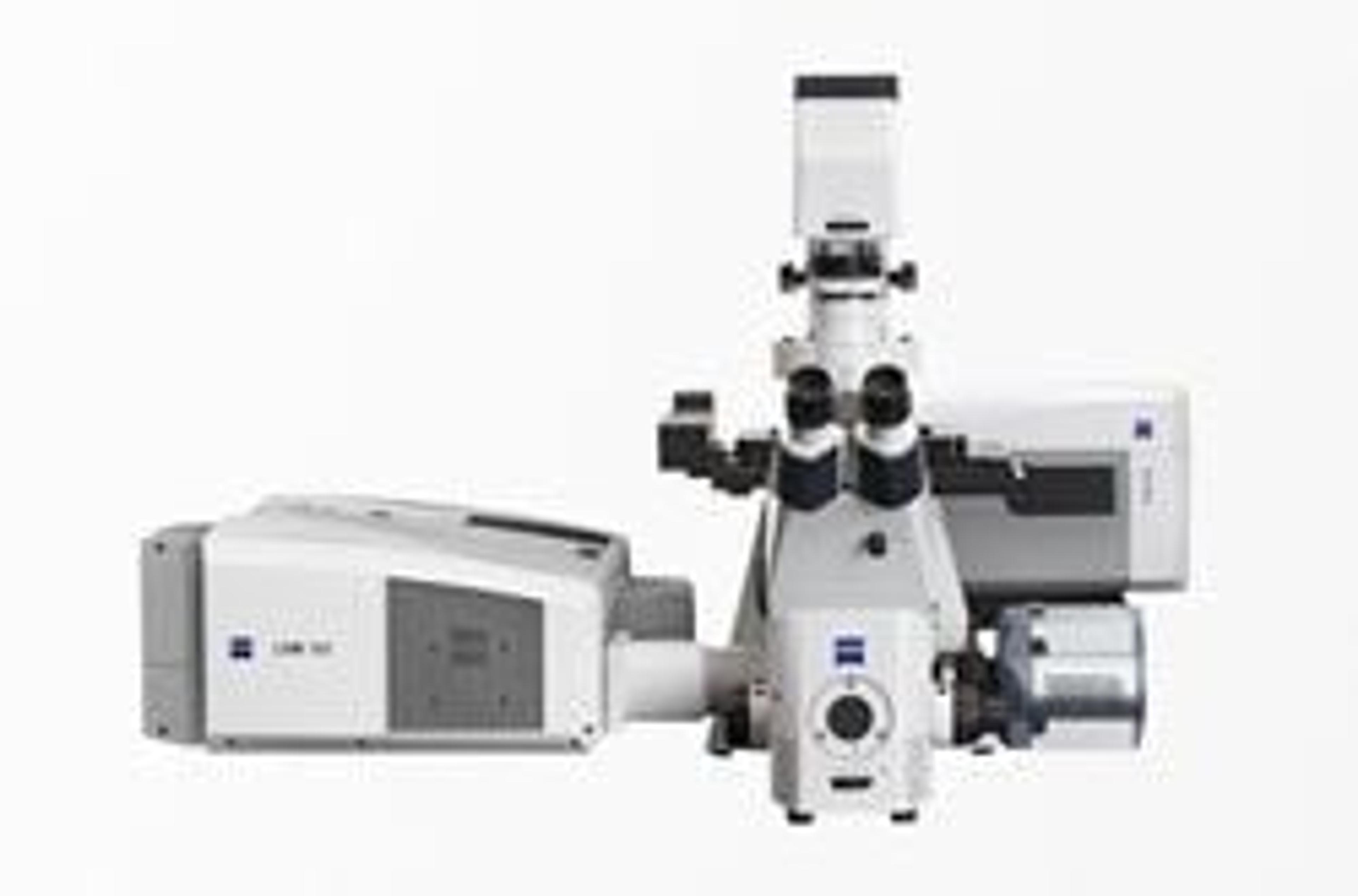
The ELYRA SuperResolution workstation will spearhead the display. Offering 20nm resolution, 10x greater than conventional light microscopes, ELYRA is set to revolutionise our understanding of the fundamentals of cell biology. Alongside the ELYRA workstation will be the groundbreaking LSM 780, which features radical, high quantum efficiency, GaAsP detector technology and offers double the sensitivity of the previously class-leading Zeiss LSM710. The LSM 780 will be demonstrated on the stand and the system also forms the platform of the new ELYRA SuperResolution microscopes.

Also on show will be the new VivaTome, pioneering optical sectioning technology that combines the imaging speed of a spinning disk system with the light efficiency of structured illumination. Designed for life science applications where temporal resolution is a priority, VivaTome provides developmental and cell biologists with a fast, cost-effective tool to examine the dynamics of living specimens without extensive prior knowledge of optical sectioning. Carl Zeiss pioneered optical sectioning through structured illumination with the award-winning ApoTome and this will also be on display.

Bridging the Micro and Nano worlds, Carl Zeiss will also be demonstrating its “Shuttle & Find” technology. This correlative interface for light (LM) and electron (EM) microscopes allows any point or region of interest (ROI) in LM to be relocated automatically at much higher resolution in the EM. Shuttle & Find is compatible with motorised versions of the Axio Imager, Axio Observer and SteREO Discovery LM platforms and all SEM/CrossBeam® electron microscopes.

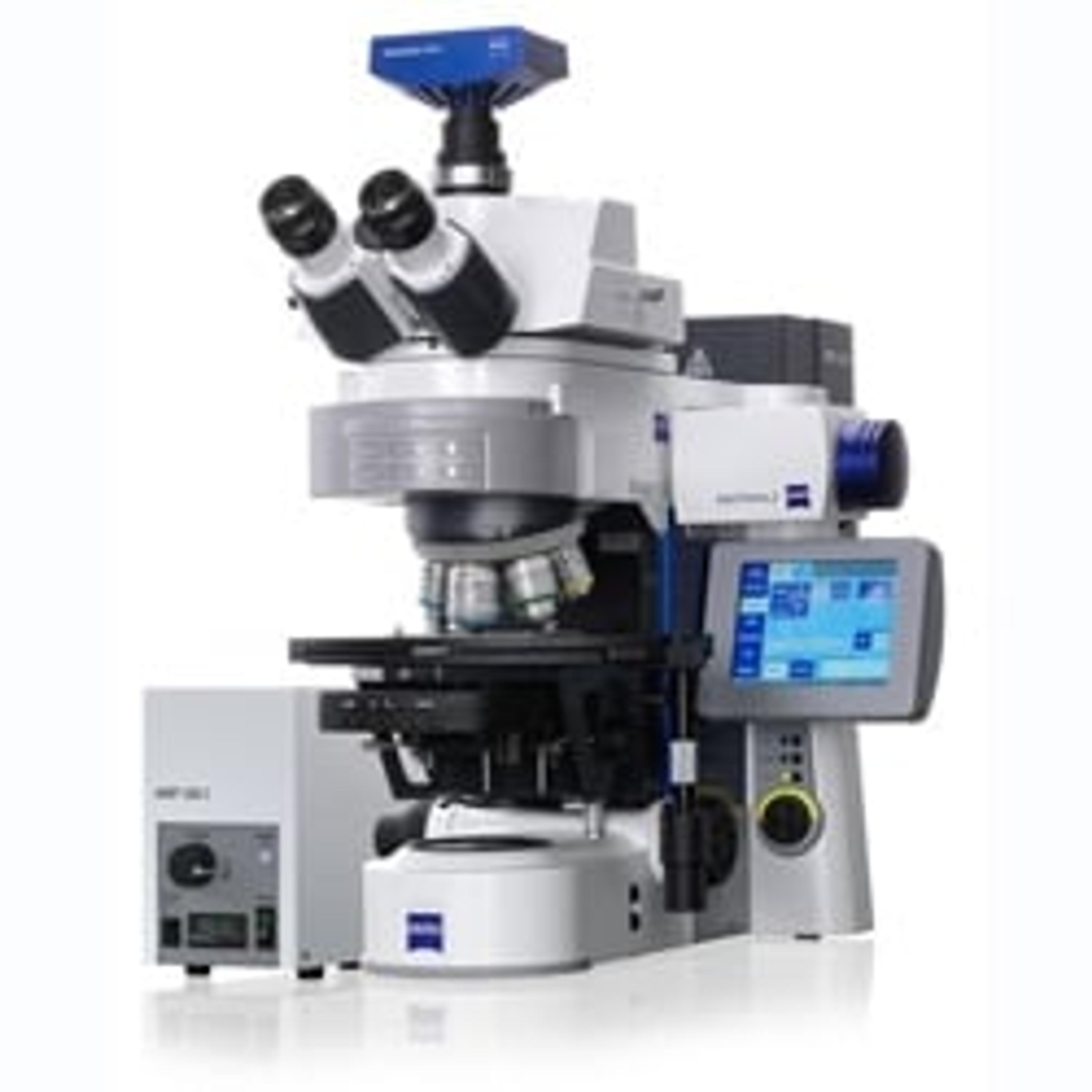
Surrounding these revolutionary technologies, the Carl Zeiss stand will highlight the world’s largest array of light microscopes and digital imaging devices for the biomedical and material sciences. The all new Axio Lab.A1 microscope will make its UK debut, with versions that span the life science and materials worlds. Also on show will be the AxioCam ERc 5, a 5 megapixel camera that offers outstanding image resolution and colour accuracy, making it ideal for education and routine laboratory image capture.

Visit booth L8 to find out more.

Links

Tags

Gel Doc / Image AnalysisGel documentation (gel doc) or gel imaging systems are used for the analysis of proteins, antibodies and nucleic acid immobilized in polyacrylamide or agarose gels, membranes or microarrays. Explore a range of a gel imaging systems, densitometers, scanners, transilluminators or UV lamp + CCD cameras for your image analysis solutions. Colorimetric, fluorescent and/or radioisotopic samples can be visualized and documented for further analysis. See gel doc / Image analysis software for quantitative 1D and 2D analysis of your samples. Find the best gel doc / image analysis products in our peer-reviewed product directory: compare products, check customer reviews and receive pricing direct from manufacturers.MicrobiologyMicrobiology is the study of microorganisms including protists, prokaryotes, fungi, and, often, viruses. Microorganisms are a useful research tool as genetic vectors and, in immunology, for antibiotic susceptibility testing, cellular biology and genetics. Microorganisms commonly grow readily in incubators with microbial culture media; this can contain chromogenic supplements to differentiate between cell lines. Estimate your culture’s density of microorganisms with colony counters, or screen and select colonies for desirable clones with automated colony pickers. Additionally, equipment is available to monitor environments for the presence of microbes and identify with microbial identification instruments. Find the best microbiology products in our peer-reviewed product directory: compare products, check customer reviews and receive pricing direct from manufacturers.Light MicroscopyLight microscopes or optical microscopes are used to visualize microscale objects under magnification, including cells, clinical specimens and materials. Lab equipment for light microscopy includes confocal microscopes, fluorescence microscopes, zoom and stereo microscopes. Microscope slides and imaging reagents are available for visualizing samples, as well as various microscope stages and incubators for large or temperature-sensitive samples. Find the best light microscopes in our peer-reviewed product directory: compare products, check customer reviews and receive pricing direct from manufacturers.Electron MicroscopyElectron microscopes (EM) are used to create high-resolution images of samples at the nanoscale by means of an accelerated beam of electrons as a source of illumination. Types of electron microscope include scanning electron microscopes (SEM), transmission electron microscopes (TEM), scanning transmission electron microscopes (STEM) and cryo-electron microscopes. Focused ion beam (FIB) microscopes are useful for modifying or milling a sample surface with nanometer precision, as well as imaging. Find the best electron microscopes in our peer-reviewed product directory: compare products, check customer reviews and receive pricing direct from manufacturers.