Breakthrough in face mask shortage affecting coronavirus crisis
Drying chambers to lend a helping hand
6 Apr 2020
Industry news
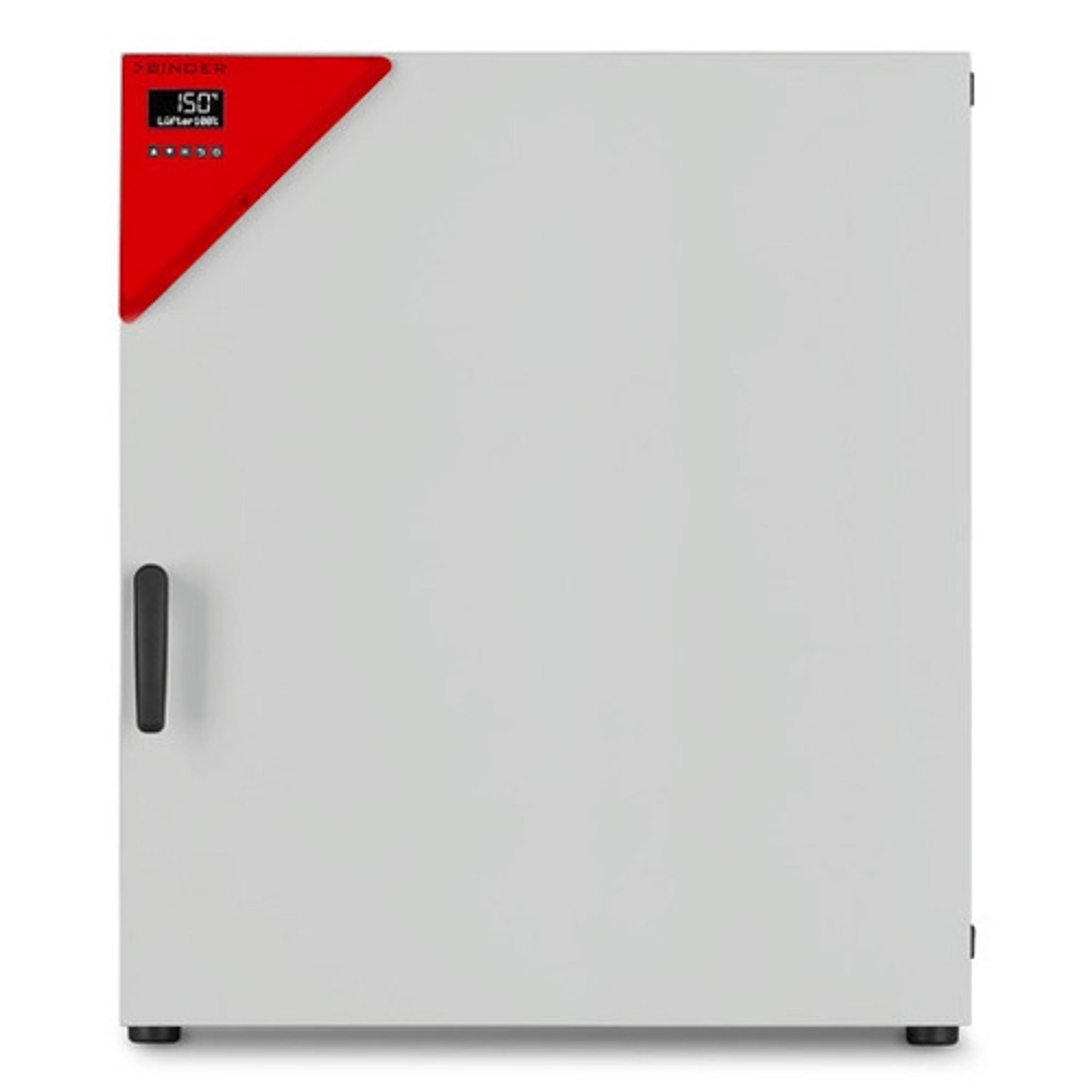
As the coronavirus pandemic continues, the number of people infected is growing, but the supply of face masks is proving increasingly scarce. In response to this, the German government has recommended disinfecting and then drying face masks so that they can then be reused. The Ortenau-Klinikum hospital group in the city of Offenburg has already achieved good results through this practice, with BINDER GmbH drying chambers proving to be the key to this success.
The German government’s pragmatic solution to the shortage of protective equipment in its health care system is being put into practice with drying chambers made by BINDER in Tuttlingen. Federal Minister of Health Jens Spahn has expressed his hope that this remedy will help protect those at the front line in the fight against COVID-19. “Protecting workers in the health service and care sector is our utmost priority. We are delighted to have identified a reliable solution to supply chain issues in this case by acting swiftly and proactively,” said Spahn in a government press release.
The Federal Ministry of Health is now recommending the use of protective face masks with a filter function (FFP2 and FFP3) up to three times. The new method involves personalizing the masks as appropriate, collecting them in an orderly manner, and properly decontaminating them through the application of heat. Drying chambers are able to perform this final stage without reducing the level of protection.
The Federal Ministry of Health suggests exposing masks to dry heat of 65 to 70 degrees Celsius for 30 minutes, as this will deactivate the SARS-CoV-2 virus and thus decontaminate the masks. “This measure has the potential to be used nationwide,” stated the press release, adding: “The decontamination process will eliminate pathogens including coronaviruses.” Importantly, however, the masks being decontaminated must have CE marking as only then will their materials and structure be guaranteed to withstand the process.
Research conducted by the Federal Ministry of Health indicates that face masks designed to cover the mouth and nose can also be reused if they have been properly reprocessed at 65 to 70 degrees Celsius. Operating theaters are the only places where protective gear cannot be reused; the process is suitable for equipment being worn during everyday hospital duties.
The Ortenau-Klinikum in Offenburg has deployed a BINDER drying chamber to combat its shortage of full and half masks supplied by Dräger and Auer. It dries them in the chamber at 45 degrees Celsius for 45 minutes. This follows a disinfection process using a special TopClean M mask washing machine and Sekumatic FDR disinfectant from Ecolab.
BINDER GmbH CEO Peter Michael Binder has stated that the company is ready for action following the Federal Ministry of Health’s recommendation: “We’re working at full production capacity. Hospitals can rely on the drying chambers we provide, and we will do everything we can to support people through the coronavirus crisis.”
Want more of the latest science news straight to your inbox? Become a SelectScience member for free today>>