BMG LABTECH to Present Latest Innovations of Microplate Reading Technology at SBS 2010

5 Apr 2010
Sarah Sarah
Marketing / Sales

Product news

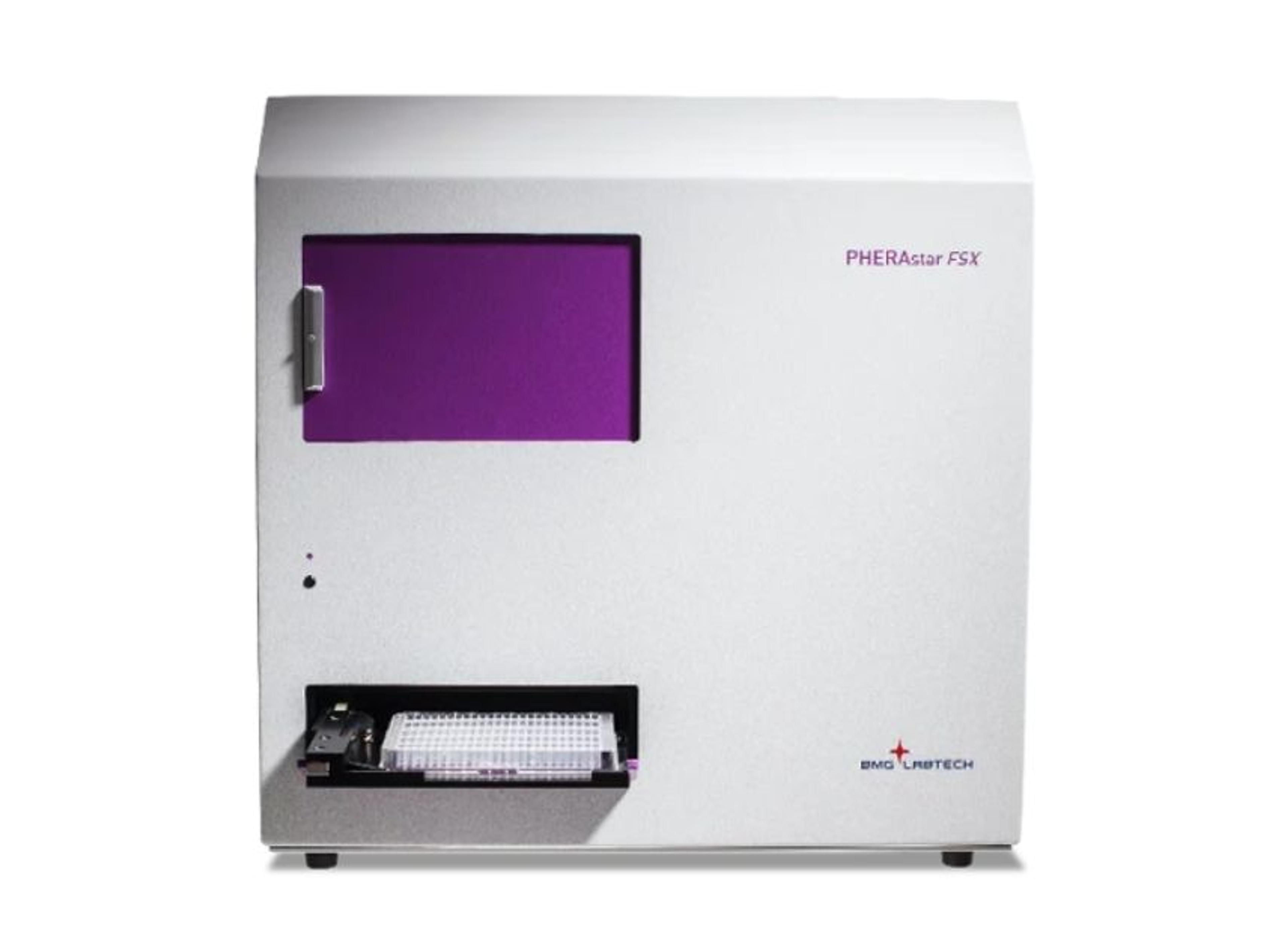
BMG LABTECH is proud to be a Bronze Sponsor of the SBS Conference 2010 and will be presenting a full range of innovative microplate reading technologies, including the ultimate HTS Microplate Reader PHERAstar FS and the newest, most comprehensive Data Analysis Software, MARS. Stop by the booth 817 to discuss your assay with application scientists.

Discover the next-generation in microplate reading from BMG LABTECH in cooperation with Invitrogen, Promega, and The Fluorosome Company at various workshops throughout the conference.

• Investigate GPCR Functional Selectivity with Fluorescence Based Assays from Invitrogen and BMG LABTECH’s PHERAstar FS HTS Instrument. Monday, April 12, 1:40 – 2:15 pm in Room 122 AB
• Profiling Kinases and ATPases Using Promega's ADP-Glo™ Kinase Assay on BMG LABTECH's PHERAstar and FLUOstar Microplate Readers Wednesday, April 14, 8:00 – 8:45 am in Room 122 AB
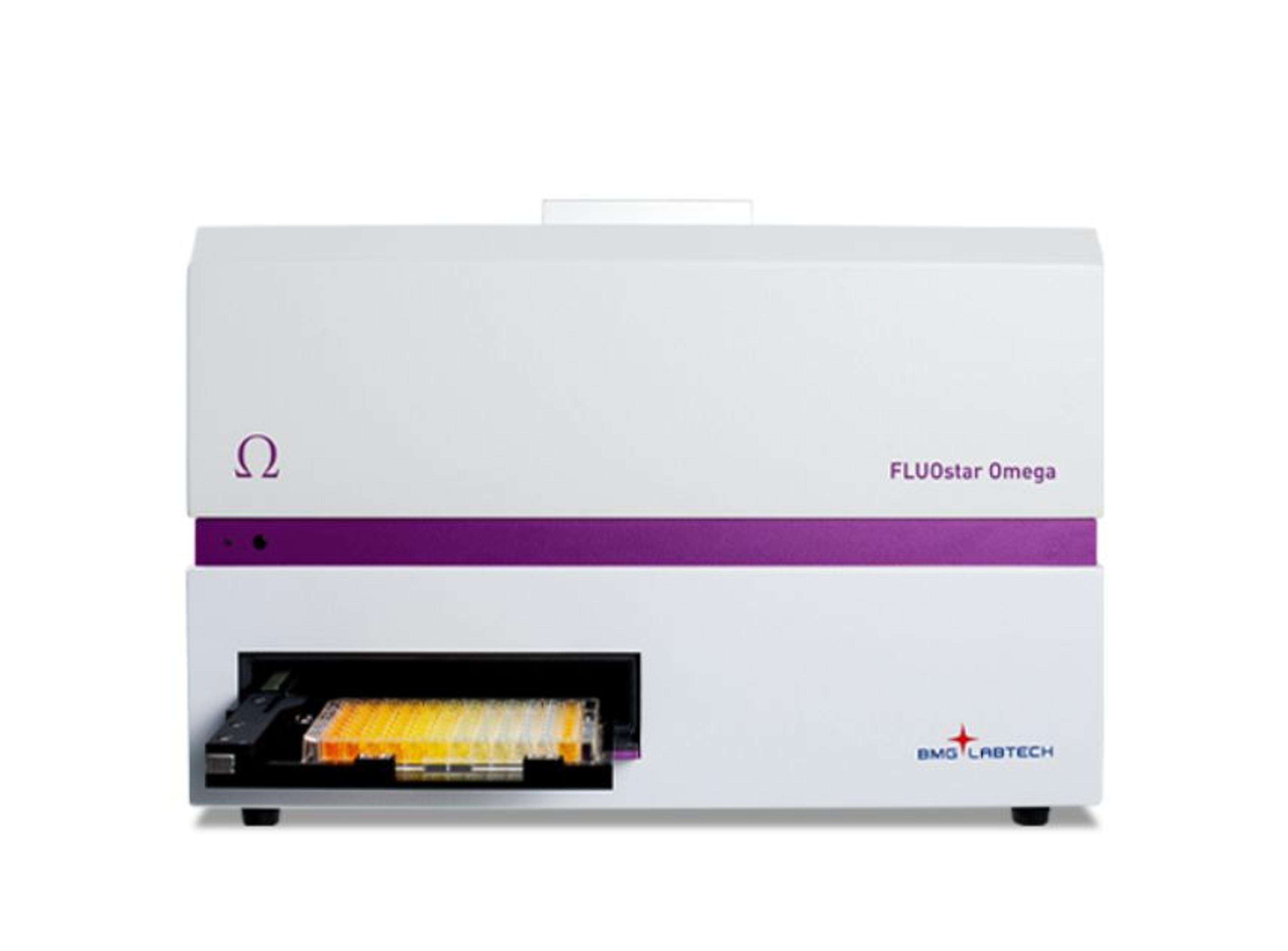
• Fast and Simple Method for Measuring P-Glycoprotein (Ppg) Inhibition - The Fluorosome®-trans-pgp Assay and the FLUOstar Omega Wednesday, April 14, 1:30 – 2:15 pm in Room 127 AB.
BMG LABTECH’s scientific poster presentations include:
• The Transcreener® ADP2 Universal Kinase Assay from BellBrook Labs is Readily Performed on Two BMG LABTECH Microplate Readers Using Different Assay Formats
• A Fast and Simple Method for Measuring P-Glycoprotein (Ppg) Inhibition - The Fluorosome®-trans-pgp Assay and the FLUOstar Omega


BMG Labtech are excited to support the Society for Biomolecular Sciences in its endeavour to foster medical treatment by implementing new drug development and screening strategies. Since the beginning, BMG LABTECH has been committed to providing you with high quality instrumentation for both academic and high-throughput laboratories.

Links

Tags

Genome AnalysisGenomics, the study of genomes, includes functional genomics, evolutionary genomics and comparative genomics. There are many genomic technologies such as DNA sequencing of whole genomes, computational biology and bioinformatics. DNA and nucleic acids must be isolated and concentrated from cells for analysis with kits, automated analyzers and software. Other useful technologies for studying genomics include PCR, microarrays and electrophoresis.MicroplatesMicroplates are multi-well plates used to increase the throughput of biological investigations. The number of wells microplates contain can range from 6 to 3243 wells, with the 96-well format being the most commonly used. Microplates can come tailored for a range of applications including cell culture, PCR, filtration, storage, non-binding surface, protein crystallization, as well as pre-coated, deep well and normal Standard microplates. Additionally, options for microplate colors include clear , black, white or black with clear bottom and white with clear bottom for absorbance microplate reader applications. Find the best microplates for your lab in our peer-reviewed product directory: compare products, check customer reviews and receive pricing direct from manufacturers.ProteomicsProteomics is the systemic bioinformatics study of proteins and amino acids, including their structure, size, function and identification. Tools used in proteomics include chromatography, blotting and gels, protein arrays, mass spectrometry and ELISA and associated analysis software. Analyzers and proteomic systems should be sensitive, high resolution, fast and may be automated for high-throughput.Data AnalysisData analysis hardware and software is available to make data processing straight-forward yet powerful. Data software can be used for math and stats, technical graphing and image analysis. In addition, software is available for specific data analysis of electrophoresis, densitometry, ELISA and DNA sequencing.Protein PurificationProtein purification is a vital step in drug discovery, therapeutics, biotech and life science research. The purification process typically involves subcellular or membrane protein extraction with cell lysis kits, separation of proteins from cell debris by filtration or spin columns, and the isolation of proteins of interest from other proteins and impurities with affinity purification (including fusion protein tags and antibody binding proteins A, G and L), immunoprecipitation or chromatographic methods, such as ion exchange, size exclusion and immobilized metal affinity chromatography. All purification methods come in multiple formats for your laboratory needs, including agarose or magnetic beads, resins, columns and filter plates. Find the best protein purification equipment in our peer-reviewed product directory: compare products, check customer reviews and receive pricing direct from manufacturers.