
BioTek Highlights Microplate Instrumentation Technologies at analytica 2010
17 Mar 2010Product news
The latest microplate instrumentation technologies will be presented. This includes two new microplate reader technologies, the new, patent-pending Synergy™ H4 Hybrid Microplate Reader and the new Epoch™ Multi-Volume Spectrophotometer System. BioTek’s stand will also feature microplate washing and dispensing technologies, such as the ELx405 Magnetic Bead Washer.
The Synergy™ H4 Hybrid Microplate Reader has a unique combination which provides unlimited assay flexibility for current and future microplate-based assays, and also offers full microplate-based fluorescence, absorbance and luminescence technologies. The new Epoch™ Multi-Volume Spectrophotometer System, consisting of the Epoch Microplate Reader and the Take3™ Multi-Volume Plate, for high value, multi-volume, multi-sample solutions for life science laboratories with multiple users and assay types. Epoch uses monochromator-based optics for absorbance measurements from 200-999 nm in 6- to 384-well microplates, and the Take3 allows for measurement of up to sixteen low-volume (2 μL) samples, 1 cm cuvettes, or BioTek’s proprietary BioCell™ 1 cm quartz vessel. Pre-programmed and user-generated programs are controlled via Gen5™ Data Analysis Software.
The ELx405 Magnetic Bead Washer, based on BioTek’s gold-standard ELx405 Microplate Washer, offers high-strength biomagnetic separation in both 384-well and 96-well microplates. A specialized magnet allows uniform and rapid separation of micrometer- and nanometer-scale magnetic beads, and may also be removed to accommodate other microplate-based assay protocols. The EL406™ Combination Microplate Washer Dispenser offers fast and efficient microplate washing and dispensing in 1536-, 384- and 96-well microplates. By combining microplate washing with peristaltic and microprocessor-controlled syringe drive reagent dispensers, researchers can save time, money and valuable laboratory space. Both instruments are controlled via the instrument keypad or Liquid Handling Control™ PC software.
Also featured will be the BioStack™ automation modules, which can be connected to BioTek’s microplate instruments for increased speed, flexibility and unattended operation.
Visit BioTek in Hall 3, booth 330 to find out more.
Related products
Request Quote for All Products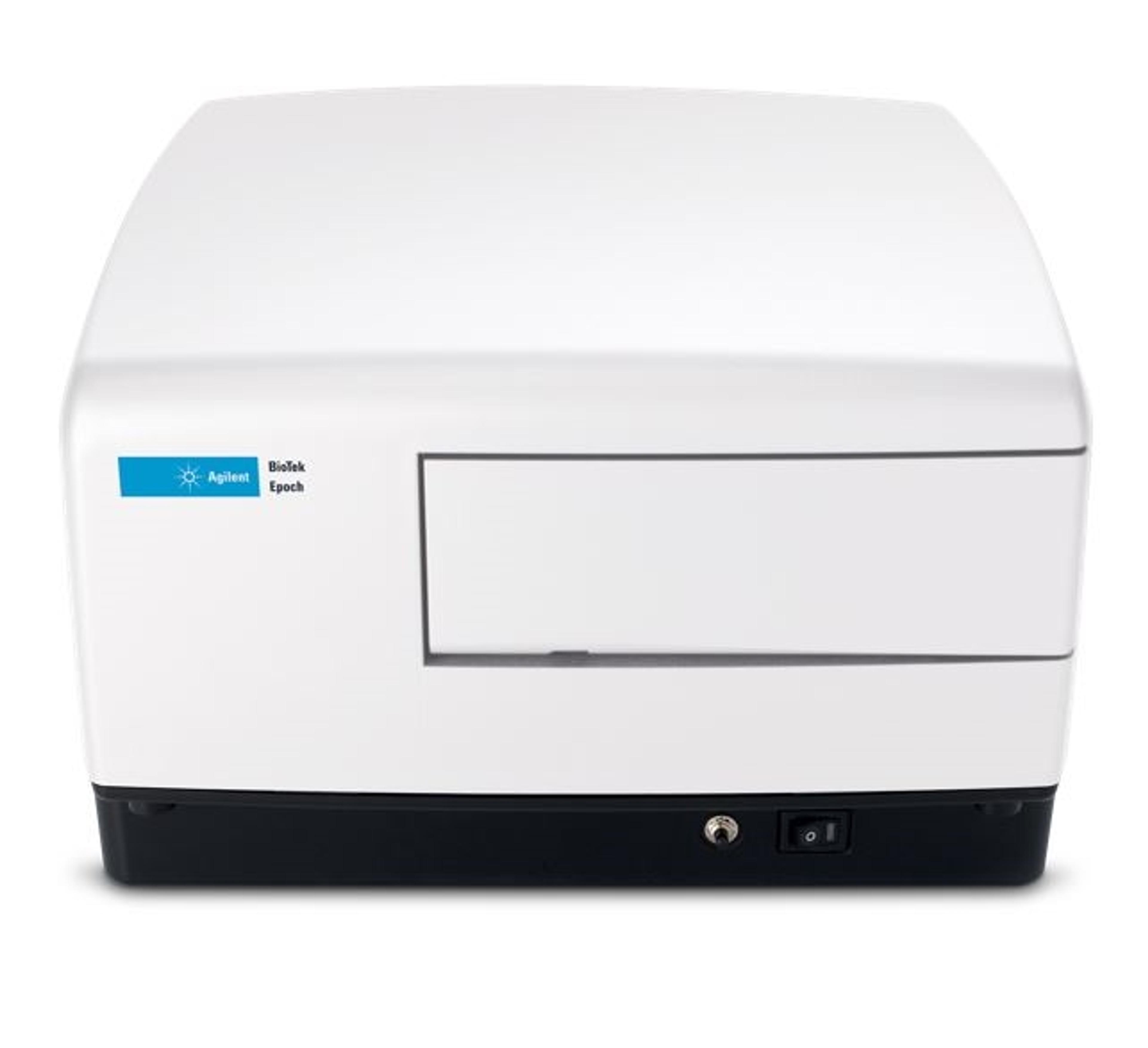
Agilent BioTek Epoch Microplate Spectrophotometer
Agilent TechnologiesThe Agilent BioTek Epoch microplate spectrophotometer has monochromator-based optics, for a filter-free, wide wavelength range for UV-Vis absorbance measurements. These measurements can be done in many microplate formats and in 2 µL samples when the available Take3 microvolume plate is used.
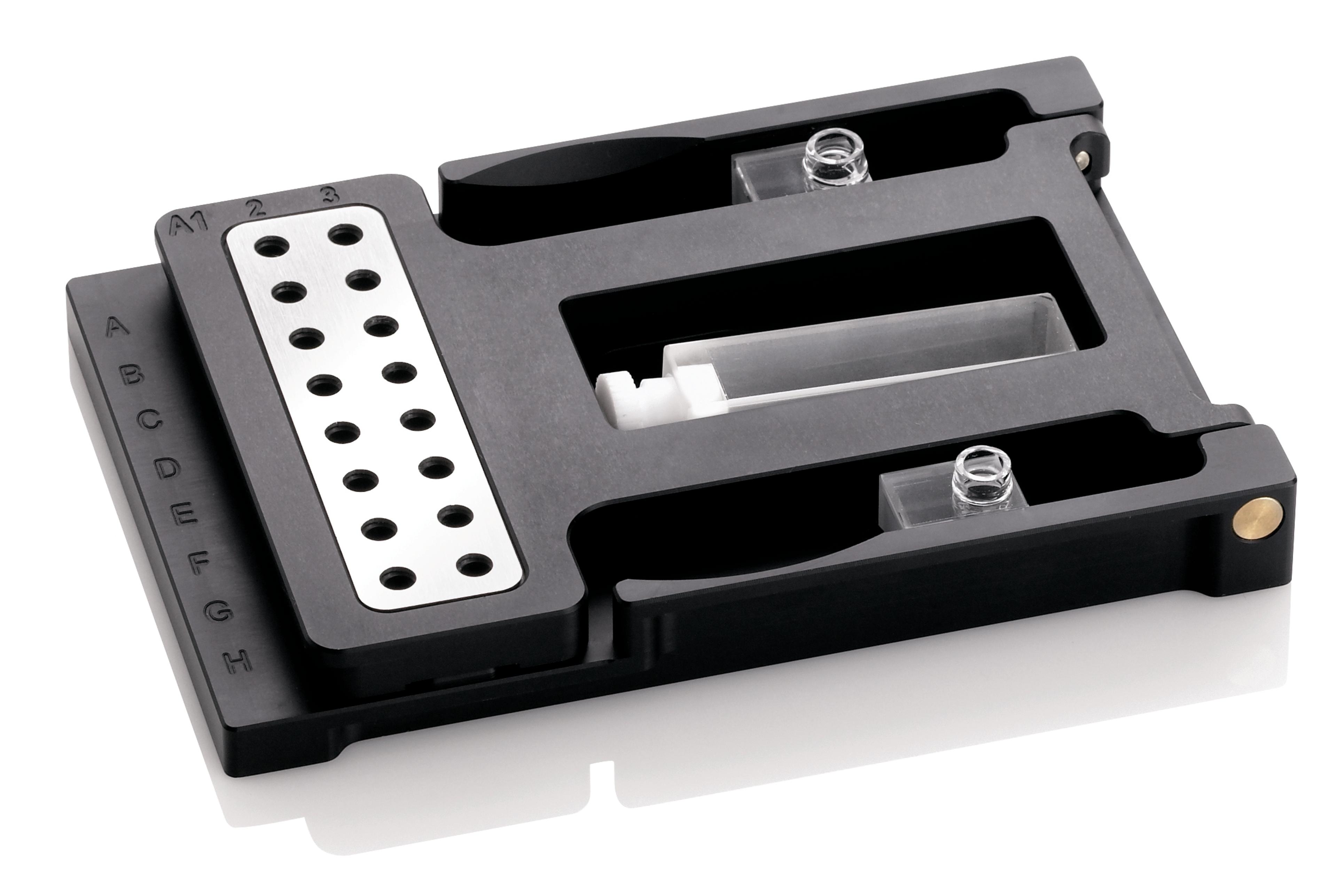
Agilent BioTek Take3 & Take3 Trio Microvolume Plates
Agilent TechnologiesTake3 Micro-Volume Plates can measure up to 16 or 48 2 µL samples at a time

Agilent BioTek Liquid Handling Control (LHC) Software
Agilent TechnologiesAgilent BioTek Liquid Handling Control (LHC) software is a powerful yet flexible interface for use with Agilent BioTek washers, dispensers, and combination liquid handling systems. LHC software makes it easy to program even the most complex protocols with a choice of deployment. These protocols can be run directly from the computer or downloaded to the instrument for convenient onboard recall and operation.