
BioReliance Launches Next-Generation Genotoxicity Screening Service
13 Sept 2007Product news
BioReliance Corporation, a leading contract services organization for the biopharmaceutical and pharmaceutical industries, has contracted with Gentronix to offer their GreenScreen HC in vitro assay as a major part of BioReliance’s portfolio of genotoxicity screening services. GreenScreen HC, in conjunction with Ames II assays, allows pharmaceutical companies to test for genotoxic potential earlier in the preclinical development process, using only a few milligrams of test compound as opposed to the gram quantities required by current ICH regulatory tests.
John Nicholson, Chairman and CEO of Gentronix, comments, "We are delighted to complete this agreement with BioReliance, a company regarded as a global leader in genetic toxicology testing services." “This new high-throughput assay from Gentronix furthers BioReliance’s ability to meet customer demand for faster and more-effective genotoxic screening services,” adds David Bruning, Senior Director, Toxicology Operations at BioReliance. “The GreenScreen HC and Ames II assays, when combined, offer highly predictive and sensitive detection of genotoxic compounds while minimizing false positives seen with other in vitro assays, accelerating the development process.”
GreenScreen HC is a unique human cell-based genotoxicity screening assay that links the regulation of the human Growth Arrest and DNA Damage (GADD45a) gene to the production of Green Fluorescent Protein (GFP). Cells that have incurred DNA damage upon exposure to a test compound express higher levels of detectable GFP.
GreenScreen HC only requires 1 mg of starting material to demonstrate high specificity, in contrast to other in vitro genetic toxicology assays that often provide false positive results. GreenScreen HC is able to detect multiple mechanistic classes of genotoxic agents, including aneugens, and is easily adapted to automatic robotic platforms.
Related products
Request Quote for All Products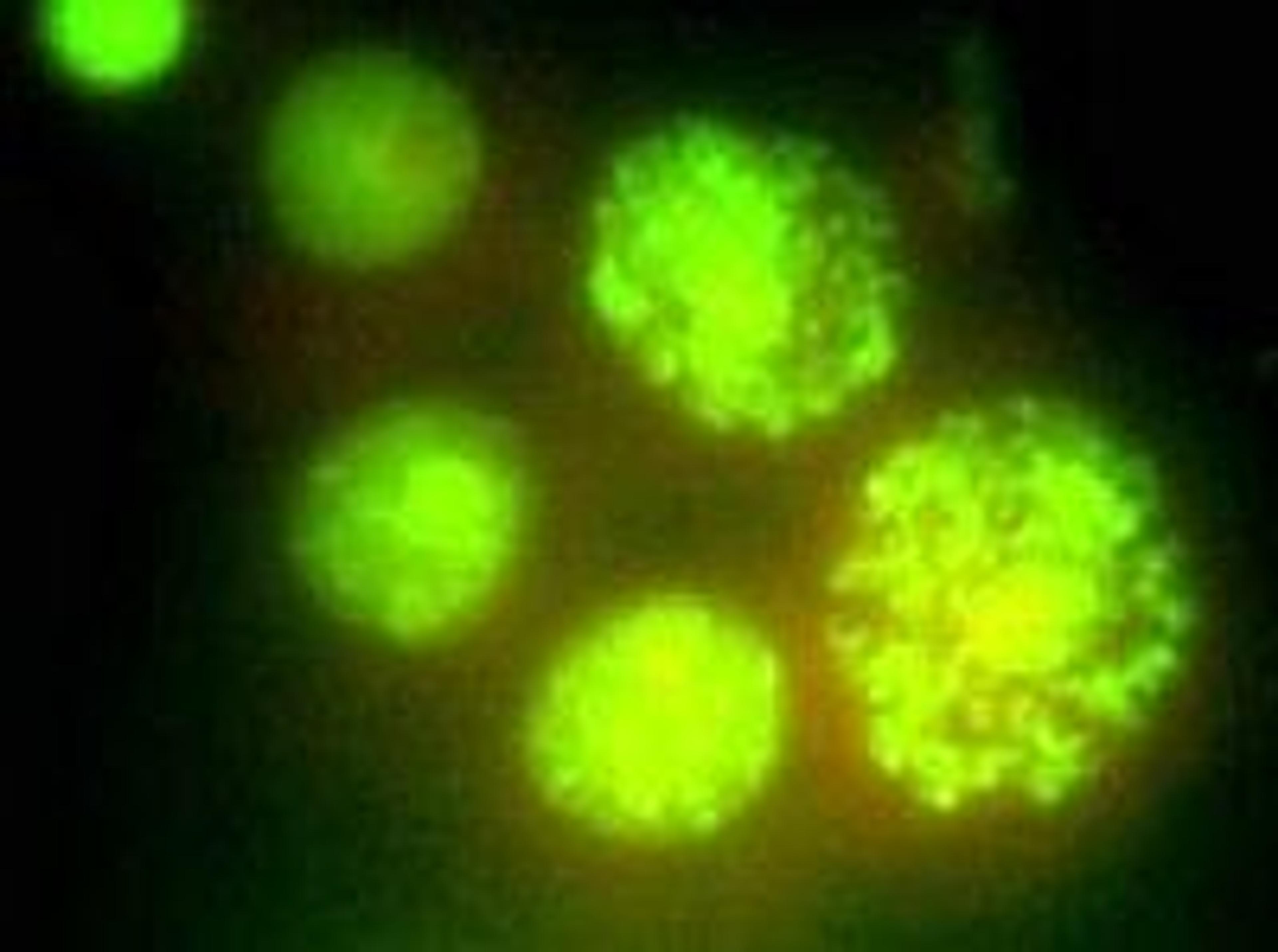
GreenScreen HC
Gentronix Ltd.Gentronix has launched a new, accurate and fast in vitro mammalian cell genotoxicity assay - GreenScreen HC. The TK6 host cells are p53 competent and familiar to most genetic toxicology laboratories. A patented GFP reporter system exploits the proper regulation of the GADD45a gene. The assay delivers both high specificity and high sensitivity and detects all common mechanistic classes of genotoxin. The 96-well microplate format takes about 20 minutes to prepare and delivers results after a 48 hour incubation. A single microplate is sufficient for the simultaneous testing of 4 compounds over 9 serial dilutions. The protocol is also readily automated using standard laboratory liquid-handling equipment. The Biology GADD45a mediates the adaptive response to genotoxic stress. The patented GFP fluorescence reporter includes complex regulatory elements. The assay gives positive results for direct acting agents, as well as aneugens, and topoisomerase and polymerase inhibitors. Importantly the assay gives correct negative results for non-carcinogens, including many which give misleading positive results in other in vitro tests. The Assay Protocol Nine, 2-fold dilutions of each compound together with positive controls are set out in the microplate and growing cells are added to each well. After incubation and measurement in a microplate reader, simple software gives automated decisions and a clear graphical output. Validation A unique combination of both high-specificity and high-sensitivity genotoxicity assessment in a human cell line has been demonstrated. See: High-specificity and high-sensitivity genotoxicity assessment in a human cell line: Validation of the GreenScreen HC GADD45a-GFP genotoxicity assay. Hastwell P.W. et al (2006) Mutation Research 607: 160-175.