Biopharma techniques to advance new drug modalities

Explore the latest technologies and techniques that will help you advance biopharma pipelines

7 Apr 2024

Sarah Thomas
Associate Editor

Editorial article

Biopharma techniques and technologies are evolving to keep up with the latest drug modalities and research trends, as well as streamlining traditional biopharma development, from the analysis of antibody therapeutics to development of cell and gene therapy. As therapeutics become more complex, there is an increasing need for a range of methods and in-depth, data-rich approaches that will help develop the most effective therapies. As part of the SelectScience® Biopharmaceuticals editorial feature, we highlight a number of emerging therapeutic modalities that are set to be future stars of biopharma and explore challenges faced in their development as well as some of the latest laboratory technology solutions addressing these hurdles.
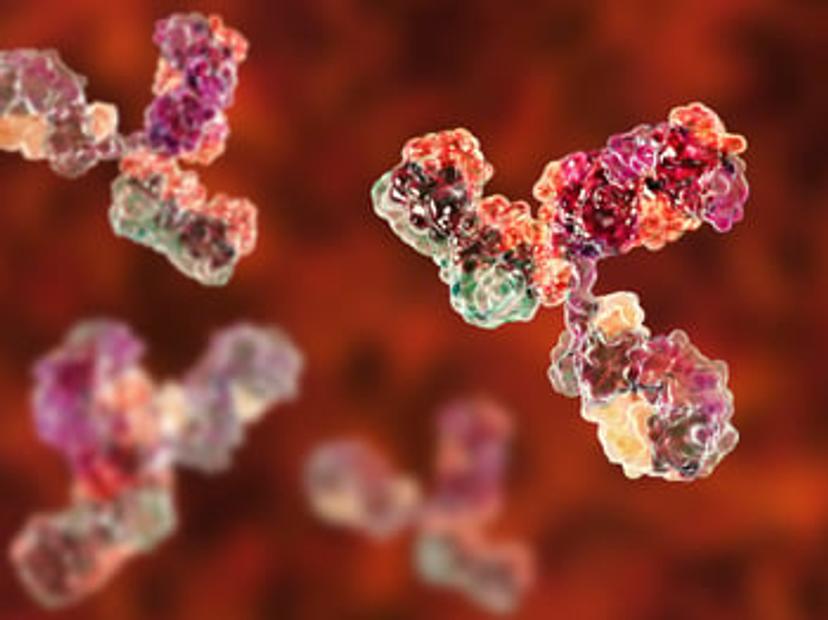
Image of antibodies
The analysis of next generation antibody therapeutics requires advanced analytical methods. Image ©Kateryna Kon @123rf.com

Antibody therapeutics

Antibody engineering has expanded the potential of targeted and specific antibody therapeutics for a range of diseases. The complex nature of these protein-based therapies, which include monoclonal antibodies as well as next-generation modalities such as antibody-drug conjugates, bispecific and multispecific antibodies, has enlisted the use of advanced engineering and bioanalytical methods. Here, we look at some of the key steps of antibody therapeutic development and technology being used to overcome challenges.

Molecular interaction characterization

The analysis of biomolecular interactions continues to play a key role in determining the binding affinity of antibody therapeutics which can impact how a therapy may work. In a recent article, Jiseon Kim, Senior Scientist at ProGen, explains how advanced biophysical analysis platforms provide the speed needed for screening studies in the early stages of bispecific antibody development.

Mechanisms of action

Analyzing the mechanisms of action of therapeutic antibodies is also an important step to ensure drug safety and efficacy. In early stages of therapeutic development, challenges faced include the suitability of the chosen experimental model to replicate human immune response. In vitro cell-based assays provide an important solution to ensure your drug elicits the intended effects in a physiological environment. However, it is essential to ensure that you use a robust and reliable cell line, as highlighted by Dr. Peter Wolff, Implementation Scientist, AGC Biologics, when he discusses his work on therapeutic bispecific antibodies in immuno-oncology. Humanized rodent models that have been engrafted with a humanized immune system provide another option for oncology studies in vivo. Learn more about how humanized models have been applied in lead optimization of monoclonal antibody and bispecific antibody therapeutics.

Cell line development

There have been numerous developments to create the stable cell lines required for antibody therapeutic production. One challenge faced is ensuring the quality of cell lines at an optimized cost, and consequently, the need to identify the most effective cell lines as early as possible. Microfluidics technology which enables high-throughput experiments using minimal samples and materials, can identify high-producing cells from a large pool. A recent article with Richard Hammond, Chief Technical Officer at Sphere Fluidics further explores this topic and how microfluidic technology can increase the efficiency of daily laboratory processes in cell line development for the production of various biopharmaceutical products.

During clone selection, cells must be well characterized to ensure they are capable of producing therapeutics with the desired qualities. A video interview with scientists at Lonza delves further into the tools used to develop cell lines that have been optimized to have increased potency in immunotherapy and to mitigate challenges faced in bispecific antibody manufacturing.

Undesirable antibody qualities must also be analyzed during clone selection. For example, post-translational modifications (PTMs) can affect antibody performance, consequently early detection is essential. Explore how new technology that combines imaged capillary isoelectric focusing (icIEF) with UV/MS detection, is used by scientists at Johnson & Johnson Innovative Medicine to identify PTMs earlier in clone selection, allowing them to integrate a mitigation strategy to move that clone forward, saving time and resources downstream.
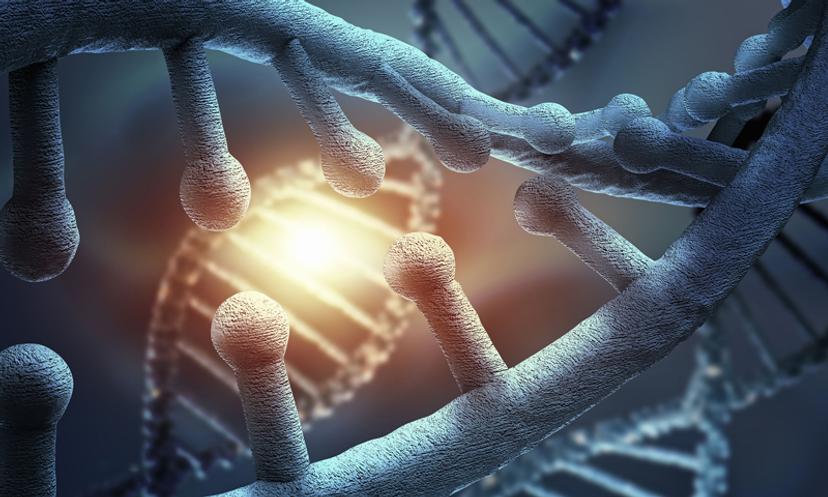
Cell and gene therapies aim to correct disease at the genetic level. Image ©Sergey Nivens @123rf.com

Cell and gene therapy

Cell and gene therapies have opened a world of personalized treatment for diseases where there are currently no effective therapeutics or cures, including rare genetic diseases as well as cancers, neurodegenerative disease, and autoimmune disease. These one-time therapies are designed to correct disease at the molecular level. Advances in genetic engineering methods, including CRISPR, have paved the way for revolutionary therapeutics like Casgevy™, the world’s first CRISPR-based gene therapy, approved for use in the UK in November 2023.

Cell and gene therapies encompass a range of complex products that are produced using different editing tools, cell lineage and delivery vectors. Consequently, each therapy requires its own detailed characterization using a host of different biological and analytical techniques.

Omics methods to advance cell and gene therapy

Omics technologies have established a key role along the development pipeline. For example, genomics and proteomics methods provide powerful tools to characterize the viral vectors used to deliver gene therapies, along with the cells that produce them. In a SelectScience podcast, Dr. Mimi Roy, an expert working at the cutting edge of gene therapy development for rare diseases, highlights the use of mass spectrometry in proteomics studies to understand disease and therapeutic effect. This technology also plays a key role in detecting empty versus fill viral vectors, an important stage of therapy development as empty vectors can impact therapeutic efficacy and safety. Single-cell multi-omics technologies that can simultaneously measure genomics, transcriptomics and proteomics within individual cells are also becoming increasingly important in the analysis of treatment response in patients, as discussed in this video interview with Dr. Priya Chockalingam, Vice President, Head of Clinical BioAnalytics & Translational Sciences, Beam Therapeutics.

Quality control of advanced therapeutics

Other challenges facing the development of cell and gene therapy includes standardization across the industry. BioPhorum recently highlighted important updates being made to define critical quality attributes for mRNA therapies and viral clearance in cell and gene therapy. Regulatory compliance remains a key concern for therapy developers. An on-demand SelectScience Accelerating Science Forum featuring a panel of industry experts explores this topic further, along with the challenge of ensuring longevity of therapies.

Explore the latest biopharma techniques and technologies to advance research and development in our Biopharmaceuticals editorial feature.

Links

Tags

Mass SpectrometryMass spectrometry (MS) is a powerful analytical technique used to identify and quantify molecules based on the mass-to-charge ratio of gas-phase ions. It provides detailed information about the structure, composition, and properties of compounds and is widely used across fields such as environmental monitoring, materials science, drug discovery and development, food and beverage testing, and wider chemical research. Key MS techniques include tandem mass spectrometry (MS/MS), liquid chromatography–mass spectrometry (LS-MS) and inductively coupled plasma (ICP-MS). Choosing from these wide range of techniques and technologies can be a daunting task, so keep up to date with scientific applications, performance expectations, and customer reviews here all in one place. Visit our product directory to receive quotes direct from the manufacturer. AntibodiesAntibodies are used in techniques such as confocal and fluorescence microscopy, flow cytometry, ELISA, ELISPOT, immunohistochemistry, western blotting and immunopreciptation. Select specific antigen reactivity, high specific affinity, low non-specific binding, monoclonal or polyclonal, primary or secondary antibodies and associated conjugates such as an enzyme or dye for visualization.Genome AnalysisGenomics, the study of genomes, includes functional genomics, evolutionary genomics and comparative genomics. There are many genomic technologies such as DNA sequencing of whole genomes, computational biology and bioinformatics. DNA and nucleic acids must be isolated and concentrated from cells for analysis with kits, automated analyzers and software. Other useful technologies for studying genomics include PCR, microarrays and electrophoresis.ProteomicsProteomics is the systemic bioinformatics study of proteins and amino acids, including their structure, size, function and identification. Tools used in proteomics include chromatography, blotting and gels, protein arrays, mass spectrometry and ELISA and associated analysis software. Analyzers and proteomic systems should be sensitive, high resolution, fast and may be automated for high-throughput.PCR and Thermal CyclingPolymerase chain reaction (PCR) kits and thermal cyclers are used for the in vitro amplification of DNA permitting subsequent analysis and experimental procedures. Explore a range of high-quality polymerase, primers and nucleotides or simplify your workflow with a PCR mastermix. Find reverse transcription PCR (RT-PCR) and cDNA synthesis kits for RNA products and libraries. Quantitatively measure the amplification of DNA with real-time PCR (qPCR) and droplet digital PCR (ddPCR) kits and systems, and discover automated PCR setup solutions to increase throughput. Alternative DNA amplification methods also include recombinase polymerase amplification (RPA) kits. Find the best PCR kits and thermal cyclers and purification equipment in our peer-reviewed product directory: compare products, check customer reviews and receive pricing direct from manufacturers.Cell Lines Stem Cells and Primary CellsPrimary cell cultures, established cell lines and stem cells are vital for <i>in vitro</i> and <i>ex vivo</i> experimentation. High-quality cells, optimized for your applications, alongside optimized cell substrates, growth medium and supplements, are critical for experimental success. Explore a range of cells suitable for your applications, including isogenic cell lines, competent cells, induced pluripotent stem cell (iPSC)-derived cell lines, fungal/bacterial/mammalian cell lines, stem cells and cancer cell lines. Find the best cells for your research in our peer-reviewed product directory: compare products, check customer reviews and receive pricing direct from manufacturers.ADME-ToxicologyADME-toxicology (ADME-Tox) studies are used in pharmacology and pharmacokinetics to assess the activity/toxicity of drugs <i>in vivo</i> or <i>in vitro</i>. Find bioassays for absorption, distribution, metabolism, and excretion of drug molecules including cytotoxicity, transporter/permeability, metabolism and activity assays as well as hepatocytes and cell lines for ADME. Find the best ADME-toxicology products in our peer-reviewed product directory: compare products, check customer reviews and receive pricing direct from manufacturers.Cell-Based AssaysCell-based assays are used to monitor the presence, quantity and activities of a desired cellular analyte including drug molecules or biomarkers. This can reveal information on cell health (apoptosis, cytotoxicity, viability and proliferation assays), cell metabolism, cell migration and cell signaling mechanisms. Find the best cell-based assay products, kits and equipment with our peer reviewed product directory: compare products, check customer reviews and receiving pricing direct from manufacturers.DNA SequencingDNA sequencing, such as sanger sequencing, is a biological technique that determines the precise order of nucleotide bases in a fragment or template of DNA. DNA sequencers and genetic analyzers are based on capillary electrophoresis, where labeled DNA fragments are electrophoretically separated by size as they migrate through a polymer. Find the best DNA sequencing products, including DNA sequencing kits, genomic libraries and genetic identity kits in our peer-reviewed product directory: compare products, check customer reviews and receive pricing direct from manufacturers.BiomarkersBiomarkers are biological markers which can be measured and evaluated to indicate a biological state. The use of biomarkers in research and diagnosis can indicate a normal or disease state or drug response of cells / tissues. Biomarkers include genetic markers, cell surface markers such as antigens, antibodies or receptors and secreted molecules such as cytokines. An assay system is required for identification of biomarkers. :Next Generation SequencingNext-generation sequencing (NGS), also known as whole-genome sequencing, high-throughput sequencing and massive parallel sequencing, produces and analyses thousands to millions of nucleotide sequences at once. Sequencing systems operate via varying technologies depending on the manufacturer, including sequencing by synthesis, ligation, pyrosequencing, ion semiconductor and single-molecule real-time sequencing. For NGS, library preparation is paramount to successful sequencing. In this section, explore a range of library preparation kits, from targeted, amplicon-based or hybridization-based kits including epigenomic, transcriptomic and genomic workflows to fragmentation kits. Find the best next-generation sequencing products in our peer-reviewed product directory: compare products, check customer reviews and receive pricing direct from manufacturers.Animal ModelsThe use of non-human animals in experiments or behavorial observations. The research is conducted inside universities, medical schools, pharmaceutical companies, farms, defence establishments, and commercial facilities that provide animal-testing services to industry. It includes pure research such as genetics, developmental biology, behavioral studies, as well as applied research such as pharmaceutical testing in pre-clinical, before human, studies. BiopharmaceuticalsBiopharmaceuticals are proteins and other compounds (such as nucleic acids) produced by living organisms that have uses as therapeutics or for in vivo diagnostics. The most well known example of a biopharmaceutical product, and the first to be approved for therapeutic use, was recombinant human insulin.Cell TherapyCell therapy involves using living cells to treat diseases, often by replacing damaged cells or stimulating regeneration. Stem cell therapy and CAR-T cell therapy are examples of cutting-edge treatments in regenerative medicine and cancer immunotherapy. Browse our peer-reviewed product directory to find the best cell therapy tools, compare products, check reviews, and get pricing directly from manufacturers.Therapeutic AntibodiesTherapeutic antibodies are antibodies engineered for use in treating diseases. They can be designed to target specific antigens, blocking harmful interactions or modulating immune responses. Therapeutic antibodies are critical in treating conditions like cancer, autoimmune disorders, and infectious diseases. Explore the best therapeutic antibody products in our peer-reviewed product directory; compare options, check reviews, and get pricing directly from manufacturers.
Biopharma techniques to advance new drug modalities