Bio-Rad Launches its scATAC-Seq Solution
High capture efficiency and sensitivity of scATAC-Seq assay demonstrated in Nature Biotechnology study
27 Jun 2019
Product news
Bio-Rad Laboratories, Inc. has announced the launch of its scATAC-Seq solution, a single-cell assay for transposase-accessible chromatin using sequencing. Findings published in Nature Biotechnology demonstrate its high capture efficiency and sensitivity for profiling of gene regulation of individual human cells.
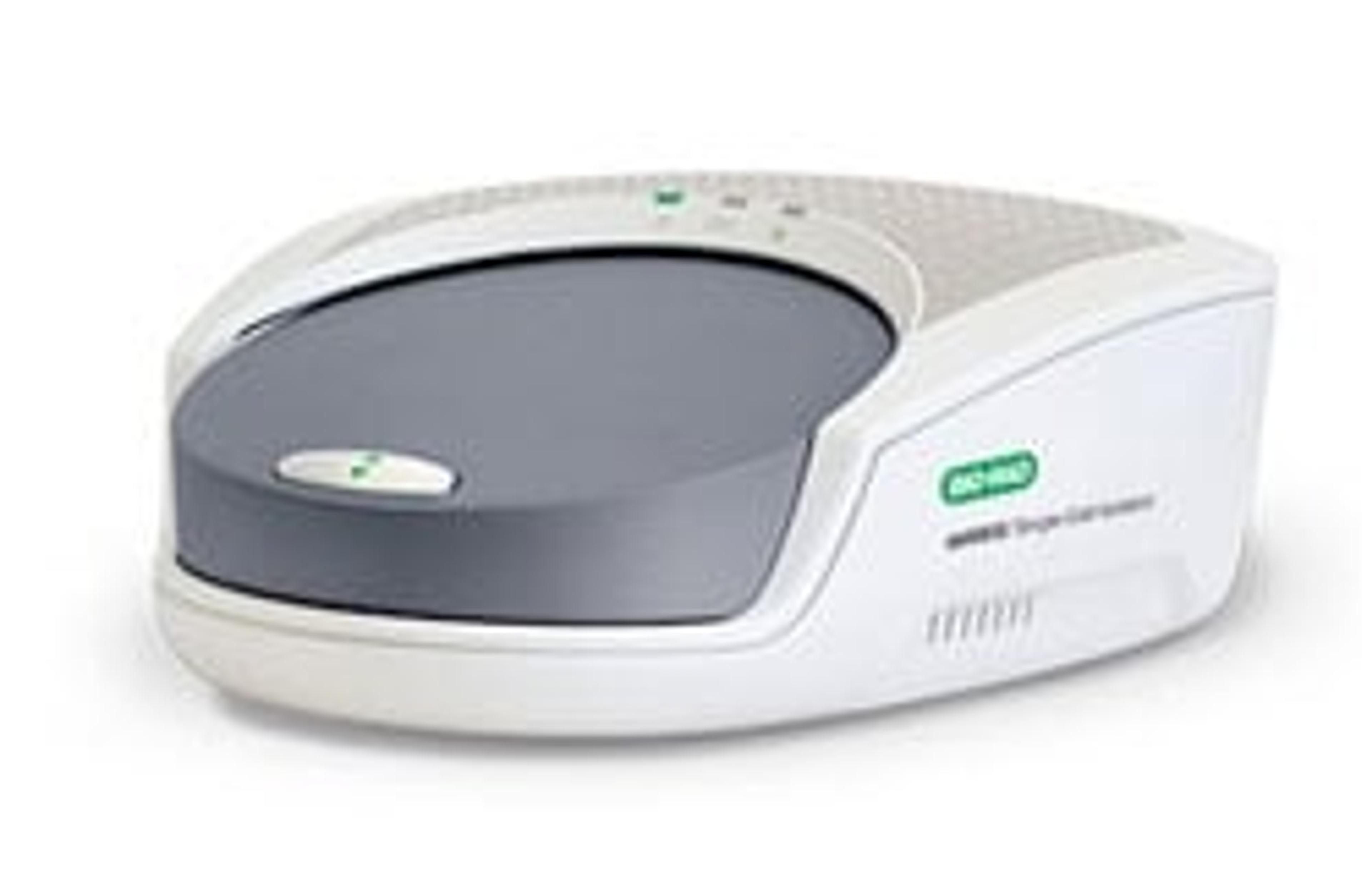
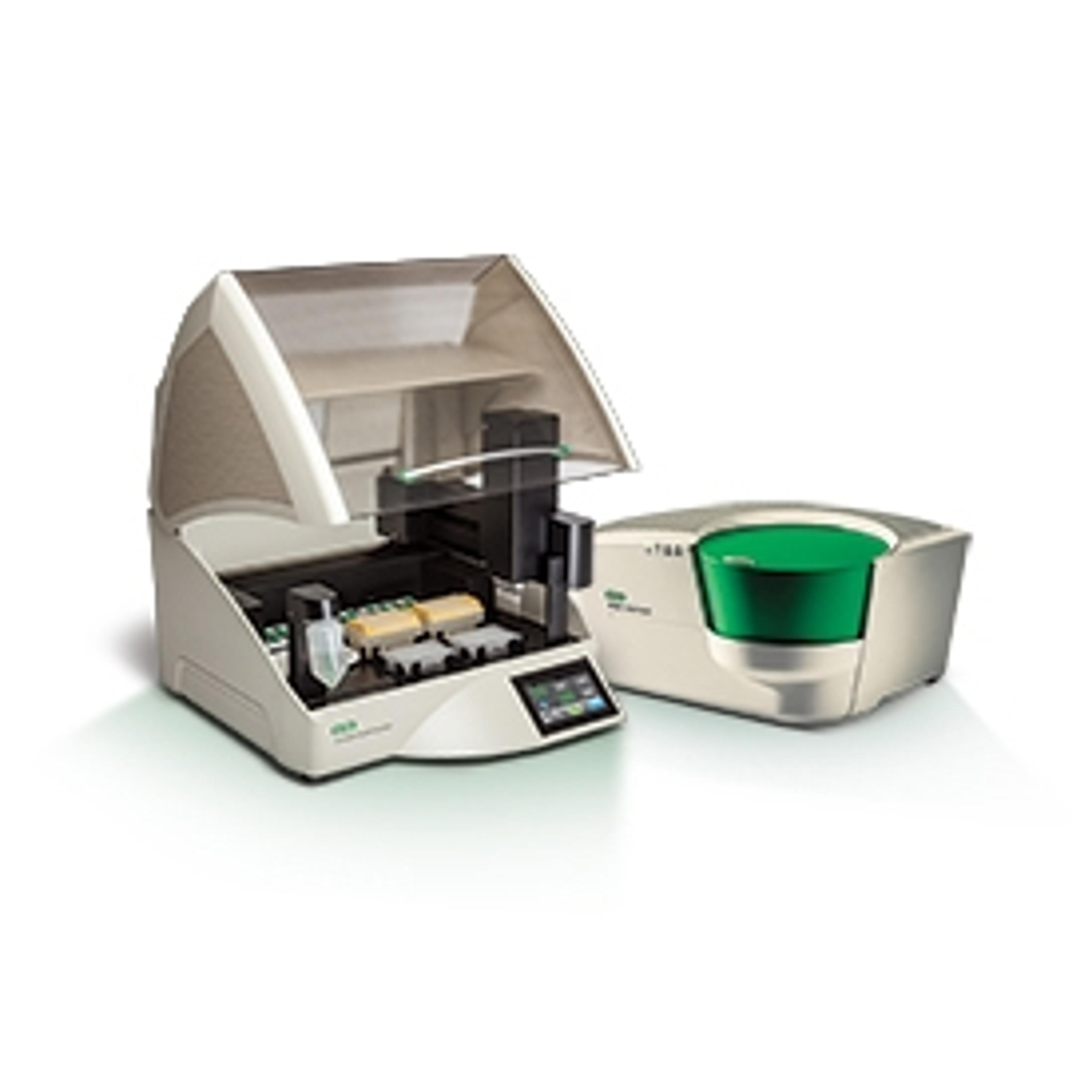
The scATAC-Seq assay offers researchers a tool to map the epigenetic landscape at single-cell resolution to gain a deeper understanding of the molecular mechanisms behind healthy and disease processes in the body. The product harnesses the power of the ddSEQ Single-Cell Isolator and Bio-Rad’s Droplet Digital technology to partition thousands of nuclei or whole cells into individual nanoliter-sized droplets to facilitate library preparation for ATAC sequencing. The solution also includes a flexible bioinformatics pipeline for data analysis.
“Our product offers users the greatest sensitivity possible by providing the highest number of unique sequencing fragments that map to the nuclear genome, ATAC peaks, and transcription start sites,” said Carolyn Reifsnyder, Director of Global Marketing for Bio-Rad’s Digital Biology Group. “With a cell capture efficiency of up to 95%, as demonstrated in the paper published June 24 in Nature Biotechnology, we are confident that Bio-Rad provides a powerful tool to help researchers understand the factors that shape cell differentiation and cell fate.”
In the Nature Biotechnology study, Harvard University and Bio-Rad researchers used scATAC-Seq to generate chromatin accessibility profiles of more than 500,000 cells from the mouse brain, human bone marrow, and blood. This is the most comprehensive cell atlas of the mouse brain to date using scATAC-Seq.
Bio-Rad collaborated with Jason Buenrostro, PhD, assistant professor in Harvard’s Department of Stem Cell and Regenerative Biology, co-author of the paper and ATAC-Seq inventor, to develop the novel approach to single-cell ATAC-Seq profiling.
“This droplet approach will be available to biomedical researchers in all fields as an off-the-shelf technology, and I’m really proud that we helped it get to this stage,” said Buenrostro.
The research detailed in the Nature Biotechnology paper also includes a novel barcoding method to increase the number of cells that can be assayed tenfold or more.
“In this study, we also developed a method within the method,” Buenrostro said. “It changes the questions one can ask and how quickly answers can be found; using the scATAC-Seq solution, I think we’re going to see research moving much more rapidly now.”
In addition to Buenrostro’s team, the scATAC-Seq solution has also given early access customers the power to study rare cell populations, opening up new applications such as the ability to study tumor heterogeneity or identify rare cell types in blood.
“We need to comprehensively analyze cell populations at the single-cell level in order to precisely define all cell types and gain a true understanding of developmental processes,” said Debbie Goode of Resurgo Genetics, PhD, an early access tester of the scATAC-Seq solution. “The solution allows us to roadmap the entire regulatory landscape of the genome across thousands of cells, transforming genomics research into an ever more powerful tool to answer fundamental biological questions.”
Do you use Bio-Rad products in your lab? Write a review today for your chance to win a $400 Amazon gift card>>