Bio-Rad Highlight the Use of Droplet Digital PCR Technology for Liquid Biopsies in Cancer Research at AACR 2017
Booth #2439
2 Apr 2017
Industry news
New research demonstrating the pivotal role of Bio-Rad’s Droplet Digital PCR (ddPCR) technology in detecting cell-free DNA and RNA biomarkers in cancer liquid biopsies will be presented at the American Association for Cancer Research (AACR) Annual Meeting, Washington D.C., April 1-5.
“Liquid biopsy as an application of ddPCR has become quite routine over the past few years,” said Viresh Patel, PhD, Marketing Director, Bio-Rad Laboratories Digital Biology Group. “Wherever you can find traces of cancerous DNA or RNA, whether in blood as cell-free nucleic acids, or in circulating tumor cells, or even in urine or stool samples, research groups are applying ddPCR to detect and quantify these cancer biomarkers. Droplet digital PCR is an ultra-sensitive and quantitative method for determining how genetic changes influence cancer development and response to treatment.”
More than 50 scientists from around the world will present their research on disease detection, and tracking progression and treatment responses in patients with lung, bladder, colorectal and other cancers via ddPCR.
Notable research highlights at the meeting include the following poster presentations:
Understanding Resistance Mechanisms in Lung Cancer Using ddPCR
This poster (abstract #4112) will be presented on Tuesday, April 4, from 1-5 PM during the Molecular Targeted Therapies 2 session.
Resistance to therapy in cancers can take many forms and significantly impact prognosis. To better understand different resistance pathways, Geoffrey Oxnard, MD, and his team at the Dana-Farber Cancer Institute and Harvard Medical School are using ddPCR to analyze the step-by-step genetic changes in non-small cell lung cancer (NSCLC).
Oxnard’s team tested the plasma of patients whose NSCLC acquired resistance to a third-generation EGFR tyrosine kinase inhibitor, osimertinib, and discovered that the loss of the T790M mutation in tumor cells could be associated with occurrence of early resistance to the drug. The treatments failed four times faster in patients who lost the mutation compared to those whose cancers retained the mutation. The research team at Dana-Farber is using this liquid biopsy data to map mechanisms against outcomes and determine how to practically supplement the standard of care with continuous serial monitoring of treatment response.
“While liquid biopsy to test for EGFR T790M is now a standard approach for managing drug resistance in lung cancer, our data suggest a role for repeat testing after treatment of the T790M mutation to help guide the next steps in a patient’s care,” said Oxnard.
Serial Monitoring of Bladder Cancer Using ddPCR
This poster (abstract #2752) will be presented on Monday, April 3, from 1-5 PM, during the Liquid Biopsies 2: cfDNA session.
Serial disease monitoring in patients with bladder cancer is important for early diagnosis of progression and metastasis as well as for optimal therapeutic treatment. Traditionally, cystoscopy has been used as the primary diagnostic modality for bladder cancer. The invasive, painful, and embarrassing procedure motivated Emil Christensen, PhD, and his team at Aarhus University Hospital in Denmark to use liquid biopsy as a sensitive and non-invasive monitoring technique. The team developed and used ddPCR assays to screen for two hotspot mutations – FGFR3 and PIK3CA – during disease surveillance in patients with bladder cancer. Liquid biopsy testing of urine and plasma samples was carried out over 10 years to gather relevant data. Their findings showed high levels of tumor DNA to be significantly associated with later disease progression and recurrence.
“Our liquid biopsy analysis revealed that FGFR3 and PIK3CA hotspot mutations are indicative of aggressive disease in bladder cancer patients,” said Christensen. “We believe these assays can provide an optimal supplement to current methods of monitoring disease progression and metastasis.”
ddPCR Technology Used for Research Across Multiple Cancer Types
Three additional outstanding presentations highlight the use of ddPCR technology to probe other cancer types:
- Pancreatic Cancer: Researchers from the University of Tokyo, Japan, will present a highly sensitive procedure for detecting circulating repetitive RNA as a novel early marker of pancreatic cancer. This poster (abstract #730) will be presented on Sunday, April 2, during the session Early Detection.
- Colorectal Cancer: Researchers from Yamaguchi University, Ube, Japan, will present data on DNA testing of stool samples for the detection of colorectal tumors. This poster (abstract #731) will be presented on Sunday, April 2, during the session Early Detection.
- Neuroblastoma: Researchers from Charite, Berlin, Germany, will present on the use of ddPCR to analyze MYCN copy number plasma from patients with highrisk neuroblastoma. This poster (abstract #5679) will be presented on Wednesday, April 5, during the session Liquid Biopsies 5: cfDNA, MicroRNA, and Protein.
Bio-Rad will also be hosting a presentation at the Exhibit Spotlight Theater titled ‘Droplet Digital™ PCR and the Power of Partitioning: Advanced Applications for Liquid Biopsy and Single Cell RNA-Seq’ on Tuesday, April 4 at 12:30 P.M.
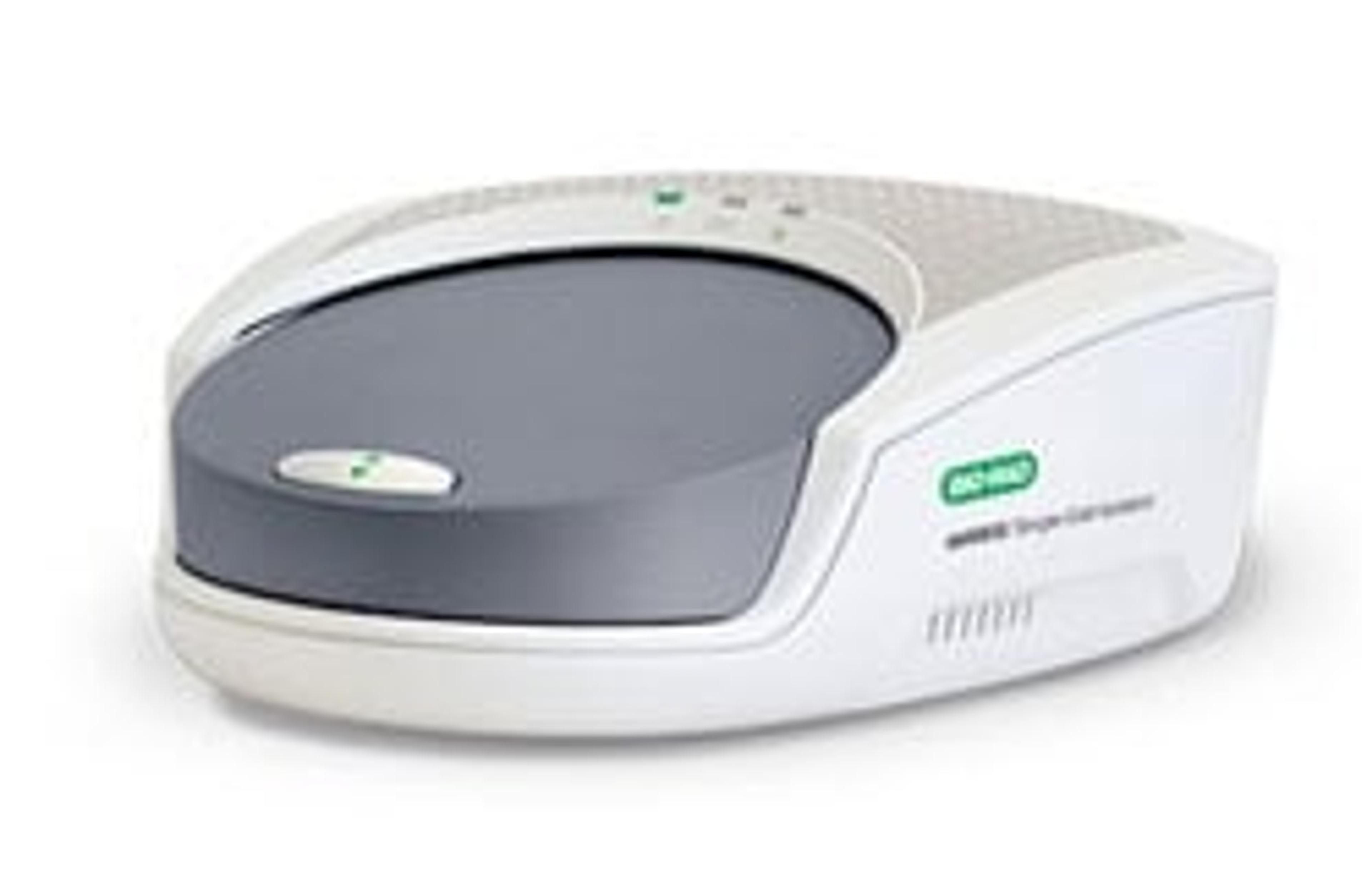
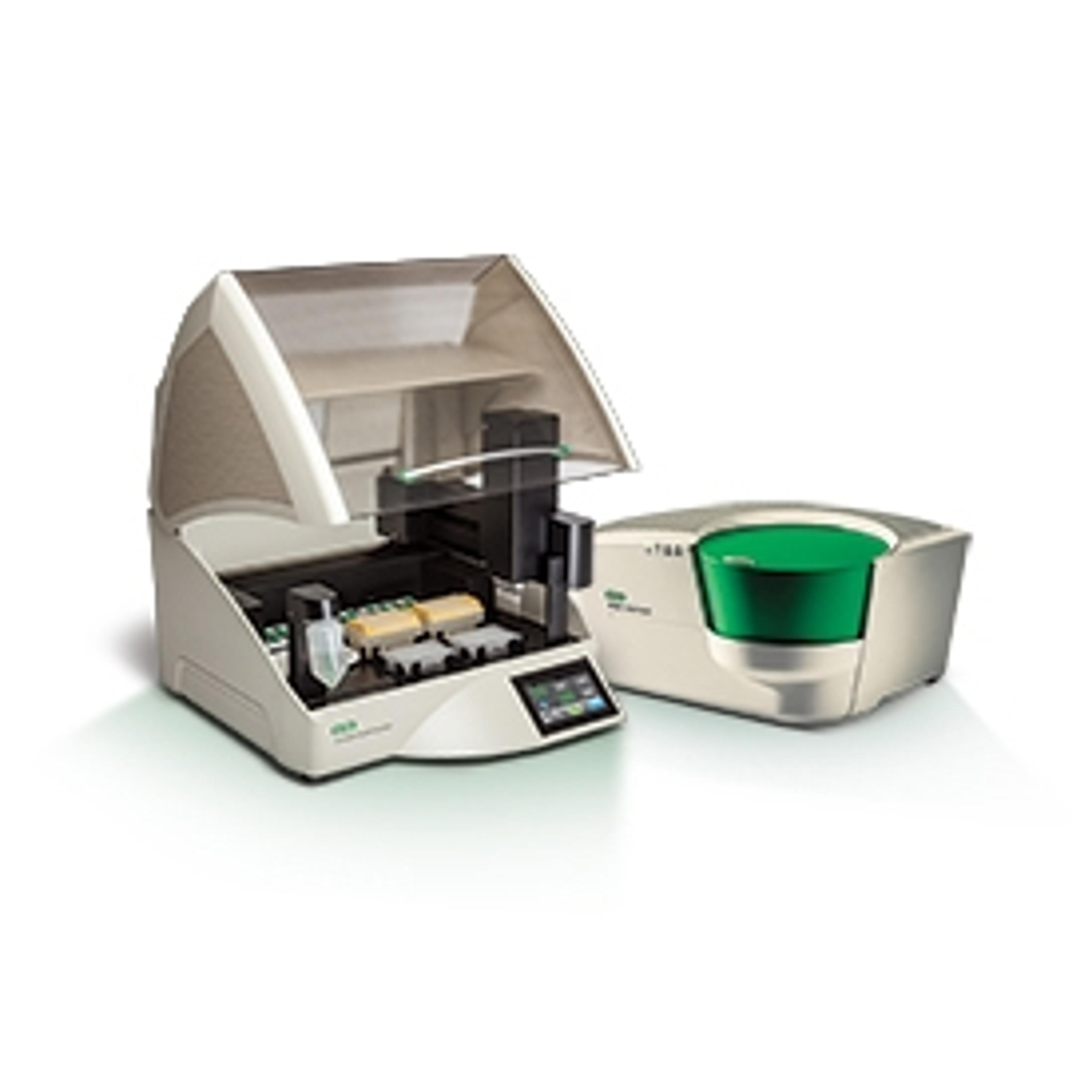
Bio-Rad’s booth (#2439) will feature the company’s award-winning QX200 ddPCR system, the Automated Droplet Generator (AutoDG), and the recently launched ddSEQ Single Cell Isolator – part of the Illumina | Bio-Rad Single Cell Sequencing Solution.
*The QX200 Droplet Digital PCR System and Automated Droplet Generator are for research use only and are not intended for use in diagnostic procedures.