BINDER helps achieve a breakthrough in coronavirus research

Learn more about how BINDER is helping countless laboratories across the world conduct research into coronavirus.

29 Apr 2020

Diane Li
Assistant Editor

Industry news

BINDER received attention from television producers for its involvement in this achievement. A video of the report can be viewed here.

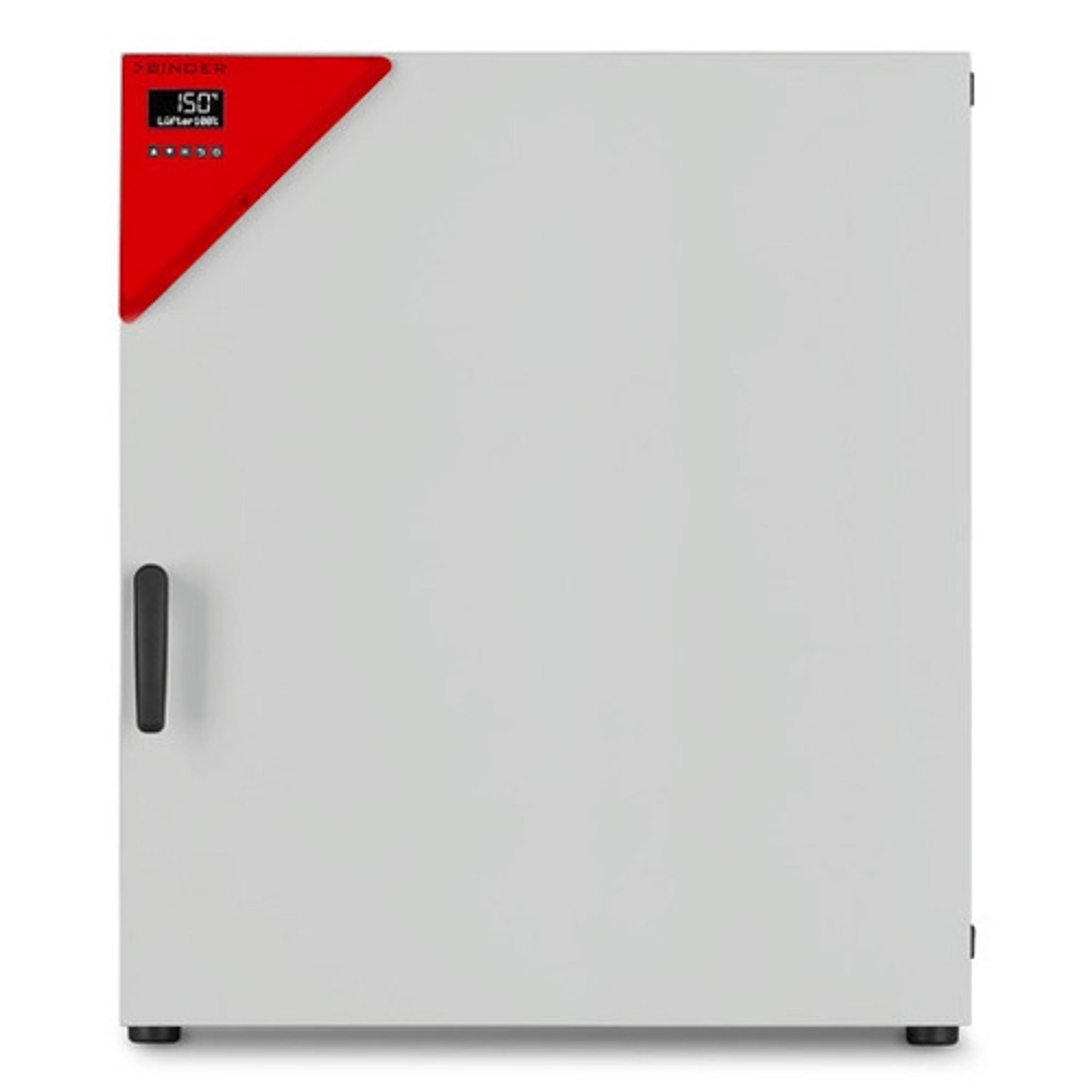
It discusses how BINDER’s freezers were able to help virologist Professor Volker Thiel achieve the breakthrough in his research into the virus – something that Thiel, who is based at the University of Bern, also confirmed himself in a phone call with BINDER.

The press reported on the sensational development at the start of the week, stating that it would now be able to help scientists throughout the world develop a vaccine. Thiel’s breakthrough, a synthetic clone of the virus, is what researchers need to further their progress in the fight against the disease; original samples of the virus are unable to produce the same outcome. This is what makes the development so significant, but Thiel has added the caveat that researchers will still be working on a coronavirus remedy for some time to come.

BINDER GmbH is delighted with the response that its equipment has received and especially that it has been able to play a role in this breakthrough. Major pharmaceutical companies are other examples of customers that are using the Tuttlingen-based company’s premium products to develop a vaccine that will combat COVID-19.

Want more of the latest science news straight to your inbox? Become a SelectScience member for free today>>
Links

Tags

AntibodiesAntibodies are used in techniques such as confocal and fluorescence microscopy, flow cytometry, ELISA, ELISPOT, immunohistochemistry, western blotting and immunopreciptation. Select specific antigen reactivity, high specific affinity, low non-specific binding, monoclonal or polyclonal, primary or secondary antibodies and associated conjugates such as an enzyme or dye for visualization.Combinatorial ChemistryCombinatorial chemistry, also known as combichem, is a technique used in drug discovery to create libraries of structurally related compounds. A library is generated by synthesis with a chemical reactor system or by computer-based modeling of compound combinations. When undertaking combinatorial chemistry consider reagents, buffers, resins and standards.Data AnalysisData analysis hardware and software is available to make data processing straight-forward yet powerful. Data software can be used for math and stats, technical graphing and image analysis. In addition, software is available for specific data analysis of electrophoresis, densitometry, ELISA and DNA sequencing.Refrigerators Freezers and CryogenicsRefrigerators, Freezers & Cryogenics can be used for preservation or experimental purposes. Types of freezers include deep freeze, -80C°C, ultra-low temperature, explosion proof, cryogenic and controlled rate freezers. Freezing is also used in freeze-drying equipment for dehydration processes. Feature to consider in freezers include temperature control and recorders, failure alarms and self-closing mechanisms.Compound LibrariesCompound libraries, or chemical libraries, are used in drug discovery for the identification of potential therapeutics compounds. Used in conjunction with high-throughput screening, the libraries of stored compounds are often generated for specific purposes as a drug target or disease model. Cheminformatics are commonly used when designing a compound library and software can be used to analyze the screening process.  Process ChemistryProcess chemistry is an important stage of drug development for scaling-up drug production or chemical synthesis reactions. It is useful for optimizing economical and efficient drug production. Process chemistry uses reactors and pump systems as well as reagents, standards and buffers.ImmunologyImmunological techniques measure and characterize immune responses. Immunology kits and analysis systems often use techniques such as ELISA, radioimmunoassay (RIA) and immunodiffusion assays, Immunohistochemistry, and flow cytometry. Immunologists use equipment such as flow Cytometers, plate readers, plate washers and fluorescent microscopes.Point-of-CarePoint-of-Care Testing (POCT) or Near Patient Testing (NPT) products are available for urine, blood and other clinical chemistry analyses. POCT includes: blood glucose testing, blood gas and electrolytes analysis, rapid coagulation testing (PT / INR), rapid cardiac markers diagnostics, drugs of abuse screening, urine strips testing, pregnancy testing, fecal occult blood analysis, food pathogens screening, hemoglobin diagnostics, infectious disease testing and cholesterol screening.Biopharmaceutical AdvancesBiopharmaceutical advances follow the development of pharmaceuticals derived from biotechnology, also known as biotechnology medicines. Biopharmaceuticals may be produced from cell lines, plants, or microbial cells. Important considerations of biopharmaceutical use include application, cost, production process and purification.Clinical TrialsClinical Trials, an essential part of drug discovery process, assess the safety and effectiveness of a new medication or device in the pharmaceutical industry. Clinical Trials are a phased process (Phase 0, Phase I, Phase II, Phase III and Phase IV) which begins after initial preclinical testing.Plate ProcessingAutomated plate processing is used in microplate technologies for high-throughput, speed and efficiency. Plate processing systems include microplate handlers for moving plates, heat sealers, stackers and carousels for storage, retrieval and delivery, microplate washers and piercers. Useful features of plate processors include walk-away automation, compatibility and easy integration with microplate systems.Clinical ChemistryBiochemistry (or clinical chemistry) involves the analysis of bodily fluids using chemical tests. Techniques used include HPLC, chromatography, spectroscopy, mass spectrometry, immunochemical, electrophoresis, turbidometric / spectrophotometric assay, MRI and ISE analysis. Tests are often carried out on plasma or serum but urine (urinalysis) and fecal specimens are also processed.Clinical GeneticsMolecular Genetics covers the analysis of hereditary genetic disease and chromosomal abnormalities. Genetics can be analysed using DNA, RNA, and protein microarrays, PCR, RT PCR and DNA sequencing. Genetic equipment includes genetic workstations, thermal cyclers, cooling blocks and electrophoresis products. Diagnostic kits are used for DNA / RNA extraction and purification.Clinical MicrobiologyMicrobiology is the study of microorganisms including protists, prokaryotes, fungi, and, often, viruses. Microorganisms are a useful research tool as genetic vectors and, in immunology, for antibiotic susceptibility testing, cellular biology and genetics. Microorganisms commonly grow readily in incubators with microbial culture media; this can contain chromogenic supplements to differentiate between cell lines. Estimate your culture’s density of microorganisms with colony counters, or screen and select colonies for desirable clones with automated colony pickers. Additionally, equipment is available to monitor environments for the presence of microbes and identify with microbial identification instruments. Find the best microbiology products in our peer-reviewed product directory: compare products, check customer reviews and receive pricing direct from manufacturers.Embryology / IVFEmbryology refers to the development of an embryo resulting from the fertilization of the ovum, to fetus stage. In vitro fertilization (IVF) refers to the fertilization of the egg outside of the human body, and is an important treatment for infertility.