Berthold Technologies Introduces the Sirius II Tube Luminometer for all luminescent Flash and Glow Applications

11 May 2017
Weylan Kiam-Laine
Microbiologist

Product news

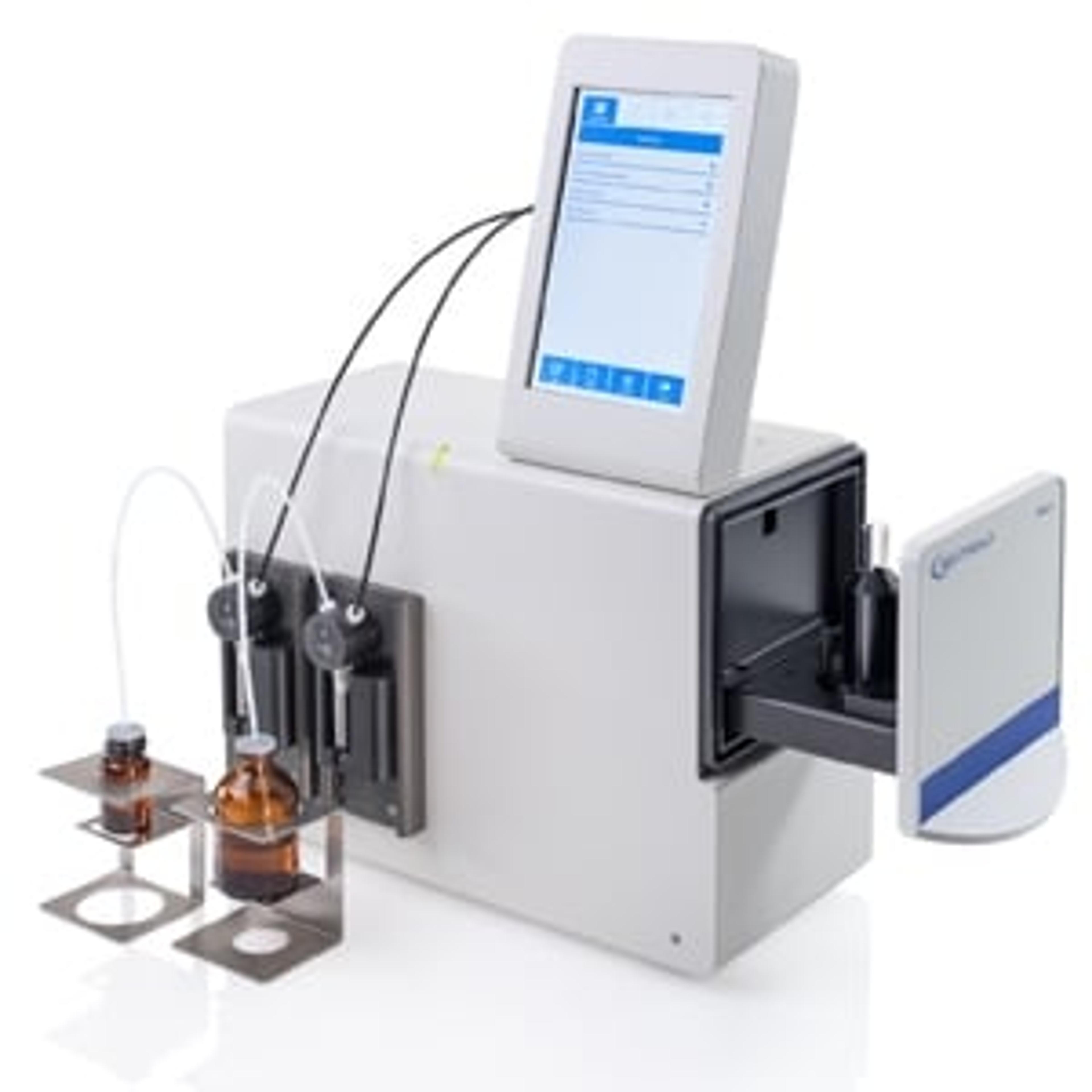
Berthold Technologies GmbH & Co. KG (“Bioanalytic”) today announced the introduction of the Sirius II Tube Luminometer, a next-generation tube luminometer with built-in touch screen computer. The new system is specifically designed with a user-friendly yet powerful interface for both new and experienced researchers.

From the touch-screen control panel users can quick-start their experiment without PC connectivity and no need to press any key. An automated light shutter protects the detector from ambient light, making the instrument ready to measure from the moment the door is closed. The intuitive touch-screen interface allows easy editing of experimental conditions, handling of replicates, dual assay calculations, and display of graphics.

Dr. Anselm Berthold, Head of the Bioanalytic Business Unit stated “The Sirius II Tube Luminometer has been brought to market by a team with a heritage of developing the most sensitive Luminometers. The Sirius II is the perfect choice for all luminescent flash and glow applications performed in single sample format, for example reporter gene assays, including dual-reporter assays, ATP assays, cell proliferation, cytotoxicity and biomass assays, or environmental toxicity and mutagenicity assays.” The Sirius II Tube Luminometer features a new optical detection system specifically designed for ultra-sensitive detection of less than 0.5 zmol of firefly luciferase.
Links

Tags

High-Throughput ScreeningHigh-throughput screening (HTS) is an automated drug discovery technique for identification of active compounds against a compound library. Use HTS readers and integrated assay preparation / analysis workstations to screen your compounds. Identify active compounds against various HTS libraries, including membranes, proteins and peptides and HTS cell lines. Find the best high-throughput screening products in our peer-reviewed product directory: compare products, check customer reviews and receive pricing direct from manufacturers.Cell-Based AssaysCell-based assays are used to monitor the presence, quantity and activities of a desired cellular analyte including drug molecules or biomarkers. This can reveal information on cell health (apoptosis, cytotoxicity, viability and proliferation assays), cell metabolism, cell migration and cell signaling mechanisms. Find the best cell-based assay products, kits and equipment with our peer reviewed product directory: compare products, check customer reviews and receiving pricing direct from manufacturers.Gene Expression and Molecular CloningMolecular cloning is a set of techniques that utilizes vectors to transfer recombinant DNA into host cells and is an essential tool for investigating the expression of genes and proteins in bacterial or mammalian cells. A variety of vectors optimized for gene cloning and expression in a range of host organisms are available, alongside competent cells for genetic replication. Here, you can explore a range of molecular tools, high-quality genomic and cDNA libraries, premade clones, transformation and transfection reagents and mutagenesis or gene expression detection assays and expression arrays. Find the best gene expression and molecular cloning products in our peer-reviewed product directory: compare products, check customer reviews and receive pricing direct from manufacturers.CytotoxicityCytotoxicity assays measure the toxic effects of substances on cells, often used in drug testing and environmental studies. These tests are crucial in determining the safety of chemicals and pharmaceutical compounds. Explore cytotoxicity testing tools in our peer-reviewed product directory; compare products, check reviews, and get pricing directly from manufacturers.ATP MonitoringMutagenesisCell ProliferationCell proliferation refers to the process by which cells divide and multiply. This is a key concept in cancer research, tissue regeneration, and immunology studies. Explore cell proliferation tools in our peer-reviewed product directory; compare products, check reviews, and get pricing directly from manufacturers.ToxicityToxicity is defined as the degree to which a substance can harm humans or animals. It is essential to study the toxicity of pharmaceutical products during the development process so that optimum dosage can be established for the administration of the drug.LuminescenceLuminescence techniques detect and measure light emitted by substances during chemical reactions or biological processes. Widely used in assays for diagnostics, environmental monitoring, and drug screening, luminescence-based methods offer high sensitivity. Explore leading systems and products in our directory.Biotechnica