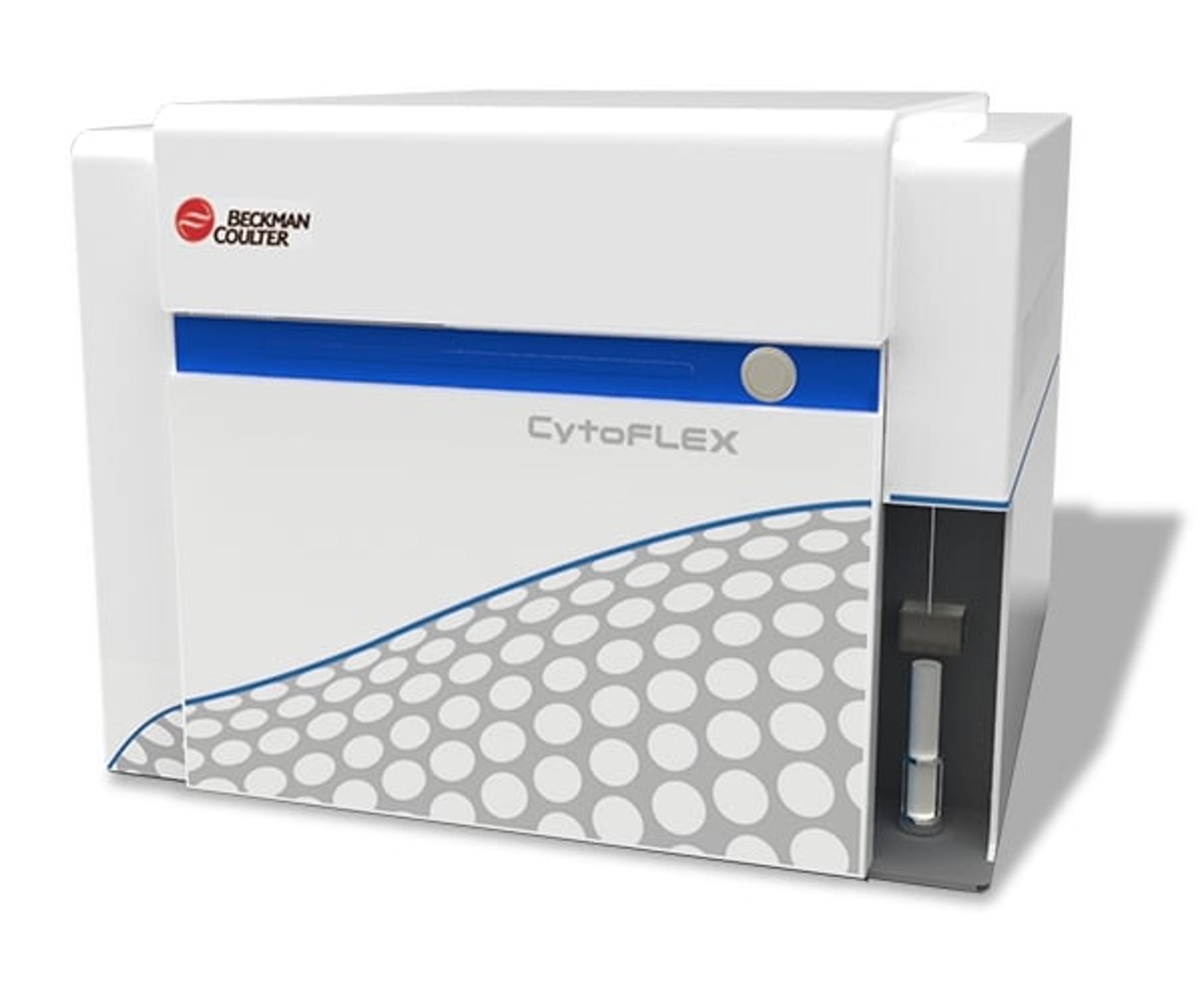
Beckman Coulter Life Sciences revolutionizes nanoparticle analysis with the launch of CytoFLEX nano Flow Cytometer
Instrument breaks the boundaries of EV detection, providing access to new data points
19 Mar 2024

Beckman Coulter Life Sciences, a global leader in laboratory automation and innovation, has launched the CytoFLEX nano Flow Cytometer – the first purpose-built nanoscale flow cytometer for research use only that enables detection to at least 40 nm,* enabling 30–50% more data creation compared to current marketplace offerings.
With unrivaled sensitivity to detect, count, and characterize nanoparticles using a single analytical instrument, the CytoFLEX nano Flow Cytometer offers simultaneous multiparameter detection powered by six fluorescent detection channels and five side scatter channels. It provides a first-of-its kind solution that lowers the limit of detection and increases resolution to characterize lower abundance targets in heterogeneous extracellular vesicle (EV) populations between 1 μm and 40 nm (polystyrene when triggering on violet side scatter).
Nanoparticles are introduced in a hydrodynamic focused stream to the optical system composed of lasers and detectors. Emitted signals are collected, digitized, and displayed by the electronics and instrument control software, CytExpert. Multiple automatic on-board cleaning options are offered to control sample-to-sample carryover and maintain a clean sample line.
“We need to go smaller to expand the realms of research, and there are very few instruments built for small particle detection alone,” said Alfonso Blanco, Director of the Flow Cytometry Core Technologies in the University College Dublin. “The CytoFLEX nano Flow Cytometer offers a gold mine of research discoveries, including the ability to develop complex biomarkers from blood or urine rather than more invasive tissue means, which means less pain for patients, along with richer results.”
The ergonomic design reduces noise, identifies backgrounds, and reduces carryover issues. Consistent instrument performance from extensive automated QC processes ensures consistent and reproducibleresults every time.
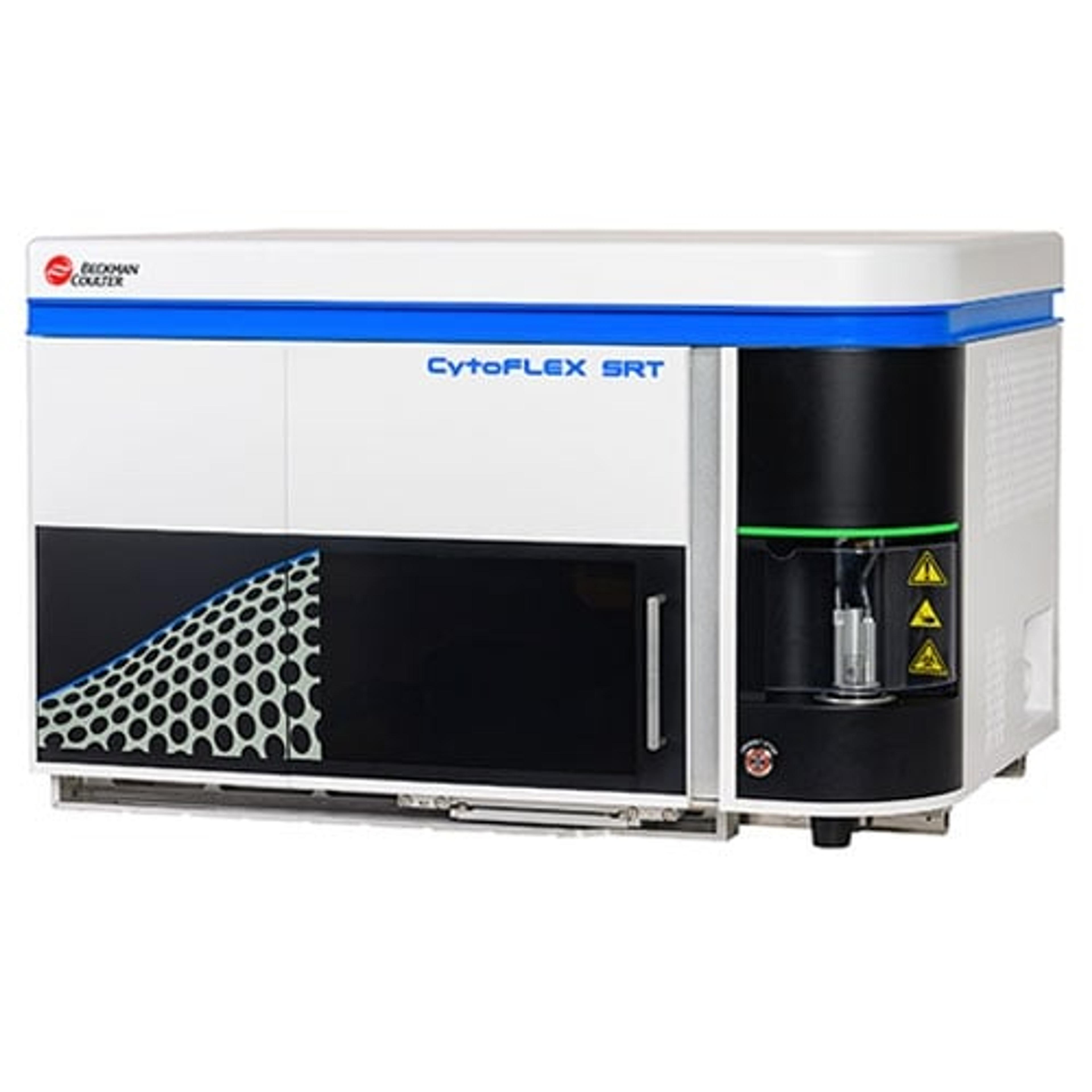
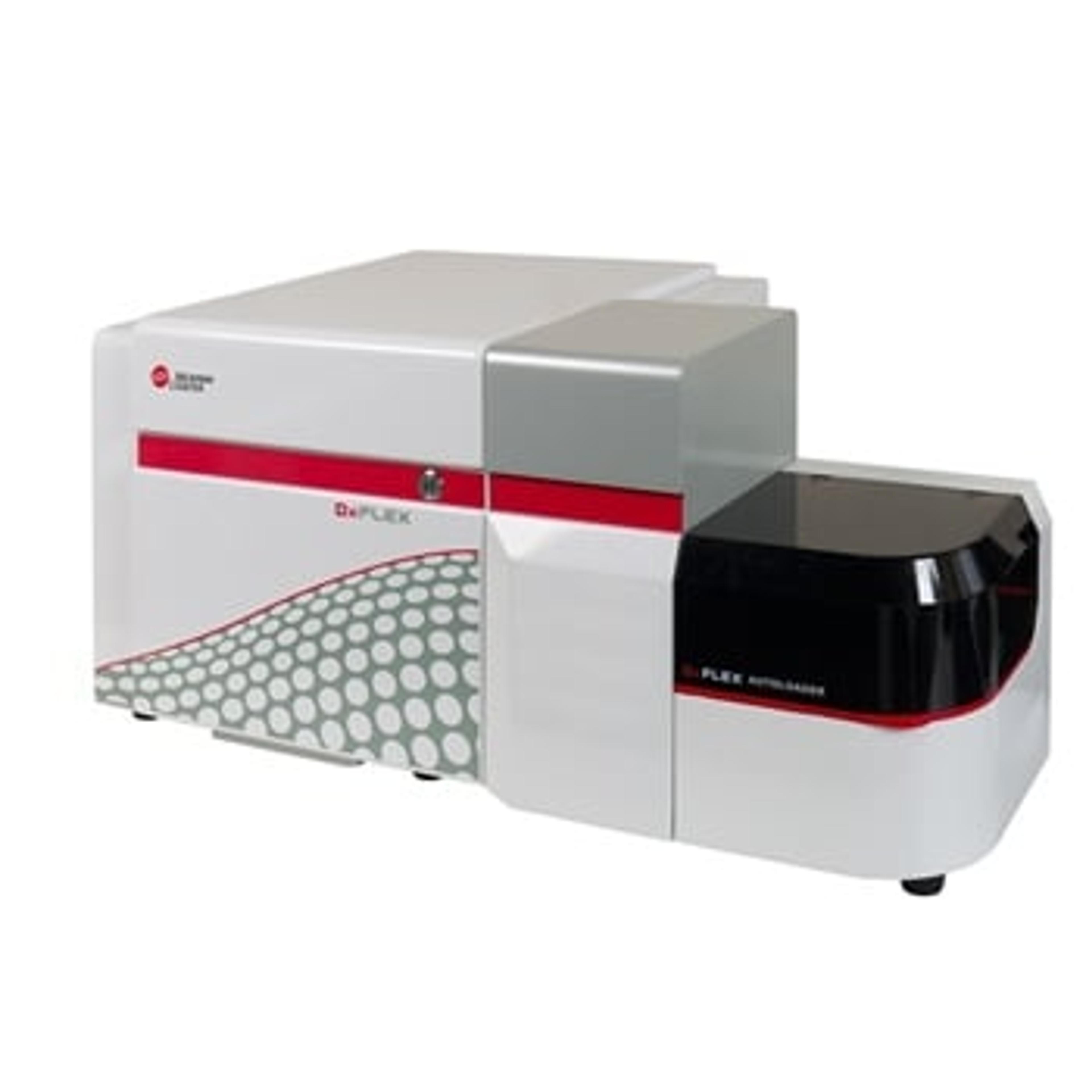
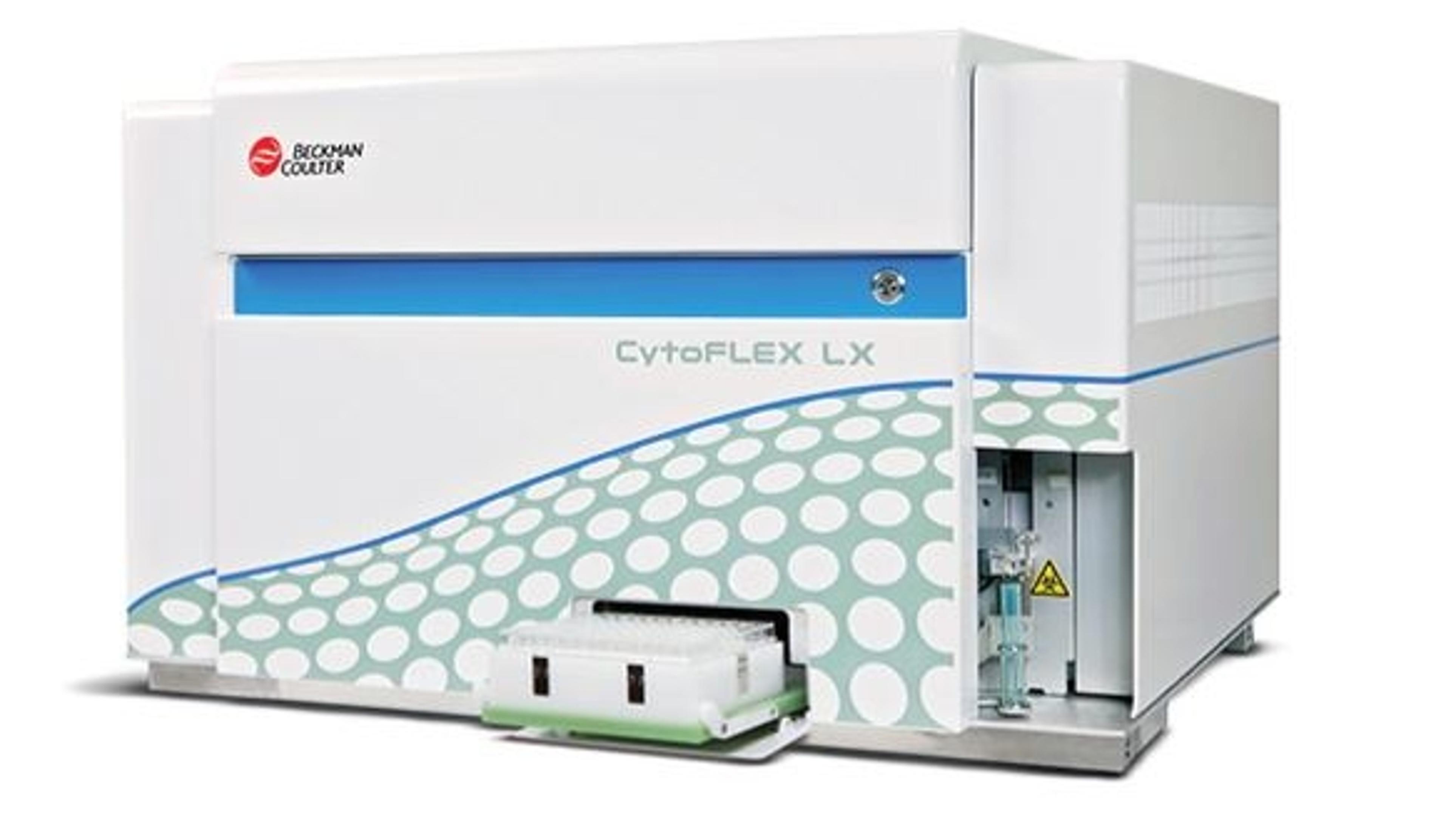
The platform also includes the CytoFLEX, CytoFLEX S, and the CytoFLEX LX flow cytometers, along with the CytoFLEX SRT cell sorter for research, and the DxFLEX flow cytometer for diagnostic use.
*Polystyrene when triggering on violet side scatter. For Research Use Only (RUO), not for use in diagnostic procedures.