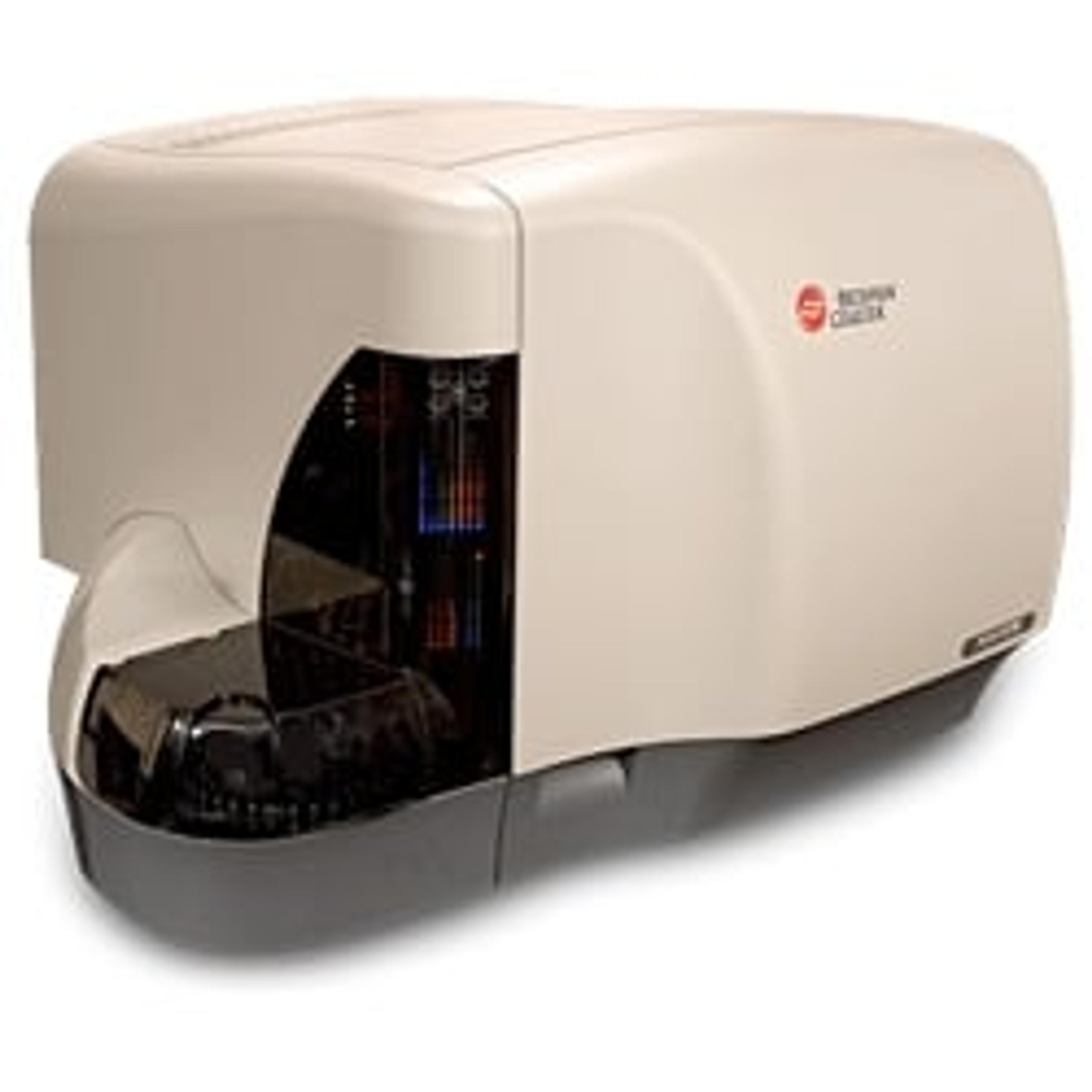
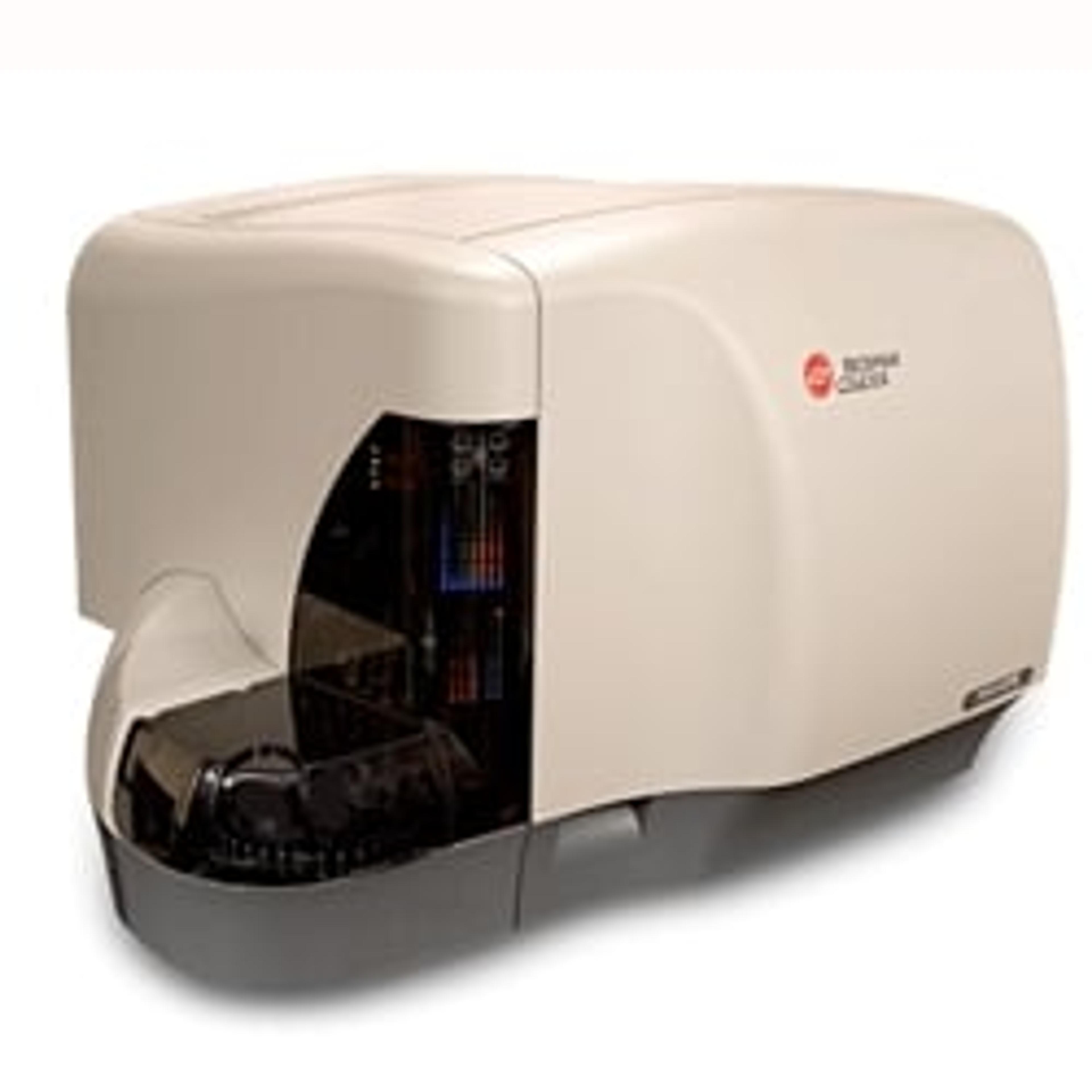
Beckman Coulter Life Sciences launches CellMek SPS, a fully automated sample preparation system for clinical flow cytometry

The innovative instrument helps clinical flow cytometry labs automate end-to-end sample preparation

3 Mar 2022

Dora Wells
Clinical Content Editor

Industry news

Beckman Coulter Life Sciences, a global leader in life sciences lab automation and innovation, and a company of Danaher Corporation, introduces a powerful solution to manual sample preparation and data management bottlenecks in clinical flow cytometry: the CellMek SPS. This fully automated sample preparation system (SPS) offers on-demand processing for a multitude of sample types to help laboratories to expand capabilities.

The CellMek SPS builds on a rich history of lab automation and incorporates features that enable lean workflows and bolster lab efficiency by streamlining and automating many outdated and manual preparation methods. The innovative new system provides a continuous output of samples ready to analyze with full traceability.

Another unique feature is the integrated cell wash modules that enable an end-to-end sample preparation workflow. Samples can be washed, stained, and lysed without the need for manual intervention. A refrigerated liquid antibody carousel can hold up to 53 vials, including the option to run third-party reagents. The flexible system allows users to expand its capacity with the use of preformulated reagent cocktails in the new DURACartridge format for the company’s DURA Innovation dry reagents.

The CellMek SPS simultaneously manages various user-defined preparation methods in random access which eliminates the need to batch samples. Proprietary software combined with a dedicated reaction plate for parallel sample preparation ensures an optimized time to result. This automated workflow helps increase efficiency and reduces the potential for operator bias, driving lab standardization efforts. Onboard cap piercing technology reduces manual handling of antibodies, as well as the potential for staff exposure to biohazardous samples.

Sample output takes place in standard carousels, which are compatible with Navios EX and DxFLEX Flow Cytometers from Beckman Coulter Life Sciences.

“We designed the CellMek SPS to open up new possibilities for clinical flow cytometry laboratories seeking to simplify their complex sample preparation workflows with an easy-to-use system that provides greater confidence in results,” said Dr. Mario Koksch, Vice President and General Manager of the company’s flow cytometry business unit. “This can ease the time-consuming burden for lab staff tasked with manual workflows, and ultimately helps to prevent expensive errors.”

Want the latest science news straight to your inbox? Become a SelectScience member for free today>>

Links

Tags

AntibodiesAntibodies are used in techniques such as confocal and fluorescence microscopy, flow cytometry, ELISA, ELISPOT, immunohistochemistry, western blotting and immunopreciptation. Select specific antigen reactivity, high specific affinity, low non-specific binding, monoclonal or polyclonal, primary or secondary antibodies and associated conjugates such as an enzyme or dye for visualization.Flow Cytometry / Cell CountingFlow cytometers are used to count, sort and examine multiple characteristics of cells. Other cell analysis equipment includes image cytometers, cell counters, fluorescence-activated cell sorters (FACS), magnetic-activated cell sorters (MACS), and a range of flow cytometry assay kits. Flow cytometers can reveal information on cell viability, cell proliferation, apoptosis and cell cycle progression, as well as identify cell populations and intracellular or cell-surface molecules. Additionally, some flow cytometers, known as FACS, have an additional sorting function after analysis. Cell counters and image cytometers count live and dead cell populations and can also conduct cell proliferation assays. Find the best flow cytometers, cell counters and cell sorters in our peer-reviewed product directory: compare products, check customer reviews and receive pricing direct from manufacturers.Robotic WorkstationsRobotic workstations are automated platforms enabling the user to perform high-throughput, multi-application processes, from sample preparation tasks such as PCR set-up, DNA purification and NGS library preparation, to integrated sample prep and analysis workstations. Automation makes processes consistent, fast, precise and fully walk-away. Find the best robotic workstations in our peer-reviewed product directory: compare products, check customer reviews and receive pricing direct from manufacturers.Automation Supplies / AccessoriesAutomated accessories and consumables make lab processes fast, efficient and reliable. Useful automation accessories include microplate sealers, label printers and reagent reservoirs.Clinical ChemistryBiochemistry (or clinical chemistry) involves the analysis of bodily fluids using chemical tests. Techniques used include HPLC, chromatography, spectroscopy, mass spectrometry, immunochemical, electrophoresis, turbidometric / spectrophotometric assay, MRI and ISE analysis. Tests are often carried out on plasma or serum but urine (urinalysis) and fecal specimens are also processed.Sample PreparationSample preparation can improve the quality and speed of separation techniques. Products to assist sample preparation include filtration equipment, evaporators, membranes and sieves.AutomationAutomation in laboratories and manufacturing processes enhances efficiency, precision, and scalability by reducing the need for manual intervention. It plays a critical role in improving productivity, minimizing human error, and accelerating workflows in fields like diagnostics, drug development, and industrial testing. Automation technologies include robotic systems, automated liquid handlers, and process control systems that streamline complex tasks and ensure consistent, reproducible results. Explore our peer-reviewed product directory to discover the best automation solutions, compare options, read user reviews, and get prices directly from manufacturers.Clinical AutomationClinical laboratory automation refers to the use of automated systems in clinical laboratories to increase efficiency, reduce human error, and improve patient care. From sample analysis to total laboratory automation, this plays a critical role in modern diagnostics and laboratory workflows. Explore clinical automation solutions in our peer-reviewed product directory; compare products, check reviews, and get pricing directly from manufacturers.Flow Cytometry