Beckman Coulter launches SARS-CoV-2 IgM antibody test and will begin shipping to U.S. diagnostics labs
IgM assay has 95.51% positive predictive value even when disease incidence is only 3%
23 Aug 2020
Product news
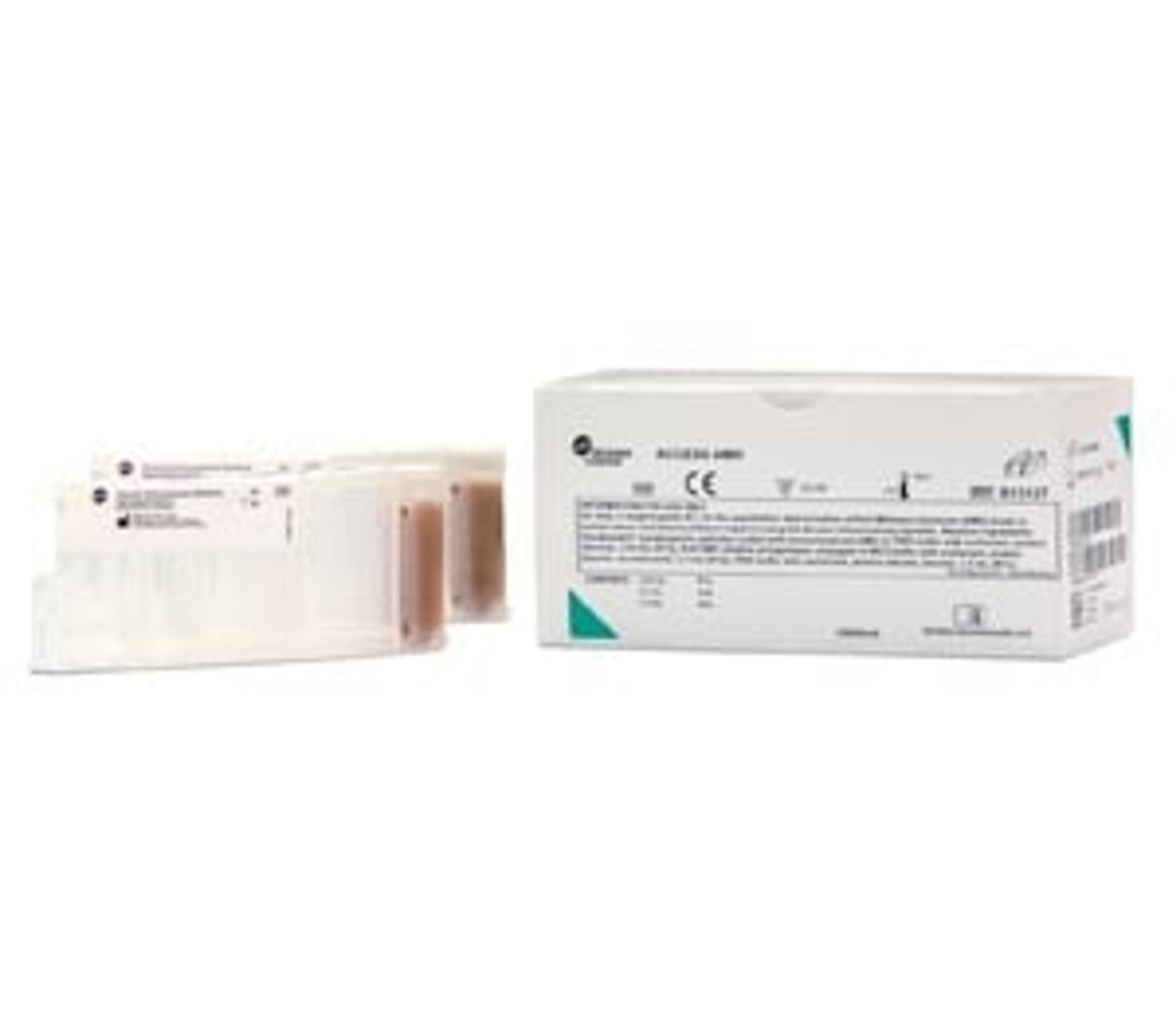
Beckman Coulter, a clinical diagnostics leader, has announced the launch of its Access SARS-CoV-2 Immunoglobulin M (IgM) assay. The new IgM antibody test demonstrated 99.9% specificity against 1,400 negative samples and 98.3% sensitivity at 15-30 days post-symptom onset. Of the tests developed by the top four in vitro diagnostic manufacturers capable of delivering high-volume testing to the U.S., Beckman Coulter's test is the only SARS-CoV-2 IgM assay which targets antibodies that recognize the receptor binding domain (RBD) of the spike protein which SARS-CoV-2 uses to bind to a human cell receptor. This is significant as antibodies which target the RBD have the potential to be neutralizing and thus prevent future infection by blocking the virus from entering the cell.
"Our new SARS-CoV-2 IgM assay provides information about an individual's immune status with a positive predicative value of 95.5% in a population with disease incidence as low as 3%," said Julie Sawyer Montgomery, president of Beckman Coulter. "As COVID-19 outbreaks continue to grow in intensity in many of our communities, highly accurate tests such as this are critical for providing reliable information for both individual health decisions as well as population-based immunity monitoring."
Shamiram Feinglass, M.D., MPH, chief medical officer for Beckman Coulter, added, "At a time when a number of regions around the country are experiencing long wait times for testing due to shortages of molecular diagnostics (RT-PCR testing), antibody testing may play a key role in helping physicians determine if their patients have had a recent infection. Recent studies have identified asymptomatic individuals with a negative PCR test and a positive IgM test1 suggesting these patients may have had a low viral load or provided inadequate PCR samples. A positive IgM antibody test may help physicians identify some of these patients who received a false negative PCR result and should self-isolate until a follow up PCR test can be administered."
It has recently been reported that there are a number of states experiencing shortages of molecular diagnostics for the novel coronavirus, as well as backlogs on their analyzers due to high demand as infection rates surge. The Access SARS-CoV-2 IgM assay can help to alleviate this issue, as it helps to identify patients with an immune response to SARS-CoV-2.
Beckman Coulter's new IgM assay is part of a suite of testing solutions the company is offering to guide clinical and public health decision making during the COVID-19 pandemic. The company developed separate SARS-CoV-2 IgM and SARS-CoV-2 Immunoglobulin G (IgG) antibody assays to better help clinicians determine a patient's immune status in response to a recent or past infection. The Beckman Coulter IgM assay detects antibodies that may emerge earlier in the course of infection and then dissipate, while the IgG test detects antibodies associated with the longer-term immune response. Both IgM and IgG assays can identify antibodies in asymptomatic individuals, and since each person's seroconversion process is different, the two tests can be used together to provide the most accurate view into their immune response.
Beckman Coulter is also developing a SARS-CoV-2 quantitative IgG assay, antigen test and currently awaiting FDA Emergency Use Authorization for its interleukin 6 (IL-6) assay. Additionally, Beckman Coulter offers a biomarker that measures monocyte distribution width (MDW), which can be used as an aid in the early detection of sepsis in adult patients presenting to the emergency department. Earlier this year, the company announced that it received government funding to develop a machine learning algorithm to help accurately predict and detect sepsis in COVID-19 patients leveraging its MDW test. The quantitative IgG, antigen, IL-6 and MDW tests, along with the IgG and IgM assays, could provide valuable information in clinical decision making for patients suffering from COVID-19.
"COVID-19 presents as a complex, multi-system disease which requires multiple diagnostic tests to help monitor the disease progression of patients across multiple care settings," continued Sawyer Montgomery. "Our organization is working tirelessly to provide a multitude of high quality tests that help clinicians not only learn about each patient's disease status, but also the disease pathology of SARS-CoV-2 as a whole."
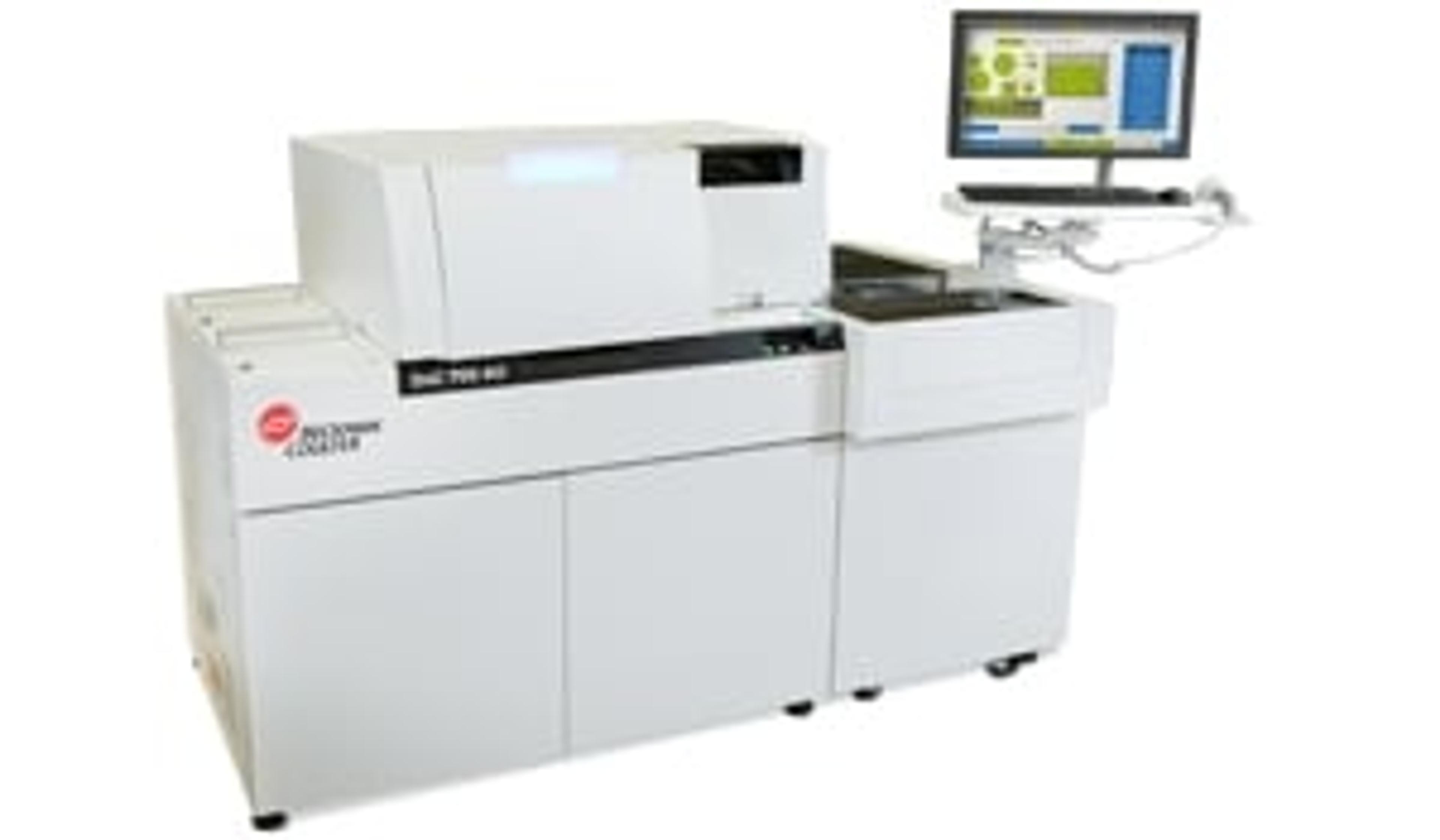
In many parts of the country, diagnostic labs are under immense pressure to be more efficient to meet testing demands. Beckman Coulter's assays can be performed in manual, automated or high-throughput immunoassay formats. The Access SARS-CoV-2 IgM test can also be run on Beckman Coulter's Access 2 analyzer, a compact, table-top analyzer enabling high-quality serology testing to be carried out in small hospitals and clinics. Additionally, this test seamlessly integrates into laboratory workflows making it easy to add serology testing to routine blood tests performed during inpatient and wellness testing.
With the ability to begin delivering more than 15 million tests each month, the company can meet the global demands of its installed customer base including more than 16,000 immunoassay analyzers worldwide, 3,500 of which are in the United States. For more information on Beckman Coulter's suite of testing solutions or its commitment to the fight against COVID-19, visit: www.BeckmanCoulter.com/Coronavirus.
About the Access SARS-CoV-2 IgM Assay
The Access SARS-CoV-2 IgM Assay is a qualitative immunoassay that detects IgM antibodies. The test has confirmed 98.3% positive percent agreement (sensitivity) at 15-30 days post symptom onset and 99.9% negative percent agreement (specificity). The assay utilizes an immunocapture format to bind patient IgM antibodies on the magnetic particle solid phase and a recombinant SARS-CoV-2 protein - enzyme conjugate to detect anti-SARS-CoV-2 IgM. The Access SARS-CoV-2 IgM assay can be used in Random Access Mode (RAM), which means that the antibody tests can be run along with other immunoassay tests. The assay can also be used with a variety of Beckman Coulter analyzers, including the high-throughput DxI 800 designed for large labs, to the DxI 600 for mid-sized labs and the DxC 600i and Access 2 analyzers for smaller labs and healthcare clinics.
Want more of the latest science news straight to your inbox? Become a SelectScience member for free today>>