Beckman Coulter completes first in a series of antibody neutralization studies

Access SARS-CoV-2 IgG assay shows excellent agreement with the Genscript Surrogate Virus Neutralization Test

8 Oct 2020

Diane Li
Assistant Editor

Industry news

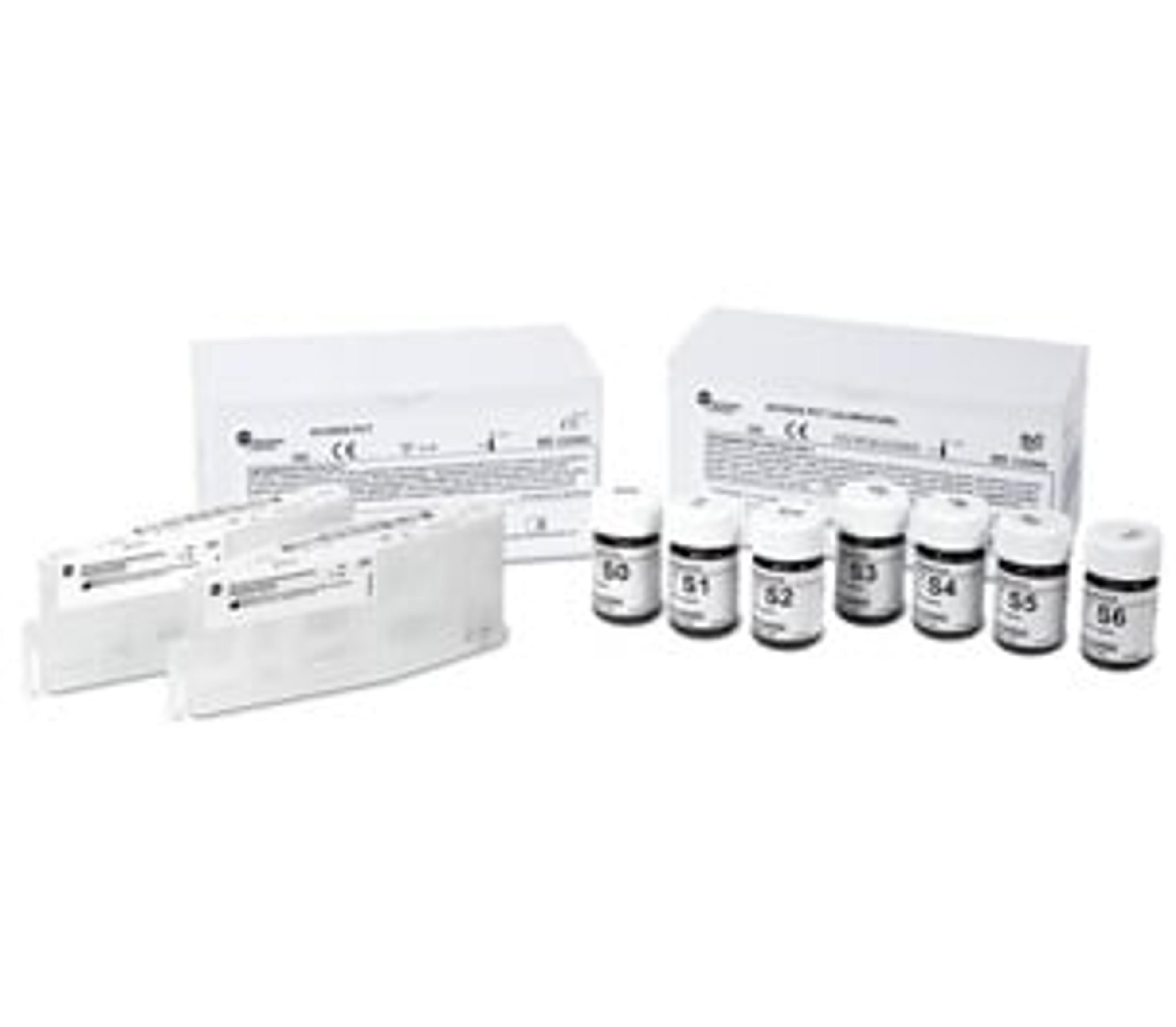
Beckman Coulter, a clinical diagnostics leader, has announced research results that demonstrate its Access SARS-CoV-2 IgG assay shows excellent agreement to the Genscript SARS-CoV-2 Surrogate Virus Neutralization Test which detects antibodies that block the interaction between the Receptor Binding Domain (RBD) of the spike (S) protein and the ACE-2 host cell receptor that are necessary for infection. The findings come from the first in a series of research studies being conducted by Beckman Coulter, that show antibodies that target the RBD of the S protein are potentially neutralizing to the novel coronavirus. As a result, the study’s findings will be included in the intended use for Beckman Coulter’s CE Mark SARS-CoV-2 IgG assay.

In this first study, a total of 162 individual patient samples representing 62 SARS-CoV-2 PCR positive samples (≥ 20 days after onset of symptoms) and 100 blood donors samples collected before COVID-19 outbreak were used to evaluate agreement between the Access SARS-CoV-2 IgG assay and a SARS-CoV-2 surrogate viral neutralization test that can detect circulating neutralization antibodies (≥ 20% inhibition). The findings demonstrate that Beckman Coulter’s Access SARS-CoV-2 IgG serology assay may be useful as an aid in identifying patients with an adaptive immune response to SARS-CoV-2, indicating recent or prior infection in conjunction with clinical presentation and other laboratory tests.

“This is the first in a series of antibody neutralization studies being conducted at Beckman Coulter to help us understand the neutralizing properties of antibodies detected by our SARS-CoV-2 serology assay,” said Shamiram Feinglass, M.D., MPH, chief medical officer for Beckman Coulter. “Detecting neutralizing antibodies is especially important because they can prevent the virus from interacting with host cells which they then seek to infect and destroy. It is through the work of these neutralizing antibodies that the body exhibits its immune response. While the length of a body’s immune response to the SARS-CoV-2 virus is still unknown, it is known that neutralizing antibodies are the ones that play a key role in creating a more sustained immune response.”

The Genscript assay utilized in the experiment uses purified RBD protein from the viral spike protein and the host cell receptor, ACE2, to mimic the virus-host interaction in an ELISA plate well. This highly specific interaction can then be blocked by specific neutralizing antibodies in patient sera in the same manner as in a conventional virus neutralization assay.

As part of its commitment in the fight against COVID-19, Beckman Coulter has several other research studies in progress to further show SARS-CoV-2 virus neutralization and will be submitting results for peer review publication. For more information on Beckman Coulter’s neutralizing antibody research, suite of testing solutions or its commitment to the fight against COVID-19, visit: www.BeckmanCoulter.com/Coronavirus.

About the Access SARS-CoV-2 IgM Assay

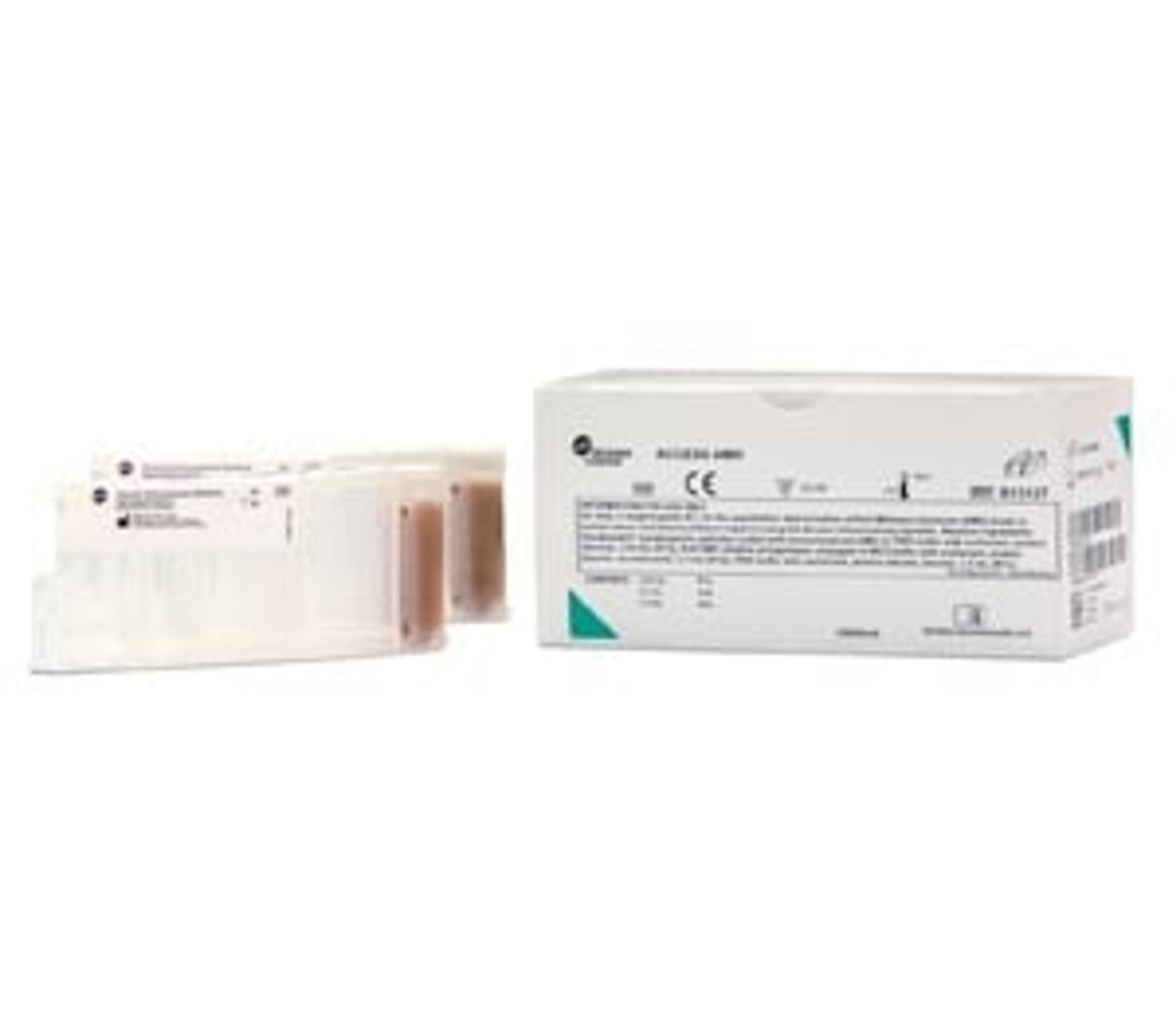
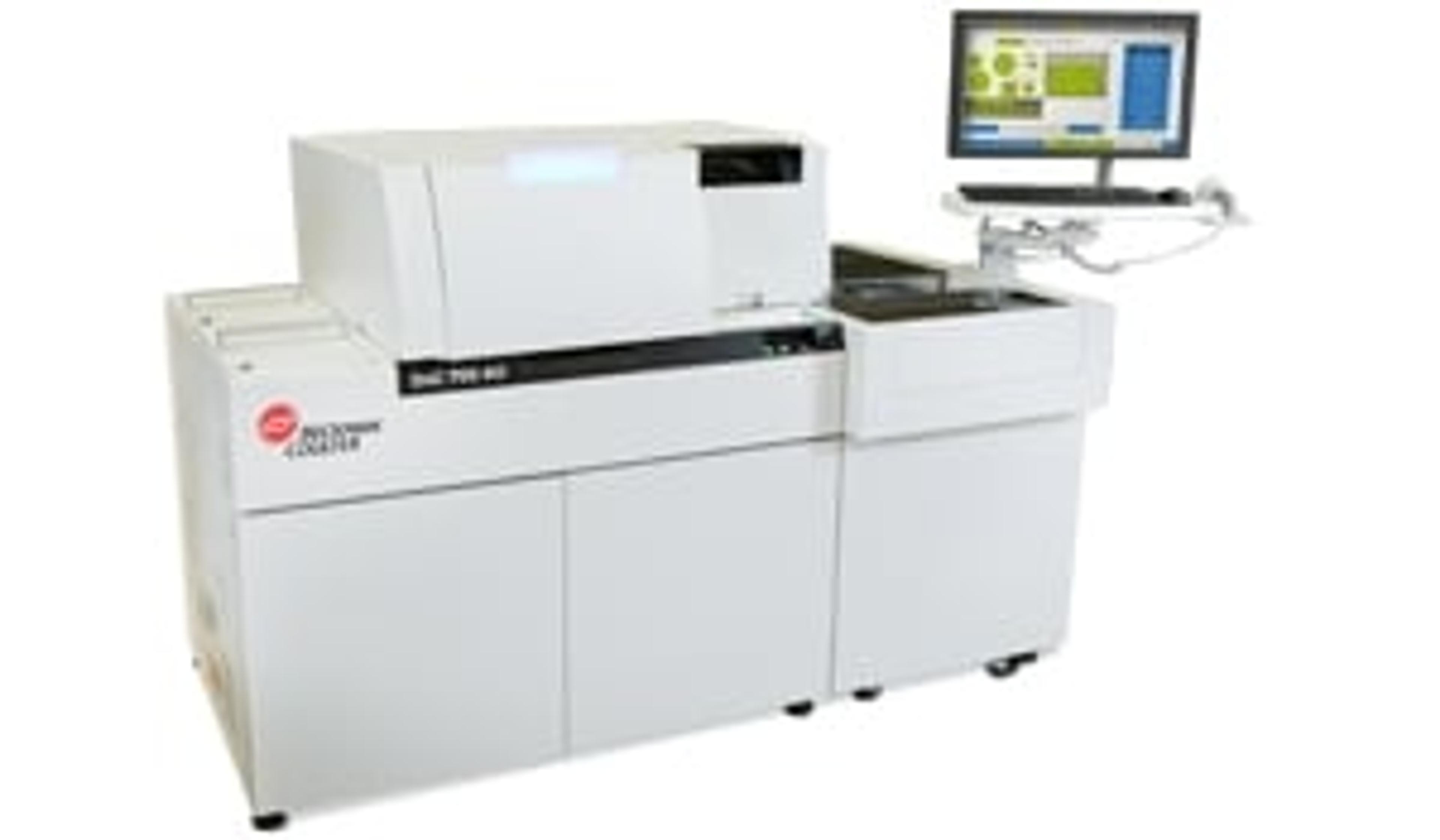
The Access SARS-CoV-2 IgM Assay is a qualitative immunoassay that detects IgM antibodies. The test has confirmed 98.3% positive percent agreement (sensitivity) at 15-30 days post symptom onset and 99.9% negative percent agreement (specificity). The assay utilizes an immunocapture format to bind patient IgM antibodies on the magnetic particle solid phase and a recombinant SARS-CoV-2 protein - enzyme conjugate to detect anti-SARS-CoV-2 IgM. The Access SARS-CoV-2 IgM assay can be used in Random Access Mode (RAM), which means that the antibody tests can be run along with other immunoassay tests. The assay can also be used with a variety of Beckman Coulter analyzers, including the high-throughput DxI 800 designed for large labs, to the DxI 600 for mid-sized labs and the DxC 600i and Access 2 analyzers for smaller labs and healthcare clinics.

Do you use Beckman Coulter products in your lab? Write a review today for your chance to win a $400 Amazon gift card>>

Links

Tags

AntibodiesAntibodies are used in techniques such as confocal and fluorescence microscopy, flow cytometry, ELISA, ELISPOT, immunohistochemistry, western blotting and immunopreciptation. Select specific antigen reactivity, high specific affinity, low non-specific binding, monoclonal or polyclonal, primary or secondary antibodies and associated conjugates such as an enzyme or dye for visualization.Cell Adhesion AssaysCell adhesion assays are used to quantitate attachment and analyze the molecular mechanisms for extracellular matrix adhesion, cell migration and sensitivity to inhibitors. Find the best cell adhesion assay equipment in our peer-reviewed product directory: compare products, check customer reviews and receive pricing direct from manufacturers.Data AnalysisData analysis hardware and software is available to make data processing straight-forward yet powerful. Data software can be used for math and stats, technical graphing and image analysis. In addition, software is available for specific data analysis of electrophoresis, densitometry, ELISA and DNA sequencing.Cellular PathologyCellular Pathology deals with the microscopic analysis of tissue samples and cells. Sample preparation and processing includes fixation, staining, sectioning and slide mounting, using equipment such microtomes and cryostats. In choosing immunohistochemistry and immunocytochemistry kits, consider chromogens, staining method, antibodies, microscopes and imaging.Cell-Based AssaysCell-based assays are used to monitor the presence, quantity and activities of a desired cellular analyte including drug molecules or biomarkers. This can reveal information on cell health (apoptosis, cytotoxicity, viability and proliferation assays), cell metabolism, cell migration and cell signaling mechanisms. Find the best cell-based assay products, kits and equipment with our peer reviewed product directory: compare products, check customer reviews and receiving pricing direct from manufacturers.Biopharmaceutical AdvancesBiopharmaceutical advances follow the development of pharmaceuticals derived from biotechnology, also known as biotechnology medicines. Biopharmaceuticals may be produced from cell lines, plants, or microbial cells. Important considerations of biopharmaceutical use include application, cost, production process and purification.Clinical TrialsClinical Trials, an essential part of drug discovery process, assess the safety and effectiveness of a new medication or device in the pharmaceutical industry. Clinical Trials are a phased process (Phase 0, Phase I, Phase II, Phase III and Phase IV) which begins after initial preclinical testing.Clinical ChemistryBiochemistry (or clinical chemistry) involves the analysis of bodily fluids using chemical tests. Techniques used include HPLC, chromatography, spectroscopy, mass spectrometry, immunochemical, electrophoresis, turbidometric / spectrophotometric assay, MRI and ISE analysis. Tests are often carried out on plasma or serum but urine (urinalysis) and fecal specimens are also processed.Clinical GeneticsMolecular Genetics covers the analysis of hereditary genetic disease and chromosomal abnormalities. Genetics can be analysed using DNA, RNA, and protein microarrays, PCR, RT PCR and DNA sequencing. Genetic equipment includes genetic workstations, thermal cyclers, cooling blocks and electrophoresis products. Diagnostic kits are used for DNA / RNA extraction and purification.Clinical MicrobiologyMicrobiology is the study of microorganisms including protists, prokaryotes, fungi, and, often, viruses. Microorganisms are a useful research tool as genetic vectors and, in immunology, for antibiotic susceptibility testing, cellular biology and genetics. Microorganisms commonly grow readily in incubators with microbial culture media; this can contain chromogenic supplements to differentiate between cell lines. Estimate your culture’s density of microorganisms with colony counters, or screen and select colonies for desirable clones with automated colony pickers. Additionally, equipment is available to monitor environments for the presence of microbes and identify with microbial identification instruments. Find the best microbiology products in our peer-reviewed product directory: compare products, check customer reviews and receive pricing direct from manufacturers.Drug DeliveryDrug Delivery refers to dosage form, route of administration, formulations, technologies, and systems for transporting a pharmaceutical compound in the body as needed to safely achieve its desired therapeutic effect. Drug delivery is often approached via the biopharmaceutical or small molecule drug's formulation, but it may also involve medical devices or drug-device combination products. Considerations include instrumentation, software and services. RegulatoryPharmaceutical regulations impact on all areas of drug development, manufacture and control and supply. Services are provided from the early stages of drug development and clinical trials through to dossier submission, approval and marketing. Regulatory also includes submission of analytical studies from the pharmaceutical product and safety. PCR and Thermal CyclingPolymerase chain reaction (PCR) kits and thermal cyclers are used for the in vitro amplification of DNA permitting subsequent analysis and experimental procedures. Explore a range of high-quality polymerase, primers and nucleotides or simplify your workflow with a PCR mastermix. Find reverse transcription PCR (RT-PCR) and cDNA synthesis kits for RNA products and libraries. Quantitatively measure the amplification of DNA with real-time PCR (qPCR) and droplet digital PCR (ddPCR) kits and systems, and discover automated PCR setup solutions to increase throughput. Alternative DNA amplification methods also include recombinase polymerase amplification (RPA) kits. Find the best PCR kits and thermal cyclers and purification equipment in our peer-reviewed product directory: compare products, check customer reviews and receive pricing direct from manufacturers.Assay DevelopmentThe process of proving an assay to be sensitive with respect to the target is known as assay development. The assay should be able to characterize novel compounds and measure the potency of these compounds against a validated biological target.Therapeutic AntibodiesTherapeutic antibodies are antibodies engineered for use in treating diseases. They can be designed to target specific antigens, blocking harmful interactions or modulating immune responses. Therapeutic antibodies are critical in treating conditions like cancer, autoimmune disorders, and infectious diseases. Explore the best therapeutic antibody products in our peer-reviewed product directory; compare options, check reviews, and get pricing directly from manufacturers.