Automated approaches to improving immunoassays

Find out how the immunoassay kits from Gyros Protein Technologies can support your cell and gene therapy viral vector titer and impurity analyses

10 Oct 2022

Jess Smith
Analyst / Analytical Chemist

Editorial article

Todd Glynn from Gyros Protein Technologies spoke with SelectScience® at the Bioprocessing Summit about Gyrolab immunoassays

Immunoassays are an important tool in biotherapeutic development, specifically in bioprocess analytics. For example, when using vectors such as adeno-associated virus (AAV), which are widely used in gene therapy for in vivo gene delivery, immunoassays are used for vector titer and impurity analysis. However, limitations in current methods can create bottlenecks in workflows, and the development of high-quality assays for biotherapeutic development can be difficult and time-consuming.

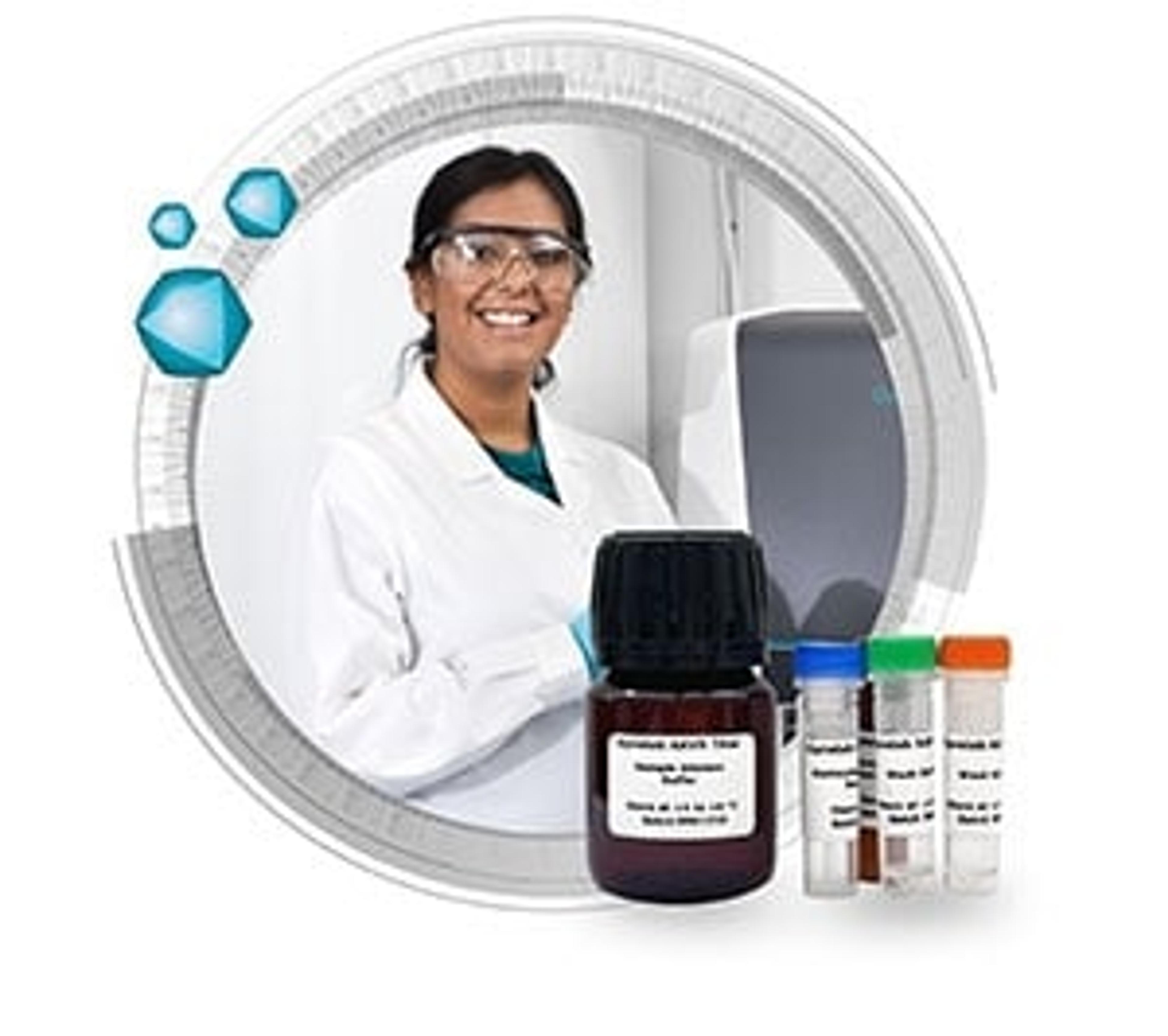
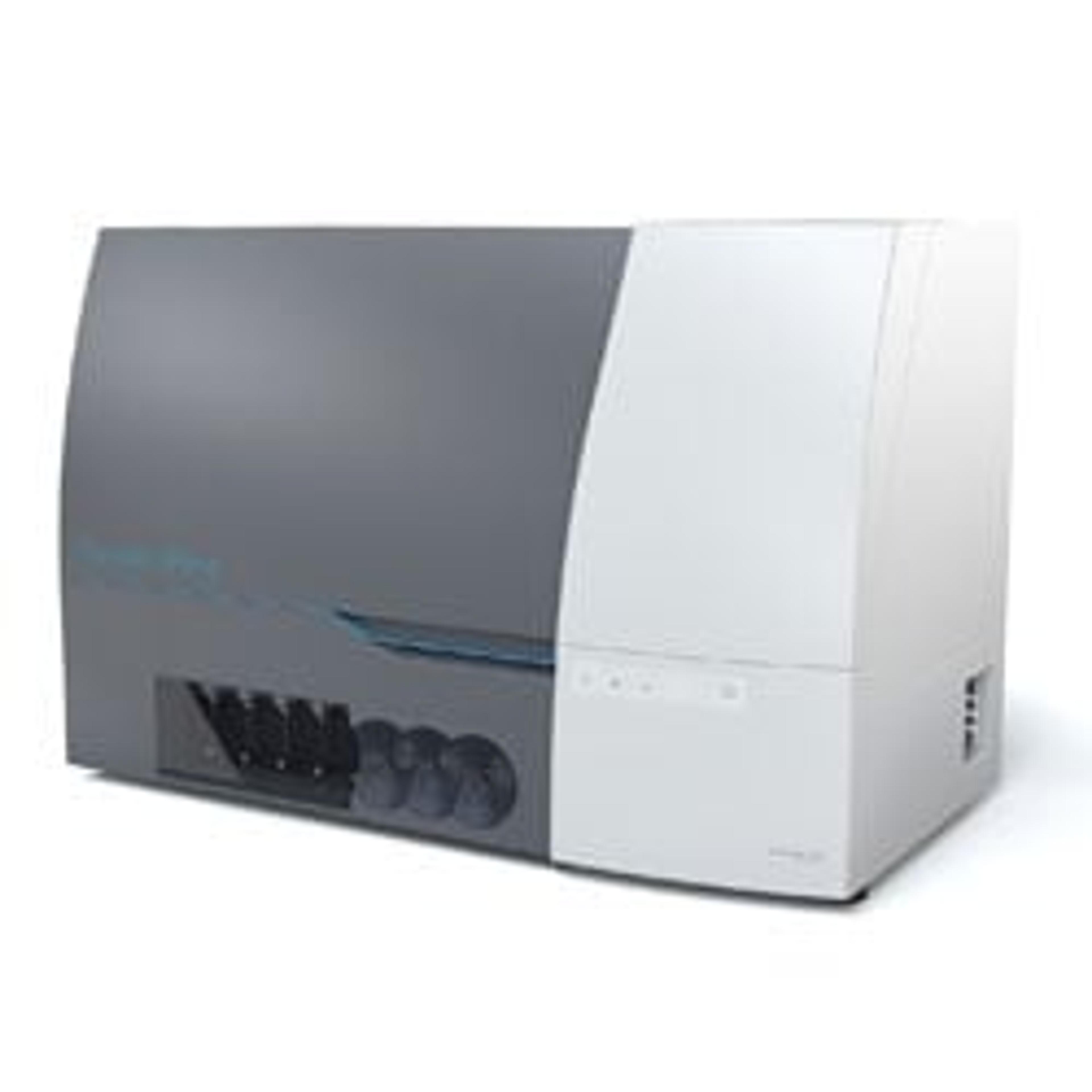
Automated platforms such as the Gyrolab® Immunoassay systems from Gyros Protein Technologies can improve the efficiency of assay-based processes, and can support the development of custom assays if required.

At the Bioprocessing Summit in Boston, we spoke with Todd Glynn, Regional Sales Manager, Northeast, from Gyros Protein Technologies. He told us about the Gyrolab immunoassay kits and solutions for cell and gene therapy viral vector titer and impurity analysis, and how they benefit their customers.

Q: Could you tell us about the Gyrolab Immunoassay Platform and its unique capabilities?

TG: The Gyrolab platform uses a nanoliter flow-through technology that allows you to miniaturize and automate immunoassays using our CD-based labware. With this flow-through technology we utilize an affinity column and that some customers have compared to a combination between an HPLC and an ELISA. So, using the flow-through approach allows for great reproducibility, lower matrix effects, short assay run times, and improved workflow efficiencies.

Q: Can you tell us a little bit about the solutions available from Gyros Protein Technologies for cell and gene therapies, viral vector titers, and impurity analysis?

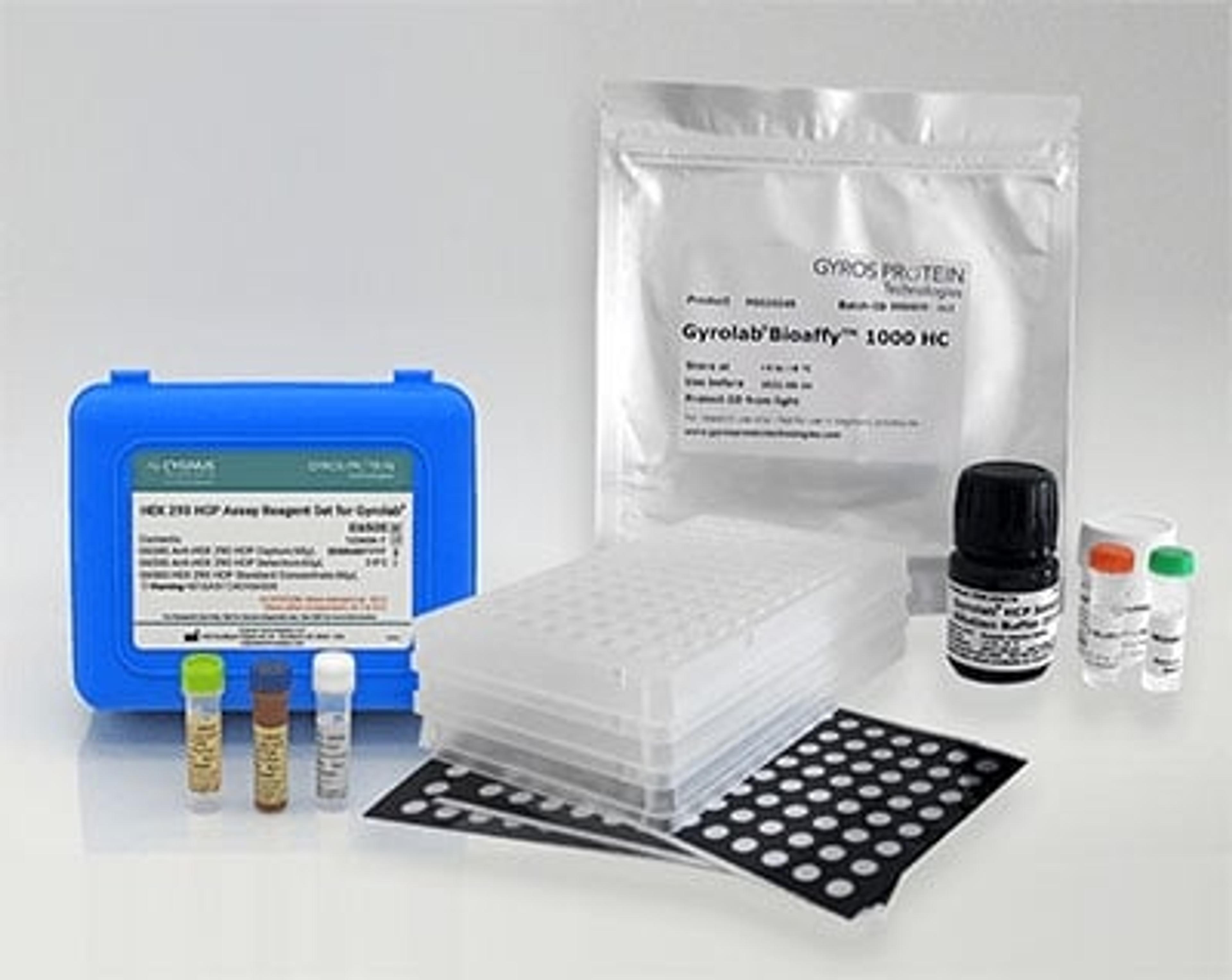
TG: In terms of our solutions that we offer for cell and gene therapy and impurities testing, we offer quite a few. The ones that I'd like to highlight from our viral vector titer kits are AAV and p24. Gyrolab AAV Titer Kits (Gyrolab AAVX and AAV9 Titer Kits) are catching a lot of traction because they analyze the most common AAV serotypes of 1 through 10. The p24 Kit is also catching some traction as we're seeing more customers analyze the p24-containing lentiviral vectors, reflecting increasing demand for lentiviral-based gene therapies, and they appreciate the high precision results and the 80-minute assay turnaround time.

For impurities testing, I want to highlight our HEK 293 HCP Solution for Gyrolab for the detection of host cell protein (HCP) impurities. This is developed in collaboration with Cygnus Technologies, so the reagents are from their industry-standard ELISA kit. We do also offer Gyrolab CHO HCP and endonuclease impurity kits, as well as E. coli HCP kits.

I also want to share our cytokine-based assays for early drug discovery. Due to Gyrolab platform being an open platform, scientists can readily transfer assays and develop their own assays with ease – if there's something that you do not see on our menu, but you're interested in, we can have that talk with our custom assay development services group about developing something that fits your budget, and what you're looking for as well.

Q: What do your users like best while using kits and solutions either for viral vector titer, or impurity analysis?

TG: Our customers like that the Gyrolab platform is so robust and precise, and the reproducibility that you get through our kits. We heavily quality control our kits in our location in Sweden. So, there's high performance reliability between lots.


You put in your reagents, you set up the run using our really easy-to-use software, and you're able to walk away for an hour while the instrument does everything for you.


Todd Glynn

Gyros Protein Technologies

I think that's something that the scientists really like, as well as the ability to ‘set it and forget it’: The instrument itself is both a liquid handler and an analyzer. You put in your reagents, set up the run using our really easy-to-use software, and you're able to walk away for an hour while the instrument does everything for you.


Q: Finally, can you tell us how using Gyrolab immunoassays and other solutions positively impact on workflow and data quality?

TG: Data and workflow enhancements using our technology are mainly seen through the saving of time, and how robust our platform is. The data that you're receiving is going to be precise, and it's going to be reproducible. All of these things lead to a big cost and time saving for our customers. And then also to have the ability for your scientists and technicians to walk away and multitask. It just saves a lot of time. It's a really nice platform for miniaturizing and automating immunoassays to save analysis time.

You can listen to this conversation in our podcast, here >>
Read more

Links

Tags

Cell / Tissue CultureCell culture or tissue culture is used to study the biology of cells or tissues and to isolate cellular products in an environment which can be manipulated and well defined. Accurately control your culture environment with bioreactors or culture incubators, bind your cells to a surface or together with an extracellular matrix. Distinguish cell types with differential media or proliferate cells with certain characteristics using selective media. Enrich your media with supplements such as growth factors, sera and vitamins. Find the best cell and tissue culture products, kits and equipment in our peer-reviewed product directory: compare products, check customer reviews and receive pricing direct from manufacturers.ELISAEnzyme-linked immunosorbent assays (ELISA), also known as enzyme immunoassays (EIA), are used for the detection and quantification of proteins, peptides and antibodies in a sample. ELISA often comes in kit format, with pre-selected antibody pairs to detect specific proteins or biomarkers of diseases such as diabetes and obesity, or cardiovascular and neurological disorders. Detection is made possible with chemiluminescent, fluorescent or colorimetric substrates and detection instruments such as microplate / ELISA readers. Other kits available include: Enzyme-linked immunospot (ELISPOT) assays for the quantification of protein-producing cells and chemiluminescent immunoassays (CLIA) kits. Find the best ELISA kits and products in our peer-reviewed product directory: compare products, check customer reviews and receive pricing direct from manufacturers.Labware and Lab SuppliesLabware and lab supplies include various forms of glassware, plasticware, reagents and personal protective equipment (PPE) and are used across all scientific laboratories, enabling daily tasks to be performed. Explore a range of flasks and beakers, petri dishes, carboys and storage bottles. Labware such as condensers, desiccators and burettes are also available for more specific tasks. Find the best labware and lab supplies in our peer-reviewed product directory: compare products, check customer reviews and receive pricing direct from manufacturers.Cellular PathologyCellular Pathology deals with the microscopic analysis of tissue samples and cells. Sample preparation and processing includes fixation, staining, sectioning and slide mounting, using equipment such microtomes and cryostats. In choosing immunohistochemistry and immunocytochemistry kits, consider chromogens, staining method, antibodies, microscopes and imaging.Cell-Based AssaysCell-based assays are used to monitor the presence, quantity and activities of a desired cellular analyte including drug molecules or biomarkers. This can reveal information on cell health (apoptosis, cytotoxicity, viability and proliferation assays), cell metabolism, cell migration and cell signaling mechanisms. Find the best cell-based assay products, kits and equipment with our peer reviewed product directory: compare products, check customer reviews and receiving pricing direct from manufacturers.BiomarkersBiomarkers are biological markers which can be measured and evaluated to indicate a biological state. The use of biomarkers in research and diagnosis can indicate a normal or disease state or drug response of cells / tissues. Biomarkers include genetic markers, cell surface markers such as antigens, antibodies or receptors and secreted molecules such as cytokines. An assay system is required for identification of biomarkers. :Automated Liquid HandlingAutomated liquid handling equipment is used to mix, dilute and dispense allotted volumes of liquid into microplates and other vessels automatically. The robotic, liquid handling arms can dispense from single channel to 3456 multichannel as well as operate nanoliter dispensing, enabling high throughput of samples. Find the best automated liquid handlers in our peer-reviewed product directory: compare products, check customer reviews and receive pricing direct from manufacturers.Protein QuantificationThe detection and quantification of proteins in a sample is vital across life sciences, pharmaceutical research and clinical diagnostics, and a variety of equipment is available to scientists to simplify the workflow. Proteins of interest can be easily labeled and detected on light-based detection instruments. Immunoassay kits allow you to identify a specific protein of interest and protein detection beads or antibody microarrays allow you to identify multiple specific proteins at once. Protein interactions and enzyme activity can also be monitored with protein-protein interaction assays. Additionally, the biophysical characterization of proteins is made easy with biokinetic analyzers. Find the best protein detection and quantification products in our peer-reviewed product directory: compare products, check customer reviews and receive pricing direct from manufacturers.DNA / RNA QuantificationDetection and quantification of nucleic acids is important in molecular biology, cloning, expression, forensics and clinical diagnostics. Nucleic acids can be detected by labeling with colorimetric, fluorescent or radio labels and using in situ hybridization kits to identify specific sequences. Multiple nucleic acids can be detected and quantified at once using RNA / DNA detection beads or RNA / DNA microarrays. Find the best DNA / RNA Quantification products in our peer-reviewed product directory: compare products, check customer reviews and receive pricing direct from manufacturers.ImmunoassayImmunoassays are laboratory tests that utilize antibody-antigen interactions to detect specific substances. They are widely used in diagnostics for detecting diseases, drug testing, and environmental monitoring. These assays offer rapid, sensitive, and precise detection of biomarkers, making them invaluable in clinical and research labs. Browse our peer-reviewed product directory to compare immunoassay systems, read user reviews, and get pricing directly from manufacturers.Cell TherapyCell therapy involves using living cells to treat diseases, often by replacing damaged cells or stimulating regeneration. Stem cell therapy and CAR-T cell therapy are examples of cutting-edge treatments in regenerative medicine and cancer immunotherapy. Browse our peer-reviewed product directory to find the best cell therapy tools, compare products, check reviews, and get pricing directly from manufacturers.Gene TherapyGene therapy is a technique that modifies or replaces genes within an individual's cells to treat or prevent diseases. This approach holds potential for curing genetic disorders, cancers, and certain viral infections. Advances in gene editing technologies like CRISPR are driving the growth of gene therapy. Explore gene therapy tools and technologies in our peer-reviewed product directory; compare products, check reviews, and get pricing directly from manufacturers.