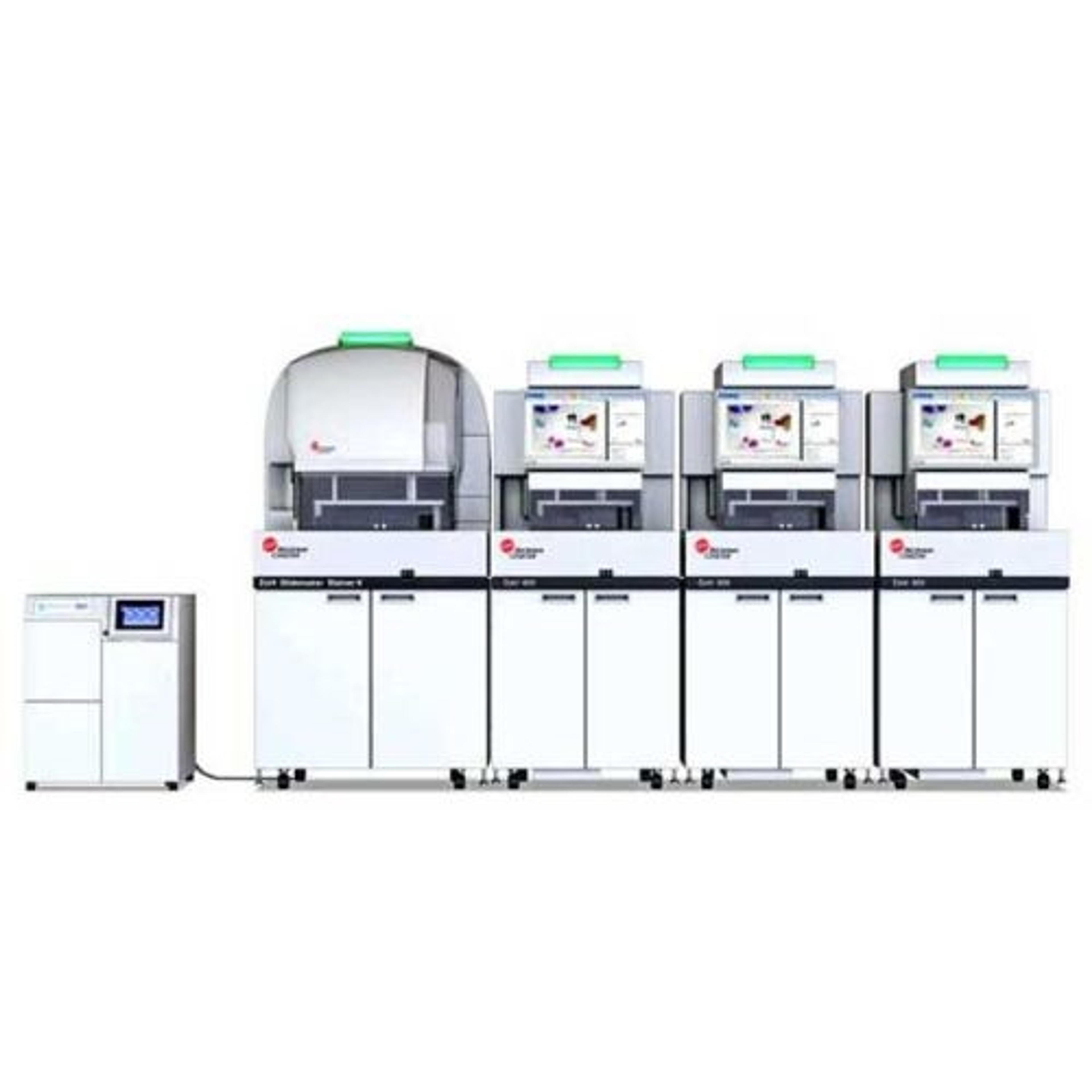
At the Cutting Edge of Hematology Analysis
The diagnostic capabilities of the hematology laboratory have never been of a higher standard
18 May 2016
Editorial article
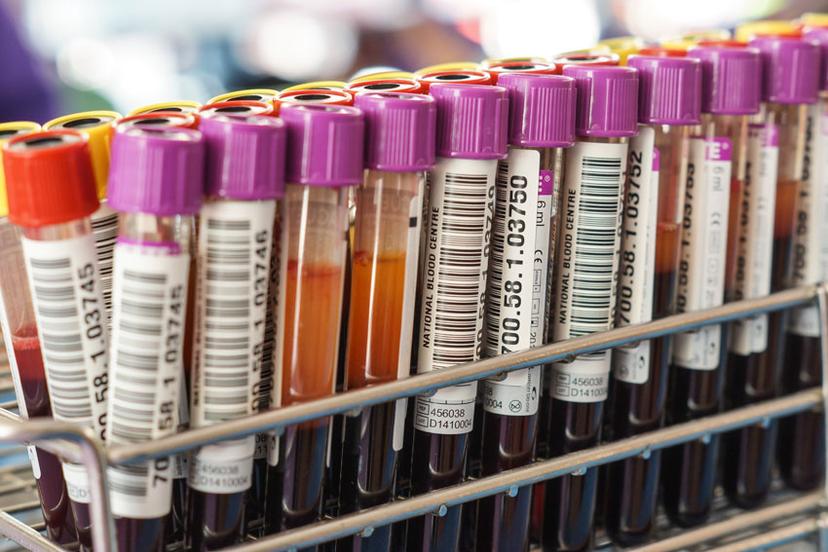
Hematology testing has come a very long way over the last 60 years
Image: Shutterstock/wk1003mike
Hematological analysis of blood is a complex process that has been transformed over the last 60 years.
In the 1950s, complete blood counts (CBC) were performed manually by a technician in front of a microscope and hemoglobin was measured manually using a cyanmethemoglobin method. These methods, while ground-breaking in their time, were slow and time consuming.
Like all diagnostic technology, hematology platforms have evolved to enable laboratories to meet rapid turnaround time targets, increased workloads, quality assurance requirements and efficiency standards.
Moving with the times
Most modern hematology analyzers are fully automated, allowing the user to place the samples at the start, press a button and wait for a result to be produced at the end of analysis. However state-of-the-art systems are also suitable for incorporation into total automation solutions – in which robotic tracks transport samples between analyzers, carry out pre-analytics, perform reflex testing and at the end of analysis, archive the specimens.
While some laboratory staff have worried that their jobs are being replaced by automation, the reality is that these automated systems free up highly qualified personnel to perform the tasks for which they have been trained. Hematology staff have more time to authorize results, assess quality and carry out morphological screening. Automation also reduces the opportunity for human error and massively improves laboratory efficiency.
Flexible configuration and design
Sysmex technology beautifully highlights the flexibility and throughput that can be offered by modular systems. The Sysmex XN Series Analyzers can be freely configured with up to 9 modules, built-in auto reflex testing, a range of additional connectable products such as tube sorters and ESR testing, and can process up to 900 samples per hour.
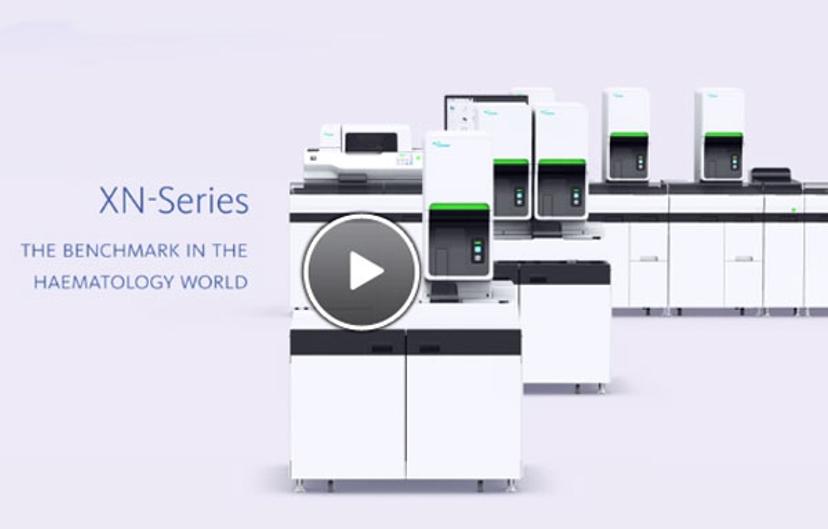
Watch the video: Sysmex XN Series Changing Perspectives
Cutting edge technology for superior results
As well as providing flexibility, modern hematology analyzers incorporate state-of-the-art technology. Beckman Coulter’s Unicel DxH Connected Workcells use Automated Intelligent Morphology (AIM) flow cytometric technology. Multidimensional high-definition cellular analysis, enhances the visual cellular investigation of abnormal specimens, providing users with more hamatological information than ever before.
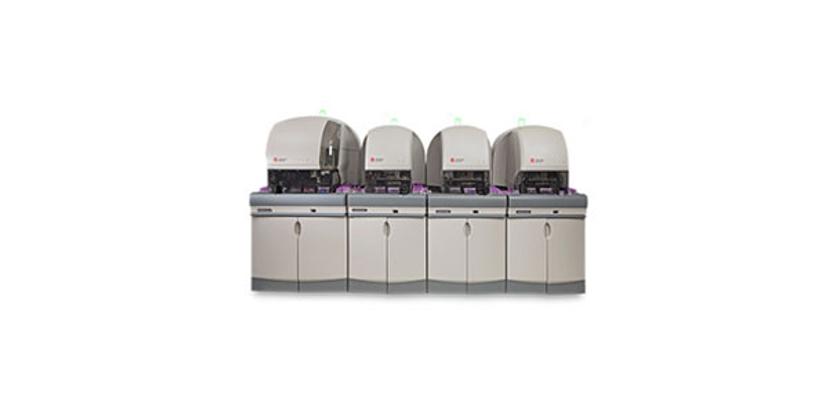
The Unicel DxH Connected Workcells use cutting edge technology to provide hematologists with more data than ever before
Thanks to the industry’s continued development and investment in hematology, its desire to break scientific boundaries and its ability to listen to the user, the diagnostics manufacturers continue to deliver at the forefront of clinical testing.
Related products
Request Quote for All Products
XN-Series Haematology Analyzers
Sysmex Europe SEHematology Automation Analyzer. Integrated modules - XN analytical, barcode terminal, SP for smear making/staining.