Antibody drug development: Key resources for scientists

Improve antibody characterization and analysis workflows for monoclonal antibodies with these free resources

12 Oct 2022

Sarah Thomas
Associate Editor

Editorial article

antibody drug development
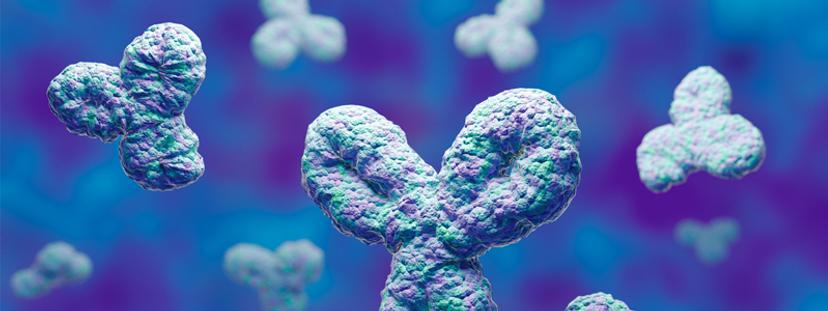
Robust characterization of monoclonal antibodies plays a key role in antibody drug development Image © Adao Gileno Carmo dos Santos 123rf.com

Antibody drug development is a growing field, with antibody-based drugs accounting for many new approvals. The use of monoclonal antibodies in immunotherapy has enabled the development of targeted treatments for diseases such as cancer, auto-immune disease, and viral infection that are effective while minimizing off-target effects that occur with other treatment methods, such as chemotherapy.

To ensure the safety and efficacy of antibody therapeutics, it is important their properties as well as their impact on immune response is well characterized during antibody drug development. Here, we collate some of the latest methods and technologies that are helping to advance antibody drug development.

Developing a highly robust, efficient, and cost-effective monoclonal antibody workflow

In this application note from Eppendorf, discover top tips for increasing the reproducibility and productivity of your mAb research and antibody drug development process. Explore how you can optimize process development, scale up, and manage devices to maximize yields and prevent instrument downtime using instruments including the Eppendorf BioFlo® 320 benchtop bioprocess system.

SEC-MALS analysis of antibody therapeutics: A robust method for in-depth sample characterization

Characterization of antibody aggregation and fragmentation is a key step in antibody drug development. In this application note, Tosoh Bioscience demonstrates the benefits of the LenS3 Multi-Angle Light Scattering Detector combined with the TSKgel® UP-SW3000-LS SEC column for analysis of monoclonal antibodies. The method can determine the molecular weights of sample components and is sensitive down to less than 50 ng of dimerized antibody.

In-solution measurement of antibody affinities and binding stoichiometries

Elucidating mechanism of action is an important step in antibody drug development. In this application note by Fluidic Analytics, learn how Microfluidic Diffusional Sizing (MDS) technology of the Fluidity One-M can be used to quantify and characterize a monoclonal antibody that binds to α -synuclein monomers, oligomers, and fibrils. The assay takes only 2–3 hours, is immobilization-free, provides universally comparable KD values to assess specificity, and determines stoichiometry, required to investigate the mechanism of action.

Tools to monitor immunogenic responses in antibody drug development

In this white paper from RayBiotech Inc., learn how the monitoring of efficacy and immunogenic responses to an antibody therapeutic can be aided by immunoassays tailored to the drug of interest, its target, and even its downstream effects. Here, discover fit-for-purpose assay formats corresponding to each R&D goal in the antibody drug development process.

Validating quality and specificity of antibody libraries using cell sorting

In this video, Dr. Frédéric Leduc, Immune Biosciences, discusses his work engineering next-generation immunotherapies with applications in infectious disease and oncology. Leduc explains how the Sony SH800 Cell Sorter provides a simplified cell sorting solution for all stages of the antibody drug development process from target validation to biomanufacturing.

Engineering recombinant immune checkpoint proteins for antibody drug development

Antibody drugs that target immune checkpoints are a key focus in the development of therapies for cancer and other diseases. In this scientific poster, ACROBiosystems presents a series of examples of recombinant protein engineering for antibody drug development guided by their structural, biological, and biochemical properties.

The SelectScience biopharmaceutical community offers a wealth of downloadable resources, interviews, online events, and news to help you optimize antibody drug development. Register for free to receive your free SelectScience biopharmaceutical newswire (see our October edition) to keep up to date.

Links

Tags

UHPLC and HPLCHigh performance liquid chromatography (HPLC) and ultra high performance liquid chromatography (UHPLC), also known as UPLC, are analytical techniques used to separate, identify and quantitate components of complex mixtures including biological samples such as proteins and lipids as well as chemical mixtures of pesticides, drugs and oils. Both techniques are liquid chromatographic methods but differ by operating pressures (HPLC < 6000 psi < UHPLC ). Components of HPLC and UHPLC systems include columns, detectors, pumps, autosamplers and column heaters. Explore a range of UHPLC and HPLC columns for your specific sample needs including reverse phase, normal phase, ion exchange, HILIC, ion exclusion and size exclusion columns. For more specialized HPLC, explore FPLC, countercurrent LC and simulated moving bed systems. Find the best UHPLC and HPLC equipment in our peer reviewed product directory: compare products, check customer reviews and receive pricing direct from manufacturers.Size Exclusion ChromatographySize exclusion chromatography (SEC) is a liquid chromatographic technique used to separate and identify molecules based on their size, including polymers, proteins, nanoparticles & nucleic acid. SEC is further subdivided into gel filtration chromatography (GFC) and gel permeation chromatography (GPC) when an aqueous or organic mobile phase is used respectively. HPLC-based SEC systems and columns are available for analytical separation alongside SEC spin columns or filters to prep samples for many protocols. Find the best size exclusion chromatography equipment in our peer-reviewed product directory: compare products, check customer reviews and receive pricing direct from manufacturers.UV-Visible SpectroscopyUltraviolet-visible (UV-Vis) spectrophotometers are used to measure the interaction of UV and visible light with a sample, including transmission, reflectance & absorbance. The two major instrument classes are single-beam or double-beam spectrophotometers. More specialized equipment includes colorimeters, spectroradiometers and refractometers. Portable and microvolume spectrophotometers are also available. For the modular spectroscopy lab, explore a range of light sources for combination with a spectrograph/spectrometer and optics. Find the best UV-Vis spectroscopy products in our peer-reviewed product directory: compare products, check customer reviews and receive pricing direct from manufacturers.AntibodiesAntibodies are used in techniques such as confocal and fluorescence microscopy, flow cytometry, ELISA, ELISPOT, immunohistochemistry, western blotting and immunopreciptation. Select specific antigen reactivity, high specific affinity, low non-specific binding, monoclonal or polyclonal, primary or secondary antibodies and associated conjugates such as an enzyme or dye for visualization.Cell-Based AssaysCell-based assays are used to monitor the presence, quantity and activities of a desired cellular analyte including drug molecules or biomarkers. This can reveal information on cell health (apoptosis, cytotoxicity, viability and proliferation assays), cell metabolism, cell migration and cell signaling mechanisms. Find the best cell-based assay products, kits and equipment with our peer reviewed product directory: compare products, check customer reviews and receiving pricing direct from manufacturers.BiomarkersBiomarkers are biological markers which can be measured and evaluated to indicate a biological state. The use of biomarkers in research and diagnosis can indicate a normal or disease state or drug response of cells / tissues. Biomarkers include genetic markers, cell surface markers such as antigens, antibodies or receptors and secreted molecules such as cytokines. An assay system is required for identification of biomarkers. :Biopharmaceutical AdvancesBiopharmaceutical advances follow the development of pharmaceuticals derived from biotechnology, also known as biotechnology medicines. Biopharmaceuticals may be produced from cell lines, plants, or microbial cells. Important considerations of biopharmaceutical use include application, cost, production process and purification.Bioprocessing / FermentationBioprocessing is the use of biological materials to perform commercial, scientific or medical research processes. Biological materials used include cells, enzymes and organisms. Usually bioprocessing requires a batch or continuous bioreactor such as a fermentor or cell culture system. The advantages of using a reactor include high productivity, easy configuration, adjustable values and automation.