
Analyzing Chemical Contaminants in the Environment at Trace Levels
Learn how a laboratory in the United States is using highly sensitive chromatography approaches to measure the tiniest amounts of the latest synthetic chemicals contaminating our food, clothes and environment
1 Oct 2018Editorial article
In the 1950s, driven by the need to increase crop yields and feed the world, humanity unleashed an organochlorine insecticide called DDT upon our fields. Insect pests were duly dispatched, but DDT bioaccumulated up food-chains and became infamous for its environmental impacts before it was ultimately banned.
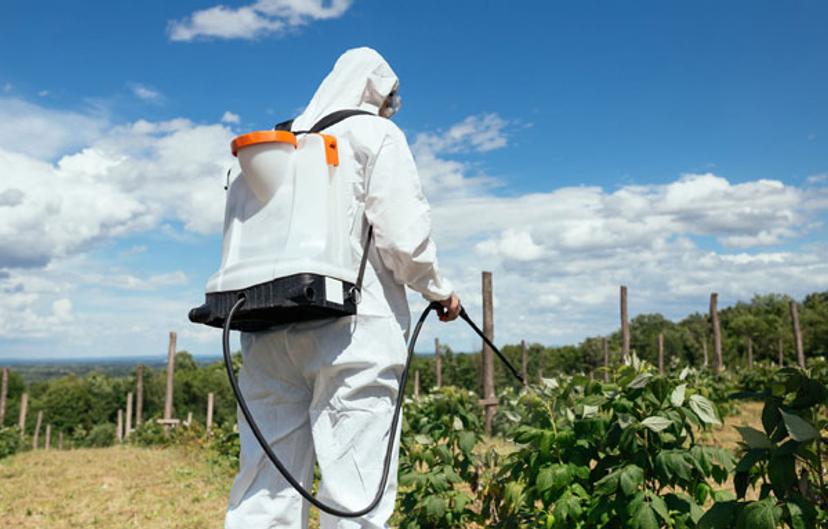
Today, we are introducing new synthetic organofluorine (OF) compounds into our bodies and environment through food packaging, textiles and consumer goods, which also bioaccumulate. They have been found in the blood of the general population and have (as yet) untested hypothetical links with some adverse health effects.

Detecting these compounds in increasingly trace amounts in environmental samples is an important prelude to their possible regulation, and one company in the U.S. specialises in such environmental testing. Dr. Agustin Pierri is the technical director at Weck Laboratories, Inc., a company at the forefront of emerging environmental contaminants and the development of cutting-edge methods to detect them in increasingly smaller amounts. Based in California, Weck Laboratories is a full-service analytical laboratory also certified for testing food and consumer products, serving dozens of industries across the United States. Pierri works as a method development manager and, through his partnership with the technology provider Phenomenex, comes up with new approaches for analyzing little-known emerging contaminants which are often under the regulatory radar. Until recently, that was certainly true of a large group of OF compounds called per- and poly-fluoroalkyl substances (PFASs).
PFASs – pervasive, persistent and pernicious?
PFASs are present in trace amounts the world over, thanks to their widespread use in food packaging, textiles and fire-fighting foams. And they are very persistent in the environment, as Pierri notes: “It’s a little alarming that they’re everywhere, and that they’re very hardy. You can’t oxidize them, heat them up or break them down. They just don’t decompose - they’re very prevalent.”
Over 20 different PFASs have been analyzed by the labdown to the nanograms per liter level, but little is known about the health effects of most of them. Two of the most commons PFASs now have advisory limits set down by the U.S. Environmental Protection Agency, but Pierri highlights the problem: “There’s a lot of data out there in terms of these compounds which suggests they’re very toxic, harmful or cause developmental problems. At the same time, these compounds are found in almost every person’s blood and they’ve been linked to health effects which are not clear. There’s lots of conflicting information going both ways, but they’re definitely problematic. We’ve had a lot of demand for PFAS testing in the past few years — they are big emerging contaminants. We wanted to get the method working in our lab with our instrumentation.”
Advanced chromatography – A partnership with Phenomenex
Achieving analytical sensitivity at the nanograms per liter level in a range of sample matrices requires state-of-the-art equipment, and Pierri is effusive about the benefits of the Phenomenex kit he uses for PFAS work. These include the Luna Omega 1.6μm PS C18 HPLC column, which Pierri is particularly excited about: “The quality is very high now for the ‘Omegas’. The columns are very reproducible and we’re running a fair amount of environmental samples with minimal clean-up. With the small particle Omegas, we get nice and consistent separation results with them. I’m happy because they’re very robust.”
The lab also employs the Kinetex 1.7μm Core-Shell Column, about which Pierri says: “The Kinetex columns are neat because of the way they’re made. The core shell properties give relatively high efficiency columns with relatively low back pressure, so we can run more aggressive kinds of separation.”
As for the relationship with Phenomenex as technology provider, Pierri reflects: “They are responsive to what we need. If we need a specific cartridge or type of column, they can give it to us very quickly. We are lucky because they are local, and they have helpful sales and technical people. If we need something right away there is always somebody available – it’s usually very quick.”
Future developments
Pierri sees the next research developments focusing on increasing sensitivity: “The future is only going to lower detection levels, and there’re always new compounds we’ll be looking for, such as microplastics and nanomaterials from the consumer goods that we’re using on a global scale in hundreds of millions of tonnes. These things will wind up somewhere and I think that might be the next big thing for the industry.”
He further adds: “This could mean more clean-up and better separation in terms of the detection techniques, but you can also see a push to greater sensitivity on the instrument side and less of a clean-up. I can see the future going both ways.”
Find out more about the work of Weck Laboratories and how Phenomenex’s Luna Omega 1.6μm PS C18 and Kinetex 1.7μm Core-Shell Column could help you.
Related products
Request Quote for All Products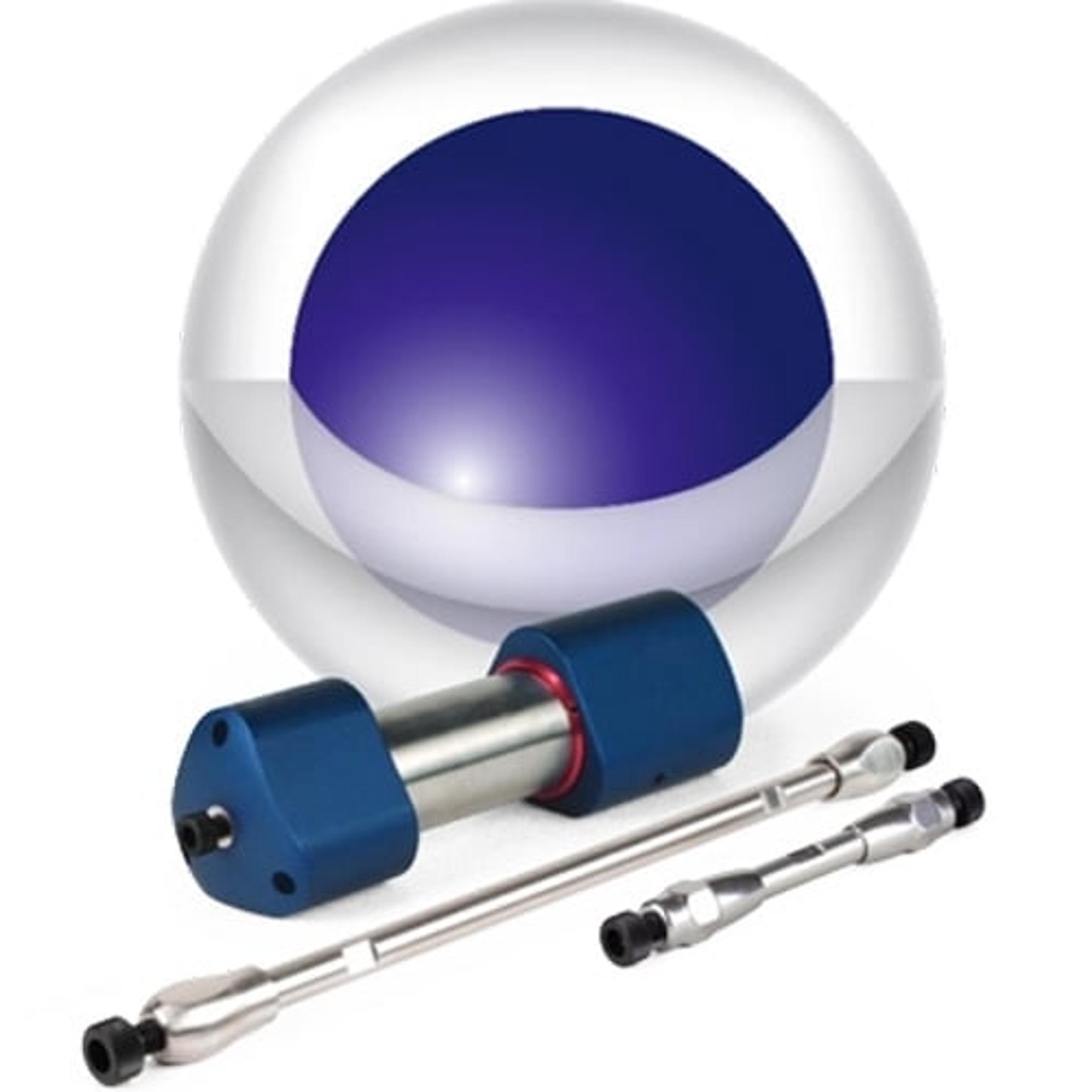

Luna Omega 1.6µm Columns
Phenomenex IncEnhanced with 20 Years of technology, innovation, and experience, Luna Omega 1.6µm columns build upon the Luna legacy to now provide incredible UHPLC performance and selectivity. With Luna Omega columns you gain: Astounding UHPLC performance and efficiencies Greater separation muscle Better peak shape through an inert foundation Extreme ruggedness and dependability