Analytical Sciences Scientists’ Choice Awards winners announced

Thermo Fisher Scientific, Agilent Technologies, and Waters Corporation among those recognized

5 Jun 2022

Kerry Parker
CEO

Editorial article

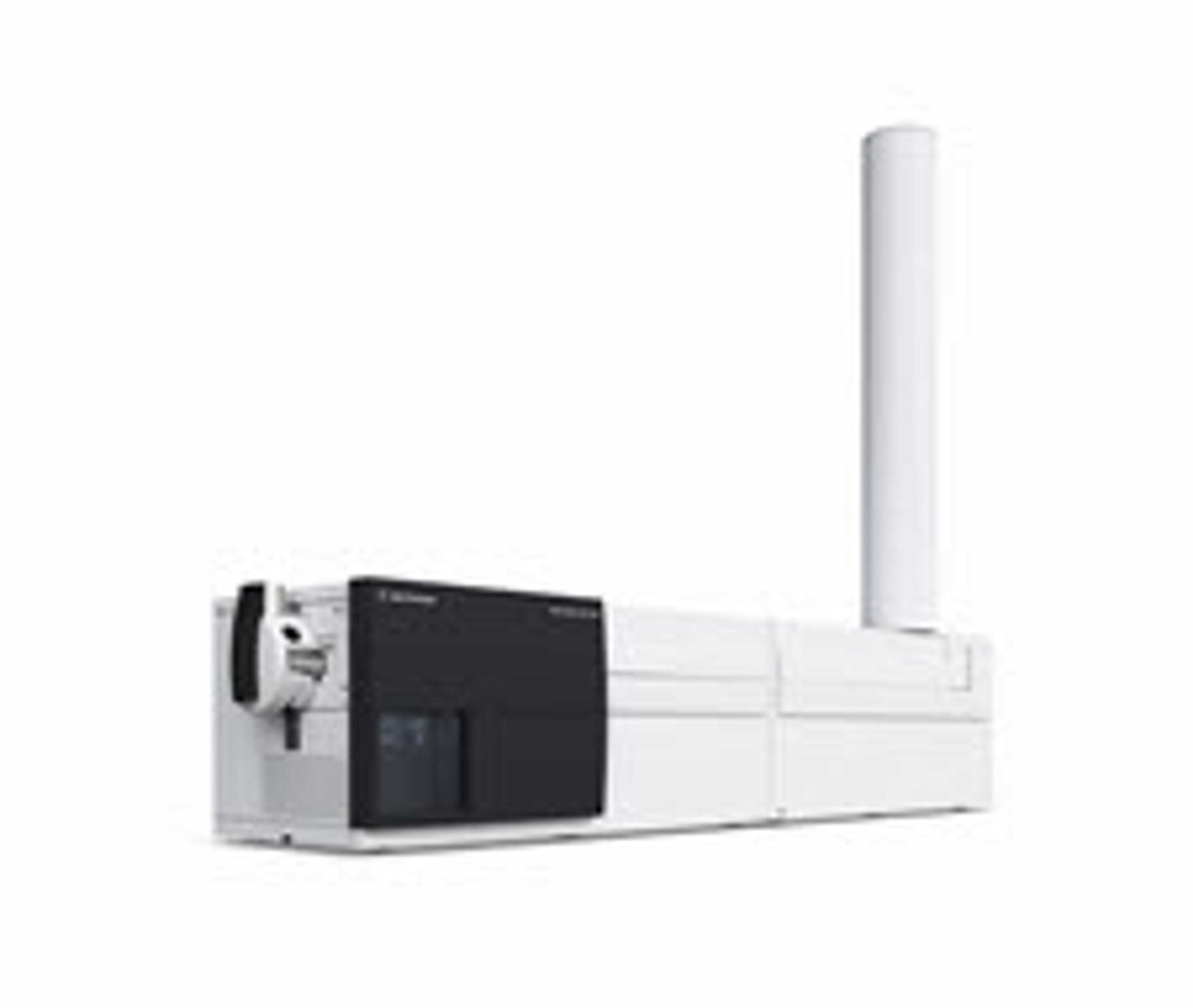
The Agilent 6560C Ion Mobility LC/Q-TOF is the winner of Best New Spectroscopy Product of 2021. The Thermo ScientificTM VanquishTM Neo UHPLC System is the winner of Best New Separations Product of 2021.
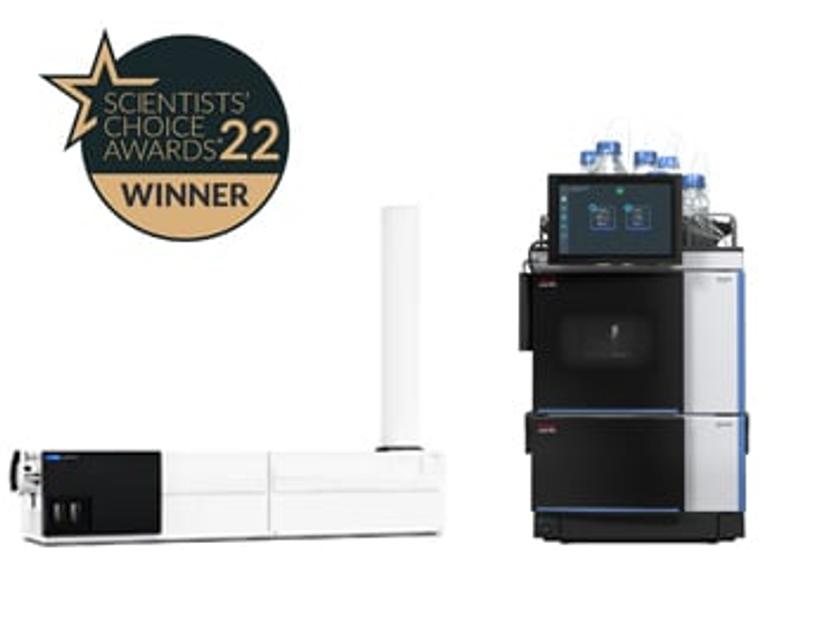
The Agilent 6560C Ion Mobility LC/Q-TOF (left) is the winner of Best New Spectroscopy Product of 2021. The Thermo ScientificTM VanquishTM Neo UHPLC System (right) is the winner of Best New Separations Product of 2021.

The world’s most innovative and effective analytical science technologies have been recognized during a special online ceremony. Winners of the 2022 Scientists’ Choice Awards® were announced by SelectScience CEO, Kerry Parker, and Editor, Dr. Lois Manton-O’Byrne.

Now in their 15th year, the awards are unique in the industry as they are chosen by scientists. Each year, we invite scientists around the globe to participate by nominating, reviewing, and voting for the lab products that have had the greatest impact on their work. This year, more scientists than ever got involved — read on to reveal their chosen winners.

Best New Spectroscopy Product of 2021

The award for Best New Spectroscopy Product of 2021 goes to the Agilent 6560C Ion Mobility LC/Q-TOF by Agilent Technologies, as voted for by scientists around the world.

The Agilent 6560C Ion Mobility Q-TOF LC/MS system combines chromatography, ion mobility, and mass spectrometry, and is designed to uncover structural information that cannot be seen with traditional high-resolution LC/MS systems.

Your runners-up are:

Best New Separations Product of 2021

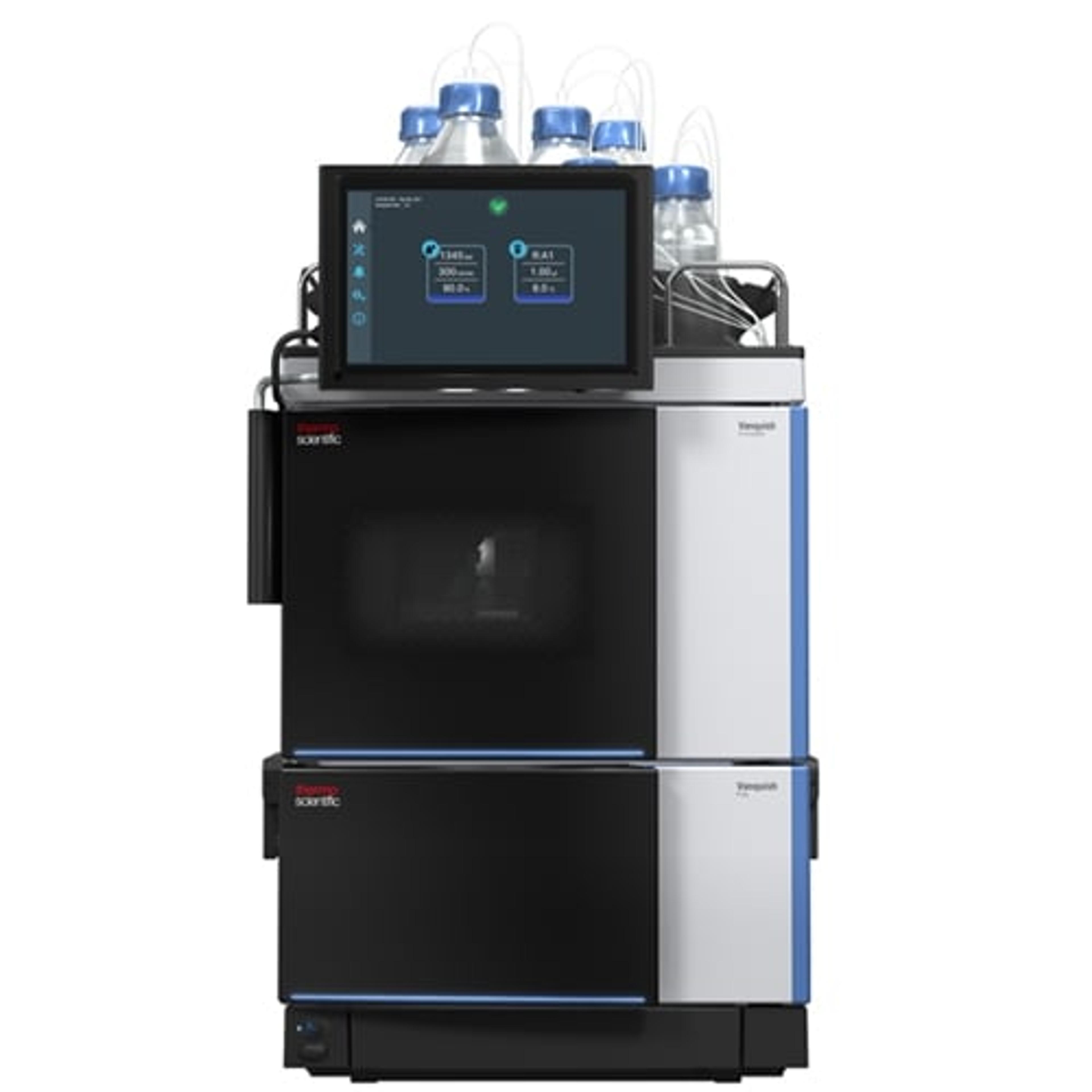
The award for Best New Separations Product of 2021 goes to the Thermo ScientificTM VanquishTM Neo UHPLC System by Thermo Fisher Scientific, as voted for by scientists around the world.

The Thermo Scientific™ Vanquish™ Neo UHPLC System is driven by a unique low-flow split-loop autosampler design to limit sample dispersion, reduce system carryover, and maximize sample usage. This new low-flow system is designed to deliver excellent retention time precision from nano up to 100 μL/min at pressures up to 1,500 bar.

Your runners-up are:

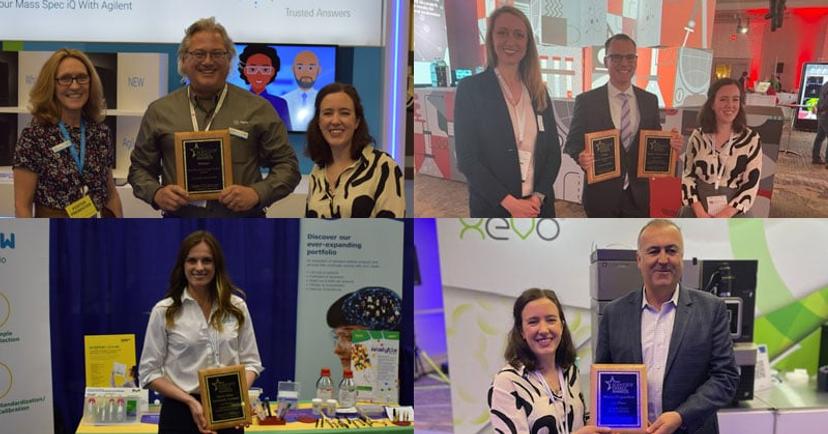
Clockwise from top left: Dr. Christian Klein, Agilent Technologies, collects the award for Best New Spectroscopy Product. John Lesica, Thermo Fisher Scientific, collects both the Best New Separations Product and Analytical Science Innovative Content of the Year awards. Tihana Tomas of MilliporeSigma, the U.S. and Canada Life Science business of Merck KGaA, Darmstadt, Germany, accepted the Analytical Science Editorial Article of the Year award on behalf of colleagues in Germany. Jonathan Pratt, Waters Corporation, collects the award for Reviewers' Choice: Analytical Science Customer Service of the Year.

Reviewers' Choice: Analytical Science Customer Service of the Year

In recognition of receiving consistently positive after-sales feedback from scientists around the globe via SelectScience reviews, Waters Corporation takes home the customer service award.

Analytical Science Video Interview of the Year – in association with The Scientists’ Channel

This year’s winning video ‘Robust analysis for ensuring honey authenticity’ is an interview with Matt Campion, laboratory manager at Airborne Honey.

In the winning video, Campion discusses how Airborne Honey has worked to ensure its honey products are honest, undamaged, and traceable through the analysis of ~2,000 honey samples a year. Campion shares how Airborne’s in-house lab tests for honey authenticity use a range of techniques and instrumentation from Agilent Technologies that provide data quality while maintaining high throughput.

“I was very happy to share my thoughts on the work Airborne is doing in the field of honey analysis. Despite being one of the world’s oldest foods, there is still much to learn about honey."

Matt Campion, laboratory manager at Airborne Honey.
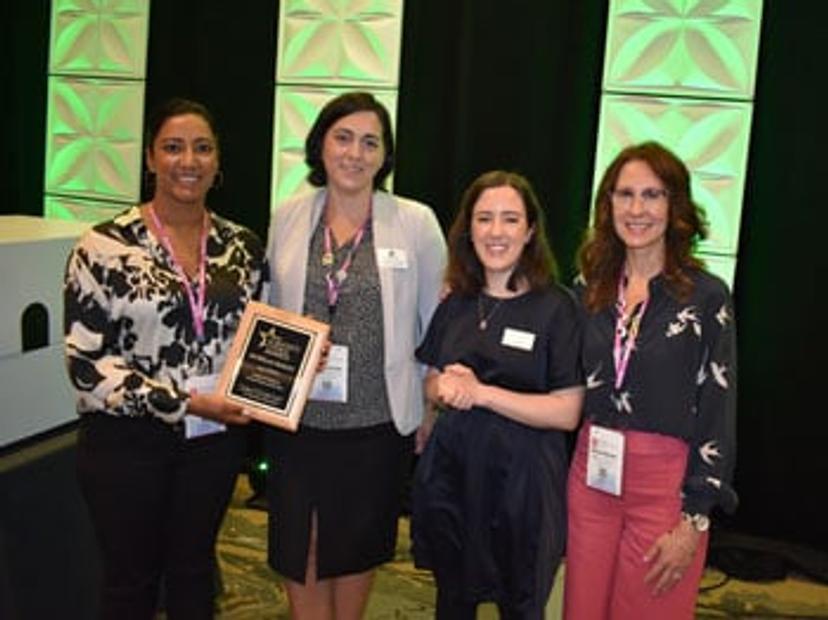
Baljit Ubhi, Roxy McCloskey, and Melissa Sherman, of MOBILion Systems, were presented with the Scientists’ Choice Award for Analytical Science Virtual Event of the Year by SelectScience Editor Dr. Lois Manton-O’Byrne

Analytical Science Virtual Event of the Year

This year’s winner of Analytical Science Virtual Event of the Year is MOBILion Systems for an event featuring talks by Prof. John McLean, Stevenson Professor of Chemistry, Vanderbilt University, Dr. Jared Auclair, Associate Dean of Professional Program and Graduate Affairs, Northeastern University, and MOBILion Systems CEO, Dr. Melissa Sherman. The event ‘Revealing What Others Leave Unseen: The Future of Ion Mobility Has Arrived’ featured the virtual product launch of MOBILion’s HRIM-MS platform as well as presentations by early adopters and beta users of this new separations technology.

Analytical Science Editorial Article of the Year

This year’s winning article is titled ‘Where science meets sustainability: Driving human progress with greener alternatives’ and features technology from Merck KGaA, Darmstadt, Germany.

In this interview, Manfred Wachsmann, Head of Product Management Classical Reagents at Merck, discusses the measures Merck is taking to promote greener practices across its organization, and how it is positioned to support the environmental goals of its customers as a sustainability-driven supplier. Wachsmann also reveals how the company’s pioneering green chemistry evaluation system, DOZN™, is helping scientists and manufacturers find environmentally friendly and safer product alternatives.

“This award is a big honor for me and for the complete company Merck KGaA, Darmstadt, Germany. This honors our ongoing pioneering activities around sustainability in Life Science Industries. A special thanks to SelectScience and its ambition to support us in promoting sustainability and green chemistry.”

Manfred Wachsmann, Head of Product Management Classical Reagents at Merck

Analytical Science Innovative Content of the Year

Thermo Fisher Scientific is the winner of this year's Innovative Content of the Year award, which celebrates new and creative content. The winning content is titled ‘Tackling the residual problem of pesticides: A challenge in the global food supply chain’ and features an informative infographic exploring the international impact of the pesticide problem, socioeconomic risks involved in pesticide use, and what can be done.

Analytical Science Webinar of the Year

This year’s Webinar of the Year is awarded to Waters Corporation. The webinar, titled ‘A new era of chromatography: Improve your accuracy, sensitivity, and precision with redefined HPLC/UHPLC system technologies’, available to watch on demand, discusses a new HPLC/UHPLC solution that is designed to help dramatically improve your data quality and increase chromatographic reproducibility and sample throughput.

Analytical Science Email of the Year

The winner in the Email of the Year category goes to ‘Your innovative choice for an improved purging process’, from Agilent Technologies. The winning email featured free resources on maintaining high environmental health and safety (EHS) standards in the lab.
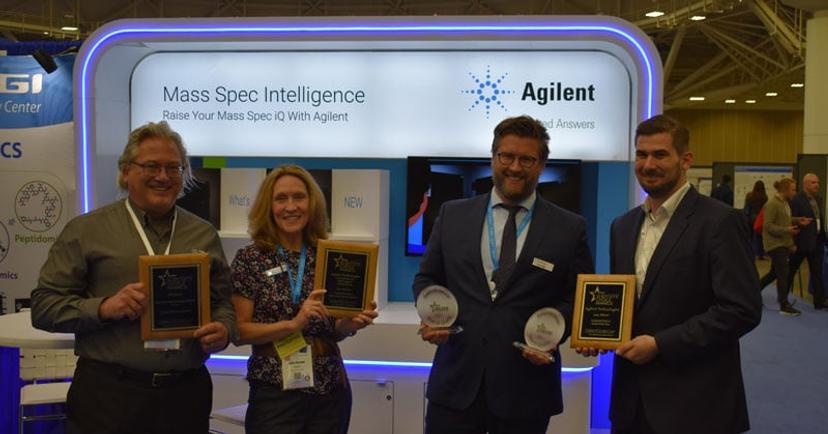
From L - R: Dr. Christian Klein, LC/Q-TOF & IM-QTOF Marketing Product Manager, Dr. Julie Horner Buxton, LC/MS Marketing Manager, Dr. Andreas Ottto, Product Manager, Analytical HPLC, and Dr. Sebastian Weinig-Berger, Product Manager, Technical Marketing from Agilent Technologies.

Do you use any of these lab products? Share your opinion today by leaving a lab product review>>

Visit the Scientists’ Choice Awards website for more information

6560 Ion Mobility Q-TOF LC/MS

Agilent Technologies

The NEW Agilent 6560C ion mobility Q-TOF LC/MS system delivers unrivaled separation and selectivity by combining chromatography, ion mobility, and mass spectrometry. The 6560C Q-TOF LC/MS can even uncover structural information that cannot be seen with traditional LC/MS systems, including separation of in-class isomers via high-resolution demultiplexing (HRdm).
(14)

Links

Tags

Gas ChromatographyGas chromatography (GC) is an analytical technique used to separate and quantitate mixtures of small and volatile compounds. Gas chromatographs or GC systems include components such as GC columns, detectors, pumps and autosamplers. Choose from packed or capillary GC columns, flame ionization (FID), photoionization (PID) electron capture detectors and selective or non-selective detectors. Find the best gas chromatographs in our peer-reviewed product directory: compare products, check customer reviews and receive pricing direct from manufacturers.UHPLC and HPLCHigh performance liquid chromatography (HPLC) and ultra high performance liquid chromatography (UHPLC), also known as UPLC, are analytical techniques used to separate, identify and quantitate components of complex mixtures including biological samples such as proteins and lipids as well as chemical mixtures of pesticides, drugs and oils. Both techniques are liquid chromatographic methods but differ by operating pressures (HPLC < 6000 psi < UHPLC ). Components of HPLC and UHPLC systems include columns, detectors, pumps, autosamplers and column heaters. Explore a range of UHPLC and HPLC columns for your specific sample needs including reverse phase, normal phase, ion exchange, HILIC, ion exclusion and size exclusion columns. For more specialized HPLC, explore FPLC, countercurrent LC and simulated moving bed systems. Find the best UHPLC and HPLC equipment in our peer reviewed product directory: compare products, check customer reviews and receive pricing direct from manufacturers.Size Exclusion ChromatographySize exclusion chromatography (SEC) is a liquid chromatographic technique used to separate and identify molecules based on their size, including polymers, proteins, nanoparticles & nucleic acid. SEC is further subdivided into gel filtration chromatography (GFC) and gel permeation chromatography (GPC) when an aqueous or organic mobile phase is used respectively. HPLC-based SEC systems and columns are available for analytical separation alongside SEC spin columns or filters to prep samples for many protocols. Find the best size exclusion chromatography equipment in our peer-reviewed product directory: compare products, check customer reviews and receive pricing direct from manufacturers.Fluorescence SpectroscopyFluorometers and spectrofluorometers (also called fluorescence spectrometers) are used to measure the intensity and wavelength of fluorescent light emitted from a sample after excitation by illumination. Spectrofluorometers utilize monochromators to select the desired wavelengths, whereas filter fluorometers employ a set of filters. Spectrofluorometers for measuring steady-state fluorescence and lifetime fluorescence (or time-resolved fluorescence) are available, as well as fluorescence microscopes and microplate readers. Find the best fluorescence spectroscopy products in our peer-reviewed product directory: compare products, check customer reviews and receive pricing direct from manufacturers.LC-MSLC-MS (liquid chromatography-mass spectrometry) systems and equipment are used for separation and quantitative analysis of complex mixtures, combining liquid chromatography and mass spectrometry. Quantify proteins, contaminants, pesticides or screen for drug metabolites with a high level of sensitivity. LC-MS systems and equipment include reverse phase, normal phase and specialized columns integrated with various MS detectors such as time-of-flight (TOF), quadrupole, orbitrap or ion trap mass analyzers. LC-MS/MS instruments equipped with a qTOF or triple quadrupole analyzer give greater sensitivity and resolving power to your analysis. Find the best LC-MS equipment in our peer-reviewed product directory: compare products, check customer reviews and receive pricing direct from manufacturers.Mass SpectrometryMass spectrometry (MS) is a powerful analytical technique used to identify and quantify molecules based on the mass-to-charge ratio of gas-phase ions. It provides detailed information about the structure, composition, and properties of compounds and is widely used across fields such as environmental monitoring, materials science, drug discovery and development, food and beverage testing, and wider chemical research. Key MS techniques include tandem mass spectrometry (MS/MS), liquid chromatography–mass spectrometry (LS-MS) and inductively coupled plasma (ICP-MS). Choosing from these wide range of techniques and technologies can be a daunting task, so keep up to date with scientific applications, performance expectations, and customer reviews here all in one place. Visit our product directory to receive quotes direct from the manufacturer. NMR and EPR SpectroscopyNuclear magnetic resonance (NMR) spectroscopy is used to resolve the local chemical environment of atomic nuclei with spin, revealing information on molecular structure, dynamic processes and chemical reactions of organic molecules, from proteins to synthetics. Electron paramagnetic resonance (EPR) also known as electron spin resonance (ESR) spectroscopy is used to detect and quantify paramagnetic species in a sample, including free radicals as transition metal ions. By immersing the sample in a strong magnetic field, both NMR and EPR spectrometers probe the sample with either radio waves or microwaves respectively. A range of benchtop, solid-state and time domain NMR spectrometers & EPR spectrometers are available, as well as NMR tubes, NMR solvents, software, coils, and magnets. Find the best NMR & EPR equipment in our peer-reviewed product directory: compare products, check customer reviews and receive pricing direct from manufacturers.Raman SpectroscopyRaman spectroscopy is used to discern the vibrational and rotational states of molecules and hence the chemical composition of a sample by measuring the inelastic scattering of monochromatic light. Explore a range of Raman spectrometers, including handheld/portable Raman spectrometers for QC/QA labs and in situ spectrometers for processes. Conduct Raman imaging for microanalysis of mixed samples using a Raman microscope. Raman spectrographs are also available. Find the best Raman spectroscopy products in our peer-reviewed product directory: compare products, check customer reviews and receive pricing direct from manufacturers.Preparative ChromatographyPreparative chromatography equipment is used for purification purposes, separating and collecting compounds eluted from a mixture which can then be subsequently used for further purposes. This can be done in large quantities or small. Preparative chromatography systems are usually low to medium pressure liquid chromatographs that are semi-automated. Explore a range of preparative columns and fraction collectors. Find the best preparative chromatography equipment in our peer-reviewed product directory: compare products, check customer reviews and receive pricing direct from manufacturers.Supercritical Fluid ChromatographySupercritical Fluid Chromatography (SFC) is used for the rapid separation and analysis of complex mixtures. SFC systems require injectors, pumps, columns, ovens and detectors. The SFC retention method uses a supercritical fluid, usually CO2. There are a number of different SFC detector types including UV / VIs, ECD, mass spectrometry and fluorescence.NanoLCNano LC is a nano scale liquid chromatography technique typically used for proteomic applications. The nano refers to the very low flow rate of the mobile phase in the system. The advantage of nanoLC is its high sensitivity. Often the system is integrated with a mass spectrometer in nano LC-MS or nano LC-MS/MS. When using nanoLC equipment consider column choice, software and accurate and precise flow rate control.X-Ray Diffraction and SpectroscopyX-Ray diffraction & spectroscopy are used in material characterization to discern the structure and elemental composition of a sample. X-Ray diffractometers (XRD) are superior instruments in elucidating the dimensional atomic structure of crystalline materials, including powders, thin films and single crystals. For large unit cells or ordered macromolecules, consider small-angle X-ray scattering (SAXS). X-ray spectroscopic techniques include X-ray fluorescence (XRF) and X-ray photoelectron spectroscopy (XPS), both providing simple and accurate methods for determining the elemental composition of a material. Energy dispersive (EDXRF) and wavelength dispersive (WDXRF) XRF spectrometers are available, as well as handheld/portable devices. High-resolution, 3D microstructure characterization of materials can be achieved with X-ray microscopes combining sub-micron resolution imaging with 3D computed tomography. Find the best XRD and XRF spectrometers in our peer-reviewed product directory: compare products, check customer reviews and receive pricing direct from manufacturers.MALDI-TOF MSMALDI-TOF mass spectrometers (matrix-assisted laser desorption/ionization time-of-flight) are used for the mass analysis of large molecules, including proteins, DNA, polymers and other macromolecules due to its relatively soft ionization, reducing fragmentation whilst allowing fast data acquisition. Tandem mass analyzers such as TOF/TOF systems can be used to increase resolution and sensitivity of your analysis. Find the best MALDI-TOF products in our peer-reviewed product directory: compare products, check customer reviews and receive pricing direct from manufacturers.GC-MS GC-MS (gas chromatography-mass spectrometry) instruments and equipment are used to separate, quantify and identify mixtures of small and volatile compounds, such as polycyclic aromatics, fatty acids and alcohols. Often used in drug detection, forensic investigation and environmental analysis for pesticides and contaminants, GC-MS is a powerful addition to your lab’s analytical capabilities. GC-MS/MS instruments equipped with a qTOF or triple quadrupole analyzers can give greater sensitivity and resolution to your analysis. Find the best GC-MS instruments and equipment in our peer-reviewed product directory: compare products, check customer reviews and receive pricing direct from manufacturers.Scientists Choice AwardsEach year, the SelectScience Scientists' Choice Awards celebrate the best products in the industry, as nominated and voted for by our scientist members.