An Impartial Guide to Autoclave Selection
18 Nov 2015
Industry news
The Autoclave Knowledge Bank Check Book is an impartial guide and insight into some of the key factors that could help you make the right decision before making that all important laboratory autoclave purchase.
When specifying or purchasing any expensive and complicated piece of equipment it is essential to be able to ask the right questions in order to get the right answers and make an informed decision - a few minutes at the Autoclave Knowledge Bank could save your company time and money.
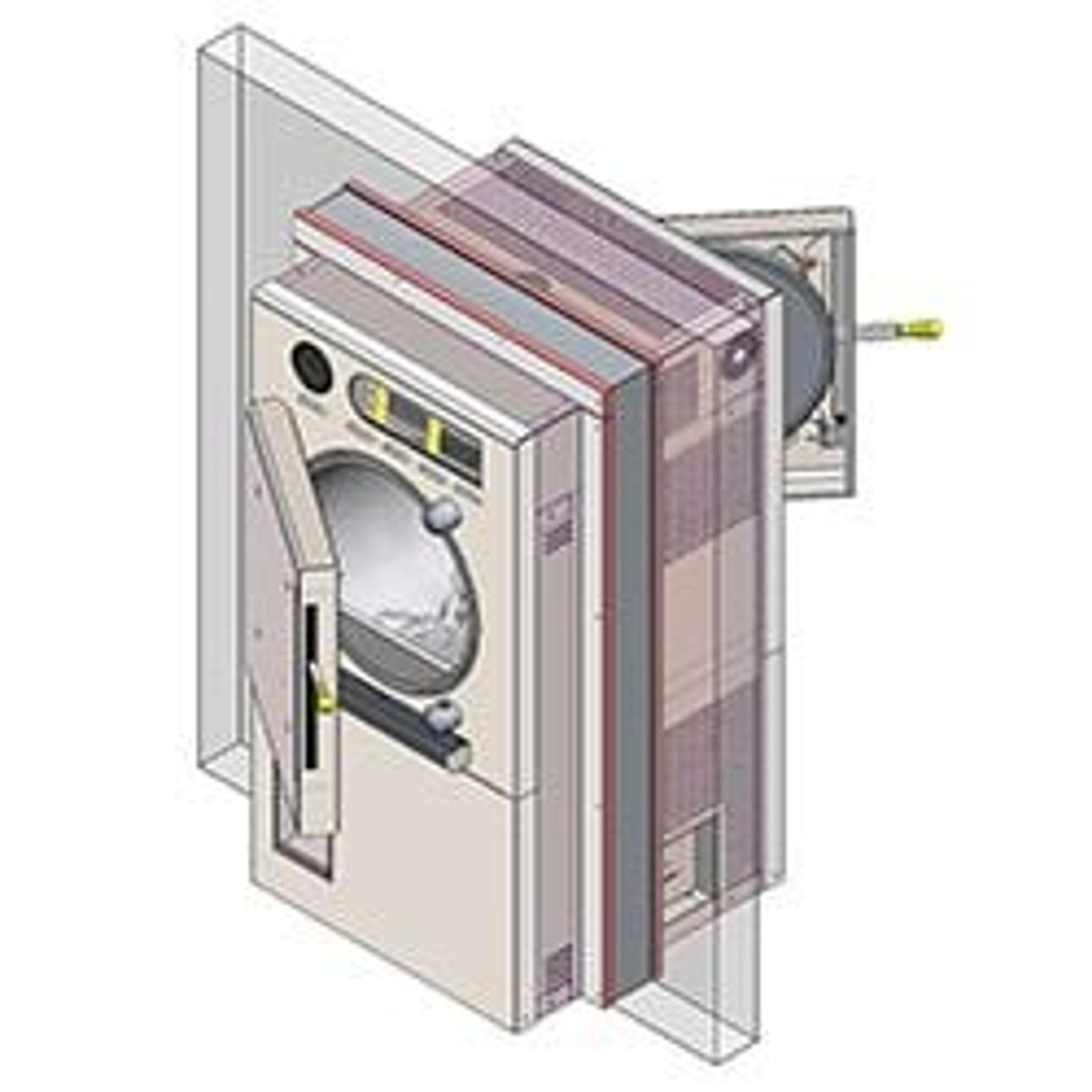
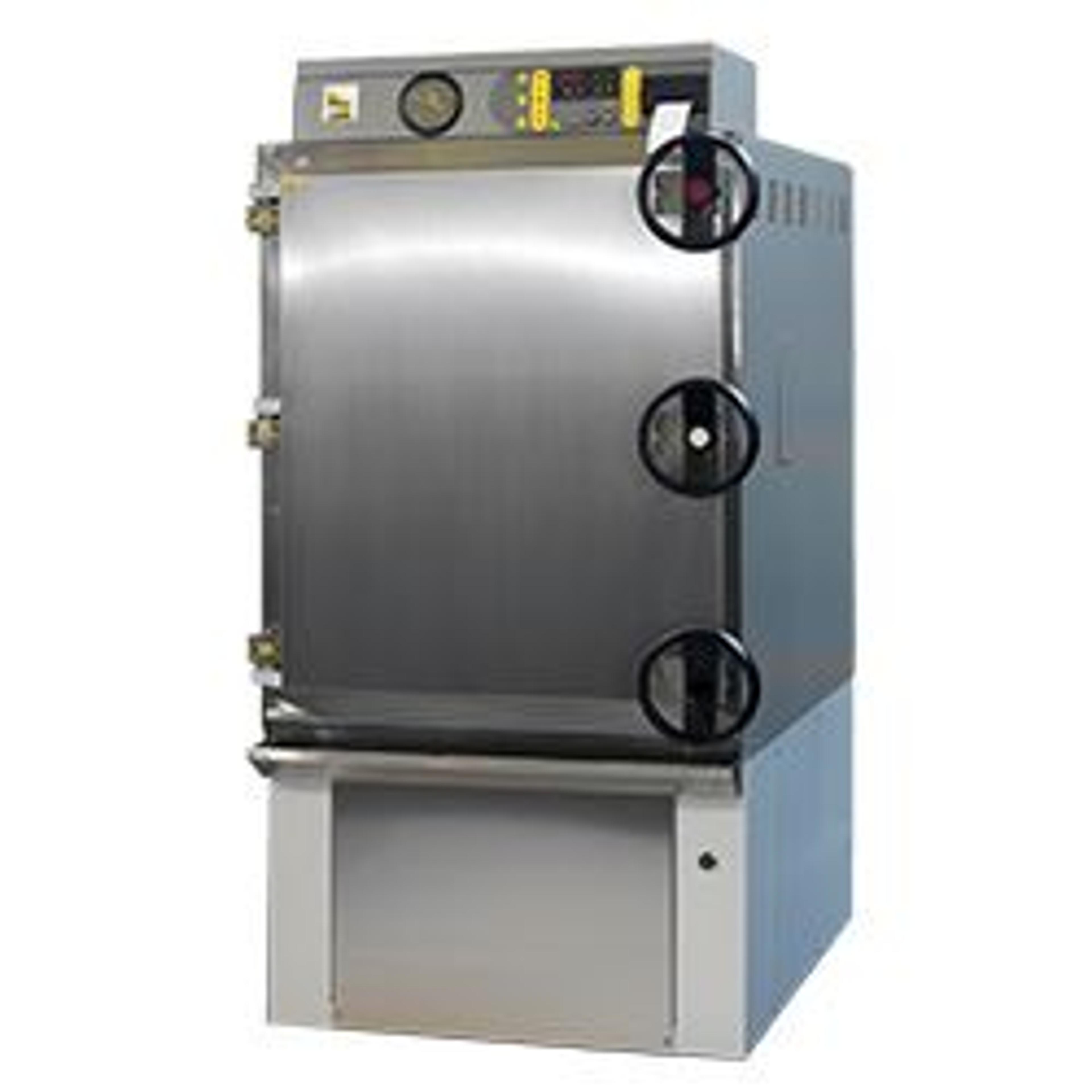
Sponsored by Priorclave, a specialist in the design and manufacture of research grade and general purpose laboratory autoclaves, this booklet will guide you through some of the key points to consider and should help you in narrowing down your choices - autoclave style (from benchtop, top and front loading, pass-through) chamber style (cylindrical or rectangular), heating source, etc.
The Autoclave Knowledge Bank check book outlines reasoning for vacuum autoclaves, why choose steam jacketed autoclaves, water condition, hygiene and environment issues, recording keeping and proving sterilization as well as position and installation.
It is important to think about what you are going to put into the autoclave to make sure that the autoclave you buy has the right best specification to process it effectively and efficiently, especially if you are going to have to prove this to a certifying body later on.
It is always advisable to speak with the supplier or manufacturer direct before finalizing your autoclave choice, the Autoclave Knowledge Bank Check Book provides you with information to help your discussions, questions to ask of prospective laboratory suppliers and manufacturers.
Request the booklet direct from the sponsors or download your copy here.