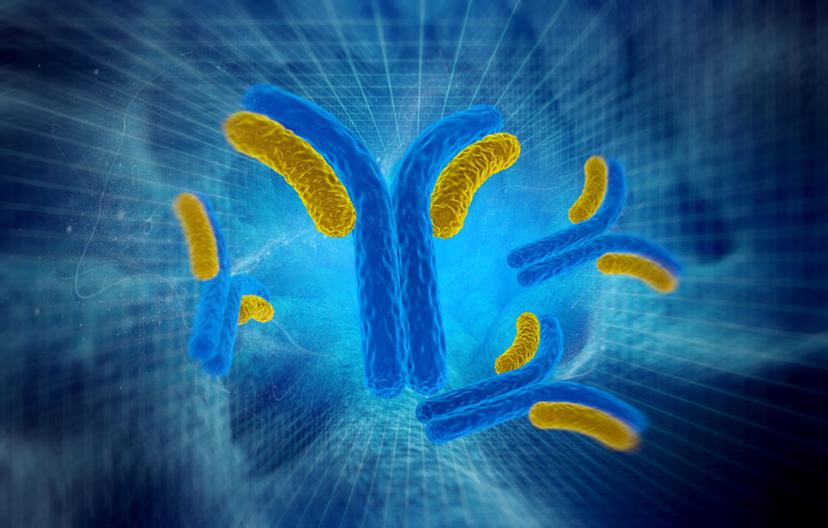
Addressing the Challenges of Biosimilar Analysis with NMR at the Center for Biologic Evaluation, Health Canada

Dr Yves Aubin, Research Scientist at Health Canada, spoke to SelectScience® about his research using NMR to study the structure of biosimilar molecules in the pharmaceutical industry

8 Aug 2016
Weylan Kiam-Laine
Microbiologist

Editorial article


Health Canada’s Center for Biologic Evaluation is responsible for providing market authorization to biologic type drugs, vaccines, hormones and monoclonal antibodies.

Dr Yves Aubin is an NMR expert who utilizes the spectroscopy technique to study the structures of protein and biomolecules. His research focuses on using NMR Spectroscopy to assess the structure of biological therapeutics, such as monoclonal antibodies.

Characterizing biosimilars

When replicating a biological molecule, such as a protein, it is challenging to ensure that “the structure of the new molecule is identical to the original molecule - that’s why we call them biosimilars”, explained Dr Aubin.

According to Dr Aubin the challenge with biopharmaceutical products is that they are very complex molecules obtained from biotechnologies. Small drug molecules like statins are straightforward to characterize because of their small size, therefore it is easy to copy them and demonstrate the similarity. Proteins are much more complex and challenging to copy, so it is more difficult to demonstrate that the composition and structure of the copy is the same or if there are variations. All regulatory agencies across the world have developed guidance for sponsors that seek market authorization of biosimilar products. The common denominator of these guidance is that a comparability exercise must conducted between their proposed product an appropriate reference product, usually the innovator product that is approved in that jurisdiction. Dr Aubin continued, “it’s not yet possible to show that a biosimilar is identical to the originator, so a number of assays need to be done. Using NMR, we can enhance the level of resolution and provide a more precise picture of these molecules. NMR fingerprints are unique to each pharmaceutical product and provide a lot of information that tells us that a biosimilar can be very similar in its structure and composition compared to the originator”. Yves explained that his team is now extending these NMR methods to monoclonal antibodies biosimilars, highlighting that “while these molecules have been very challenging to study, the recent developments in spectrometer hardware and the work of the group of Dr. John Marino at the National Institute of Standards and Technology (NIST) made it possible.” Dr Aubin also commented on their suitability as therapeutics, “antibody biosimilars are relatively quick to prepare, not so expensive to produce, and they can go in the clinic faster to demonstrate whether it is a good or a bad target and therefore obtain proof of concept much faster than with small molecules.”

Innovative NMR methods for antibody characterization

“We are collaborating with John Marino at the NIST. His group has demonstrated that it’s possible to look at antibody fragments using NMR. So we are working with them to demonstrate to the industry that the high resolution read out from these spectroscopic fingerprints, can be used to characterize the molecules.” Dr Aubin explained that the “field of antibodies NMR technology is about two years old” and highlighted the importance of this technology for the industry, “before NMR the tools researchers had to analyze the three-dimensional structure of antibodies were limited to FTIR and circular dichroism spectroscopy, which only provide a low resolution structural information, while NMR gives a high-resolution assessment, thus allowing for more detailed analysis.” Commenting on the benefits of NMR, Yves says “we have a very complex pattern that is unique to a given molecule so it provides a very high degree of complexity, from which you can compare a biosimilar product and achieve a higher degree of comparison. Both industry and regulators seek to have a more in depth characterization of these products. With the possibility of using spectroscopy like NMR that level of characterization will be achievable”

What is the future for biosimilars in therapeutics?

“We will see a lot more antibodies hitting the market for numerous diseases”, Dr Aubin explained that this is “not surprising as they can be tailored to such a number of targets.”

“Antibodies are definitely the fastest growing type of drugs in the near future, and I think the small molecule drug market will reflect that as well because the technology to make antibodies is pretty well mastered right now.”

Dr Aubin continued, “antibodies are a good ‘therapeutic’ platform to address a number of diseases whether the goal is to interfere with protein-protein interaction, such as any biological signaling, or to recruit the immune system to destroy unwanted cells such as in cancer therapies. Using NMR as an accurate and reliable means to characterize antibody based therapies should help enable and potentially accelerate, public access to novel treatments that are both safe and effective.”
Do you use NMR in your work? Is there a product that improves your research? Share your experiences with our worldwide community and write a review today.

Links

Tags

Infrared / IR SpectroscopyInfrared (IR) spectroscopy measures the interaction of infrared light with a sample, including transmission, reflectance & absorbance, facilitating the identification of analytes. Equipment used for quantitative analysis includes Fourier-transform infrared (FTIR) spectrometers, infrared cameras, FTIR gas analyzers, as well as attenuated total reflectance (ATR) accessories and pellet or film presses. Find the best IR spectroscopy products in our peer-reviewed product directory: compare products, check customer reviews and receive pricing direct from manufacturers.AntibodiesAntibodies are used in techniques such as confocal and fluorescence microscopy, flow cytometry, ELISA, ELISPOT, immunohistochemistry, western blotting and immunopreciptation. Select specific antigen reactivity, high specific affinity, low non-specific binding, monoclonal or polyclonal, primary or secondary antibodies and associated conjugates such as an enzyme or dye for visualization.ProteomicsProteomics is the systemic bioinformatics study of proteins and amino acids, including their structure, size, function and identification. Tools used in proteomics include chromatography, blotting and gels, protein arrays, mass spectrometry and ELISA and associated analysis software. Analyzers and proteomic systems should be sensitive, high resolution, fast and may be automated for high-throughput.Assay AssemblyAssay Assembly is technique used in drug discovery to develop assays to test the cytotoxicity, genotoxicity, or other activities of a compound on a cell. Assay assembly requires chip assembly, a delivery system and a detection and analysis method. Beneficial features of assay kits or automated systems include high-throughput, high speed and sensitivity and low signal to noise ratio.Bioprocessing / FermentationBioprocessing is the use of biological materials to perform commercial, scientific or medical research processes. Biological materials used include cells, enzymes and organisms. Usually bioprocessing requires a batch or continuous bioreactor such as a fermentor or cell culture system. The advantages of using a reactor include high productivity, easy configuration, adjustable values and automation.NMR and EPR SpectroscopyNuclear magnetic resonance (NMR) spectroscopy is used to resolve the local chemical environment of atomic nuclei with spin, revealing information on molecular structure, dynamic processes and chemical reactions of organic molecules, from proteins to synthetics. Electron paramagnetic resonance (EPR) also known as electron spin resonance (ESR) spectroscopy is used to detect and quantify paramagnetic species in a sample, including free radicals as transition metal ions. By immersing the sample in a strong magnetic field, both NMR and EPR spectrometers probe the sample with either radio waves or microwaves respectively. A range of benchtop, solid-state and time domain NMR spectrometers & EPR spectrometers are available, as well as NMR tubes, NMR solvents, software, coils, and magnets. Find the best NMR & EPR equipment in our peer-reviewed product directory: compare products, check customer reviews and receive pricing direct from manufacturers.Monoclonal AntibodiesMonoclonal antibodies (mAbs) are lab-made molecules that can bind to specific antigens on cells, making them highly effective in treating cancers, autoimmune diseases, and infections. These targeted therapies are transforming the treatment landscape for many conditions. Browse our peer-reviewed product directory to find monoclonal antibodies for research and clinical applications; compare products, check reviews, and get pricing directly from manufacturers.Protein BiologyThe analysis of protein expression, identity and function is vital for many areas of life science research and drug discovery. Some of the most commonly used techniques in protein analysis include Western blotting, electrophoresis and mass spectrometry.BiopharmaceuticalsBiopharmaceuticals are proteins and other compounds (such as nucleic acids) produced by living organisms that have uses as therapeutics or for in vivo diagnostics. The most well known example of a biopharmaceutical product, and the first to be approved for therapeutic use, was recombinant human insulin.BiosimilarsBiosimilars are very similar versions of approved and authorized medicines. Clinically inactive components will have minor differences, but there are no significant differences between the biosimilar and the original product in terms of potency, purity and safety.Protein StructureProtein structure refers to the three-dimensional arrangement of amino acids in proteins, determining their function. Understanding protein structure is key in drug discovery, enzymology, and molecular biology. Explore protein structure analysis tools in our peer-reviewed product directory; compare products, check reviews, and get pricing directly from manufacturers.BiologicsBiologics are medical products derived from living organisms, including vaccines, gene therapies, and monoclonal antibodies. These treatments are key to modern healthcare, especially in oncology and autoimmune diseases. Explore biologics research tools in our peer-reviewed product directory; compare products, check reviews, and get pricing directly from manufacturers.SpectroscopySpectroscopy is a technique that analyzes the interaction of light with matter to study molecular properties, concentrations, and structural information. Widely used in chemical, pharmaceutical, and environmental analysis, spectroscopy offers insights into molecular composition and helps identify unknown compounds. It plays a key role in quality control, research, and diagnostics. Browse our peer-reviewed product directory to compare spectroscopy tools, read reviews, and get prices directly from manufacturers.Drug DevelopmentDrug development refers to the process of bringing a new drug to market.