Accredited clinical webinars for laboratory scientists & healthcare professionals

Explore our host of accredited clinical webinars that will contribute to your continuing education

2 Nov 2022

Dora Wells
Clinical Content Editor

Editorial article

Accredited webinars for clinical scientist

Did you know that SelectScience® is approved as a provider of continuing education programs in the clinical laboratory sciences by the ASCLS P.A.C.E.® Program? We also host clinical webinars that offer ACCENT® Continuing Education Credits from the AACC.

SelectScience, in partnership with Siemens Healthineers, brings you several ACCENT and P.A.C.E accredited clinical webinars every month! Learn why post-covid HbA1c testing is so important in patients with diabetes, understand the different diagnostic approaches for respiratory tract infections, discover the benefits of point of care testing (POCT) in pediatrics, and much more.

Explore our list of upcoming accredited clinical webinars below and catch up on some of our on-demand webinars to claim your credits.

The connection between COVID-19 and diabetes: Where are we headed?

The connection between COVID-19 and diabetes: Where are we headed?


During this discussion of diabetes in the context of COVID-19, Dr. Francine Kaufman, Distinguished Professor Emerita of Pediatrics and Communications at the Keck School of Medicine of the University of Southern California, will explain why hemoglobin A1c testing is even more important in today’s healthcare landscape and will explore the hypotheses and pathophysiology behind this recent trend.

ACCENT and P.A.C.E. accredited

Register now

Friday, November 04, 2022 at 16:00 GMT / 17:00 CET / 09:00 PDT / 12:00 EDT

Respiratory tract infections: Challenges and future perspectives for diagnostic laboratories

Respiratory tract infections: Challenges and future perspectives for diagnostic laboratories

In this webinar, Prof. Dr. Marcus Panning, Head of the Clinical Virus Genomics Department within the Institute of Virology, at the University of Freiburg, will review the epidemiology of viral respiratory tract infections and current concepts in diagnostics. In addition, Panning will present real-world data on the performance of different diagnostic approaches and highlight future developments.

P.A.C.E. accredited

Register now

Friday, November 18, 2022 at 14:00 GMT / 15:00 CET / 06:00 PST / 09:00 EST


The importance of point of care testing in pediatrics
The importance of point of care testing in pediatrics


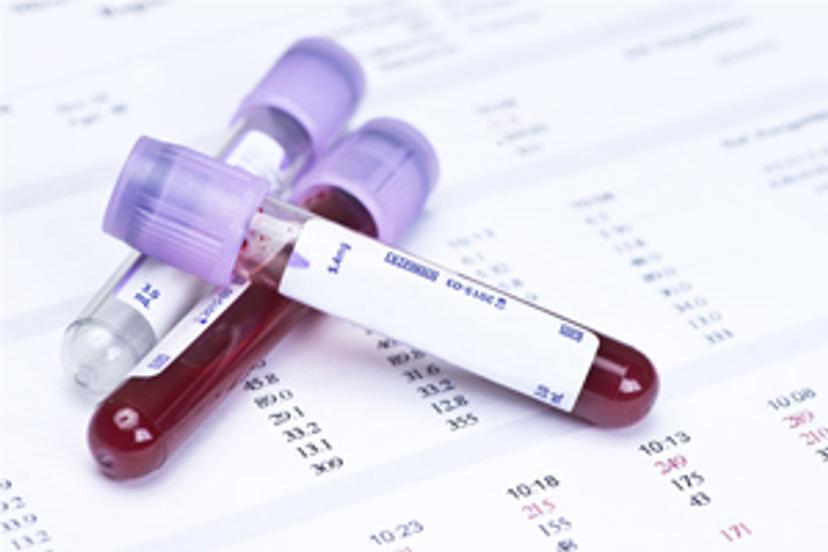
Pediatric populations present unique challenges when collecting and processing laboratory samples. Point of care testing (POCT) can often be a great option to help minimize pre-analytic errors, decrease recollections, and aid in blood conservation. Here, Patti Hezel, Point of Care Coordinator at the Children’s Hospital and Medical Center, Omaha discusses the challenges of collection and testing pediatric specimens, and the impact of POCT on the workflow of pediatric settings.

ACCENT and P.A.C.E. accredited

Register now

Tuesday, December 13, 2022 at 16:00 GMT / 17:00 CET / 08:00 PST / 11:00 EST

You can also watch these accredited clinical webinars on demand:

SelectScience runs 10+ webinars a month across a wide variety of scientific topics, discover more of our upcoming webinars>>

Links

Tags

Blood TransfusionBlood Transfusion involves giving donor blood to a recipient patient. Screening is essential to avoid transfusion reactions. Blood banks use immunohematological techniques to determine rh and ABO blood group, and screen for antibodies using specific antisera. Blood Banks use Direct Coombs Tests (DCT) and Indirect Coombs Tests (IAT) to detect hemolysis and Haemolytic Disease of the Newborn (HDN).HematologyIn Haematology / Hematology, complete blood cell counts (or full blood counts) are obtained using automated blood count analyzers to enumerate blood cell types.  Hematology also encompasses haemostasis and coagulation, thrombophilia and hemophilia, plasma viscosity and ESR analysis, hemoglobinopathies, cell morphology and haematinic measurement.ImmunologyImmunological techniques measure and characterize immune responses. Immunology kits and analysis systems often use techniques such as ELISA, radioimmunoassay (RIA) and immunodiffusion assays, Immunohistochemistry, and flow cytometry. Immunologists use equipment such as flow Cytometers, plate readers, plate washers and fluorescent microscopes.Cellular PathologyCellular Pathology deals with the microscopic analysis of tissue samples and cells. Sample preparation and processing includes fixation, staining, sectioning and slide mounting, using equipment such microtomes and cryostats. In choosing immunohistochemistry and immunocytochemistry kits, consider chromogens, staining method, antibodies, microscopes and imaging.Point-of-CarePoint-of-Care Testing (POCT) or Near Patient Testing (NPT) products are available for urine, blood and other clinical chemistry analyses. POCT includes: blood glucose testing, blood gas and electrolytes analysis, rapid coagulation testing (PT / INR), rapid cardiac markers diagnostics, drugs of abuse screening, urine strips testing, pregnancy testing, fecal occult blood analysis, food pathogens screening, hemoglobin diagnostics, infectious disease testing and cholesterol screening.Clinical ChemistryBiochemistry (or clinical chemistry) involves the analysis of bodily fluids using chemical tests. Techniques used include HPLC, chromatography, spectroscopy, mass spectrometry, immunochemical, electrophoresis, turbidometric / spectrophotometric assay, MRI and ISE analysis. Tests are often carried out on plasma or serum but urine (urinalysis) and fecal specimens are also processed.Clinical GeneticsMolecular Genetics covers the analysis of hereditary genetic disease and chromosomal abnormalities. Genetics can be analysed using DNA, RNA, and protein microarrays, PCR, RT PCR and DNA sequencing. Genetic equipment includes genetic workstations, thermal cyclers, cooling blocks and electrophoresis products. Diagnostic kits are used for DNA / RNA extraction and purification.Clinical MicrobiologyMicrobiology is the study of microorganisms including protists, prokaryotes, fungi, and, often, viruses. Microorganisms are a useful research tool as genetic vectors and, in immunology, for antibiotic susceptibility testing, cellular biology and genetics. Microorganisms commonly grow readily in incubators with microbial culture media; this can contain chromogenic supplements to differentiate between cell lines. Estimate your culture’s density of microorganisms with colony counters, or screen and select colonies for desirable clones with automated colony pickers. Additionally, equipment is available to monitor environments for the presence of microbes and identify with microbial identification instruments. Find the best microbiology products in our peer-reviewed product directory: compare products, check customer reviews and receive pricing direct from manufacturers.Embryology / IVFEmbryology refers to the development of an embryo resulting from the fertilization of the ovum, to fetus stage. In vitro fertilization (IVF) refers to the fertilization of the egg outside of the human body, and is an important treatment for infertility.DiabetesDiabetes is a metabolic disorder characterized by high blood sugar levels, either due to insufficient insulin production or resistance to its effects. Ongoing diabetes innovation focuses on developing better diagnostic tools, treatments, and preventive measures. Browse our peer-reviewed product directory to find the best diabetes diagnostic tools, compare products, check reviews, and get pricing directly from manufacturers.Point of Care SolutionsPoint of care solutions provide medical diagnostics and treatments at or near the site of patient care. These technologies offer rapid results, helping healthcare providers make quick decisions. From glucose monitors to molecular diagnostics, point of care solutions are transforming healthcare delivery by reducing wait times and improving patient outcomes. Explore the best point of care products in our peer-reviewed product directory, compare options, check reviews, and get pricing directly from manufacturers.AACCThe American Association for Clinical Chemistry (AACC) Annual Meeting and Clinical Lab Expo is the largest meeting for clinical laboratory professionals in the world. This year's meeting is being held in Atlanta, USA, July 26th-30th, 2015.Respiratory InfectionsRespiratory infections are caused by pathogens such as bacteria, viruses, and fungi, leading to diseases like pneumonia, tuberculosis, and COVID-19. It is important to identify respiratory infections quickly in patients to ensure appropriate treatment and care, and to prevent sepsis. Browse our peer-reviewed product directory to find the best tools for respiratory infection detection, compare products, check reviews, and get pricing directly from manufacturers.Molecular DiagnosticsMolecular diagnostics use an individual’s genetic code and gene expression to diagnose and monitor diseases. The technique is used increasingly in the field of infectious diseases and oncology, as well as areas such as coagulation, HLA typing and pharmacogenomics. Molecular diagnostics plays a pivotal role in personalized medicine.Webinar