Abbott to supply millions of its COVID-19 antibody tests to UK government

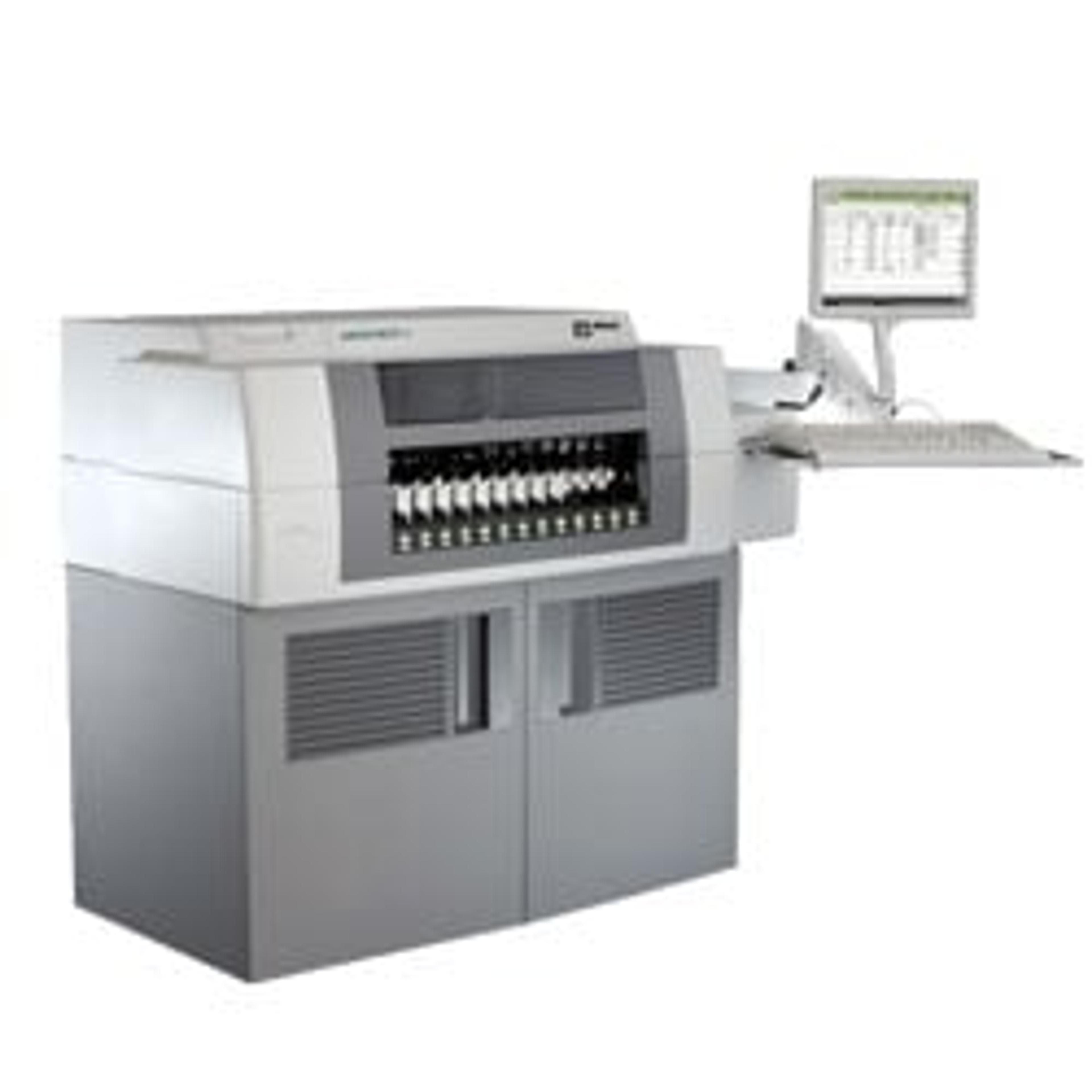
Test will be available at NHS laboratories across the UK, using its ARCHITECT i1000SR and i2000SR and Alinity i laboratory instruments

25 May 2020

Diane Li
Assistant Editor

Industry news

Abbott has announced a government contract to supply millions of its laboratory-based IgG antibody tests to National Health Service (NHS) laboratories across the UK over the coming months. Abbott has capacity to provide significant numbers of tests to the UK and has already shipped 800,000 antibody tests this week to NHS laboratories, to be used as part of the testing initiative announced by the UK Secretary of State for Health today. These tests, alongside the Abbott PCR tests already being used across the NHS, enable Abbott to support the UK with broad, reliable molecular and antibody testing during this pandemic.

Abbott's IgG antibody test will be available at NHS laboratories across the country, using its ARCHITECT® i1000SR and i2000SR and Alinity i laboratory instruments. As one of the most widely used laboratory systems in the world, the ARCHITECT system can run up to 100-200 tests per hour to help hospitals and laboratories with reliable antibody testing during the pandemic.

"Abbott is proud to support the NHS' COVID-19 antibody testing strategy announced today, with agreement to supply antibody tests to NHS laboratories across the UK," said Mike Clayton, managing director, Northern Europe diagnostics, Abbott. "We have already delivered 800,000 tests to NHS laboratories, so they are prepared to deploy these tests, in line with government direction. Antibody testing is an important next step as we work to get back to our normal lives."

A virus hunter's view: delivering large scale access to reliable testing

Antibody testing will help provide a greater understanding of the virus, including how long antibodies stay in the body and how much of the population has been infected. This type of knowledge could help support the development of treatments and vaccines.

Abbott's SARS-CoV-2 IgG test specifically identifies the IgG antibody, which is a protein that the body produces in the late stages of infection and may remain up to months and possibly years after a person has recovered. Abbott designed its test to detect the IgG antibody specifically as it can better help physicians determine recovery from infection, versus looking at a combination of antibodies.i ii Abbott is also developing an IgM antibody test.

Since the test became available, leading virology labs around the world have validated the test and demonstrated its high performance. A recent study published in the Journal of Clinical Microbiology found that Abbott's SARS-CoV-2 IgG antibody test had 99.9% specificity and 100% sensitivity for detecting the IgG antibody in patients 17 days or more after symptoms began.

Commenting on the importance of this type of testing, Mary Rodgers, Ph.D., a Virus Hunter on Abbott's global discovery program, who identifies new or unknown pathogens to develop tests for these new threats, said: "Since this is a new virus, there are still lots of questions. An antibody test provides an important piece of information that will tell if someone has previously been infected and recovered. We will see if a person has antibodies, but we'll need to learn more to tell us how long they remain and what they mean. A positive test may provide peace of mind that someone has recovered from the illness, but people should still be vigilant about following guidelines."

Abbott has long been a leader in infectious disease tests, including developing the first HIV test and last year identifying the first, new strain of HIV in 20 years.

Want more of the latest science news straight to your inbox? Become a member of SelectScience for free today>>

ARCHITECT i1000SR

Abbott

The ARCHITECT i1000SR immunoassay analyzer meets your laboratory’s high standards by delivering STAT results when you need them. The flexible protocols built into the ARCHITECT i1000SR enhance laboratory workflow and allow you to report results with confidence. For in vitro diagnostic use only. 

(11)

Links

Tags

Sample PreparationSample preparation can improve the quality and speed of separation techniques. Products to assist sample preparation include filtration equipment, evaporators, membranes and sieves.AntibodiesAntibodies are used in techniques such as confocal and fluorescence microscopy, flow cytometry, ELISA, ELISPOT, immunohistochemistry, western blotting and immunopreciptation. Select specific antigen reactivity, high specific affinity, low non-specific binding, monoclonal or polyclonal, primary or secondary antibodies and associated conjugates such as an enzyme or dye for visualization.Combinatorial ChemistryCombinatorial chemistry, also known as combichem, is a technique used in drug discovery to create libraries of structurally related compounds. A library is generated by synthesis with a chemical reactor system or by computer-based modeling of compound combinations. When undertaking combinatorial chemistry consider reagents, buffers, resins and standards.Data AnalysisData analysis hardware and software is available to make data processing straight-forward yet powerful. Data software can be used for math and stats, technical graphing and image analysis. In addition, software is available for specific data analysis of electrophoresis, densitometry, ELISA and DNA sequencing.ImmunologyImmunological techniques measure and characterize immune responses. Immunology kits and analysis systems often use techniques such as ELISA, radioimmunoassay (RIA) and immunodiffusion assays, Immunohistochemistry, and flow cytometry. Immunologists use equipment such as flow Cytometers, plate readers, plate washers and fluorescent microscopes.Cellular PathologyCellular Pathology deals with the microscopic analysis of tissue samples and cells. Sample preparation and processing includes fixation, staining, sectioning and slide mounting, using equipment such microtomes and cryostats. In choosing immunohistochemistry and immunocytochemistry kits, consider chromogens, staining method, antibodies, microscopes and imaging.Biopharmaceutical AdvancesBiopharmaceutical advances follow the development of pharmaceuticals derived from biotechnology, also known as biotechnology medicines. Biopharmaceuticals may be produced from cell lines, plants, or microbial cells. Important considerations of biopharmaceutical use include application, cost, production process and purification.Clinical ChemistryBiochemistry (or clinical chemistry) involves the analysis of bodily fluids using chemical tests. Techniques used include HPLC, chromatography, spectroscopy, mass spectrometry, immunochemical, electrophoresis, turbidometric / spectrophotometric assay, MRI and ISE analysis. Tests are often carried out on plasma or serum but urine (urinalysis) and fecal specimens are also processed.Clinical GeneticsMolecular Genetics covers the analysis of hereditary genetic disease and chromosomal abnormalities. Genetics can be analysed using DNA, RNA, and protein microarrays, PCR, RT PCR and DNA sequencing. Genetic equipment includes genetic workstations, thermal cyclers, cooling blocks and electrophoresis products. Diagnostic kits are used for DNA / RNA extraction and purification.Clinical MicrobiologyMicrobiology is the study of microorganisms including protists, prokaryotes, fungi, and, often, viruses. Microorganisms are a useful research tool as genetic vectors and, in immunology, for antibiotic susceptibility testing, cellular biology and genetics. Microorganisms commonly grow readily in incubators with microbial culture media; this can contain chromogenic supplements to differentiate between cell lines. Estimate your culture’s density of microorganisms with colony counters, or screen and select colonies for desirable clones with automated colony pickers. Additionally, equipment is available to monitor environments for the presence of microbes and identify with microbial identification instruments. Find the best microbiology products in our peer-reviewed product directory: compare products, check customer reviews and receive pricing direct from manufacturers.Drug DeliveryDrug Delivery refers to dosage form, route of administration, formulations, technologies, and systems for transporting a pharmaceutical compound in the body as needed to safely achieve its desired therapeutic effect. Drug delivery is often approached via the biopharmaceutical or small molecule drug's formulation, but it may also involve medical devices or drug-device combination products. Considerations include instrumentation, software and services. RegulatoryPharmaceutical regulations impact on all areas of drug development, manufacture and control and supply. Services are provided from the early stages of drug development and clinical trials through to dossier submission, approval and marketing. Regulatory also includes submission of analytical studies from the pharmaceutical product and safety. Scale-upScale-Up is generally defined as the process of transferring the results of the discovery phases of the drug discovery process, obtained on a laboratory scale, to the pilot plant and finally to production scale. Scale-Up uses reactors and pump systems as well as reagents, standards and buffers. Often Scale-Up is provided as a service by Contract Manufacturing Organizations (CMOs). Therapeutic AntibodiesTherapeutic antibodies are antibodies engineered for use in treating diseases. They can be designed to target specific antigens, blocking harmful interactions or modulating immune responses. Therapeutic antibodies are critical in treating conditions like cancer, autoimmune disorders, and infectious diseases. Explore the best therapeutic antibody products in our peer-reviewed product directory; compare options, check reviews, and get pricing directly from manufacturers.Molecular DiagnosticsMolecular diagnostics use an individual’s genetic code and gene expression to diagnose and monitor diseases. The technique is used increasingly in the field of infectious diseases and oncology, as well as areas such as coagulation, HLA typing and pharmacogenomics. Molecular diagnostics plays a pivotal role in personalized medicine.