
Abbott, Tandem Diabetes Care advance development of technologies for insulin delivery systems
Companies partner to integrate Abbott's FreeStyle Libre continuous glucose monitoring technology with Tandem's insulin delivery products to provide options to simplify and tailor diabetes management
1 Jul 2020
Industry news
Abbott and Tandem Diabetes Care has announced that they have finalized an agreement to develop and commercialize integrated diabetes solutions that combine Abbott's world-leading continuous glucose monitoring (CGM) technology with Tandem's innovative insulin delivery systems to provide more options for people to manage their diabetes. The companies first announced their intention to work together in October 2019, and this resulting agreement covers the technical development of device integration and associated commercial support activities.
"We're excited to integrate our insulin delivery systems with Abbott's glucose-sensing technology, and we look forward to expanding options for our customers so that they can combine devices that best suit their personal needs," said John Sheridan, president and CEO of Tandem Diabetes Care. "We are proud to have an insulin pump capable of remote software updates that can make access to future integrations possible for in-warranty t:slim X2 users at the time of release without requiring a new pump."
The need for interoperability between diabetes devices is widely recognized. Tandem's t:slim X2™ insulin pump was the first to receive U.S. Food and Drug Administration (FDA) clearance in a new device category called alternate controller enabled (ACE) infusion pumps in 2019. The special controls for ACE pumps allow for reliable and secure communication with compatible external devices. Abbott's FreeStyle Libre 2 integrated continuous glucose monitoring (iCGM) system was recently cleared by the FDA for adults and children (4 years and older). Through this collaboration, Abbott and Tandem will work to digitally connect their technologies for future automated insulin delivery systems, which will provide people with options to tailor and simplify how they manage their diabetes.
"Abbott is working with our partners to bring integrated technologies at an affordable price for people with diabetes who rely on using insulin pumps," said Jared Watkin, senior vice president, Diabetes Care, Abbott. "By combining our glucose sensing technology with Tandem's proven insulin delivery systems, we will be able to create a cohesive ecosystem for people with diabetes that can fit easily into their daily lives."
The companies will focus initial commercial activities in the U.S. and Canada with additional geographies considered in the future.
About the FreeStyle Libre 2 System
Abbott's FreeStyle Libre 2 system was recently cleared by the U.S. Food and Drug Administration (FDA) as an integrated continuous glucose monitoring (iCGM) system for adults and children ages 4 and older with diabetes. It is the only iCGM system with optional real-time alarms that measures glucose levels every minute, meeting the highest level of accuracy standards. The FreeStyle Libre 2 next-generation sensor is worn on the back of the upper arm for up to 14 days and with a one-second scan using a handheld reader, users can see their glucose reading, trend arrow and eight-hour history.
As the #1 sensor-based glucose monitoring system used in the U.S. and worldwide, Abbott's FreeStyle Libre portfolio has changed the lives of more than 2 million people across 50 countries by providing breakthrough technology that is accessible and affordable. Abbott has secured partial or full reimbursement for the FreeStyle Libre system in 36 countries, including Canada, France, Germany, Japan, the United Kingdom and the U.S.
Want more of the latest science news straight to your inbox? Become a member of SelectScience for free today>>
Related products
Request Quote for All Products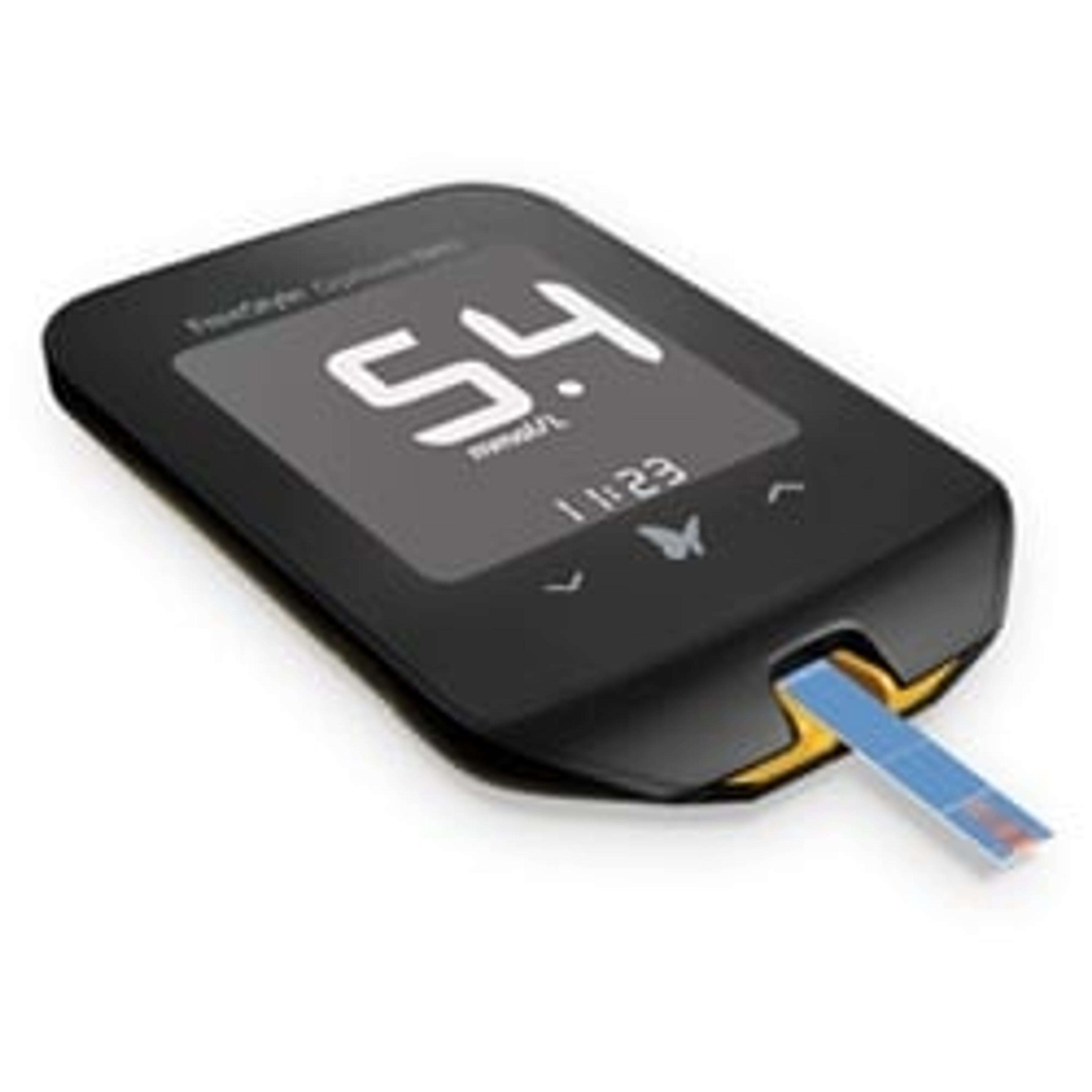
FreeStyle Optium Neo
AbbottGuides patients to take a more active role in managing blood glucose trends. Accurate blood glucose testing Small sample, results in seconds, no coding Uses individually foil-wrapped test strips, designed to guarantee a reliable result every time Blood glucose trend indicators Notifies your patients when they may be experiencing hypo- or hyperglycaemic trends2 Prompts your patients to take action as needed Arrows flash if tests are high or low within the same time period over a number of days Designed to help patients stay on track with their prescribed insulin regimen Insulin dose guide Stores and displays your insulin dosing guidance for basal and mealtime insulins (requires HCP set-up) Patients simply tap up or down arrows to accurately log their insulin dose Insulin logging Insulin doses can be recorded in the meter memory for easy review Designed to help patients avoid mistakes, such as skipping a dose or taking the same dose twice Insulin logging can be used even if the insulin dose guide is not set-up