Abbott's CGM technology available for hospitalized diabetic patients with COVID-19

The FreeStyle Libre 14 day system can be used by frontline healthcare workers tackling the coronavirus

7 Apr 2020

Diane Li
Assistant Editor

Industry news

Abbott has announced that the FreeStyle® Libre 14 day system, the world's leading continuous glucose monitoring (CGM) technology, can now be used in the hospital setting during the COVID-19 pandemic, according to the U.S. Food and Drug Administration (FDA). This will permit frontline healthcare workers to remotely monitor patients with diabetes receiving inpatient care by assessing real-time glucose levels and glucose history. To help hospitals and medical centers in COVID-19 outbreak hotspots ramp up access to the technology, Abbott will donate 25,000 FreeStyle Libre 14 day sensors in partnership with the American Diabetes Association (ADA), Insulin for Life USA and Diabetes Disaster Response Coalition.

According to a recent report by the Centers for Disease Control and Prevention (CDC), more than 50% of people with diabetes who have been diagnosed with COVID-19 are hospitalized.

"There's been a spike in demand for health technology as hospitals are looking for ways to minimize COVID-19 exposure, especially to high-risk patients such as people with chronic conditions like diabetes," said Eugene E. Wright, Jr., M.D., medical director for performance improvement, Charlotte Area Health Education Center in North Carolina. "Having access to technology like FreeStyle Libre 14 day system allows physicians to keep a close eye on hospitalized patients while minimizing transmission risks, PPE use and contact with hospital staff."

With a one-second scan using a reader or smartphone over the FreeStyle Libre 14 day sensor worn on the back of the upper arm, users get real-time glucose readings every minute, historical trends and patterns, and arrows showing where glucose levels are going without having to fingerstick. At the same time, physicians will receive real-time glucose data and actionable information to help make important treatment decisions through LibreView, a secure, cloud-based diabetes management system. Recent studies showed that users of the FreeStyle Libre 14 day system have improved glucose control, decreased time in hyperglycemia and hypoglycemia as well as reduced hospitalizations, and HbA1C levels.

"We appreciate the FDA's quick action to make medical products available during this public health crisis," said Jared Watkin, senior vice president, Diabetes Care, Abbott. "By working with our partners at the American Diabetes Association to arm frontline healthcare workers with FreeStyle Libre technology, Abbott will enable them to protect and monitor their patients with diabetes, limit COVID-19 exposure and also manage the influx of critical care needs."

Want more of the latest science news straight to your inbox? Become a SelectScience member for free today>>

FreeStyle Optium Neo

Abbott

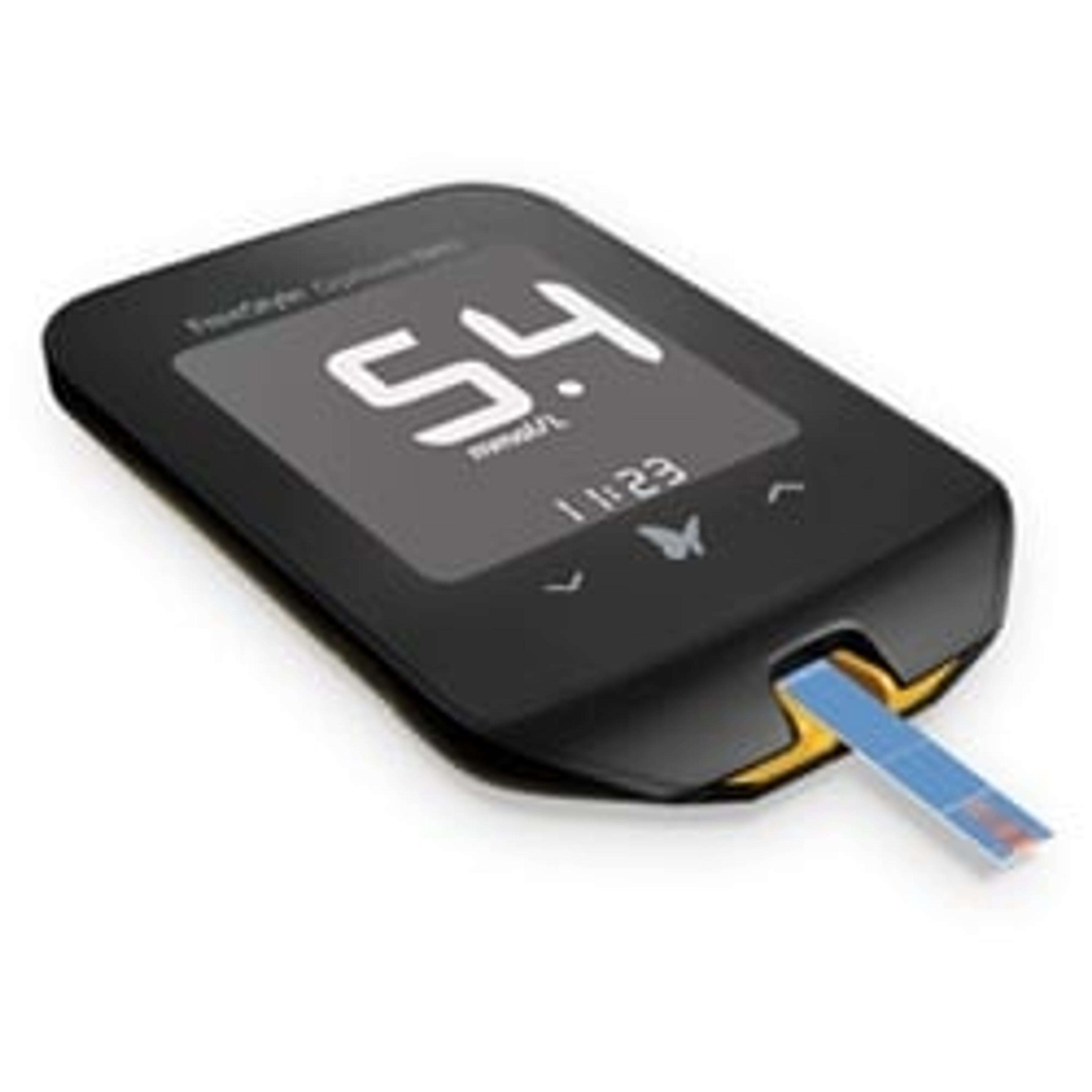
Guides patients to take a more active role in managing blood glucose trends. Accurate blood glucose testing Small sample, results in seconds, no coding Uses individually foil-wrapped test strips, designed to guarantee a reliable result every time Blood glucose trend indicators Notifies your patients when they may be experiencing hypo- or hyperglycaemic trends2 Prompts your patients to take action as needed Arrows flash if tests are high or low within the same time period over a number of days Designed to help patients stay on track with their prescribed insulin regimen Insulin dose guide Stores and displays your insulin dosing guidance for basal and mealtime insulins (requires HCP set-up) Patients simply tap up or down arrows to accurately log their insulin dose Insulin logging Insulin doses can be recorded in the meter memory for easy review Designed to help patients avoid mistakes, such as skipping a dose or taking the same dose twice Insulin logging can be used even if the insulin dose guide is not set-up

(1)

Links

Tags

Blood TransfusionBlood Transfusion involves giving donor blood to a recipient patient. Screening is essential to avoid transfusion reactions. Blood banks use immunohematological techniques to determine rh and ABO blood group, and screen for antibodies using specific antisera. Blood Banks use Direct Coombs Tests (DCT) and Indirect Coombs Tests (IAT) to detect hemolysis and Haemolytic Disease of the Newborn (HDN).ImmunologyImmunological techniques measure and characterize immune responses. Immunology kits and analysis systems often use techniques such as ELISA, radioimmunoassay (RIA) and immunodiffusion assays, Immunohistochemistry, and flow cytometry. Immunologists use equipment such as flow Cytometers, plate readers, plate washers and fluorescent microscopes.Cellular PathologyCellular Pathology deals with the microscopic analysis of tissue samples and cells. Sample preparation and processing includes fixation, staining, sectioning and slide mounting, using equipment such microtomes and cryostats. In choosing immunohistochemistry and immunocytochemistry kits, consider chromogens, staining method, antibodies, microscopes and imaging.Point-of-CarePoint-of-Care Testing (POCT) or Near Patient Testing (NPT) products are available for urine, blood and other clinical chemistry analyses. POCT includes: blood glucose testing, blood gas and electrolytes analysis, rapid coagulation testing (PT / INR), rapid cardiac markers diagnostics, drugs of abuse screening, urine strips testing, pregnancy testing, fecal occult blood analysis, food pathogens screening, hemoglobin diagnostics, infectious disease testing and cholesterol screening.Clinical TrialsClinical Trials, an essential part of drug discovery process, assess the safety and effectiveness of a new medication or device in the pharmaceutical industry. Clinical Trials are a phased process (Phase 0, Phase I, Phase II, Phase III and Phase IV) which begins after initial preclinical testing.Clinical ChemistryBiochemistry (or clinical chemistry) involves the analysis of bodily fluids using chemical tests. Techniques used include HPLC, chromatography, spectroscopy, mass spectrometry, immunochemical, electrophoresis, turbidometric / spectrophotometric assay, MRI and ISE analysis. Tests are often carried out on plasma or serum but urine (urinalysis) and fecal specimens are also processed.Clinical GeneticsMolecular Genetics covers the analysis of hereditary genetic disease and chromosomal abnormalities. Genetics can be analysed using DNA, RNA, and protein microarrays, PCR, RT PCR and DNA sequencing. Genetic equipment includes genetic workstations, thermal cyclers, cooling blocks and electrophoresis products. Diagnostic kits are used for DNA / RNA extraction and purification.Clinical MicrobiologyMicrobiology is the study of microorganisms including protists, prokaryotes, fungi, and, often, viruses. Microorganisms are a useful research tool as genetic vectors and, in immunology, for antibiotic susceptibility testing, cellular biology and genetics. Microorganisms commonly grow readily in incubators with microbial culture media; this can contain chromogenic supplements to differentiate between cell lines. Estimate your culture’s density of microorganisms with colony counters, or screen and select colonies for desirable clones with automated colony pickers. Additionally, equipment is available to monitor environments for the presence of microbes and identify with microbial identification instruments. Find the best microbiology products in our peer-reviewed product directory: compare products, check customer reviews and receive pricing direct from manufacturers.DiabetesDiabetes is a metabolic disorder characterized by high blood sugar levels, either due to insufficient insulin production or resistance to its effects. Ongoing diabetes innovation focuses on developing better diagnostic tools, treatments, and preventive measures. Browse our peer-reviewed product directory to find the best diabetes diagnostic tools, compare products, check reviews, and get pricing directly from manufacturers.GlucoseFDAThe Food and Drug Association (FDA) is an agency within the U.S. Department of Health and Human Services. Among other things, it is responsible for ensuring the safety, effectiveness and quality of drugs, vaccines and other biological products, and medical devices. Respiratory InfectionsRespiratory infections are caused by pathogens such as bacteria, viruses, and fungi, leading to diseases like pneumonia, tuberculosis, and COVID-19. It is important to identify respiratory infections quickly in patients to ensure appropriate treatment and care, and to prevent sepsis. Browse our peer-reviewed product directory to find the best tools for respiratory infection detection, compare products, check reviews, and get pricing directly from manufacturers.InsulinCoronavirusCoronaviruses are a large family of viruses that can cause illnesses ranging from the common cold to more severe diseases like COVID-19. Research into the biology, transmission, and treatment of coronaviruses has become a global priority, particularly since the emergence of SARS-CoV-2. Understanding the virus�s structure and behavior is essential for developing vaccines, diagnostics, and antiviral treatments. Explore our peer-reviewed product directory to discover the latest research tools, diagnostic tests, vaccines, and treatments for coronavirus, compare products, read reviews, and receive pricing directly from manufacturers.Covid-19COVID-19, caused by the SARS-CoV-2 virus, has led to a global health crisis with profound impacts on societies and economies. Research into diagnostics, vaccines, treatments, and understanding viral mechanisms continues to evolve. The pandemic has accelerated innovations in healthcare and biopharmaceuticals, including novel vaccine platforms and rapid testing technologies. Browse our peer-reviewed product directory to find top COVID-19 testing kits, research tools, vaccines, and treatments, compare products, read reviews, and receive direct pricing from manufacturers.