Abbott obtains CE mark for COVID-19 laboratory-based antibody test

The test will be available for qualified laboratories across the European Union by the end of May

28 Apr 2020

Diane Li
Assistant Editor

Industry news

Abbott has announced it received CE Mark to the IVD Directive (98/79/EC) for its laboratory-based serology blood test for the detection of the antibody, IgG, that identifies if a person has had the novel coronavirus (COVID-19). Antibody testing is an important next step to tell if someone has been previously infected. It will provide more understanding of the virus including how long antibodies stay in the body and if they provide immunity. This type of knowledge could help support the development of treatments and vaccines.

This antibody test adds to Abbott's existing COVID-19 tests in the UK that are already being used on its m2000™ molecular laboratory system, which is already in use across NHS laboratories.

"Abbott has been focused on bringing COVID-19 tests to market as quickly as possible to help address this pandemic," said Mike Clayton, managing director Northern Europe diagnostics, Abbott. "We are proud to be able to provide our antibody tests immediately as they will help understand who has had the virus, leading to greater confidence as we get back to living life. We are collaborating with the NHS, Public Health bodies and private laboratories across the UK to enable this test to be used here."

Antibody tests to expand testing

While molecular testing detects whether someone has the virus, antibody tests determine if someone was infected.

Abbott's SARS-CoV-2 IgG test identifies the IgG antibody, which is a protein that the body produces in the late stages of infection and may remain up to months and possibly years after a person has recovered. The test demonstrated specificity and sensitivity to detect IgG antibodies of greater than 99 percent 14 days or more after symptoms started.

Abbott's IgG antibody test will initially be available on its ARCHITECT® i1000SR and i2000SR laboratory instruments.* ARCHITECT is one of the most widely used laboratory systems in the world and it's been used for decades. Over 250 of these instruments are in use in laboratories throughout the UK. These instruments can run up to 100-200 tests per hour.

Abbott is significantly scaling up its European manufacturing for antibody testing and will expand testing to its Alinity™ i system. Abbott will also be expanding its laboratory antibody testing to the detection of the antibody, IgM, in the near future.

Want more of the latest science news straight to your inbox? Become a member of SelectScience for free today>>

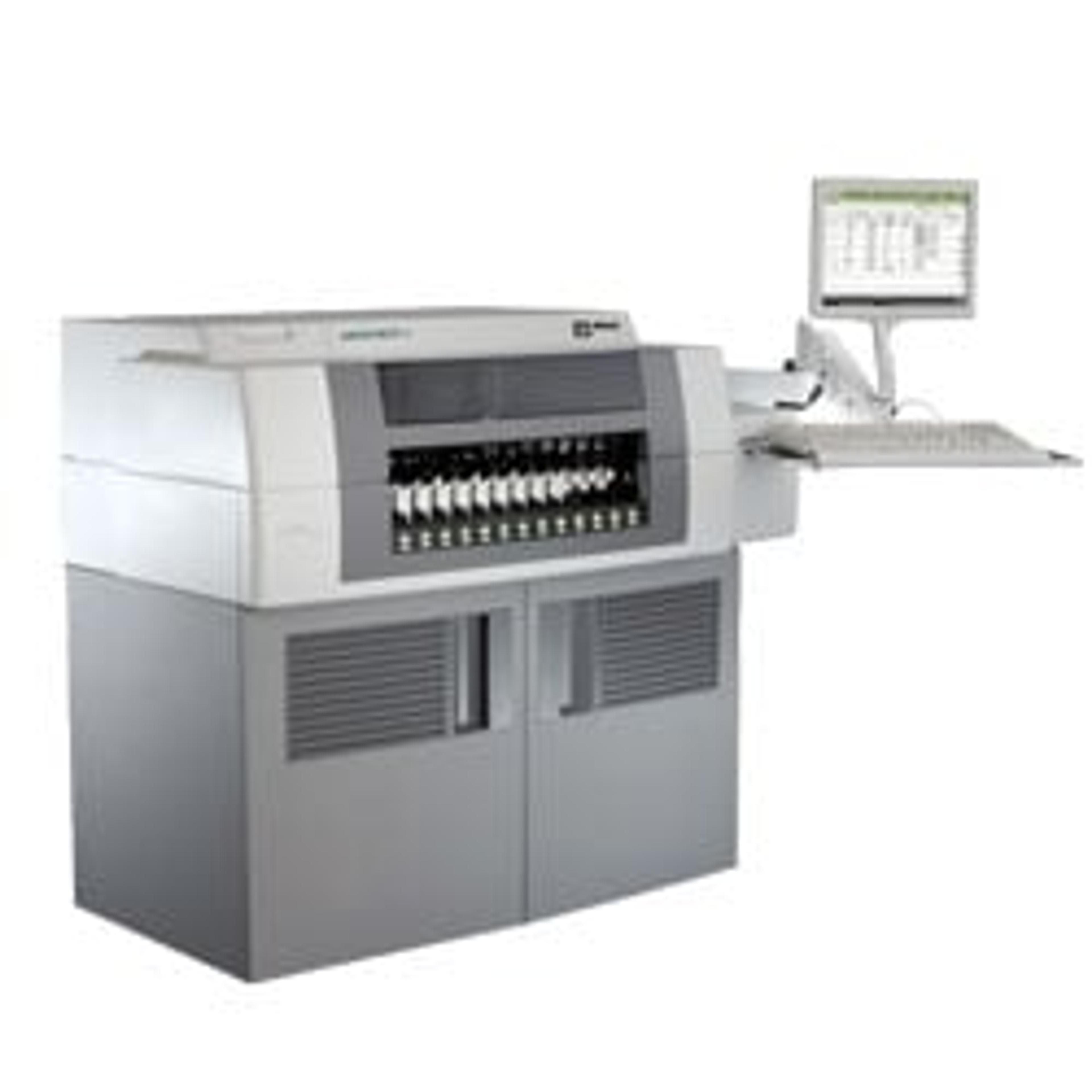
ARCHITECT i1000SR

Abbott

The ARCHITECT i1000SR immunoassay analyzer meets your laboratory’s high standards by delivering STAT results when you need them. The flexible protocols built into the ARCHITECT i1000SR enhance laboratory workflow and allow you to report results with confidence. For in vitro diagnostic use only. 
(11)

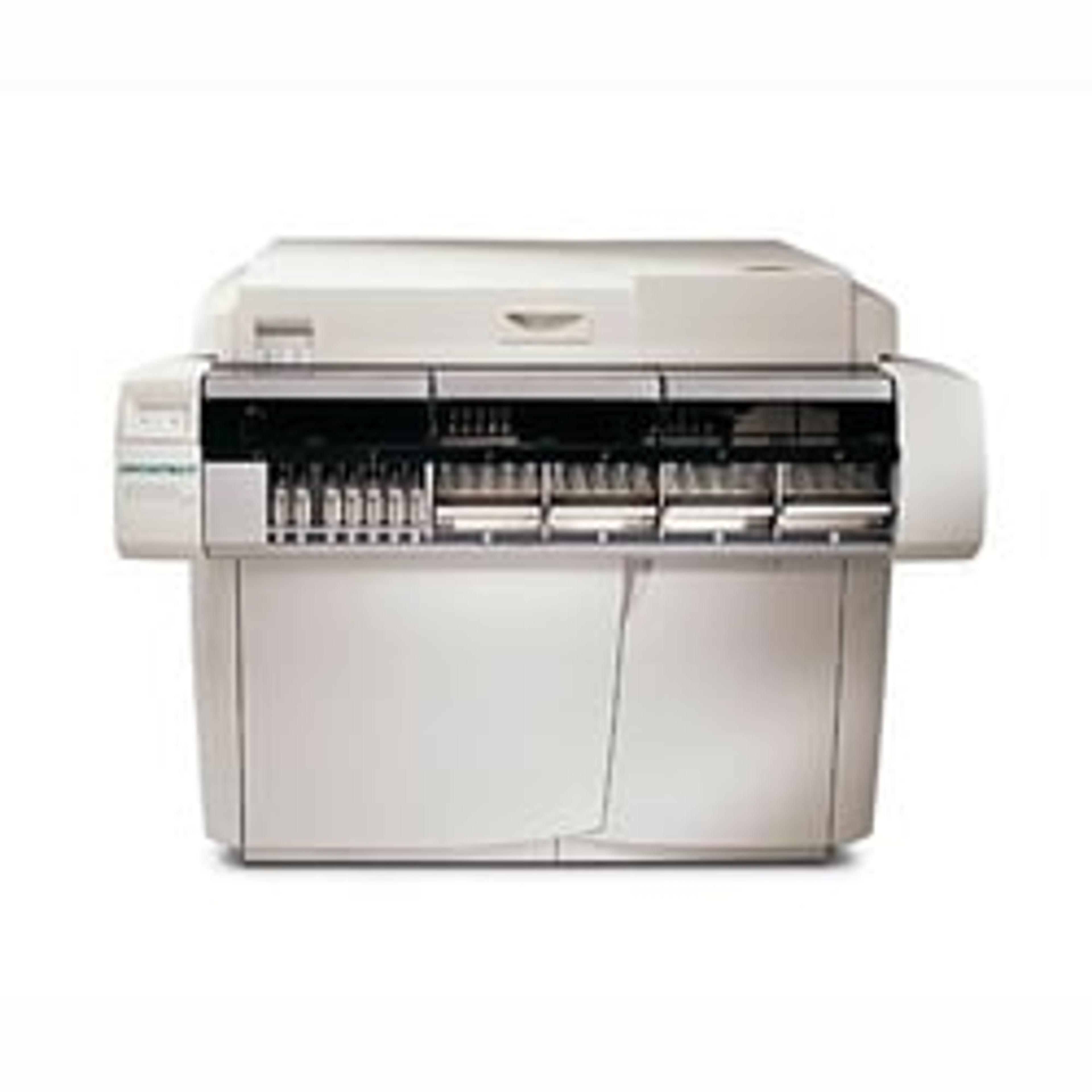
ARCHITECT i2000

Abbott

The ARCHITECT i2000 immunoassay analyzer shares all the proven benefits of other ARCHITECT family members. The ARCHITECT i2000SR provides immunoassay testing with increased sample and reagent capacity. Our innovative solution for immunoassay testing helps you report STAT results quickly using dedicated positions on a three-dimensional sample handler. Confidently report results with our advanced CHEMIFLEX technology using flexible protocols. Standardize processes through equivalent patient results and common consumables across all ARCHITECT i Systems.ARCHITECT i2000 Features:  No clinically significant sample tube to tube carryover (less than 0.1 ppm) Robotic Sample Handler (RSH) eliminates bottlenecks and prioritizes urgent requests  Immediate STAT processing for fast and consistent turnaround time  Up to 25 refrigerated reagent positions  135 sample load capacity including 35 priority positions  Continuous sample access  Throughput of up to 200 immunoassay tests per hour

(15)

Links

Tags

AntibodiesAntibodies are used in techniques such as confocal and fluorescence microscopy, flow cytometry, ELISA, ELISPOT, immunohistochemistry, western blotting and immunopreciptation. Select specific antigen reactivity, high specific affinity, low non-specific binding, monoclonal or polyclonal, primary or secondary antibodies and associated conjugates such as an enzyme or dye for visualization.Data AnalysisData analysis hardware and software is available to make data processing straight-forward yet powerful. Data software can be used for math and stats, technical graphing and image analysis. In addition, software is available for specific data analysis of electrophoresis, densitometry, ELISA and DNA sequencing.Blood TransfusionBlood Transfusion involves giving donor blood to a recipient patient. Screening is essential to avoid transfusion reactions. Blood banks use immunohematological techniques to determine rh and ABO blood group, and screen for antibodies using specific antisera. Blood Banks use Direct Coombs Tests (DCT) and Indirect Coombs Tests (IAT) to detect hemolysis and Haemolytic Disease of the Newborn (HDN).HematologyIn Haematology / Hematology, complete blood cell counts (or full blood counts) are obtained using automated blood count analyzers to enumerate blood cell types.  Hematology also encompasses haemostasis and coagulation, thrombophilia and hemophilia, plasma viscosity and ESR analysis, hemoglobinopathies, cell morphology and haematinic measurement.ImmunologyImmunological techniques measure and characterize immune responses. Immunology kits and analysis systems often use techniques such as ELISA, radioimmunoassay (RIA) and immunodiffusion assays, Immunohistochemistry, and flow cytometry. Immunologists use equipment such as flow Cytometers, plate readers, plate washers and fluorescent microscopes.Cellular PathologyCellular Pathology deals with the microscopic analysis of tissue samples and cells. Sample preparation and processing includes fixation, staining, sectioning and slide mounting, using equipment such microtomes and cryostats. In choosing immunohistochemistry and immunocytochemistry kits, consider chromogens, staining method, antibodies, microscopes and imaging.Point-of-CarePoint-of-Care Testing (POCT) or Near Patient Testing (NPT) products are available for urine, blood and other clinical chemistry analyses. POCT includes: blood glucose testing, blood gas and electrolytes analysis, rapid coagulation testing (PT / INR), rapid cardiac markers diagnostics, drugs of abuse screening, urine strips testing, pregnancy testing, fecal occult blood analysis, food pathogens screening, hemoglobin diagnostics, infectious disease testing and cholesterol screening.Biopharmaceutical AdvancesBiopharmaceutical advances follow the development of pharmaceuticals derived from biotechnology, also known as biotechnology medicines. Biopharmaceuticals may be produced from cell lines, plants, or microbial cells. Important considerations of biopharmaceutical use include application, cost, production process and purification.Clinical TrialsClinical Trials, an essential part of drug discovery process, assess the safety and effectiveness of a new medication or device in the pharmaceutical industry. Clinical Trials are a phased process (Phase 0, Phase I, Phase II, Phase III and Phase IV) which begins after initial preclinical testing.Clinical ChemistryBiochemistry (or clinical chemistry) involves the analysis of bodily fluids using chemical tests. Techniques used include HPLC, chromatography, spectroscopy, mass spectrometry, immunochemical, electrophoresis, turbidometric / spectrophotometric assay, MRI and ISE analysis. Tests are often carried out on plasma or serum but urine (urinalysis) and fecal specimens are also processed.Clinical GeneticsMolecular Genetics covers the analysis of hereditary genetic disease and chromosomal abnormalities. Genetics can be analysed using DNA, RNA, and protein microarrays, PCR, RT PCR and DNA sequencing. Genetic equipment includes genetic workstations, thermal cyclers, cooling blocks and electrophoresis products. Diagnostic kits are used for DNA / RNA extraction and purification.Drug TestingIt is essential to test the efficacy and toxicity of drugs at every stage of their development to ensure that a pharmaceutical product is fit for purpose and safe for use before reaching the stage of mass production and distribution.Drug DiscoveryDrug discovery is the process of identifying potential new medications, involving stages such as target identification, compound screening, and preclinical development. It relies on cutting-edge technologies like high-throughput screening, artificial intelligence, and molecular modeling to accelerate the identification of drug candidates. Drug discovery plays a pivotal role in developing new therapies for diseases ranging from cancer to rare genetic disorders. Browse our peer-reviewed product directory to find the latest drug discovery technologies, compare options, check customer feedback, and get pricing directly from manufacturers.Molecular DiagnosticsMolecular diagnostics use an individual’s genetic code and gene expression to diagnose and monitor diseases. The technique is used increasingly in the field of infectious diseases and oncology, as well as areas such as coagulation, HLA typing and pharmacogenomics. Molecular diagnostics plays a pivotal role in personalized medicine.Antibodies