
Abbott introduces next-generation 3D cardiac mapping platform in Europe and Australia
The EnSite X EP System is a new cardiac mapping system designed from electrophysiologist input to optimize cardiac ablation procedures
6 Nov 2020
Product news
Abbott has announced it has received CE Mark and approval in Australia for its new EnSite™ X EP System, and is launching the system throughout Europe and Australia. The EnSite X System is the only system that offers the option to navigate the cardiac anatomy two different ways on one platform. Abbott sought physician feedback to develop the EnSite X System to meet current needs as well as address emerging opportunities during cardiac ablation procedures. The new cardiac mapping platform builds upon the company’s electrophysiology portfolio and is designed to improve how physicians deliver ablation therapy to treat abnormal heart rhythms.
Cardiac mapping systems allow electrophysiologists to create a map of the heart, helping them get a clear picture of the electrical signals that control cardiac rhythms. Once a map is created, physicians can identify electrical disruptions—or areas of the heart causing heart rhythm problems—and use ablation therapy to treat the issue. Cardiac ablation is a minimally invasive procedure that can treat abnormally fast heartbeats by creating lesions (ablations) in small areas of heart tissue that a physician has identified as causing the arrhythmia.
The EnSite X System has advanced imaging capabilities that allow for the creation of a three-dimensional (3D) model of the patient’s cardiac anatomy in real-time, allowing physicians to clearly see areas of the heart that need ablation treatment. Physicians can choose traditional impedance monitoring (using mechanical activity of the heart) or electromagnetic technology, which allows precise location of Abbott's sensor-enabled catheters during treatment.
"The new EnSite X System will fundamentally change how physicians approach longer, more complex ablation procedures as a result of its improved stability, faster mapping and better model visualization," said Prof. Paolo Della Bella, Head of the Department of Cardiac Electrophysiology and Arrhythmology at IRCCS San Raffaele Hospital, Milan, Italy. "In my first cases with the system, it’s been apparent that the system is an important step forward in terms of technological capabilities and also truly helps improve my clinical analysis by protecting for patient movements.”
The various aspects of the EnSite X System are designed to work in harmony and allow ongoing updates as technology advances. The new mapping system is among a series of product-focused activities from Abbott designed to improve patient care and meet the needs of electrophysiologists around the world.
The company also recently secured U.S. Food and Drug Administration (FDA) and CE Mark approval for the EnSite™ LiveView Dynamic Display, which allows data from the Advisor™ HD Grid mapping catheter, Sensor Enabled™ to be visualized in real-time during cardiac ablation procedures. The Advisor HD Grid catheter, SE is designed to capture information often missed with traditional mapping catheters. Additionally, physicians use magnetically sensor-enabled technology, such as the TactiCath™ Contact Force Ablation Catheter, Sensor Enabled™, for precise location and navigation within the heart.
"The high-density cardiac mapping capability this new system offers helps me to more quickly and accurately collect data and diagnose arrhythmias," said Prof. Isabel Deisenhofer, Head of Electrophysiology at the German Heart Center, Munich Germany. "The combination of the EnSite X System with the Advisor HD Grid mapping catheter, SE allows me to most effectively treat each patient’s unique needs without having to compromise our workflow in the EP lab."
The EnSite X EP System is currently pending 510(k) clearance from the U.S. Food and Drug Administration.
About Cardiac Ablation:
When physicians use catheter ablation to treat cardiac arrhythmias, long flexible tubes — called catheters — are inserted into the heart to study the arrhythmia and to deliver radio frequency energy. Heat generated from the radio frequency energy creates a scar on the tissue where the abnormal heartbeats originate. As a result, this tissue is no longer capable of conducting or sustaining the arrhythmia.
Do you use Abbott products in your lab? Write a review today for your chance to win a $400 Amazon Gift Card>>
Related products
Request Quote for All Products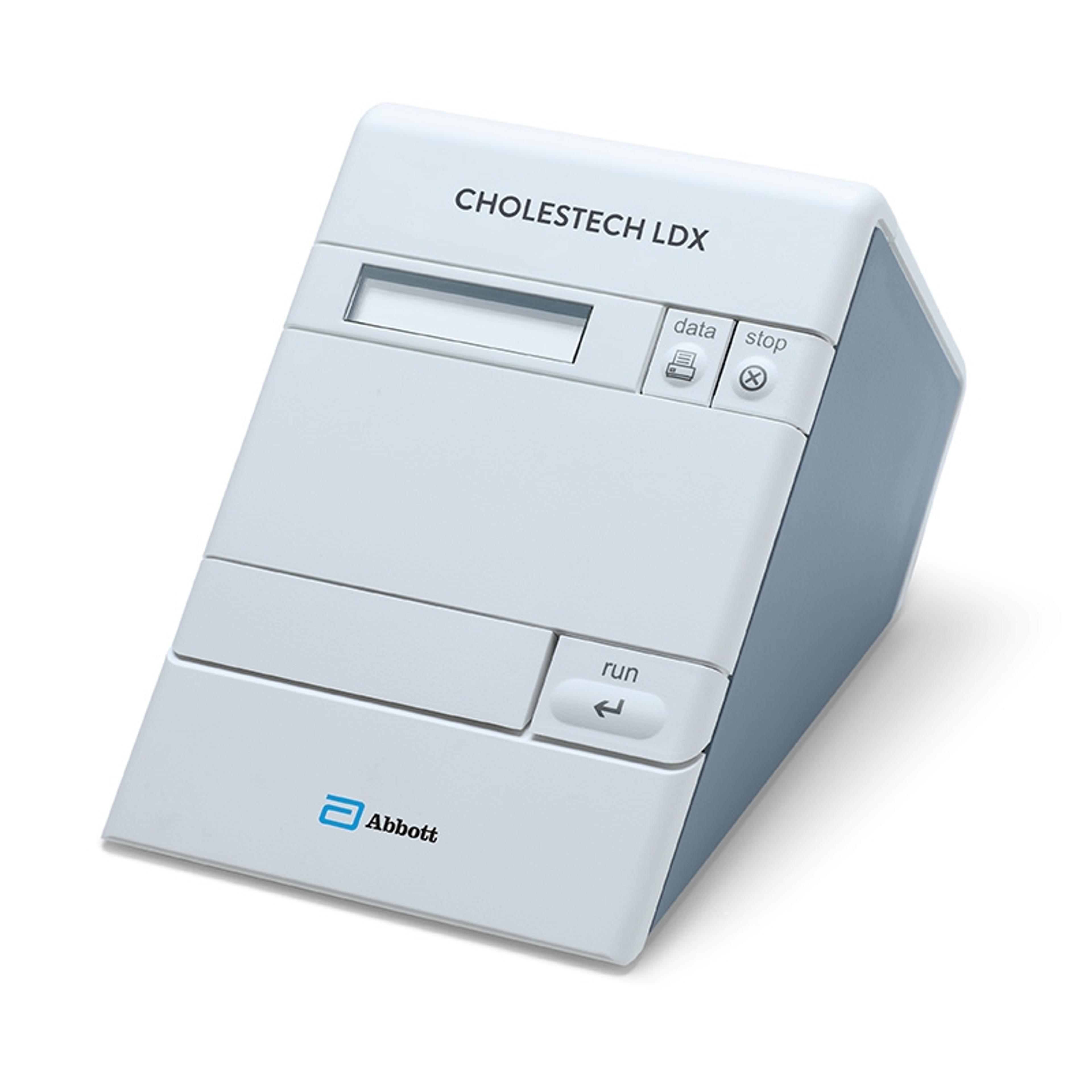
Cholestech LDX™ System
AbbottAccurate, actionable results from the leader in point-of-care lipid testing.

ID NOW™ Instrument (formerly Alere™ i)
AbbottA rapid, instrument-based, isothermal system for the qualitative detection of infectious diseases.