A year of clinical research change, challenge, and champions: Your questions answered

Discover the impact of the COVID-19 pandemic on a clinical research facility and the future of clinical trial recruitment

13 Jul 2021

Diane Li
Assistant Editor

Expert insights

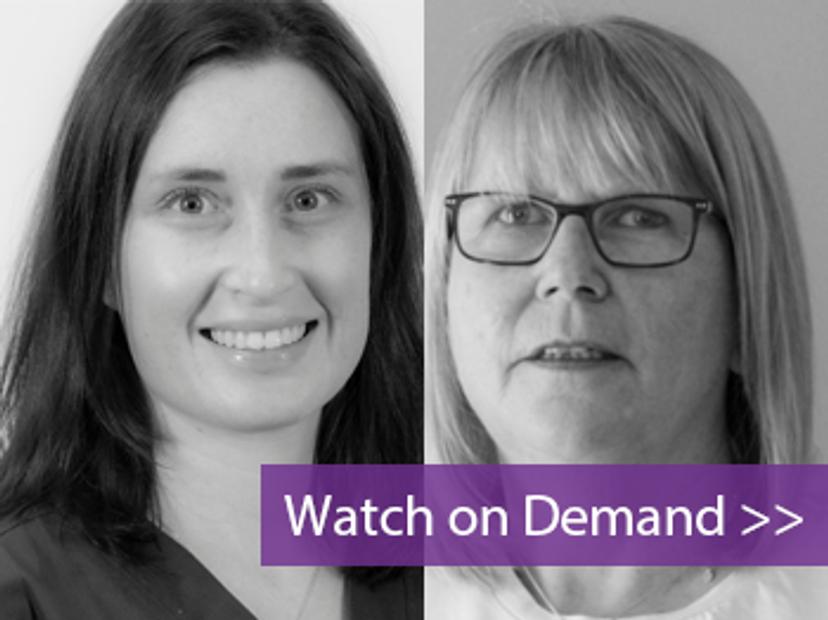
Ellie Robertson and Dr. Kirstin Taylor
Ellie Robertson and Dr. Kirstin Taylor, Intelligent Clinical

COVID-19 has brought many challenges to clinical research, with investigator sites having to adapt their operations to ensure they successfully meet the safety concerns for both research staff and study participants.

In this on-demand SelectScience webinar, Ellie Robertson, managing director, and Dr. Kirstin Taylor, clinical research physician at Intelligent Clinical, discuss the various issues their new clinical research facility has faced in light of the pandemic, and how increased public awareness of clinical research may influence clinical trial recruitment in the future.

Read on for highlights of the live Q&A session or register to watch the webinar at any time that suits you.

Q: Have you had to gain extra approval for local public health bodies to be able to continue with study visits?

ER: We’ve had quite lengthy discussions with the public health bodies responsible for the areas we recruit from. It wasn't an easy process with our focus and priority being around the national health related research.

We definitely had to provide a strong rationale for the research occurring within the private sector. When they understood the standards that we work to, the discussion became a lot easier.

Q: What kind of feedback have your participants given you when they come in for their visits?

ER: There is no doubt that everyone is wary of the restrictions that they're living under. That was definitely a key element of the feedback from participants that came to us. Just being able to speak in-person with our team and know they were permitted that little element of freedom while taking part was a key talking point. Many said it was the first time they'd been outdoors for weeks and felt great being able to do something positive to help. So, it was all very positive feedback just being able to participate and help in some way.

Q: Did you have to make any major changes to your facility to adhere to COVID restrictions?

ER: Because we were a new facility starting up, we were in the fortunate position of being in the planning and design stage, just as the pandemic really took hold. On that basis, we were able to adjust to consider COVID restrictions as part of the planning. That really set us up well to move forward from restrictions, allowing visits with minimum disruption. We have a second overspill waiting area to allow some movement through the clinic room, while allowing space for people to wait. I think that was quite important to participants as they didn’t have to share a waiting area with anyone else, which gave them a level of comfort.

Q: You asked a poll question about changing the levels of inconvenience compensation to study participants. Do you think this needs to be looked at?

KT: Paying subjects for research participation is always a contentious issue. People are motivated to participate for a variety of reasons. We can't underestimate the worth of the time and travel commitments that participants make when taking part in studies. We need to look at the value of the time and inconvenience for the study participants closely, while at the same time taking into account the ethical considerations of paying participants.

Q: Have you had any negative feedback from participants attending your facility during the pandemic?

KT: Some participants might be more unsure than others when visiting premises during the pandemic. We would always take the time to give clear instructions, answer any questions or concerns that they may have before and during their visit, to ensure that they feel comfortable and safe. We would provide both verbal and written information on all of the safety measures that we have in place. That certainly has paid off, and we've only received positive feedback from participants who have attended so far.

Q: Have you seen an increase in the level of interest in taking part in research locally?

KT: The results of our survey suggested that a lot more people are now interested in taking part in clinical research. We certainly have seen a rise in the level of interest locally. We've had a steady increase in registrations to our database. We have been able to meet all of our recruitment targets and timelines despite all the difficulties that the pandemic has thrown at us.

SelectScience runs 10+ webinars a month across various scientific topics, discover more of our upcoming webinars>>

Links

Tags

Sample PreparationSample preparation can improve the quality and speed of separation techniques. Products to assist sample preparation include filtration equipment, evaporators, membranes and sieves.Data AnalysisData analysis hardware and software is available to make data processing straight-forward yet powerful. Data software can be used for math and stats, technical graphing and image analysis. In addition, software is available for specific data analysis of electrophoresis, densitometry, ELISA and DNA sequencing.ImmunologyImmunological techniques measure and characterize immune responses. Immunology kits and analysis systems often use techniques such as ELISA, radioimmunoassay (RIA) and immunodiffusion assays, Immunohistochemistry, and flow cytometry. Immunologists use equipment such as flow Cytometers, plate readers, plate washers and fluorescent microscopes.Cellular PathologyCellular Pathology deals with the microscopic analysis of tissue samples and cells. Sample preparation and processing includes fixation, staining, sectioning and slide mounting, using equipment such microtomes and cryostats. In choosing immunohistochemistry and immunocytochemistry kits, consider chromogens, staining method, antibodies, microscopes and imaging.Clinical TrialsClinical Trials, an essential part of drug discovery process, assess the safety and effectiveness of a new medication or device in the pharmaceutical industry. Clinical Trials are a phased process (Phase 0, Phase I, Phase II, Phase III and Phase IV) which begins after initial preclinical testing.Clinical ChemistryBiochemistry (or clinical chemistry) involves the analysis of bodily fluids using chemical tests. Techniques used include HPLC, chromatography, spectroscopy, mass spectrometry, immunochemical, electrophoresis, turbidometric / spectrophotometric assay, MRI and ISE analysis. Tests are often carried out on plasma or serum but urine (urinalysis) and fecal specimens are also processed.Clinical GeneticsMolecular Genetics covers the analysis of hereditary genetic disease and chromosomal abnormalities. Genetics can be analysed using DNA, RNA, and protein microarrays, PCR, RT PCR and DNA sequencing. Genetic equipment includes genetic workstations, thermal cyclers, cooling blocks and electrophoresis products. Diagnostic kits are used for DNA / RNA extraction and purification.Clinical MicrobiologyMicrobiology is the study of microorganisms including protists, prokaryotes, fungi, and, often, viruses. Microorganisms are a useful research tool as genetic vectors and, in immunology, for antibiotic susceptibility testing, cellular biology and genetics. Microorganisms commonly grow readily in incubators with microbial culture media; this can contain chromogenic supplements to differentiate between cell lines. Estimate your culture’s density of microorganisms with colony counters, or screen and select colonies for desirable clones with automated colony pickers. Additionally, equipment is available to monitor environments for the presence of microbes and identify with microbial identification instruments. Find the best microbiology products in our peer-reviewed product directory: compare products, check customer reviews and receive pricing direct from manufacturers.Drug DeliveryDrug Delivery refers to dosage form, route of administration, formulations, technologies, and systems for transporting a pharmaceutical compound in the body as needed to safely achieve its desired therapeutic effect. Drug delivery is often approached via the biopharmaceutical or small molecule drug's formulation, but it may also involve medical devices or drug-device combination products. Considerations include instrumentation, software and services. RegulatoryPharmaceutical regulations impact on all areas of drug development, manufacture and control and supply. Services are provided from the early stages of drug development and clinical trials through to dossier submission, approval and marketing. Regulatory also includes submission of analytical studies from the pharmaceutical product and safety. Clinical ChemistryClinical chemistry involves the analysis of bodily fluids, like blood and urine, to diagnose and monitor diseases. Tests in clinical chemistry provide critical information for patient care and treatment decisions. Explore clinical chemistry tools in our peer-reviewed product directory; compare products, check reviews, and get pricing directly from manufacturers.Clinical StudyProspective biomedical or behavioral research studies on human subjects, following tests in animals, that are designed to answer specific questions about novel vaccines, drugs, treatments, dietary supplements, devices or new ways of using known interventions, generating safety and efficacy data.Clinical QCCoronavirusCoronaviruses are a large family of viruses that can cause illnesses ranging from the common cold to more severe diseases like COVID-19. Research into the biology, transmission, and treatment of coronaviruses has become a global priority, particularly since the emergence of SARS-CoV-2. Understanding the virus�s structure and behavior is essential for developing vaccines, diagnostics, and antiviral treatments. Explore our peer-reviewed product directory to discover the latest research tools, diagnostic tests, vaccines, and treatments for coronavirus, compare products, read reviews, and receive pricing directly from manufacturers.Covid-19COVID-19, caused by the SARS-CoV-2 virus, has led to a global health crisis with profound impacts on societies and economies. Research into diagnostics, vaccines, treatments, and understanding viral mechanisms continues to evolve. The pandemic has accelerated innovations in healthcare and biopharmaceuticals, including novel vaccine platforms and rapid testing technologies. Browse our peer-reviewed product directory to find top COVID-19 testing kits, research tools, vaccines, and treatments, compare products, read reviews, and receive direct pricing from manufacturers.