
‘A scientific discovery is only as good as its communication’
Meet this week’s Reviewer in the Spotlight, Dr. Noelle Cutter, a humanitarian who loves helping people whether it’s patients, students, or scientific peers through her reviews
25 Apr 2023

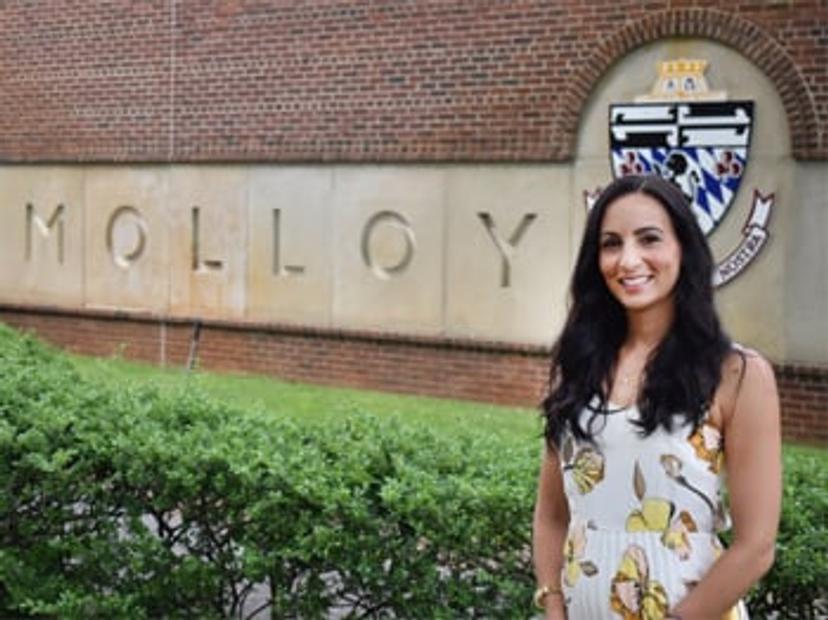
Lab product reviews can change the world by helping other scientists find the best equipment to accelerate their vital work. Here at SelectScience, we are dedicated to promoting peer-to-peer communication that will make the difference - but we couldn't do it without our esteemed reviewers. In this regular new feature, we put the spotlight on some of our most dedicated and impactful reviewers and find out what inspires them to keep sharing their knowledge with the global scientific community.
For this week’s ‘Reviewer in the Spotlight’, we speak with Dr. Noelle Cutter, associate professor at New York’s Molloy College, whose drive to shape a better world is shown in her passionate approach when it comes to working with cancer patients and educating the young minds of future scientists. Here, Noelle tells us about her research, the importance of effective communication in science and reveals her motivations behind writing SelectScience reviews.
Tell us about your role and what your research focuses on
I am an associate professor and director of the First Year Experience at Molloy College. By training, I am a scientist in the field of immunology where I have dedicated my career to studying immunotherapy options for pediatric patients diagnosed with a rare and aggressive form of brain cancer known as medulloblastoma.
I like to think that I take a unique and passionate approach to working with patients. Cancer remains the most common cause of death due to disease in children. Over the past decade, researchers have made great strides in understanding cancer but finding cures has still been difficult. In an ever-changing world, sometimes a new approach to solving this problem is necessary. Our students are transforming the viewpoint in society by setting a local example through their teamwork approach in solving problems. It is collaboration like this that will be needed to solve some of the world’s larger crises, like cancer. I am most interested in the role that methylation plays in gene regulation allowing tumors to grow and divide. By doing so, I hope to be able to better diagnose patients so they can be treated more efficiently.

What's been your experience with the COVID-19 pandemic?
During the COVID-19 pandemic, I worked in an antibody testing lab where I helped design synthetic peptides to test for the presence of SARS-Cov2 antibody in patient serum. Our work on the ELISA testing plate was implemented in numerous labs across New York and Colorado. My collaboration in this platform was one of the first successful testing options for the novel 2019 coronavirus. I now continue my efforts working alongside science advocates on Long Island to help in the distribution of the COVID-19 vaccine, as part of #vaccinateNYS. The goal is to make sure the distribution is fair and equitable to the general public.
What inspired you to get into the world of science?
I think at heart I am a humanitarian. I was always driven by service to others. I’ve been interested in various aspects of science as early as I can remember. I like that scientists are trying to find answers to many difficult questions. Finding answers is what I am passionate about, especially when it means I can help patients.
This really hit home when my nephew Louie was diagnosed with brain cancer at only 16 months old. He lost his battle to medulloblastoma in six weeks. I witnessed firsthand what this disease can do to someone. No one should have to endure that, especially a child.
Why do you think communication is vital in science?
Scientific discovery is only as good as its communication; the key is to accommodate the multiple communication paths from that discovery. Scientists doing the work can see more connections themselves when they organize data in a different way. Colleagues will more easily replicate experiments. Scientific writing can often get clogged up with technical details and confusing jargon; scientists transfer that knowledge with the hopes of reaching people, but those people can have trouble understanding what it all means. When context is not available, connections are missed, and critical discoveries may remain hidden.
We need to do better, and we need to trust science again. That can only be achieved if the science is communicated clearly, efficiently, and contextually.
Dr. Cutter, SelectScience Life Sciences Reviewer of the Year for 2021, explains how lab product reviews help scientists make better-informed decisions
What is your favorite piece of lab equipment?
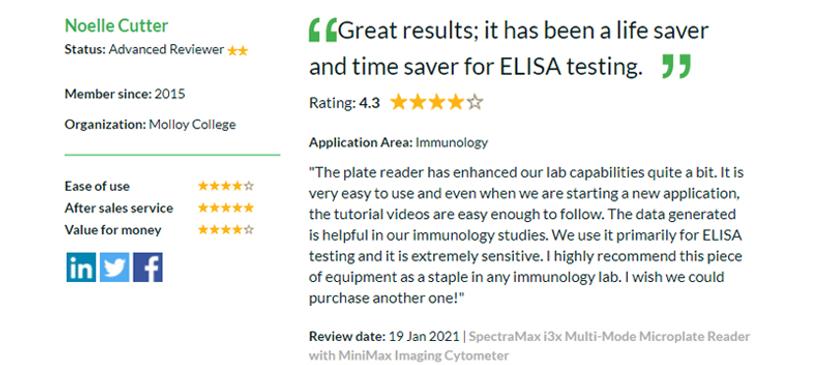
We were very lucky to receive a grant from the National Science Foundation to purchase a plate reader, the Molecular Devices SpectraMax multi-mode microplate reader. It is truly an amazing piece of equipment. For someone who is constantly running ELISA assays, this instrument has allowed for both high-performance and assay flexibility.
Why do you think lab equipment reviews are important and how do they help you with your research?
As a scientist in the lab, we are always looking for the latest reagents, kits, and equipment that will help our science grow. SelectScience reviews are incredibly useful. Knowing that someone has tried the item is so helpful in determining if this item will help in our own scientific discovery. Just as reviews for local restaurants are so important, scientific reviews on lab equipment help us be assured that what we purchase will be useful for our own important research.
SelectScience product reviews have provided a firsthand, unbiased, and complete product experience shared by other scientists and lab professionals. I have written several reviews because I know the importance that my input makes to others who are looking to buy the same items.
What would you like to achieve in your work?
In the years that I’ve spent doing cancer research, I find there is a reason for hope because research leads to cures. My students have given me that hope. Our students have transformation at the heart of their work and mindset, connecting our major initiatives to locally-driven movements and globally set milestones. This next generation will explore their differences and identify new possibilities for collaboration as they re-imagine the world in which we live to make it better for our future generations. Cancer continues to be a fatal disease in pediatric patients. It seems self-evident that if we are to make an impact on the patients, we must begin to understand the disease more completely. Being a professor has taught me that, not just in my lab, but globally, we have unique resources in academia with our next generation of students for basic science research that transcends borders.
If there is one thing I've learned in my 12 years studying cancer, it’s that our students have a drive of service to others. I want to thank them for their participation, collaboration, and most of all, for their confidence in our ideas. They have put their trust in us to educate them. At their core is the drive to shape a better world. This will not change, even as most everything else does. They truly are the recipe for transformation.
Would you like to feature in our Reviewer Spotlight? Write your review here to be in with a chance >>
Related products
Request Quote for All Products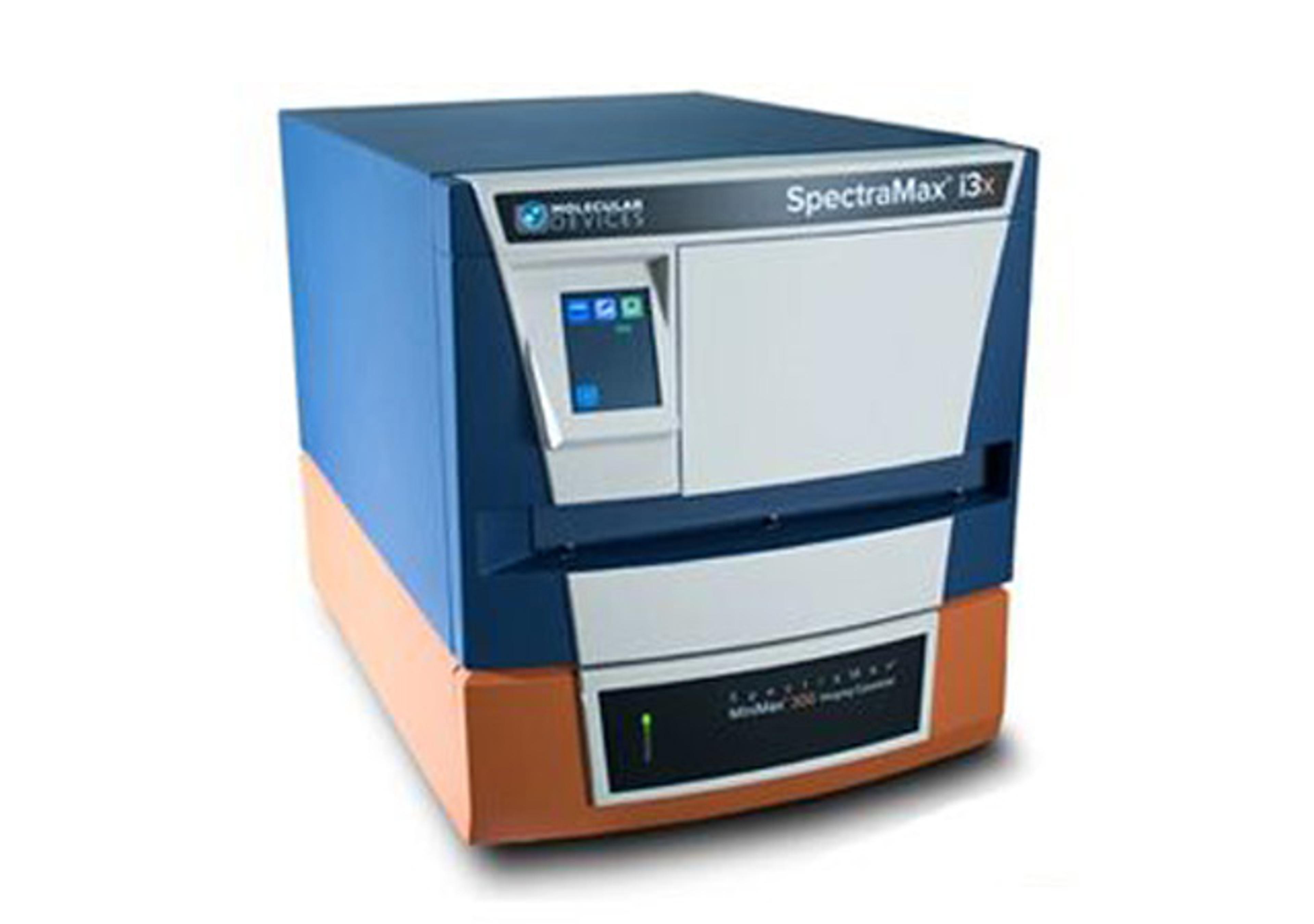
SpectraMax i3x Multi-Mode Microplate Reader with MiniMax Imaging Cytometer
Molecular Devices®Measures Absorbance, Fluorescence, and Luminescence with the added functionality of modular upgrades