
8 upcoming webinars to help optimize your laboratory processes
Discover the latest tools and techniques to expand your research capacity with expert-led presentations on cancer research, mass spectrometry, deep phenotyping, and more
21 Apr 2022
Expert insights

SelectScience® hosts dozens of informative free webinars for scientists every month, featuring world-class speakers at the very forefront of their respective fields. In this regular feature, we highlight the events you won't want to miss over the next week or so, as well as some of our top on-demand webinars.
This week, explore tips to select the correct vacuum technology for your lab, discover howmulticellular immune hubs can be predicted based on co-variation of gene programs, and learn how longitudinal deep phenotyping is central to systems medicine, the study of complex disease, and biomarker discovery.
Plus, find out systematic ways to troubleshoot complex problems in yourgas chromatography (GC) workflows, explore a study in which sequential targeting of positive tumors showed significantly increased cytotoxicity compared to single antigen targeting, and hear about the latest innovations in mass spectroscopy. Learn howinformatics solutionscan facilitate better collaboration and understand how advanced QC data management systems capability can support your laboratory.
Freeze drying and sublimation: The importance of precise vacuum technology

Join this webinar to find out why a precise vacuum is crucial in freeze drying and why pressure that is too low is counterproductive. Plus, receive valuable advice on how to effectively protect your vacuum pump from wear.
Monday, April 25, at 15:00 BST / 16:00 CEST / 10:00 EDT / 07:00 PDT
Spatial organization of multicellular immune hubs in human colorectal cancer

This webinar discusses a study in which 371,223 cells from human colorectal tumors were transcriptionally profiled, and demonstrates a path to discovering multicellular interaction networks that underlie immunologic and tumorigenic processes in human cancer.
Monday, April 25, at 16:00 BST/ 17:00 CEST / 11:00 EDT / 08:00 PDT
Sensitive high-throughput plasma proteomics: Key technology for deep phenotyping

Join this webinar to learn how the collection of comprehensive plasma proteomics has been advanced using high-throughput and high-sensitivity protein profiling with Olink® technology coupled with SPT Labtech’s liquid handling automation.
Tuesday, April 26 at 16:00 BST / 17:00 CEST / 11:00 EDT / 08:00 PDT
GC troubleshooting tips and tricks from inlet through to detection

This webinar will walk you through a systematic approach to identify, resolve, and prevent GC-related problems, explore diagnostic approaches for solving issues in GC analysis, and provide insight into troubleshooting with specific case studies.
Tuesday, April 26, at 16:00 BST / 17:00 CEST / 11:00 EDT / 08:00 PDT
Bispecific-antibody-armed, metabolically enhanced headless CAR T cells: Safe and effective serial killers of solid tumors

This webinar will present metabolically enhanced headless CAR T (hCAR T) cells armed with bispecific antibodies (bsAbs) that were created in the 2021 study by Dr. Thakur and her colleagues at the University of Virginia and University of Pennsylvania.
Wednesday, 27 April, at 16:00 BST/ 17:00 CEST / 11:00 EDT / 08:00 PDT
A masterclass in mass spectrometry – from the latest innovations to future applications
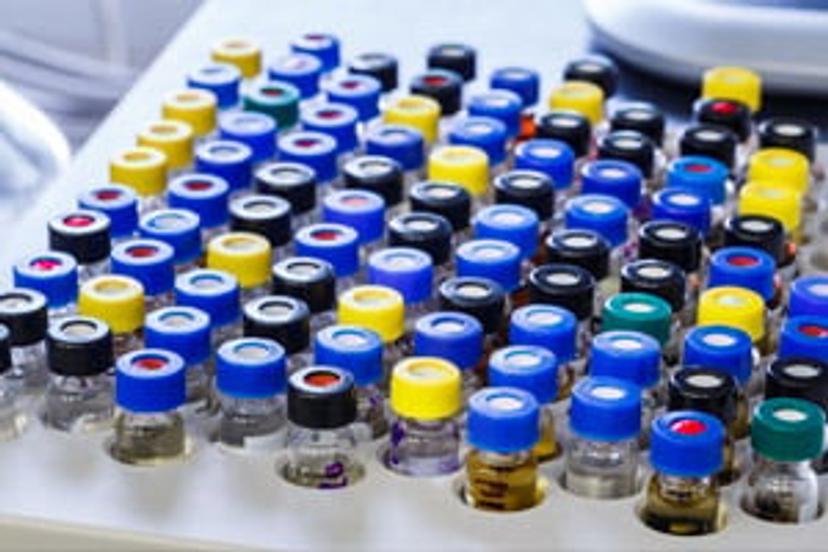
Join Agilent to experience expertly crafted mass spectroscopy content that could help change your lab forever. From high-end systems and new compliance opportunities, to high-throughput and automated sample preparation techniques, this virtual event has something for everybody.
Thursday, April 28, 18:00 BST / 19:00 CEST / 13:00 EDT / 10:00 PDT; 19:00 BST / 20:00 CEST / 14:00 EDT / 11:00 PDT; 20:00 BST / 21:00 CEST / 15:00 EDT / 12:00 PDT
Materials innovation: How can informatics solutions improve efficiency in the specialty chemicals industry

Join this webinar to learn how informatics solutions like an electronic lab notebook (ELN) and data analytics can help a specialty chemicals company excel in delivering on external requests by optimizing, accelerating, and facilitating collaboration across the Make-Test-Decide innovation cycle.
Thursday, April 28, at 15:00 BST/ 16:00 CEST / 11:00 EDT / 08:00 PDT
A practical review of Quality Measurement Tools for the IVD laboratory

This webinar will discuss the key processes of calibration, internal quality control (QC), interlaboratory peer group reporting, linearity controls, and external quality assessment/proficiency testing (EQA/PT). Plus, learn about the advanced QC data management systems capability that supports laboratories.
Friday, April 29, at 12:00 BST / 13:00 CEST / 07:00 EDT / 04:00 PDT
Watch our webinars at a time that suits you
Missed one of our webinars? Fortunately, all SelectScience webinars are made available on demand after the live event. Catch up on some of our latest webinars below:
Tips and tricks to lower the costs of diagnostic histopathology
Emerging Topics in the Cannabis Field: Metals in Vape Liquids
Size-exclusion chromatography: How to upgrade your current methods
Accelerating drug discovery and development with single-cell and spatial profiling
Cultivating the worldwide biosafety profession
Affordable digital dispensing for dose-response studies
SelectScience runs 10+ webinars a month across various scientific topics, discover more of our upcoming webinars>>
Related products
Request Quote for All Products
xCELLigence RTCA EPACER
Agilent TechnologiesThe xCELLigence RTCA ePacer provides an easy and effective way to produce functionally mature hiPSC cardiomyocytes. The ePacer improves the maturation status of the cardiomyocytes in 2-3 weeks using precise and electrical pacing conditions over different time durations. The simple pacing protocol, using precise and consistent electrical pacing conditions, improves the functionality of hiPSC cardiomyocytes and their response to inotropic compounds. For Research Use Only. Not for use in diagnostic procedures.
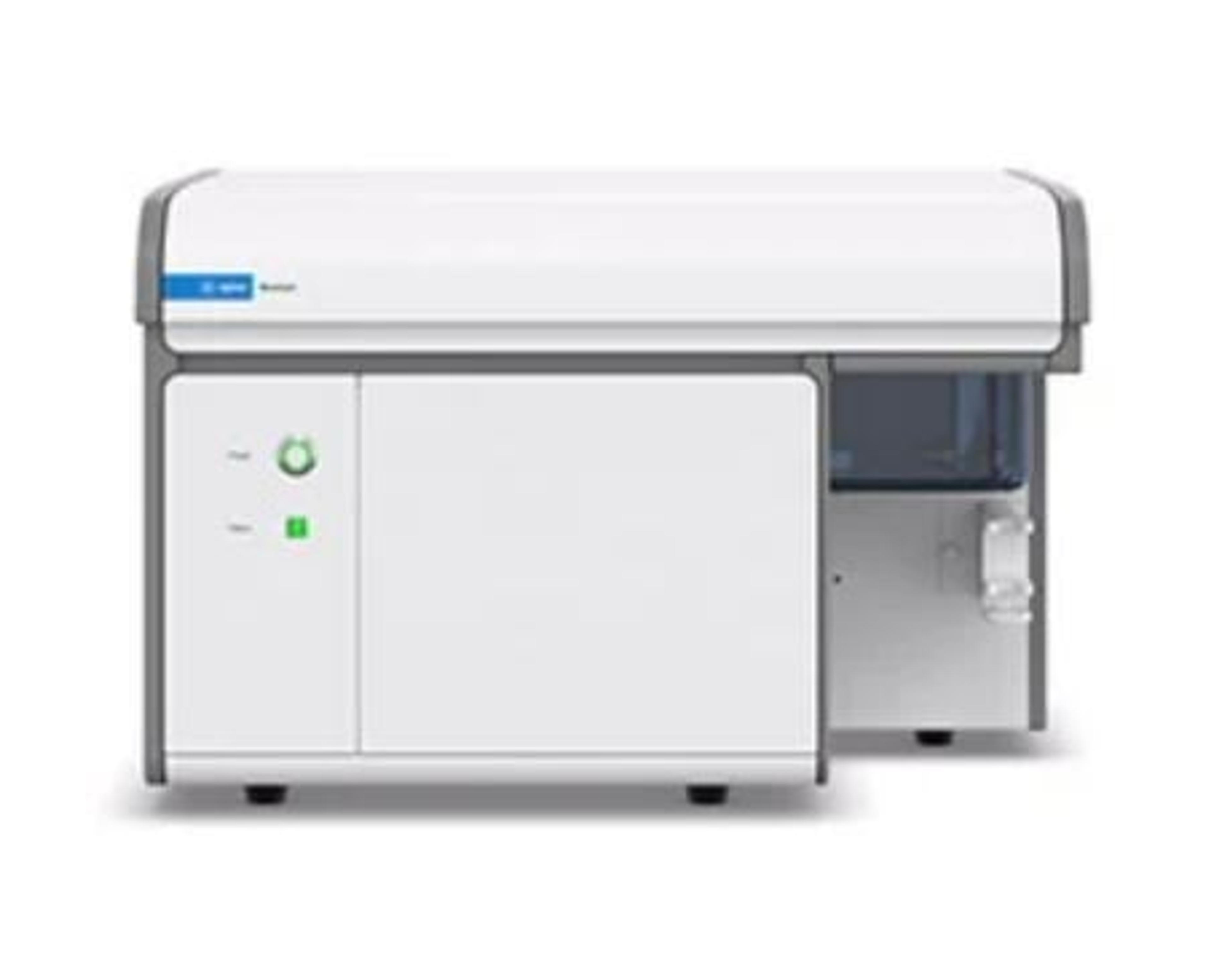
NovoCyte Flow Cytometer
Agilent TechnologiesNovoCyte is a high-performance benchtop flow cytometer designed for all levels of users and all types of laboratories. The budget-friendly instrument can detect up to 17 parameters with enhanced sensitivity and resolution. The customizable laser and optical configurations of the NovoCyte offer a high degree of flexibility while providing complex cell analysis capabilities. The NovoExpress software facilitates easy and intuitive sample acquisition and analysis. Automation of multiple fluidic functions eliminates cumbersome and time-consuming procedures. Manual sample handling is minimized by the flexible NovoSampler Pro. The system can automatically analyze samples in single tubes, multi-tube racks, or 24-, 48-, or 96-well plates

Seahorse XF Real-Time ATP Rate Assay Kit
Agilent TechnologiesThe Agilent Seahorse XF ATP Real-Time rate assay is the only assay that measures and quantifies the rate of ATP (adenosine triphosphate) production from glycolysis and mitochondria simultaneously using label-free technology in live cells, in real time.