
8 top trends in multiplexing: Could this technology transform your lab?
Discover the latest research applications using multiplex technology to maximize sample use, while saving time and money
3 May 2020
Editorial article

Upgrade your single-cell data with higher-plexing
Explore a series of case studies illustrating the research capabilities of high-plexing assays in this free application eBook. Plus, receive top tips on how to achieve accurate, reliable results for virtually any target species, tissue, or gene with RNAscope™ technology from Advanced Cell Diagnostics.

The study of memory mechanisms to identify new therapeutic targets for PTSD
Watch this video interview with Dr. Mark Cembrowski, Assistant Professor at the University of British Columbia, and Kaitlin Sullivan, an MSc student in the Cembrowski Lab, to find out how single-cell RNA sequencing is being used to identify potential targets to treat fear memory disorders.
How to buy: Multiplex assay technology
Multiplexing is the process of measuring multiple analytes simultaneously from a single sample in a single experimental run. Download our free how-to-buy eBook and receive a step-by-step guide to numerous multiplex assay technologies, ranging from bead-based assays to solid-phase microarrays, so you can make an informed decision on the best choice for your laboratory.
Design, optimize, and validate your multiplex immunofluorescence panels
Multiplex immunofluorescence (mIF) combines the spatial information from immunohistochemistry (IHC) with multimarker phenotypes. Watch this on-demand, expert webinar on the recent advances in mIF technology and the key considerations for producing a high-performing panel that avoids undesirable interactions between the detection of the targets and neighboring visible light spectra.
Nano-injection technology for improved CRISPR delivery
With traditional delivery methods, the success of CRISPR-Cas-mediated gene editing is often less than optimal due to poor cell viability and low transfection efficiency rates. In this expert interview, discover the novel nano-injection technology that promises to enable significantly enhanced gene editing rates, optimized on/off-target effects and easy multiplexing of CRISPR mutations.
The importance of the cellular microenvironment for effective drug development
In this SelectScience article, we speak with Dr. Nathalie Maubon, founder of HCS Pharma, a biotechnological start-up focused on in vitro preclinical research and development. With a specialization in automated cellular imaging, HCS Pharma hopes to use high-content analysis and high-content screening to obtain and select more effective treatments against complex diseases.
Multiplexed screening of drug-induced mitochondrial dysfunction and cytotoxicity
Download this free application note that assesses the feasibility of combining cytotoxicity and mitochondrial function measurements into a single, multiplexed ‘mix-and-measure’ assay, thereby simplifying screening workflows.
Maximize throughput with multichannel liquid chromatography
With traditional single-channel LC-MS systems, the mass spectrometer lies idle for significant periods of time as the samples are processed sequentially, leading to reduced efficiency and increased time and cost per sample. Download this application guide to perform fast, efficient LC-MS/MS clinical analysis using multichannel LC and online sample technologies.
For more of the latest multiplexing news, straight to your inbox, become a member of SelectScience for free today>>
Related products
Request Quote for All Products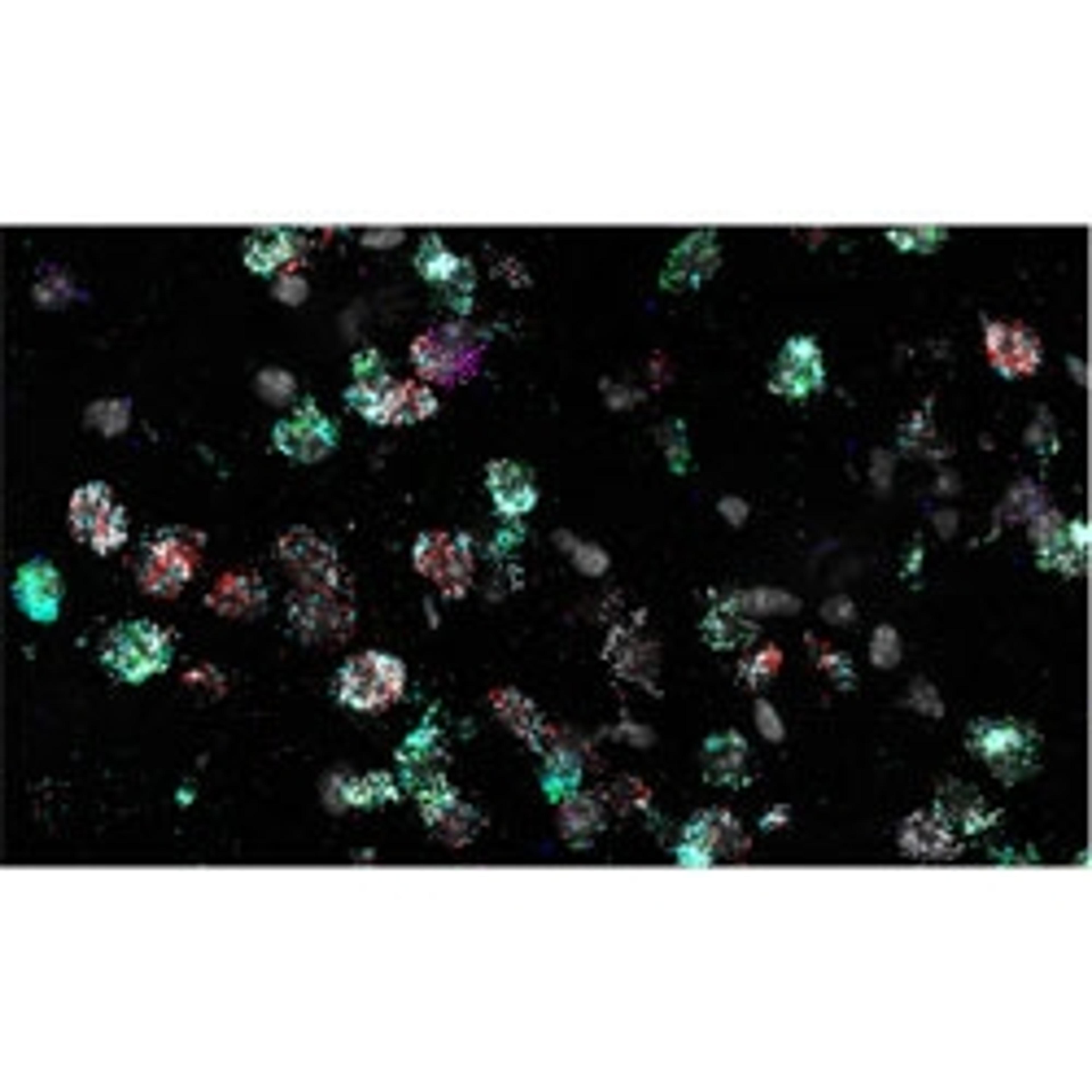
RNAscope™ HiPlex Assays
Advanced Cell DiagnosticsIntroducing RNAscope HiPlex assay to expand your in situ hybridization potential.