7 upcoming webinars to empower your research

Discover the latest tools and techniques to expand your research capacity with expert-led presentations on immunotherapy, antibody development, cell counting, and more

11 Sept 2022

Dora Wells
Clinical Content Editor

Expert insights

Upcoming SelectScience Webinars

SelectScience® hosts dozens of informative free webinars for scientists every month, featuring world-class speakers at the very forefront of their respective fields. In this regular feature, we highlight the events you won't want to miss over the next week or so, as well as some of our top on-demand webinars.

This week, learn how to choose the analytical methodology and instrumentation for successfulsteroid analysis, explore how spatial distances between effector immune cells, regulatory immune cells, and tumor cells are associated with immunotherapy outcomes, see how recombinant DNA technology has been applied to monoclonal antibody development, and recognize sources of error or contamination which can alter sample results from sample processing.

Plus, understand the factors affecting accuracy and precision in Karl Fischer titration, explore how higher throughput and increased accuracy may be achieved in cell counting, and gain insight into the role ofhuman papillomavirus (HPV) in head and neck squamous cell carcinoma.

Endogenous steroid analysis from pregnanes to mineralocorticoids to sex steroids
Endogenous steroid analysis from pregnanes to mineralocorticoids to sex steroids

Gain an overview for successful steroid analysis from biological samples by HPLC/MS/MS. Plus, how to plan for the best analytical approach and when to use which sample preparation approaches will also be discussed along with data review and interpretation to help you determine what your data means.

Monday, September 12 at 16:00 BST / 17:00 CEST / 11:00 EDT / 08:00 PDT

Register here


Predicting cancer immunotherapy response by highly multiplexed tumor imaging

Predicting cancer immunotherapy response by highly multiplexed tumor imaging

The tumor microenvironment (TME) regulates antitumoral immunity and immunotherapy response. In this webinar, discover how Prof. Dr. Christian Schürch used highly multiplexed microscopy to thoroughly characterize TME cell types, their spatial interactions, and the tumor architecture to predict patient response to immunotherapy in various cancers.

Monday, September 12, at 16:00 BST / 17:00 CEST / 11:00 EDT / 08:00 PDT

Register here


Recombinant monoclonal antibodies: Versatile tools for research, diagnostics, and disease therapy
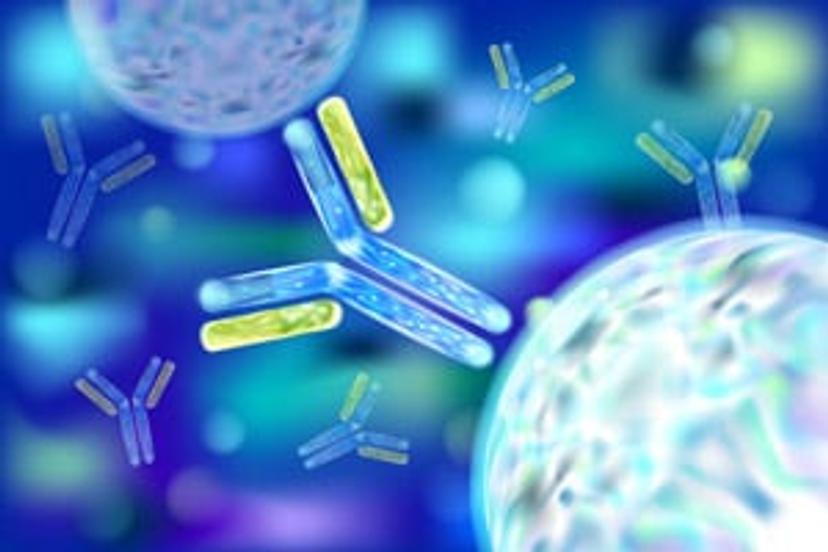
Recombinant monoclonal antibodies: Versatile tools for research, diagnostics, and disease therapy

Recombinant monoclonal antibodies can be versatile tools for research, diagnostics, and disease therapy. In this expert-led webinar, recombinant DNA technology and its use for the development of recombinant monoclonal antibodies will be discussed. Plus, discover the unique antibody formats that can be produced using an innovative approach.

Tuesday, September 13, at 16:00 BST / 17:00 CEST / 11:00 EDT / 08:00 PDT

Register here

Sample preparation: Crushing insights into particle size reduction and homogeneity
Sample Preparation: Crushing insights into particle size reduction and homogeneity

This webinar will discuss the science behind particle reduction and homogeneity as well as how the process and selection of equipment and methods can influence sample results for the chemical, microbiological and molecular biological industries.

Wednesday, September 14, at 14:00 BST / 15:00 CEST / 09:00 EDT / 06:00 PDT

Register here

Karl Fischer titration: How to weigh it right the first time

Karl Fischer titration: How to weigh it right the first time

Since weighing is the first stage of the analysis chain, accuracy and precision of the results is highly influenced by the reliability of the weighing tool. This webinar will discuss Karl Fischer titration, a widely used analytical method in quality control and research and development.

Wednesday, September 14, at 16:00 BST / 17:00 CEST / 11:00 EDT / 08:00 PDT

Register here

Expanding research capacity: The growing demand for accuracy and versatility with automated cell counters
Expanding research capacity: The growing demand for accuracy and versatility with automated cell counters

Implementing automation solutions to carry out time-consuming and error-prone tasks is key to accuracy in automated cell counting. The question is, how do you implement these solutions and expand research capacity without compromising accuracy? Join this webinar to gain insights from an expert.

Thursday, September 15, at 15:00 BST / 16:00 CEST / 10:00 EDT / 07:00 PDT

Register here

Transcriptional landscape of HPV-positive head and neck cancer mediated through bromodomain and extra-terminal protein – BRD4
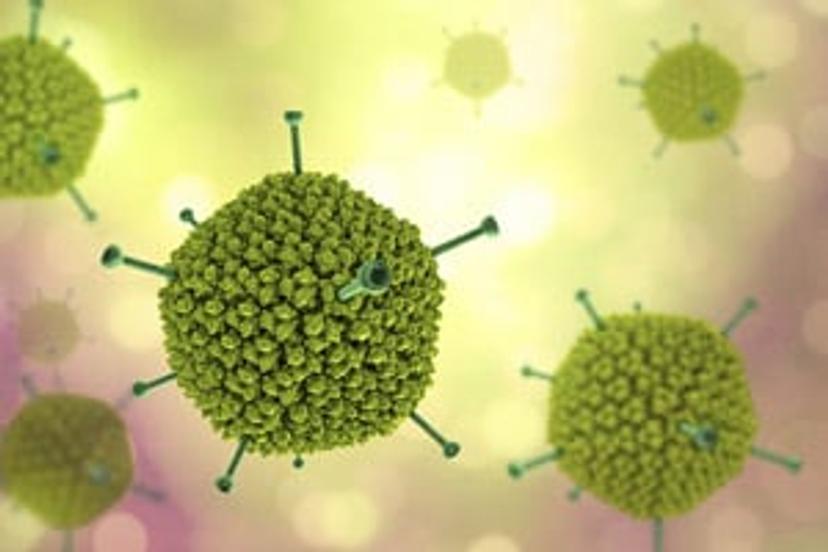
Transcriptional landscape of HPV-positive head and neck cancer mediated through bromodomain and extra-terminal protein – BRD4

HPV, an 8-kb double-stranded DNA virus, infects the mouth and throat and is classified as cancer of the head and neck. Join this webinar to explore the role of HPV in head and neck squamous cell carcinoma. Learn how HPV transcription impacts cancer proliferation and hear how Tecan’s MagicPrep NGS system simplifies library preparation.

Friday, September 16, at 16:00 BST / 17:00 CEST / 11:00 EDT / 08:00 PDT

Register here

Watch our webinars at a time that suits you

Missed one of our webinars? Fortunately, all SelectScience webinars are made available on demand after the live event. Catch up on some of our latest webinars below:

A stepwise approach for the interpretation of arterial blood gases

Watch here»

Minimizing particulate contamination in single-use systems

Watch here»

Probing and modulating the function of the retromer endosomal trafficking complex through novel macrocyclic peptides

Watch here»

In situ material testing in SEM: Achieve an unprecedented level of automation

Watch here»

Unleash the power of mNGS to identify infectious agents in complex human samples

Watch here»

Tackling the pitfalls of oral fluid matrix analysis

Watch here»

SelectScience runs 10+ webinars a month across various scientific topics, discover more of our upcoming webinars>>

Links

Tags

UHPLC and HPLCHigh performance liquid chromatography (HPLC) and ultra high performance liquid chromatography (UHPLC), also known as UPLC, are analytical techniques used to separate, identify and quantitate components of complex mixtures including biological samples such as proteins and lipids as well as chemical mixtures of pesticides, drugs and oils. Both techniques are liquid chromatographic methods but differ by operating pressures (HPLC < 6000 psi < UHPLC ). Components of HPLC and UHPLC systems include columns, detectors, pumps, autosamplers and column heaters. Explore a range of UHPLC and HPLC columns for your specific sample needs including reverse phase, normal phase, ion exchange, HILIC, ion exclusion and size exclusion columns. For more specialized HPLC, explore FPLC, countercurrent LC and simulated moving bed systems. Find the best UHPLC and HPLC equipment in our peer reviewed product directory: compare products, check customer reviews and receive pricing direct from manufacturers.Sample PreparationSample preparation can improve the quality and speed of separation techniques. Products to assist sample preparation include filtration equipment, evaporators, membranes and sieves.AntibodiesAntibodies are used in techniques such as confocal and fluorescence microscopy, flow cytometry, ELISA, ELISPOT, immunohistochemistry, western blotting and immunopreciptation. Select specific antigen reactivity, high specific affinity, low non-specific binding, monoclonal or polyclonal, primary or secondary antibodies and associated conjugates such as an enzyme or dye for visualization.Cell / Tissue CultureCell culture or tissue culture is used to study the biology of cells or tissues and to isolate cellular products in an environment which can be manipulated and well defined. Accurately control your culture environment with bioreactors or culture incubators, bind your cells to a surface or together with an extracellular matrix. Distinguish cell types with differential media or proliferate cells with certain characteristics using selective media. Enrich your media with supplements such as growth factors, sera and vitamins. Find the best cell and tissue culture products, kits and equipment in our peer-reviewed product directory: compare products, check customer reviews and receive pricing direct from manufacturers.Flow Cytometry / Cell CountingFlow cytometers are used to count, sort and examine multiple characteristics of cells. Other cell analysis equipment includes image cytometers, cell counters, fluorescence-activated cell sorters (FACS), magnetic-activated cell sorters (MACS), and a range of flow cytometry assay kits. Flow cytometers can reveal information on cell viability, cell proliferation, apoptosis and cell cycle progression, as well as identify cell populations and intracellular or cell-surface molecules. Additionally, some flow cytometers, known as FACS, have an additional sorting function after analysis. Cell counters and image cytometers count live and dead cell populations and can also conduct cell proliferation assays. Find the best flow cytometers, cell counters and cell sorters in our peer-reviewed product directory: compare products, check customer reviews and receive pricing direct from manufacturers.Assay AssemblyAssay Assembly is technique used in drug discovery to develop assays to test the cytotoxicity, genotoxicity, or other activities of a compound on a cell. Assay assembly requires chip assembly, a delivery system and a detection and analysis method. Beneficial features of assay kits or automated systems include high-throughput, high speed and sensitivity and low signal to noise ratio.Cellular PathologyCellular Pathology deals with the microscopic analysis of tissue samples and cells. Sample preparation and processing includes fixation, staining, sectioning and slide mounting, using equipment such microtomes and cryostats. In choosing immunohistochemistry and immunocytochemistry kits, consider chromogens, staining method, antibodies, microscopes and imaging.Cell-Based AssaysCell-based assays are used to monitor the presence, quantity and activities of a desired cellular analyte including drug molecules or biomarkers. This can reveal information on cell health (apoptosis, cytotoxicity, viability and proliferation assays), cell metabolism, cell migration and cell signaling mechanisms. Find the best cell-based assay products, kits and equipment with our peer reviewed product directory: compare products, check customer reviews and receiving pricing direct from manufacturers.Point-of-CarePoint-of-Care Testing (POCT) or Near Patient Testing (NPT) products are available for urine, blood and other clinical chemistry analyses. POCT includes: blood glucose testing, blood gas and electrolytes analysis, rapid coagulation testing (PT / INR), rapid cardiac markers diagnostics, drugs of abuse screening, urine strips testing, pregnancy testing, fecal occult blood analysis, food pathogens screening, hemoglobin diagnostics, infectious disease testing and cholesterol screening.BiomarkersBiomarkers are biological markers which can be measured and evaluated to indicate a biological state. The use of biomarkers in research and diagnosis can indicate a normal or disease state or drug response of cells / tissues. Biomarkers include genetic markers, cell surface markers such as antigens, antibodies or receptors and secreted molecules such as cytokines. An assay system is required for identification of biomarkers. :Biopharmaceutical AdvancesBiopharmaceutical advances follow the development of pharmaceuticals derived from biotechnology, also known as biotechnology medicines. Biopharmaceuticals may be produced from cell lines, plants, or microbial cells. Important considerations of biopharmaceutical use include application, cost, production process and purification.TitrationTitration is an analytical technique for determining substance concentration in a solution. For titration consider a manual or automated system, volumetric or coulometric reagent addition and indication by a potentiometer, spectrometer, turbidometer or by the Karl Fischer method. Other features of titration to consider include burettes, reagents, concentration range, reaction time and autosamplers.Discovery SoftwareComputational techniques used in both the chemistry and biology aspects of drug discovery, for data acquisition, processing and storage. Software is used for analysis of pathways, target identification, genomics, proteomics, modelling, lead identification, compound analysis and drug modelling among many others. Mass SpectrometryMass spectrometry (MS) is a powerful analytical technique used to identify and quantify molecules based on the mass-to-charge ratio of gas-phase ions. It provides detailed information about the structure, composition, and properties of compounds and is widely used across fields such as environmental monitoring, materials science, drug discovery and development, food and beverage testing, and wider chemical research. Key MS techniques include tandem mass spectrometry (MS/MS), liquid chromatography–mass spectrometry (LS-MS) and inductively coupled plasma (ICP-MS). Choosing from these wide range of techniques and technologies can be a daunting task, so keep up to date with scientific applications, performance expectations, and customer reviews here all in one place. Visit our product directory to receive quotes direct from the manufacturer. Monoclonal AntibodiesMonoclonal antibodies (mAbs) are lab-made molecules that can bind to specific antigens on cells, making them highly effective in treating cancers, autoimmune diseases, and infections. These targeted therapies are transforming the treatment landscape for many conditions. Browse our peer-reviewed product directory to find monoclonal antibodies for research and clinical applications; compare products, check reviews, and get pricing directly from manufacturers.