6 upcoming webinars to support your labs' new year’s resolutions

Discover the latest tools and techniques to advance your work with lessons from leading experts on therapeutic proteins, 3D disease models, clinical analysis, and more

4 Jan 2022

Dora Wells
Clinical Content Editor

Expert insights

Upcoming SelectScience Webinars

SelectScience® hosts dozens of informative free webinars for scientists every month, featuring world-class speakers at the very forefront of their respective fields. In this regular feature, we highlight the events you won't want to miss over the next week or so, as well as some of our top on-demand webinars.

Kickstart the new year in the lab with a host of fascinating webinars to help you get the most out of your research! Learn how to choose the best instrument for your elemental analysis, select an optimal expression system, improve processes for complex 3D cell-based phenotypic assays, discover tips to substitutehazardous substances, explore the heterogeneity of B cells, and gain insights into serum sample preparation and LC-MS/MS analysis of PFASs.

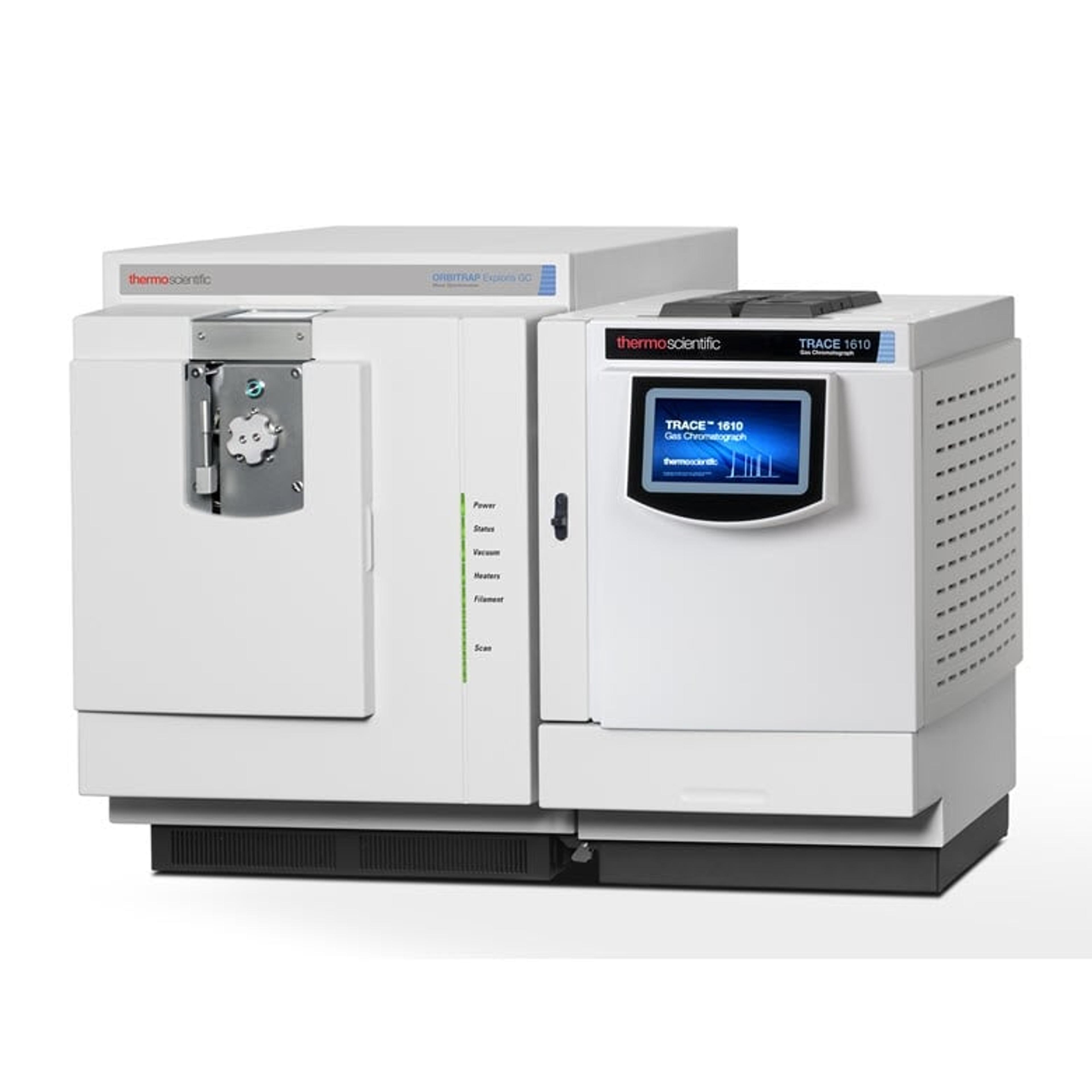
How to choose the best elemental analysis instrument for your lab

How to choose the best elemental analysis instrument for your lab

In the first of a two-part series, this webinar explores which factors are most important when choosing between techniques, which techniques are best for different applications and lab scenarios, and more.

Tuesday, January 11, at 16:00 GMT / 17:00 CET / 11:00 EST / 08:00 PST

Register here

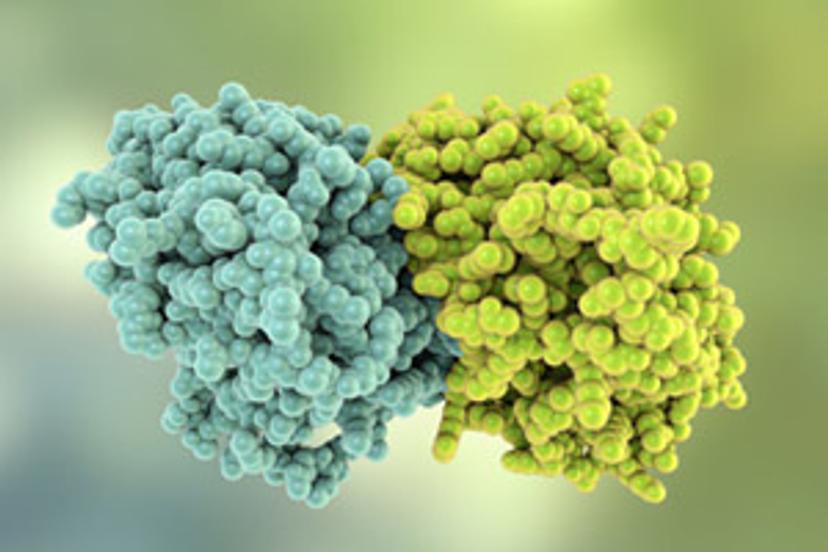
Production of therapeutic proteins: Aspects to consider when choosing an expression system
Production of therapeutic proteins: Aspects to consider when choosing an expression system

In this webinar, Dr. Rodrigo Ribeiro, from the Eppendorf Group, will discuss the classes of therapeutic proteins, the different protein expression systems available, and aspects to consider when selecting an optimal expression system.

Wednesday, January 12, at 16:00 GMT / 17:00 CET / 11:00 EST / 08:00 PST

Register here

Applications of high-content imaging in 3D models of disease
Applications of high-content imaging in 3D models of disease

Join this webinar to hear case studies on how Yokogawa’s Benchtop CQ-1 Confocal System can improve throughput and standardize processes for complex 3D cell-based phenotypic assays.

Friday, January 14, at 16:00 GMT / 17:00 CET / 11:00 EST / 08:00 PST

Register here

Substitution of hazardous substances: Top tips to minimizing exposure and complying with legislation

Substitution of hazardous substances: Top tips to minimizing exposure and complying with legislation

Learn about what legislation demands regarding substitution of hazardous substances, the advantages and limitations of substitution, how to use tools like the “GHS Column Model” and the “vapor hazard ratio”, and more.

Tuesday, January 18, at 14:00 GMT / 15:00 CET / 09:00 EST / 06:00 PST

Register here

Evaluating the heterogeneity of B cells and TLS in lung cancer patients for improved immunotherapeutics

Evaluating the heterogeneity of B cells and TLS in lung cancer patients for improved immunotherapeutics

Join this webinar to learn more about how to integrate multi-omic approaches to evaluate lung cancer biomarkers and targets for early intervention in chronic obstructive pulmonary disease patients and immunotherapeutic strategies for non-small-cell lung carcinoma.

Wednesday, January 19, at 16:00 GMT / 17:00 CET / 08:00 PST / 11:00 EST

Register here

Clinical analysis of perfluoroalkyl substances (PFASs) in human serum by LC-MS/MS using Captiva EMR-Lipid cleanup
Clinical analysis of perfluoroalkyl substances (PFASs) in human serum by LC-MS/MS using Captiva EMR-Lipid cleanup

In this webinar, Joseph Homan, Senior Scientist III at NMS labs, will describe serum sample preparation and LC-MS/MS analysis of PFASs using protein precipitation followed by PPL removal using the Agilent Captiva EMR-Lipid cartridges.

Wednesday, January 19, at 16:00 GMT / 17:00 CET / 11:00 EST / 8:00 PST

Register here

Watch our webinars at a time that suits you

Missed one of our webinars? Fortunately, all SelectScience webinars are made available on demand after the live event. Catch up on some of our latest webinars below:

Challenges and advantages of using IC-MS in the pharmaceutical industry

Watch here»

Heavy metals in baby foods: Regulatory updates and analytical solutions

Watch here»

Single-cell multiomic analysis of T cell exhaustion in vitro

Watch here»

A masterclass in multiplex immuno-fluorescent image analysis of tumor samples

Watch here»

Cardiovascular medicine: A look inside the CVORs

Watch here»

Automated sample preparation for pesticides using QuEChERS extraction and cleanup

Watch here»

SelectScience runs 10+ webinars a month across various scientific topics, discover more of our upcoming webinars>>

Agilent 1260 Infinity III Prime Bio LC System

Agilent Technologies

The 1260 Infinity III Prime Bio LC System is a versatile HPLC instrument for bioseparations and offers outstanding functionality and operational convenience for biochromatography, and entry-level quaternary bio UHPLC at pressures up to 800 bar and flow rates up to 5 mL/min.

(0)

Links

Tags

Sample PreparationSample preparation can improve the quality and speed of separation techniques. Products to assist sample preparation include filtration equipment, evaporators, membranes and sieves.LC-MSLC-MS (liquid chromatography-mass spectrometry) systems and equipment are used for separation and quantitative analysis of complex mixtures, combining liquid chromatography and mass spectrometry. Quantify proteins, contaminants, pesticides or screen for drug metabolites with a high level of sensitivity. LC-MS systems and equipment include reverse phase, normal phase and specialized columns integrated with various MS detectors such as time-of-flight (TOF), quadrupole, orbitrap or ion trap mass analyzers. LC-MS/MS instruments equipped with a qTOF or triple quadrupole analyzer give greater sensitivity and resolving power to your analysis. Find the best LC-MS equipment in our peer-reviewed product directory: compare products, check customer reviews and receive pricing direct from manufacturers.Mass SpectrometryMass spectrometry (MS) is a powerful analytical technique used to identify and quantify molecules based on the mass-to-charge ratio of gas-phase ions. It provides detailed information about the structure, composition, and properties of compounds and is widely used across fields such as environmental monitoring, materials science, drug discovery and development, food and beverage testing, and wider chemical research. Key MS techniques include tandem mass spectrometry (MS/MS), liquid chromatography–mass spectrometry (LS-MS) and inductively coupled plasma (ICP-MS). Choosing from these wide range of techniques and technologies can be a daunting task, so keep up to date with scientific applications, performance expectations, and customer reviews here all in one place. Visit our product directory to receive quotes direct from the manufacturer. Cell / Tissue CultureCell culture or tissue culture is used to study the biology of cells or tissues and to isolate cellular products in an environment which can be manipulated and well defined. Accurately control your culture environment with bioreactors or culture incubators, bind your cells to a surface or together with an extracellular matrix. Distinguish cell types with differential media or proliferate cells with certain characteristics using selective media. Enrich your media with supplements such as growth factors, sera and vitamins. Find the best cell and tissue culture products, kits and equipment in our peer-reviewed product directory: compare products, check customer reviews and receive pricing direct from manufacturers.Cell Lines Stem Cells and Primary CellsPrimary cell cultures, established cell lines and stem cells are vital for <i>in vitro</i> and <i>ex vivo</i> experimentation. High-quality cells, optimized for your applications, alongside optimized cell substrates, growth medium and supplements, are critical for experimental success. Explore a range of cells suitable for your applications, including isogenic cell lines, competent cells, induced pluripotent stem cell (iPSC)-derived cell lines, fungal/bacterial/mammalian cell lines, stem cells and cancer cell lines. Find the best cells for your research in our peer-reviewed product directory: compare products, check customer reviews and receive pricing direct from manufacturers.ImmunologyImmunological techniques measure and characterize immune responses. Immunology kits and analysis systems often use techniques such as ELISA, radioimmunoassay (RIA) and immunodiffusion assays, Immunohistochemistry, and flow cytometry. Immunologists use equipment such as flow Cytometers, plate readers, plate washers and fluorescent microscopes.Cell-Based AssaysCell-based assays are used to monitor the presence, quantity and activities of a desired cellular analyte including drug molecules or biomarkers. This can reveal information on cell health (apoptosis, cytotoxicity, viability and proliferation assays), cell metabolism, cell migration and cell signaling mechanisms. Find the best cell-based assay products, kits and equipment with our peer reviewed product directory: compare products, check customer reviews and receiving pricing direct from manufacturers.Protein PurificationProtein purification is a vital step in drug discovery, therapeutics, biotech and life science research. The purification process typically involves subcellular or membrane protein extraction with cell lysis kits, separation of proteins from cell debris by filtration or spin columns, and the isolation of proteins of interest from other proteins and impurities with affinity purification (including fusion protein tags and antibody binding proteins A, G and L), immunoprecipitation or chromatographic methods, such as ion exchange, size exclusion and immobilized metal affinity chromatography. All purification methods come in multiple formats for your laboratory needs, including agarose or magnetic beads, resins, columns and filter plates. Find the best protein purification equipment in our peer-reviewed product directory: compare products, check customer reviews and receive pricing direct from manufacturers.ImmunologyImmunology is the branch of medical science that covers the study of all aspects of the immune system of multicellular organisms.Protein ExpressionLaboratory SafetyLaboratory safety is essential to the effective operation of all laboratories and is required to minimize the risk of harm during experiments. Guidelines, regulations, and equipment should be available in all laboratories to ensure that the working environment is safe and secure.Elemental AnalysisElemental analysis involves determining the elemental composition of a sample, often used in environmental, pharmaceutical, and material sciences. Techniques like ICP-MS, X-ray fluorescence, and atomic absorption spectroscopy allow precise quantification of elements such as metals and nonmetals in complex matrices. Browse our peer-reviewed product directory to find the best elemental analysis tools, compare products, check reviews, and get pricing directly from manufacturers.BiotherapeuticsBiotherapeutics are proteins and other compounds (such as nucleic acids) produced by living organisms that have uses as therapeutics or in <i>in vivo</i> diagnostics. The most well-known example of a biotherapeutic product, and the first to be approved for therapeutic use, was recombinant human insulin.WebinarLC-MSLiquid Chromatography-Mass Spectrometry (LCMS) is a powerful analytical technique that combines the separation power of liquid chromatography with the detection capabilities of mass spectrometry. It is widely used for qualitative and quantitative analysis of complex mixtures in pharmaceuticals, proteomics, and environmental studies. Browse our peer-reviewed product directory to find the best LCMS systems, compare products, check reviews, and get pricing directly from manufacturers.