6 upcoming webinars to optimize your workflows

Discover the latest tools and techniques to expand your research capacity with expert-led presentations on immune profiling, clinical diagnostics, IT connectivity, precision medicine, and more

9 Jun 2022

Dora Wells
Clinical Content Editor

Expert insights

Upcoming SelectScience Webinars

SelectScience® hosts dozens of informative free webinars for scientists every month, featuring world-class speakers at the very forefront of their respective fields. In this regular feature, we highlight the events you won't want to miss over the next week or so, as well as some of our top on-demand webinars.

This week, understand howmultispectral imaging can be used to profile many different cell types in the tumor microenvironment (TME), gain insights into Promoter:luciferase based bio assays, and discuss how effectiveIT connectivity leads to accurate and timely data access and management.

Plus, learn how precision medicine promotes early-stage research to diagnostics and treatments, extend your knowledge about HPTLC and understand thebenefits of HPTLC for diverse applications, and discover a new flexible solution for clinical laboratories enabling the management of seasonal respiratory viruses.

Spatial panel optimization and reproducibility to enable tumor immune profiling
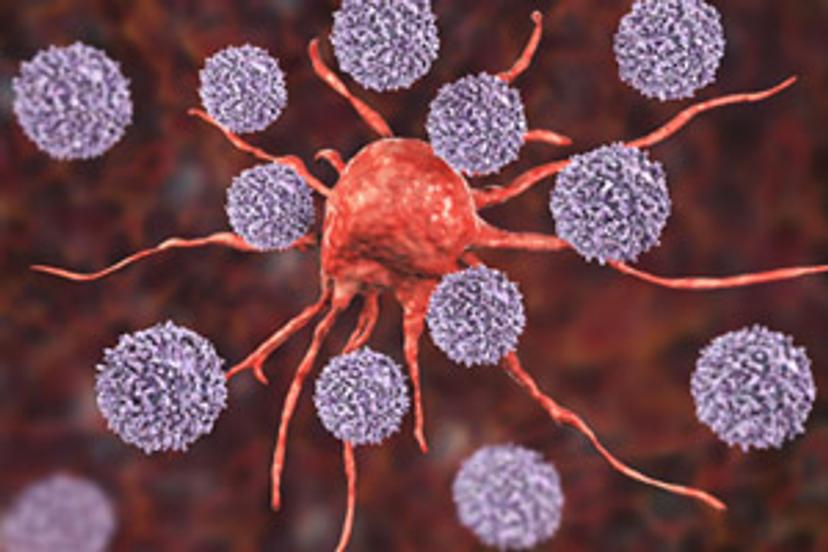
Spatial panel optimization and reproducibility to enable tumor immune profiling

Dr. Cara Haymaker will discuss her work within the Translational Molecular Pathology Immunoprofiling Laboratory focused on the development and reproducibility of an automated nine-colour multiplex immunofluorescence panel to visualize and characterize the TME.

Monday, June 13, at 16:00 BST / 17:00 CEST / 11:00 EDT / 08:00 PDT

Register here


Detection of parasitic molecular strategies to influence host plant signaling
Detection of parasitic molecular strategies to influence host plant signaling 

This webinar will explore parasitic plant interactions, and discuss how Promoter:luciferase based bio assays have been used to screen different haustorial Cuscuta-extract preparations for bioactive Cuscuta derived molecular cues.

Tuesday, June 14, at 13:00 BST / 14:00 CEST / 8:00 EDT / 5:00 PDT

Register here


Point-of-care IT connectivity and data management webinar series

Point-of-care IT connectivity and data management webinar series 

Join this final webinar in a series of three, exploring the entire diagnostic testing workflow, from the sample collection and preanalytical phase, to the analytical phase, and finally the post-analytical and data management phase. Plus, catch up on the rest of the series on demand.

June 14th at 16:00 BST / 17:00 CEST / 11:00 EDT / 08:00 PDT

Register here


Biobanks built for precision medicine

Biobanks built for precision medicine

Successful and efficacious biobanks will require standardization, smart sample storage, and data convergence. This webinar will discuss the latest innovations in compliant products and practices to streamline your biobanking workflow.

Wednesday, June 15, at 14:00 BST / 15:00 CEST / 09:00 EDT / 06:00 PDT

Register here

2nd HPTLC Online User Meeting, hosted by the HPTLC Association
2nd HPTLC Online User Meeting, hosted by the HPTLC Association

The “HPTLC Online User Meetings” aim to facilitate a worldwide exchange of knowledge between HPTLC users and share the spirit of working in an exciting analytical field. This webinar brings together multidisciplinary representatives to promote the use of HPTLC in plant analysis and other analytical fields

Thursday, June 16, at 14:00 BST / 15:00 CEST / 09:00 EDT / 06:00 PDT

Register here

Integrating testing for life-threatening respiratory viruses: Why performance matters
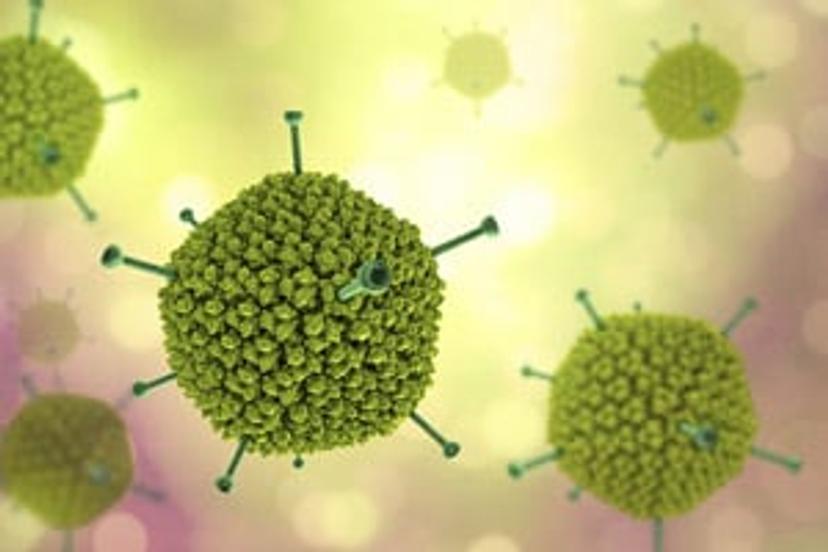
Integrating testing for life-threatening respiratory viruses: Why performance matters

This webinar will discuss the important characteristics of laboratory tests for the detection of viruses for patient management. Two experts in molecular biology will present a new flexible solution for the comprehensive testing of the most life-threatening seasonal viruses including SARS-CoV-2.

Friday, June 17, at 16:00 BST / 17:00 CEST / 11:00 EDT / 08:00 PDT

Register here

Watch our webinars at a time that suits you

Missed one of our webinars? Fortunately, all SelectScience webinars are made available on demand after the live event. Catch up on some of our latest webinars below:

Deliver assurance and product quality with your chromatography data system

Watch here»

New strategies for laboratory testing of von Willebrand factor

Watch here»

Spatial profiling the tumor microenvironment during successful Immune Checkpoint Therapy

Watch here»

Looking ahead in the clinical lab: What’s next after COVID-19?

Watch here»

Recombinant monoclonal antibodies: Versatile tools for research, diagnostics, and disease therapy

Watch here»

Microbial air monitoring: Navigating the regulatory landscape

Watch here»

SelectScience runs 10+ webinars a month across various scientific topics, discover more of our upcoming webinars>>

Links

Tags

BiosensorsBiosensors are devices used to detect an analyte using biological molecules specific to the analyte coupled to a detector. Biosensor instruments may be photometric, typically using surface plasma resonance (SPR), electrochemical or QCM (quartz crystal microbalance) biosensors. Biosensors should be selective, portable, robust and sensitive and have a fast response time. Systems may be manual or automated and usually have associated software.Combinatorial ChemistryCombinatorial chemistry, also known as combichem, is a technique used in drug discovery to create libraries of structurally related compounds. A library is generated by synthesis with a chemical reactor system or by computer-based modeling of compound combinations. When undertaking combinatorial chemistry consider reagents, buffers, resins and standards.ProteomicsProteomics is the systemic bioinformatics study of proteins and amino acids, including their structure, size, function and identification. Tools used in proteomics include chromatography, blotting and gels, protein arrays, mass spectrometry and ELISA and associated analysis software. Analyzers and proteomic systems should be sensitive, high resolution, fast and may be automated for high-throughput.MicrobiologyMicrobiology is the study of microorganisms including protists, prokaryotes, fungi, and, often, viruses. Microorganisms are a useful research tool as genetic vectors and, in immunology, for antibiotic susceptibility testing, cellular biology and genetics. Microorganisms commonly grow readily in incubators with microbial culture media; this can contain chromogenic supplements to differentiate between cell lines. Estimate your culture’s density of microorganisms with colony counters, or screen and select colonies for desirable clones with automated colony pickers. Additionally, equipment is available to monitor environments for the presence of microbes and identify with microbial identification instruments. Find the best microbiology products in our peer-reviewed product directory: compare products, check customer reviews and receive pricing direct from manufacturers.Assay AssemblyAssay Assembly is technique used in drug discovery to develop assays to test the cytotoxicity, genotoxicity, or other activities of a compound on a cell. Assay assembly requires chip assembly, a delivery system and a detection and analysis method. Beneficial features of assay kits or automated systems include high-throughput, high speed and sensitivity and low signal to noise ratio.Process ChemistryProcess chemistry is an important stage of drug development for scaling-up drug production or chemical synthesis reactions. It is useful for optimizing economical and efficient drug production. Process chemistry uses reactors and pump systems as well as reagents, standards and buffers.BiomarkersBiomarkers are biological markers which can be measured and evaluated to indicate a biological state. The use of biomarkers in research and diagnosis can indicate a normal or disease state or drug response of cells / tissues. Biomarkers include genetic markers, cell surface markers such as antigens, antibodies or receptors and secreted molecules such as cytokines. An assay system is required for identification of biomarkers. :Biopharmaceutical AdvancesBiopharmaceutical advances follow the development of pharmaceuticals derived from biotechnology, also known as biotechnology medicines. Biopharmaceuticals may be produced from cell lines, plants, or microbial cells. Important considerations of biopharmaceutical use include application, cost, production process and purification.Automation Supplies / AccessoriesAutomated accessories and consumables make lab processes fast, efficient and reliable. Useful automation accessories include microplate sealers, label printers and reagent reservoirs.In Vivo Imaging Systems<i>In vivo</i> imaging systems, including pre-clinical imaging systems and medical imaging systems are used to non-invasively visualize and capture images of live animals and plants. Monitor the natural processes or diseases of your subjects using small-animal pre-clinical imaging systems, including single photon positron emission tomography (SPECT), positron emission tomography (PET), computed tomography (micro-CT), magnetic resonance imaging (MRI), X-ray radiography, ultrasound, fluorescence and bioluminescence imagers. Multimodal systems and software solutions are also available for correlative analysis of organ, tissue, cell, or molecular-level processes. Find the best in vivo imaging products in our peer-reviewed product directory: compare products, check customer reviews and receive pricing direct from manufacturers.Clinical MicrobiologyMicrobiology is the study of microorganisms including protists, prokaryotes, fungi, and, often, viruses. Microorganisms are a useful research tool as genetic vectors and, in immunology, for antibiotic susceptibility testing, cellular biology and genetics. Microorganisms commonly grow readily in incubators with microbial culture media; this can contain chromogenic supplements to differentiate between cell lines. Estimate your culture’s density of microorganisms with colony counters, or screen and select colonies for desirable clones with automated colony pickers. Additionally, equipment is available to monitor environments for the presence of microbes and identify with microbial identification instruments. Find the best microbiology products in our peer-reviewed product directory: compare products, check customer reviews and receive pricing direct from manufacturers.Healthcare IT SystemsRespiratory InfectionsRespiratory infections are caused by pathogens such as bacteria, viruses, and fungi, leading to diseases like pneumonia, tuberculosis, and COVID-19. It is important to identify respiratory infections quickly in patients to ensure appropriate treatment and care, and to prevent sepsis. Browse our peer-reviewed product directory to find the best tools for respiratory infection detection, compare products, check reviews, and get pricing directly from manufacturers.ChromatographyChromatography is a powerful technique used to separate and analyze components of mixtures based on their chemical properties. It is widely used in fields like biochemistry, pharmaceuticals, and environmental analysis. By exploiting differences in the interaction of substances with a stationary phase and a mobile phase, chromatography enables precise purification and quantification of compounds. Whether you're working with complex biological samples or industrial chemicals, chromatography is essential for obtaining high-quality results. Browse our peer-reviewed product directory to find the best chromatography systems, compare products, read customer reviews, and get pricing directly from manufacturers.Luciferase