6 Technologies Innovating Biopharmaceutical Research & Development

Find out about new tools and techniques to streamline biopharmaceutical analysis

3 Sept 2018

Sarah Thomas
Associate Editor

Editorial article

Biopharmaceuticals, like recombinant proteins and monoclonal antibodies, represent a key output for the pharmaceutical industry and there is increasing pressure to improve the efficiency of the biopharmaceutical pipeline. Here, we highlight some of the key technologies available for biopharmaceutical analysis and characterization that can help you to streamline your workflow, including the latest equipment for cell culture, protein characterization, and quality control.
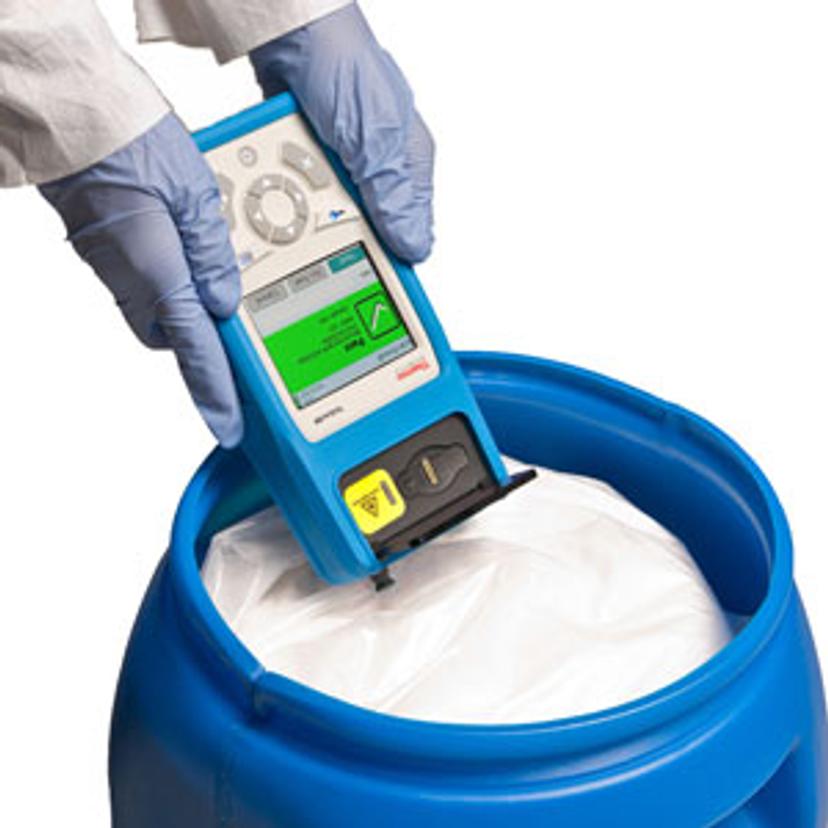
QUALITY CONTROL: The Handheld Raman Technology Ensuring Biopharmaceutical Quality, from Start to Finish

Learn how this handheld Raman instrument from Thermo Fisher Scientific uses embedded chemometrics software to create models that quantify up to 10 components & discriminate between materials with similar chemical compounds.
Learn More

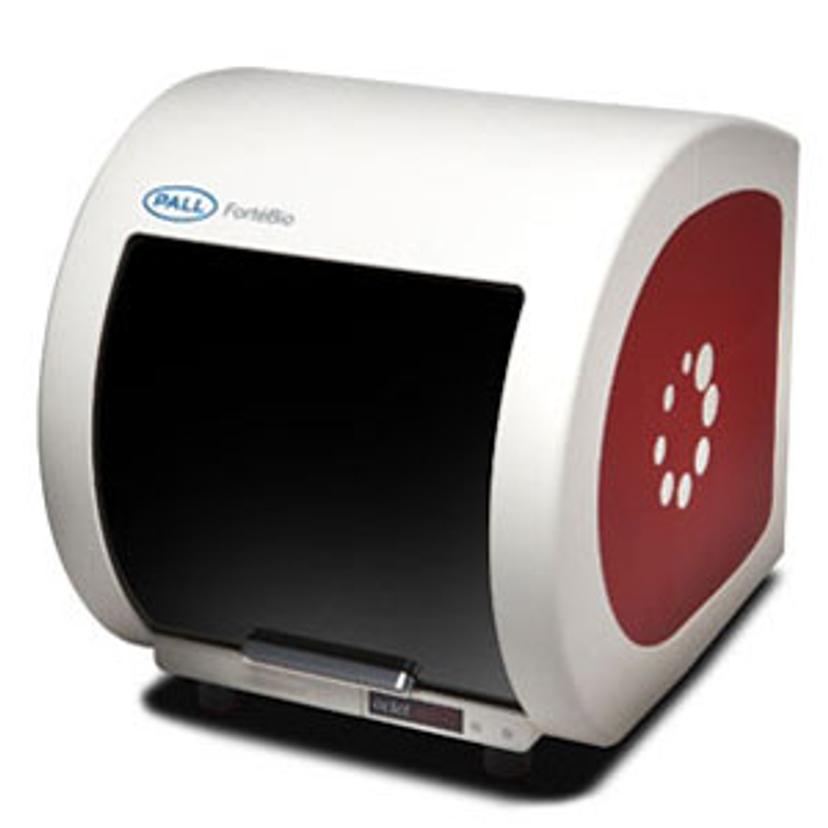
Streamline Affinity Analysis for Protein Therapeutic Development

In this white paper, discover how the Octet RED96e system, from Pall ForteBio, offers the versatility needed to accelerate and de-risk binding kinetics and affinity analysis in drug discovery and development.

Download White Paper

Double Beam Spectrophotometers for Biopharmaceutical Analysis

Whether determining growth rate of cell cultures or the degree of antibody drug conjugations, Cecil Instruments' Aquarius range of UV/Vis instruments promises high performance across the field of biopharma analysis.

Download White Paper

Culture of 3D Cell Aggregates in Perfusion

Read how researchers at Portugal's Instituto de Biologia Experimental e Tecnológica use the Eppendorf DASbox Mini Bioreactor System to cultivate a human tumor cell line as 3D cell aggregates.
Download Case Study

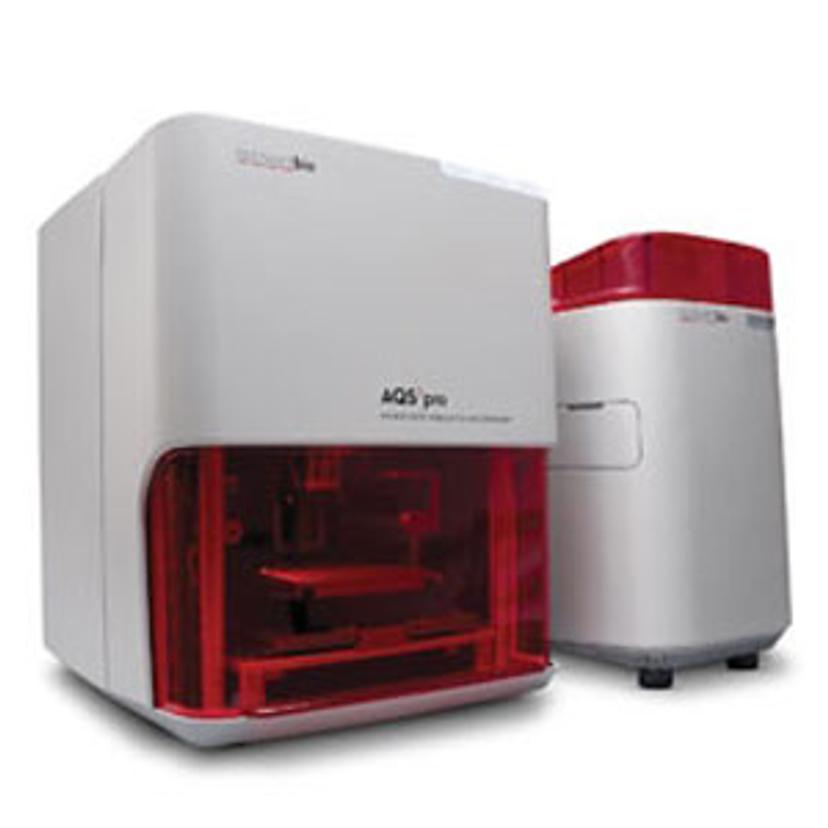
A New Platform for Protein Therapeutic Drug Characterization

In this application note, learn how the AQS3™pro from RedShiftBio incorporates novel microfluidic modulation spectroscopy technology for label-free protein analysis of five key measurements, over a broad concentration range.

Download Application Note

LC-MS/MS: Make Cell Culture Media Analysis Fast, Easy and Effective

Optimal cell culture conditions are vital to the success of biopharmaceutical development. Learn how LC-MS/MS technology enables comprehensive cell culture profiling in this Shimadzu eBook.

Download eBook


For more interviews, news and methods about the latest technologies and techniques for biopharmaceutical analysis, visit our special editorial feature homepage.

Links

Tags

Mass SpectrometryMass spectrometry (MS) is a powerful analytical technique used to identify and quantify molecules based on the mass-to-charge ratio of gas-phase ions. It provides detailed information about the structure, composition, and properties of compounds and is widely used across fields such as environmental monitoring, materials science, drug discovery and development, food and beverage testing, and wider chemical research. Key MS techniques include tandem mass spectrometry (MS/MS), liquid chromatography–mass spectrometry (LS-MS) and inductively coupled plasma (ICP-MS). Choosing from these wide range of techniques and technologies can be a daunting task, so keep up to date with scientific applications, performance expectations, and customer reviews here all in one place. Visit our product directory to receive quotes direct from the manufacturer. AntibodiesAntibodies are used in techniques such as confocal and fluorescence microscopy, flow cytometry, ELISA, ELISPOT, immunohistochemistry, western blotting and immunopreciptation. Select specific antigen reactivity, high specific affinity, low non-specific binding, monoclonal or polyclonal, primary or secondary antibodies and associated conjugates such as an enzyme or dye for visualization.Cell / Tissue CultureCell culture or tissue culture is used to study the biology of cells or tissues and to isolate cellular products in an environment which can be manipulated and well defined. Accurately control your culture environment with bioreactors or culture incubators, bind your cells to a surface or together with an extracellular matrix. Distinguish cell types with differential media or proliferate cells with certain characteristics using selective media. Enrich your media with supplements such as growth factors, sera and vitamins. Find the best cell and tissue culture products, kits and equipment in our peer-reviewed product directory: compare products, check customer reviews and receive pricing direct from manufacturers.ADME-ToxicologyADME-toxicology (ADME-Tox) studies are used in pharmacology and pharmacokinetics to assess the activity/toxicity of drugs <i>in vivo</i> or <i>in vitro</i>. Find bioassays for absorption, distribution, metabolism, and excretion of drug molecules including cytotoxicity, transporter/permeability, metabolism and activity assays as well as hepatocytes and cell lines for ADME. Find the best ADME-toxicology products in our peer-reviewed product directory: compare products, check customer reviews and receive pricing direct from manufacturers.Bioprocessing / FermentationBioprocessing is the use of biological materials to perform commercial, scientific or medical research processes. Biological materials used include cells, enzymes and organisms. Usually bioprocessing requires a batch or continuous bioreactor such as a fermentor or cell culture system. The advantages of using a reactor include high productivity, easy configuration, adjustable values and automation.Monoclonal AntibodiesMonoclonal antibodies (mAbs) are lab-made molecules that can bind to specific antigens on cells, making them highly effective in treating cancers, autoimmune diseases, and infections. These targeted therapies are transforming the treatment landscape for many conditions. Browse our peer-reviewed product directory to find monoclonal antibodies for research and clinical applications; compare products, check reviews, and get pricing directly from manufacturers.BiopharmaceuticalsBiopharmaceuticals are proteins and other compounds (such as nucleic acids) produced by living organisms that have uses as therapeutics or for in vivo diagnostics. The most well known example of a biopharmaceutical product, and the first to be approved for therapeutic use, was recombinant human insulin.Therapeutic AntibodiesTherapeutic antibodies are antibodies engineered for use in treating diseases. They can be designed to target specific antigens, blocking harmful interactions or modulating immune responses. Therapeutic antibodies are critical in treating conditions like cancer, autoimmune disorders, and infectious diseases. Explore the best therapeutic antibody products in our peer-reviewed product directory; compare options, check reviews, and get pricing directly from manufacturers.BiotherapeuticsBiotherapeutics are proteins and other compounds (such as nucleic acids) produced by living organisms that have uses as therapeutics or in <i>in vivo</i> diagnostics. The most well-known example of a biotherapeutic product, and the first to be approved for therapeutic use, was recombinant human insulin.Recombinant Proteins