
6 simple steps to a more eco-friendly lab
As scientists return to the lab following the pandemic, is it a good time to get a little greener? Check out these top tips
15 Mar 2021
Editorial article

After months of being shut down due to COVID-19, lights are coming back on and experiments are returning to life in labs across the globe. Alongside the excitement of returning to work, the transition back into the lab after a prolonged absence will undoubtedly come with its challenges, requiring a lot of organizing and adjustments to your typical routine. This also presents an ideal opportunity to evaluate your lab’s practices and identify steps you can take towards a more sustainable lab. Here, we’ve pulled together a roundup of 6 simple actions you can take to minimize your lab’s environmental impact.
Reduce
Before experiments can be resumed, you must make sure you have the necessary materials. One easy way to reduce your environmental footprint is to consolidate orders so that multiple products can be packaged and delivered together. Suppliers such as Starlab have implemented their own programs to reduce the waste generated by packaging materials and save on transport emissions. Purchasing items by the case with catalog number ending with -C, such as the 5-Litre Chemgene Disinfectant Conc and the Distel Disinfectant, will save on shipping costs and packaging disposal, which will significantly reduce your lab’s environmental impact.

Reuse
Disposable microcentrifuge tubes, pipette tips, and their racks, and Petri dishes have become indispensable in biological research. According to My Green Lab, labs are estimated to throw away 5.5 billion kg of plastic annually worldwide. A way to tackle your lab’s plastic waste is by finding ways to keep it out of the trash heap. For instance, Starlab’s reusable TipOne racks are not only for reuse with their tip refill systems, they can also be used to store tubes, caps, and other small items to keep your bench or fume hood tidy. They can also ideal for use as autoclave vessels for small items.
Recycle
When materials can’t be reused, as is often the case in many research labs, recycling is an option that reduces landfill waste. When it comes to the TipOne system, all the components are made from recyclable polypropylene. Starlab provides TipOne customers a free recycling collection service where the TipOne plastic will go through the process of being granulated, recolored, and remolded for use in the manufacture of new, plastic products. Starlab has a 100-Place Recycled Storage Box, where the base is made of 100% recycled TipOne plastic.

Freezermanagement
Ultra-low temperature freezers are one of the most energy-intensive pieces of equipment found in labs. Most studies show little difference in sample preservation of nucleic acids, proteins, bacteria, and viruses in ultra-low freezers set at -70 vs -80 C.
Making the switch from -80 to -70 can reduce energy consumption by 30-40% and in doing so it can prolong the life of your freezer. Buying efficient freezers and defrosting regularly will also save on energy, as will discarding old samples and optimizing freezer space with sample storage boxes.
Close it
Fume hoods demand a large amount of energy, with one fume hood being able to power three households over a single year. When a fume hood sash is left open, it results in dangerous fumes escaping and a huge amount of wasted energy. Closing your fume hood sashes when not in use can save up to 75% of energy and reduce the amount of heated or cooled air escaping the room.

Switch it off
In our homes, we usually switch off lights and appliances when they are not in use, and this is no different in the lab. Whether it is a computer or lab equipment, powering it down can make a huge difference. Often it is the case that lab users are unaware of what equipment can be switched off when not in use. Implement a reminder system with your co-workers on which equipment can be turned off.
More from the Starlab series:
- Passion for sustainability: Why Starlab’s new look is sending a strong message to the scientific community>>
- Reduce, reuse, recycle: Sustainability in the lab>>
- Tools to create a faster, smarter, and more efficient lab>>
- Leading by example: Starlab’s journey to a sustainable, greener future>>
- Best practices & top tools for lab safety>>
Do you use Starlab products in your lab? Write a review for your chance to win a $400 Amazon gift card>>
Related products
Request Quote for All Products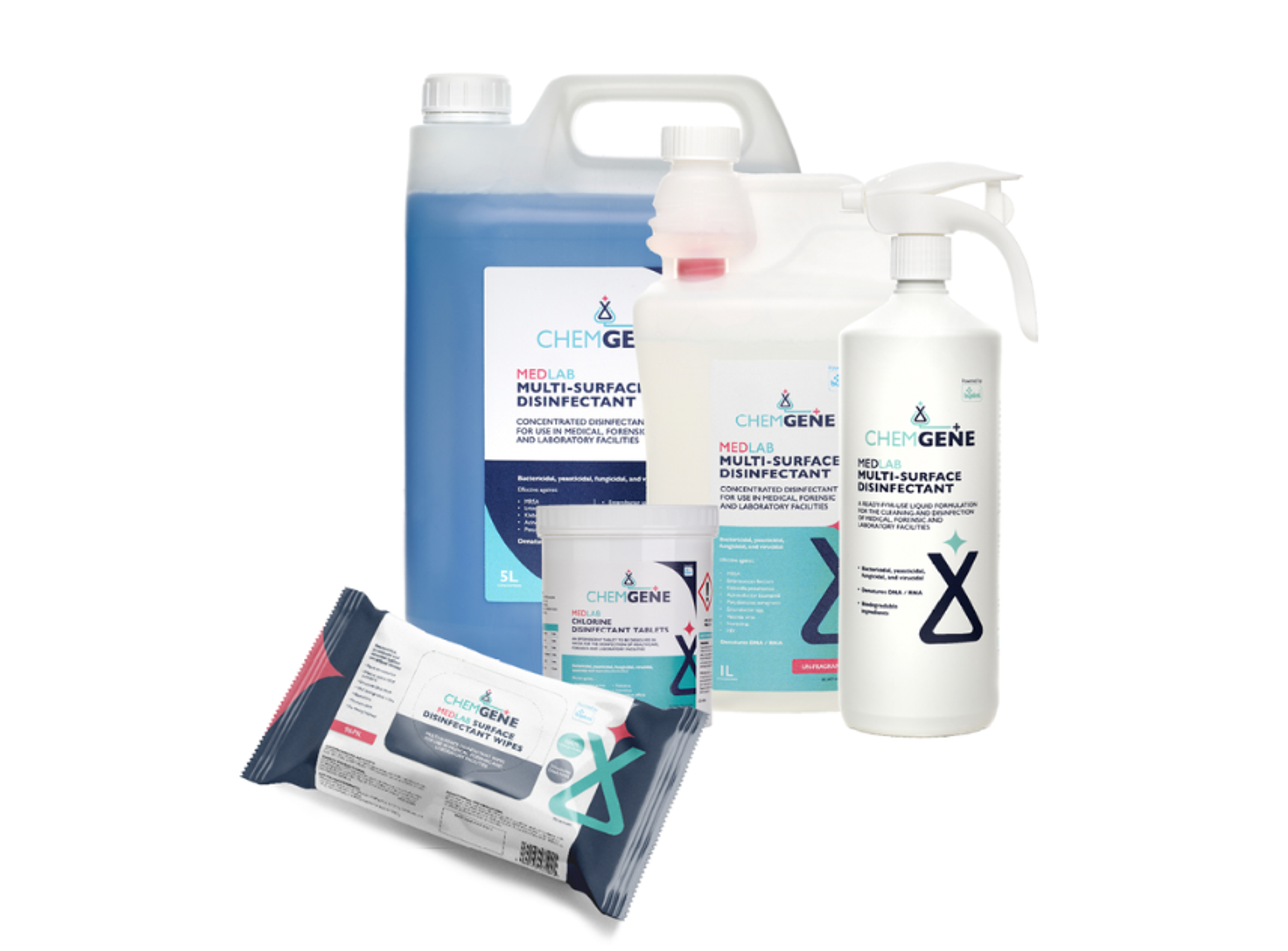
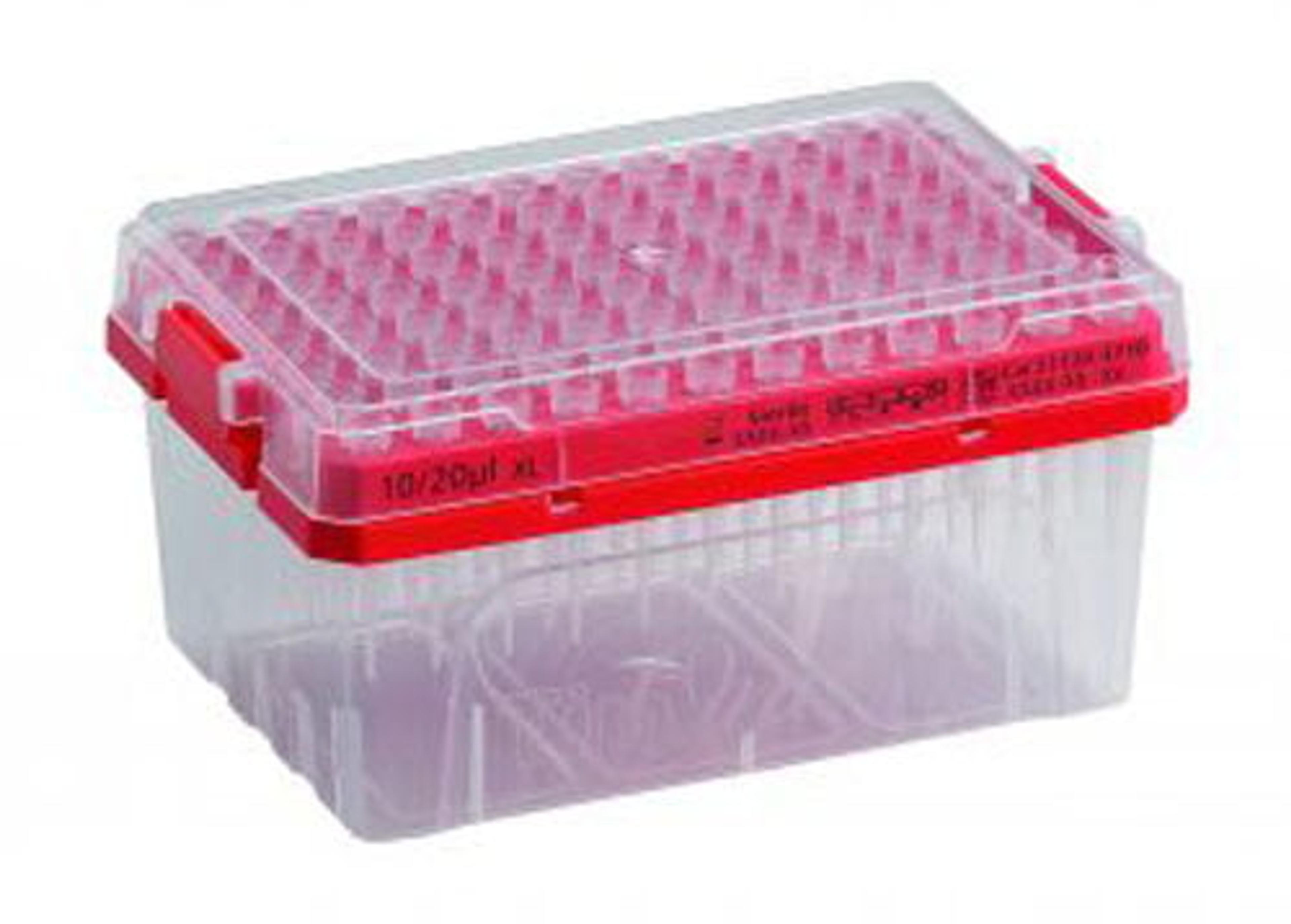
TipOne® Sterile Tip Refill System
StarlabEco-friendly & safe alternative to racked sterile non-filtered tips