5 upcoming webinars to broaden your research horizons

Discover the latest tools and techniques to expand your research capacity with expert-led presentations on clinical diagnostics, cell and gene therapy, materials testing, and more

25 Aug 2022

Dora Wells
Clinical Content Editor

Expert insights

Upcoming SelectScience Webinars

SelectScience® hosts dozens of informative free webinars for scientists every month, featuring world-class speakers at the very forefront of their respective fields. In this regular feature, we highlight the events you won't want to miss over the next week or so, as well as some of our top on-demand webinars.

This week, review how to identify the four major types of acid-base disorders as well as mixed acid-base disorders, understand manufacturing practices to minimize particle contamination, and gain insights into therapeutic targeting of retromer-dependent disease pathways and novel ways to study retromer function.

Plus, explore how to overcome common challenges faced duringin situ materials testing, and learn more about the challenges and opportunities of metagenomics NGS (mNGS) in clinical infection diagnosis.

A stepwise approach for the interpretation of arterial blood gases

A stepwise approach for the interpretation of arterial blood gases

Electrolyte and acid-base disorders are quite common in clinical practice. In this webinar, Dr. James Aguanno, Siemens Healthineers, will discuss these acid-base disorders in detail, with examples of how to correctly interpret the acid-base disorders and help in the diagnosis.

Tuesday, August 30, at 16:00 BST / 17:00 CEST / 08:00 PDT / 11:00 EDT

Register here


Staying ahead of regulatory trends surrounding particles in the manufacture of cell and gene therapies

Staying ahead of regulatory trends surrounding particles in the manufacture of cell and gene therapies

Particulate contamination is an important consideration in ophthalmic applications, pharmaceutical production, and even more so in cell and gene therapy production and delivery. In this webinar, learn about the risks of potential contamination and how to monitor and mitigate these risks.

Wednesday, August 31, at 16:00 BST / 17:00 CEST / 11:00 EDT / 08:00 PDT

Register here


Probing and modulating the function of the retromer endosomal trafficking complex through novel macrocyclic peptides
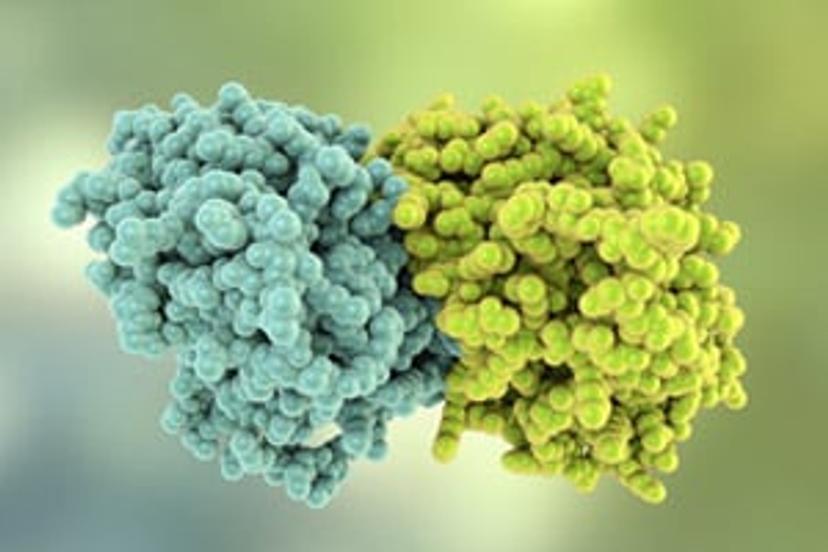
Probing and modulating the function of the retromer endosomal trafficking complex through novel macrocyclic peptides

In this webinar, explore how macrocyclic peptides can be used as a novel toolbox to study retromer-mediated endosomal trafficking and for therapeutic targeting of retromer function. Highlighted, is the method mass photometry, which enables the characterization of protein complexes.

Thursday, September 1, at 14:00 BST / 15:00 CEST / 09:00 EDT / 06:00 PDT

Register here

In situ material testing in SEM: Achieve an unprecedented level of automation
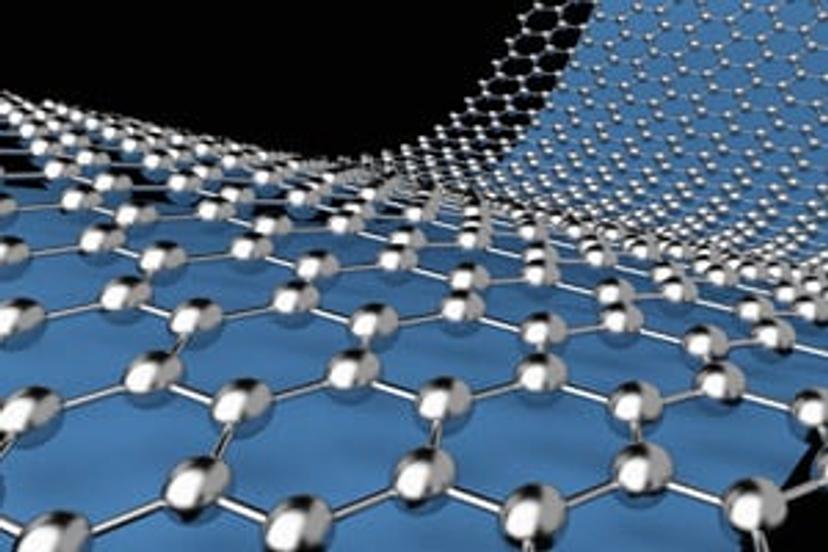
In situ material testing in SEM: Achieve an unprecedented level of automation

In situ materials testing in scanning electron microscopy (SEM) is an emerging trend among SEM applications. This webinar will introduce a fully integrated in situ solution in a field emission scanning electron microscope (FESEM) and explore automated workflows that can be used to generate meaningful data with high levels of reproducibility and precision.

Thursday, September 1, at 16:00 BST / 17:00 CEST / 11:00 EDT / 08:00 PDT

Register here

Unleash the power of mNGS to identify infectious agents in complex human samples

Unleash the power of mNGS to identify infectious agents in complex human samples

A major challenge to enhance the use of metagenomic NGS (mNGS) for the identification of infectious agents is linked to the vast excess of human DNA. This webinar will discuss how human DNA depletion can help overcome such limitations, improve sequencing depth and quality, and reduce the time and costs of analysis.

Friday, September 2, at 13:00 BST / 14:00 CEST / 08:00 EDT / 05:00 PDT

Register here

Watch our webinars at a time that suits you

Missed one of our webinars? Fortunately, all SelectScience webinars are made available on demand after the live event. Catch up on some of our latest webinars below:

Adopting technologies to streamline biotherapeutics characterization

Watch here»

Tackling the pitfalls of oral fluid matrix analysis

Watch here»

What you need to know: Micro and nano low flow LC essentials

Watch here»

Live-cell imaging for label-free toxicology analysis of hepatic organoids

Watch here»

Hydrogen carrier gas, GC-MS/MS, food analyses and you – Hydrogen isn’t just for petrochemical analyses anymore

Watch here»

Increasing the capability of multi-user labs by combining automation and technology to support multi-application needs

Watch here»

SelectScience runs 10+ webinars a month across various scientific topics, discover more of our upcoming webinars>>

Links

Tags

ProteomicsProteomics is the systemic bioinformatics study of proteins and amino acids, including their structure, size, function and identification. Tools used in proteomics include chromatography, blotting and gels, protein arrays, mass spectrometry and ELISA and associated analysis software. Analyzers and proteomic systems should be sensitive, high resolution, fast and may be automated for high-throughput.HematologyIn Haematology / Hematology, complete blood cell counts (or full blood counts) are obtained using automated blood count analyzers to enumerate blood cell types.  Hematology also encompasses haemostasis and coagulation, thrombophilia and hemophilia, plasma viscosity and ESR analysis, hemoglobinopathies, cell morphology and haematinic measurement.ImmunologyImmunological techniques measure and characterize immune responses. Immunology kits and analysis systems often use techniques such as ELISA, radioimmunoassay (RIA) and immunodiffusion assays, Immunohistochemistry, and flow cytometry. Immunologists use equipment such as flow Cytometers, plate readers, plate washers and fluorescent microscopes.Cell-Based AssaysCell-based assays are used to monitor the presence, quantity and activities of a desired cellular analyte including drug molecules or biomarkers. This can reveal information on cell health (apoptosis, cytotoxicity, viability and proliferation assays), cell metabolism, cell migration and cell signaling mechanisms. Find the best cell-based assay products, kits and equipment with our peer reviewed product directory: compare products, check customer reviews and receiving pricing direct from manufacturers.Point-of-CarePoint-of-Care Testing (POCT) or Near Patient Testing (NPT) products are available for urine, blood and other clinical chemistry analyses. POCT includes: blood glucose testing, blood gas and electrolytes analysis, rapid coagulation testing (PT / INR), rapid cardiac markers diagnostics, drugs of abuse screening, urine strips testing, pregnancy testing, fecal occult blood analysis, food pathogens screening, hemoglobin diagnostics, infectious disease testing and cholesterol screening.Software PlatformsSoftware platforms are useful for various stages of laboratory experiments from data collection to data storage and processing. For instance lab software is available for system control, data management, data analysis and qualification / validation.Clinical ChemistryBiochemistry (or clinical chemistry) involves the analysis of bodily fluids using chemical tests. Techniques used include HPLC, chromatography, spectroscopy, mass spectrometry, immunochemical, electrophoresis, turbidometric / spectrophotometric assay, MRI and ISE analysis. Tests are often carried out on plasma or serum but urine (urinalysis) and fecal specimens are also processed.Clinical GeneticsMolecular Genetics covers the analysis of hereditary genetic disease and chromosomal abnormalities. Genetics can be analysed using DNA, RNA, and protein microarrays, PCR, RT PCR and DNA sequencing. Genetic equipment includes genetic workstations, thermal cyclers, cooling blocks and electrophoresis products. Diagnostic kits are used for DNA / RNA extraction and purification.Clinical MicrobiologyMicrobiology is the study of microorganisms including protists, prokaryotes, fungi, and, often, viruses. Microorganisms are a useful research tool as genetic vectors and, in immunology, for antibiotic susceptibility testing, cellular biology and genetics. Microorganisms commonly grow readily in incubators with microbial culture media; this can contain chromogenic supplements to differentiate between cell lines. Estimate your culture’s density of microorganisms with colony counters, or screen and select colonies for desirable clones with automated colony pickers. Additionally, equipment is available to monitor environments for the presence of microbes and identify with microbial identification instruments. Find the best microbiology products in our peer-reviewed product directory: compare products, check customer reviews and receive pricing direct from manufacturers.Next Generation SequencingNext-generation sequencing (NGS), also known as whole-genome sequencing, high-throughput sequencing and massive parallel sequencing, produces and analyses thousands to millions of nucleotide sequences at once. Sequencing systems operate via varying technologies depending on the manufacturer, including sequencing by synthesis, ligation, pyrosequencing, ion semiconductor and single-molecule real-time sequencing. For NGS, library preparation is paramount to successful sequencing. In this section, explore a range of library preparation kits, from targeted, amplicon-based or hybridization-based kits including epigenomic, transcriptomic and genomic workflows to fragmentation kits. Find the best next-generation sequencing products in our peer-reviewed product directory: compare products, check customer reviews and receive pricing direct from manufacturers.Electron MicroscopyElectron microscopes (EM) are used to create high-resolution images of samples at the nanoscale by means of an accelerated beam of electrons as a source of illumination. Types of electron microscope include scanning electron microscopes (SEM), transmission electron microscopes (TEM), scanning transmission electron microscopes (STEM) and cryo-electron microscopes. Focused ion beam (FIB) microscopes are useful for modifying or milling a sample surface with nanometer precision, as well as imaging. Find the best electron microscopes in our peer-reviewed product directory: compare products, check customer reviews and receive pricing direct from manufacturers.MetabolomicsMetabolomics is the study of small metabolites (the intermediates and products of metabolism). It involves the identification and quantification of cellular metabolites using analytical technologies such as GC, HPLC, NMR, and LC/MS.Contamination PreventionContamination prevention aims to control and minimize the risk of contamination during experiments. Biological safety cabinets and sterilization equipment are examples of technologies used to prevent contamination.Blood GasCell TherapyCell therapy involves using living cells to treat diseases, often by replacing damaged cells or stimulating regeneration. Stem cell therapy and CAR-T cell therapy are examples of cutting-edge treatments in regenerative medicine and cancer immunotherapy. Browse our peer-reviewed product directory to find the best cell therapy tools, compare products, check reviews, and get pricing directly from manufacturers.