5 Top Tips for the Perfect High-Throughput Screening Lab

29 Oct 2014

Kerry Parker
CEO

Editorial article

Written by Alejandro Uribe-Benninghoff

In the past 15 years, changes in the cost and reliability of technology have caused an explosion of tools and applications that increased the capability and capacity of any researcher, lab or company to speed up discovery. Automation and high throughput screening (HTS) are two examples of these advances that have become a normal presence in the majority of the world’s labs today. Combine these capabilities with the power of flow cytometry and your options are limitless.


For the purposes of this article, let’s use the example of ‘Antibody Discovery Screening’, with some basic assumptions: the antigen design and its purity are variables that are already taken care of; you have the capability to produce monoclonal antibodies (via hybridomas or phage/yeast libraries) and you are looking for the most effective way to screen them for flow cytometric applications.

1. ELISA: This is the most cost-effective and efficient way to screen a large number of antibodies, no matter what the source. The reason behind this strategy is straight forward: it is easier to screen thousands of potential mAbs in a day via this technique versus any other and the cost is extremely low. Data interpretation is very quick, as qualitative and quantitative strategies allow ruling out negative clones, those that cross-react or those that are just too weak. A number of you might be asking: “Why not start screening directly on a flow cytometer?” There are a few reasons: speed, labor intensity, non-specific binding and cross-reactivity. These problems work against the objective of obtaining the highest specific antibodies possible.

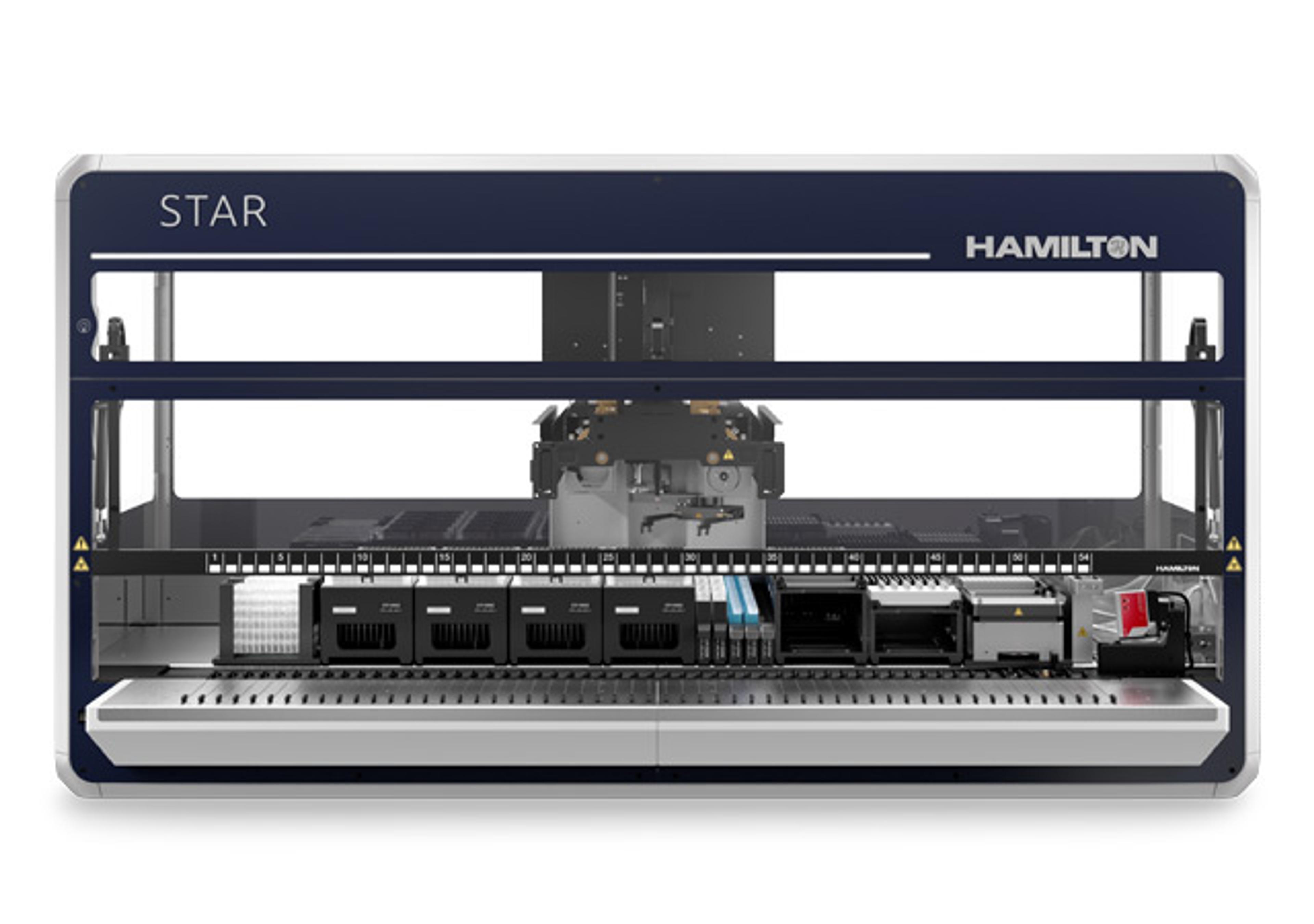
2. Liquid handling: This will reduce the number of operator variables that can affect the outcome of your screen, and thus increase reliability in the process. If the screening solution was prepared correctly, you can be assured that every plate coated by the machine during that time will behave essentially the same way. There are a number of entry level options that allow liquid handling of 96- and 384-well plates: Beckman Coulter offers the Biomek® FXP, Hamilton Robotics has the MICROLAB® Star line and Perkin Elmer’s JANUS® Automated Workstation. Any of these automated liquid handling stations will allow you to coat, block and process every plate the same way. Their costs are directly proportional to the capabilities that you request, but if you stick to the basics, prices should not get out of hand.

3. Purchase a plate washer that has the capability to process either 96- and/or 384-well plates: You might ask “Why not include it with the liquid handling platform?”A specialized plate washer will provide benefits of running multiple different wash protocols, e.g. ELISA vs. cells, that an automated platform can’t do. Combine it with a plate stacker and you have a fully automated process with walk away capabilities, thus maximizing your lab’s time. Great examples of these are BioTek’s 405 Touch Microplate Washer and the Biostack, Molecular Devices’ AquaMax and StackMax or Thermo Scientific’s Wellwash™ Versa and RapidStak™.

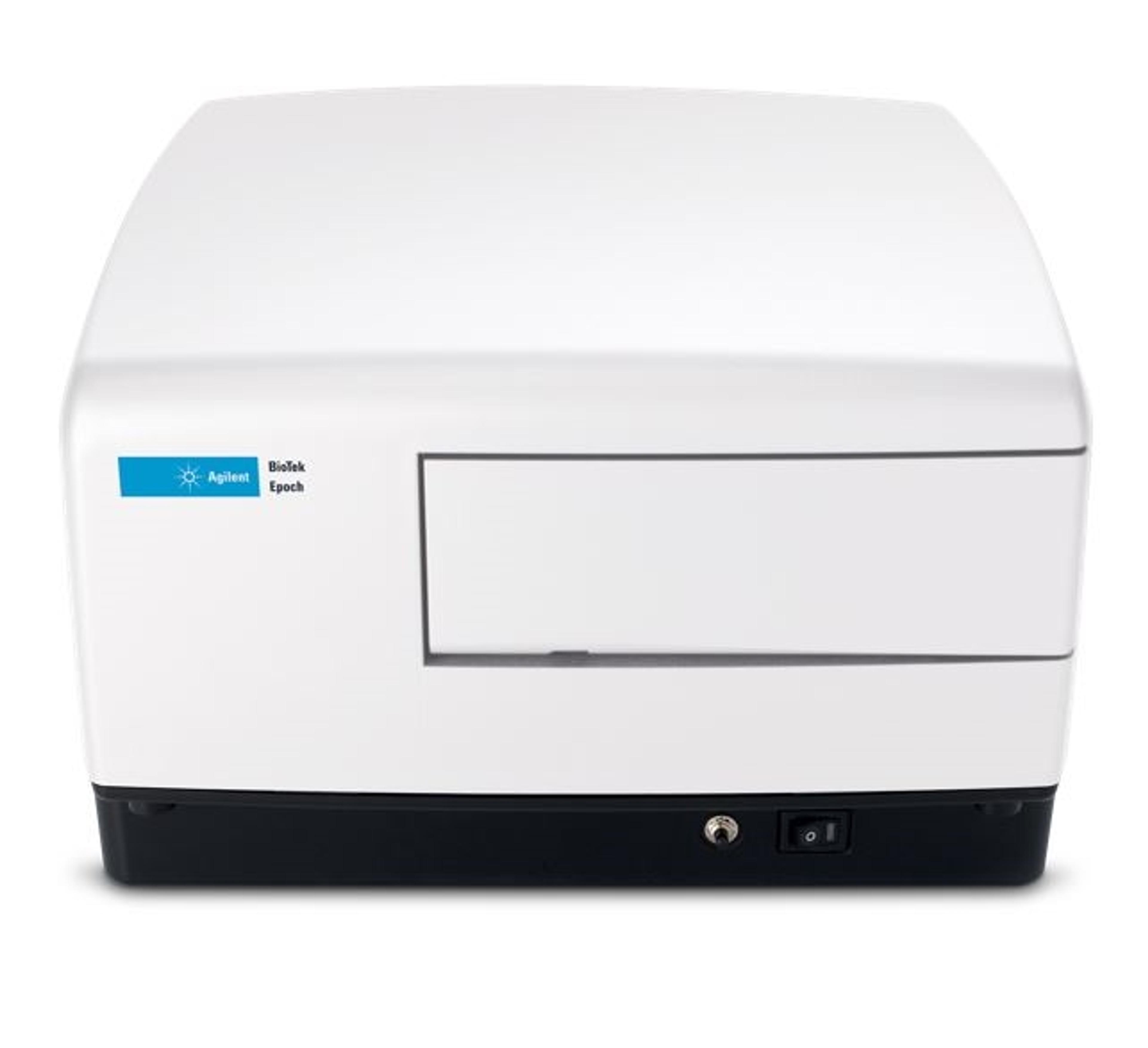
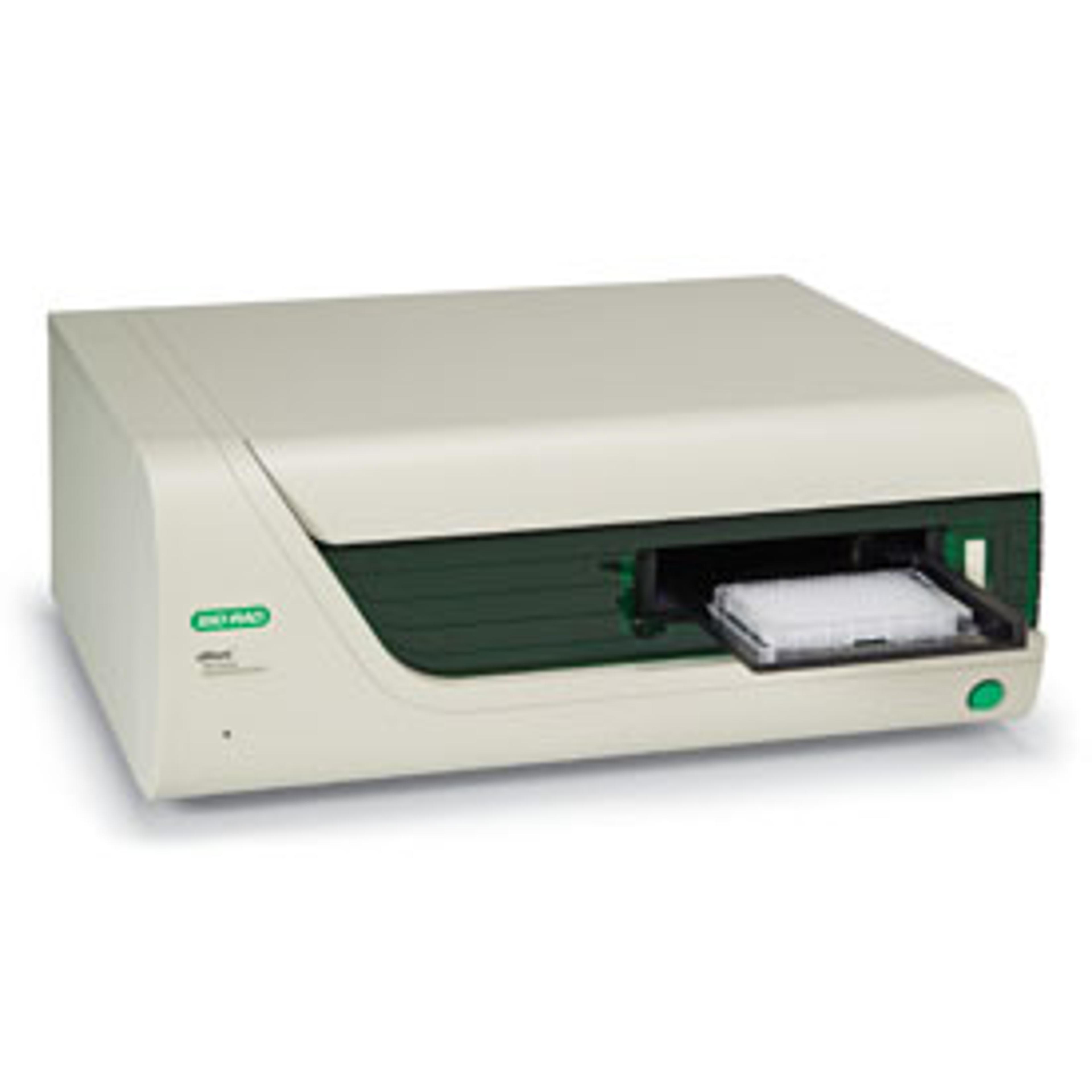
4. The microplate spectrophotometer: There are a good number of inexpensive and reliable options in the market today like Bio-Rad’s xMark™, BioTek’s Epoch and Molecular Devices’ SpectraMax 384 microplate readers, all with similar capabilities and differing only in their software.

5. Last, but not least, the flow cytometer: As a point of reference, the majority of cell surface markers discovered in the past 20 years were found using dual laser cytometers such as the BD FACSCalibur. Dual laser cytometers are still available today, with the difference that they are much more affordable, user friendly, have smaller and energy efficient lasers, amazing fluidics and they are capable of screening in a96-well plate format. BD Bioscience’s Accuri C6 (equipped with a blue and a red laser) presents a compact footprint and an intuitive software interface with a variety of software templates. Add the BD CSampler™ accessory and you will be able to run 48- and 96-well plates, deep-well plates, as well as a 24-tube rack for standard 12 x 75-mm tubes. Another example of an effective and inexpensive flow cytotmeter is EMD Millipore’s Guava easyCyte™ 8HT , also equipped with a blue and red laser, and automated sample loading from single tubes to a 96-well plate.

Combine these five components with a set of trusty pipettes, a general purpose centrifuge, a bucket of ice, supernatant from hybridomas or a phage/yeast library and you will have your perfect high-throughput screening lab and taken the first step into the path of discovering the next highly specific monoclonal antibody.

Links

Tags

AntibodiesAntibodies are used in techniques such as confocal and fluorescence microscopy, flow cytometry, ELISA, ELISPOT, immunohistochemistry, western blotting and immunopreciptation. Select specific antigen reactivity, high specific affinity, low non-specific binding, monoclonal or polyclonal, primary or secondary antibodies and associated conjugates such as an enzyme or dye for visualization.ELISAEnzyme-linked immunosorbent assays (ELISA), also known as enzyme immunoassays (EIA), are used for the detection and quantification of proteins, peptides and antibodies in a sample. ELISA often comes in kit format, with pre-selected antibody pairs to detect specific proteins or biomarkers of diseases such as diabetes and obesity, or cardiovascular and neurological disorders. Detection is made possible with chemiluminescent, fluorescent or colorimetric substrates and detection instruments such as microplate / ELISA readers. Other kits available include: Enzyme-linked immunospot (ELISPOT) assays for the quantification of protein-producing cells and chemiluminescent immunoassays (CLIA) kits. Find the best ELISA kits and products in our peer-reviewed product directory: compare products, check customer reviews and receive pricing direct from manufacturers.High-Throughput ScreeningHigh-throughput screening (HTS) is an automated drug discovery technique for identification of active compounds against a compound library. Use HTS readers and integrated assay preparation / analysis workstations to screen your compounds. Identify active compounds against various HTS libraries, including membranes, proteins and peptides and HTS cell lines. Find the best high-throughput screening products in our peer-reviewed product directory: compare products, check customer reviews and receive pricing direct from manufacturers.Microplate Readers / DetectorsMicroplate readers are used to automate the detection and analysis of labeled or label-free components in microplates during assays or live-cell monitoring. Microplate readers are generally distinguished by their mode of detection. Types include absorbance, luminescence, fluorescence intensity, fluorescence polarization, TRF / FRET and multimode microplate readers. Microplate readers deliver a high throughput of samples by reading multiple wells simultaneously, with the 96-well format the most commonly used. As a result, microplate readers are often used in the drug discovery, bioassays, research and pharmaceutical industries for screening applications. Microplate loading can also be automated, with robotic microplate stackers to increase throughput. Find the best microplate readers in our peer-reviewed product directory: compare products, check customer reviews and receive pricing direct from manufacturers.ADME-ToxicologyADME-toxicology (ADME-Tox) studies are used in pharmacology and pharmacokinetics to assess the activity/toxicity of drugs <i>in vivo</i> or <i>in vitro</i>. Find bioassays for absorption, distribution, metabolism, and excretion of drug molecules including cytotoxicity, transporter/permeability, metabolism and activity assays as well as hepatocytes and cell lines for ADME. Find the best ADME-toxicology products in our peer-reviewed product directory: compare products, check customer reviews and receive pricing direct from manufacturers.Flow Cytometry / Cell CountingFlow cytometers are used to count, sort and examine multiple characteristics of cells. Other cell analysis equipment includes image cytometers, cell counters, fluorescence-activated cell sorters (FACS), magnetic-activated cell sorters (MACS), and a range of flow cytometry assay kits. Flow cytometers can reveal information on cell viability, cell proliferation, apoptosis and cell cycle progression, as well as identify cell populations and intracellular or cell-surface molecules. Additionally, some flow cytometers, known as FACS, have an additional sorting function after analysis. Cell counters and image cytometers count live and dead cell populations and can also conduct cell proliferation assays. Find the best flow cytometers, cell counters and cell sorters in our peer-reviewed product directory: compare products, check customer reviews and receive pricing direct from manufacturers.High-Content ScreeningHigh-content screening (HCS), also known as high-content analysis (HCA), is a high-throughput technique used in drug discovery to identify substances that alter the phenotype of cells. HCS uses fluorescent microscopic imaging and automated image analysis to investigate cellular events such as apoptosis, cell viability, GPCR activation, oxide production, neurite outgrowth, and cell signaling. Find the best fluorescent labeling reagents, cellular assays, and high-content imaging systems in our peer-reviewed product directory: compare products, check customer reviews and receive pricing direct from manufacturers.Automated Liquid HandlingAutomated liquid handling equipment is used to mix, dilute and dispense allotted volumes of liquid into microplates and other vessels automatically. The robotic, liquid handling arms can dispense from single channel to 3456 multichannel as well as operate nanoliter dispensing, enabling high throughput of samples. Find the best automated liquid handlers in our peer-reviewed product directory: compare products, check customer reviews and receive pricing direct from manufacturers.CytometryCytometry is a broad term for the quantitative analysis of cells and cell systems. The most popular methods to study cytometry are flow cytometry and image cytometry.ScreeningUsing robotics, data processing and control software, liquid handling devices and sensitive detectors, screening allows a researcher to quickly conduct millions of chemical, genetic or pharmacological tests.High ThroughputHigh throughput experiments allow the simultaneous processing of several samples. This parallelization reduces the cost per experiment and increases reproducibility and output volume of data.