5 top cannabis testing resources & a 'Wild West' story

Catch up on some of the latest innovations driving cannabis research forward - plus, a first-hand account from a U.S. diagnostic testing lab

16 Apr 2020

Cameron Smith-Craig
Cameron Smith-Craig
Pharma and Applied Sciences Editor

Editorial article

Latest in Cannabis Testing

In the rapidly changing cannabis industry, new regulations, methods, and laboratory products are emerging all the time. In this compilation, we pull together a range of resources to help you stay on top of the latest developments in the field. We take a look at how U.S. companies are ensuring product safety for medicinal cannabis; cutting-edge technology for optimizing botanical extraction and processing; new approaches to terpene characterization; technical comparisons of cannabinoid analysis techniques; and more.
Patient safety in medical cannabis products

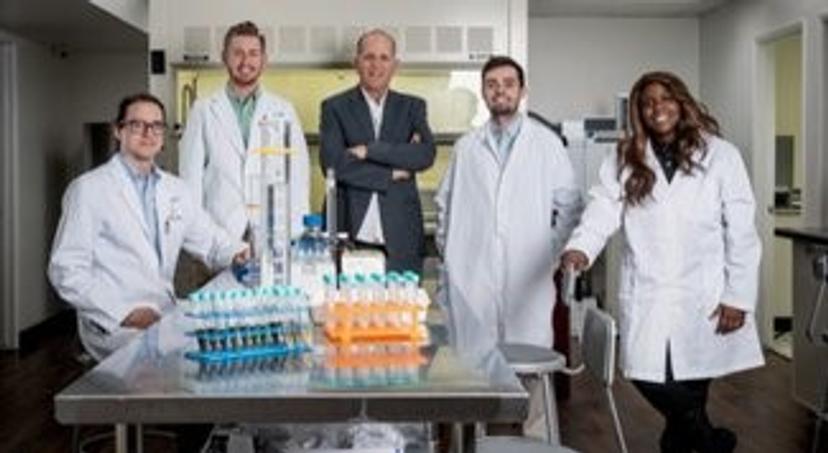
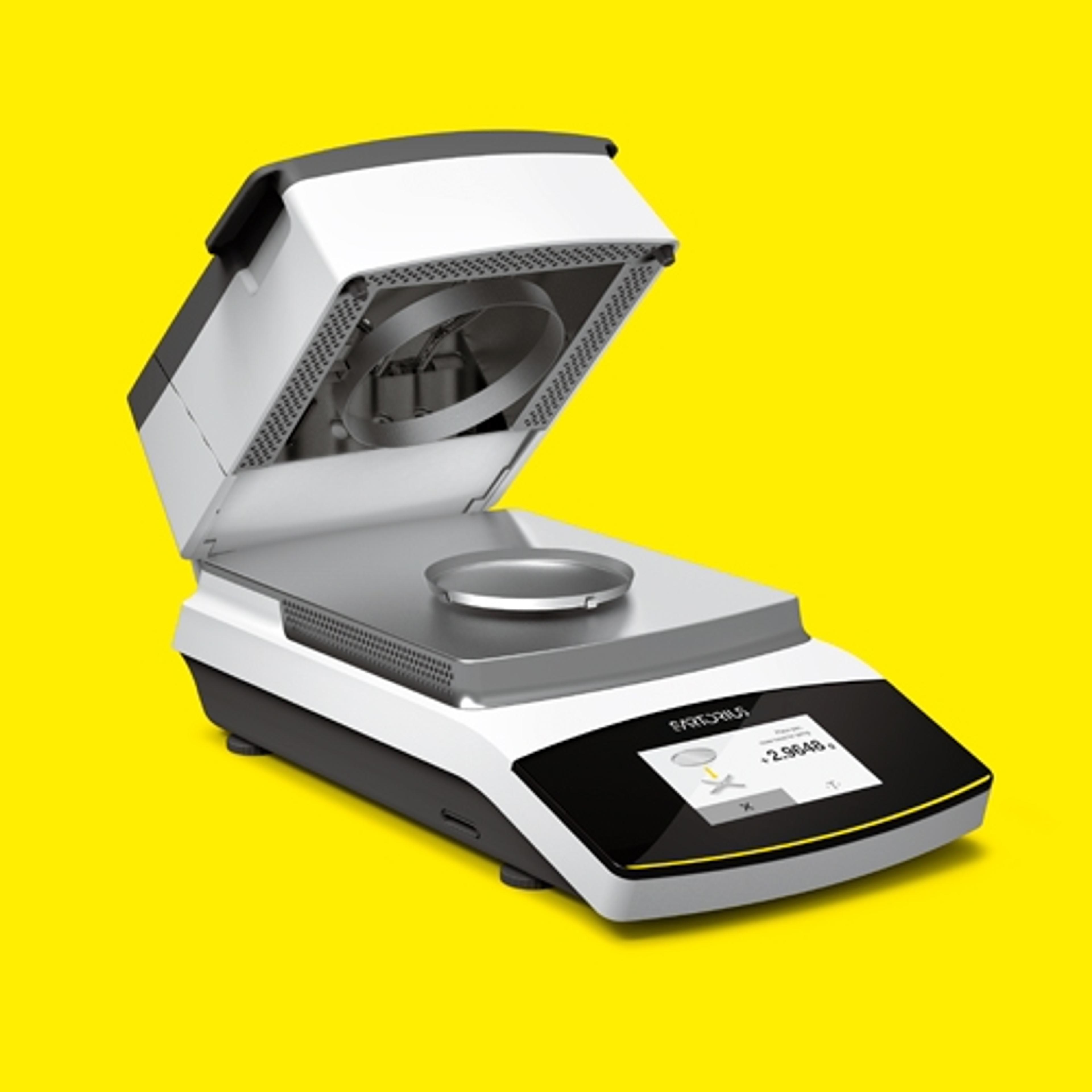
Quality assurance in the 'wild west' of medical cannabis

Learn how a diagnostic testing company in the U.S. is meeting the increasing demand for patient safety in medical cannabis products, using Sartorius' innovative technology. Download here>>
Read Article

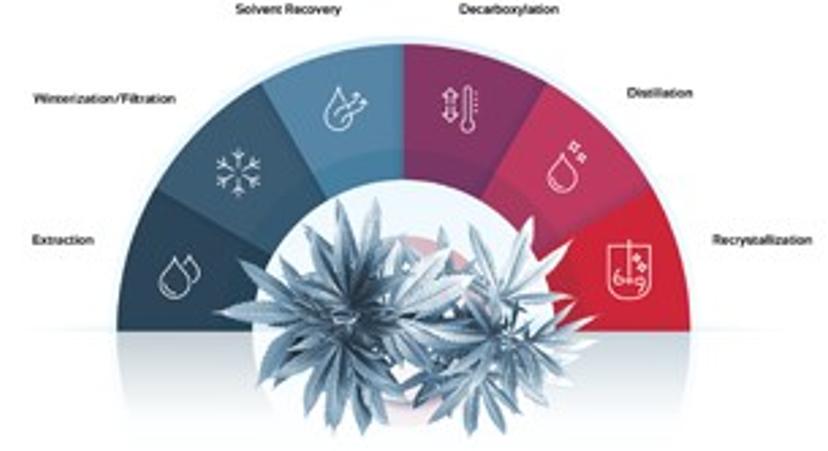
Master temperature control for cannabinoid processing

This application note from Huber provides an in-depth guide on temperature control for botanical extraction and processing, with specific reference to cannabinoid isolation processes. Download here>>
Download Guide

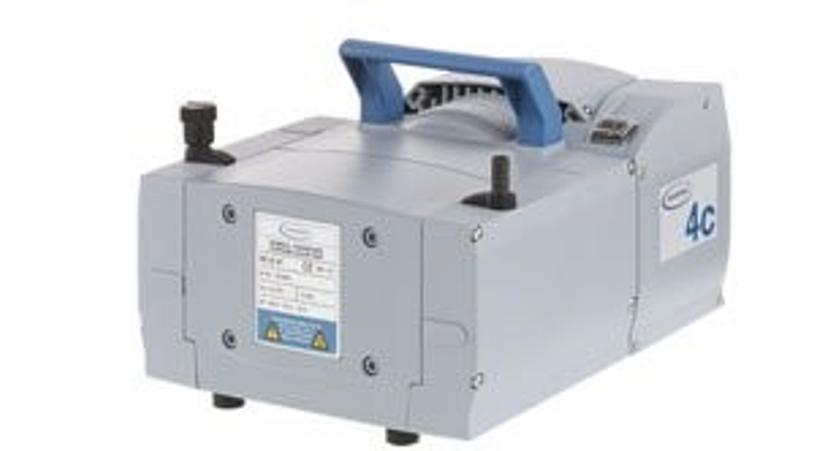
Corrosion-resistant pumps for your sample preparation

Speed up your extraction process with VACUUBRAND® oil-free vacuum pumps from BrandTech® Scientific. Featuring chemically resistant diaphragm technology. Download here>>

Learn More

Terpene profiling using GC & GCxGC with TOFMS

In this application eBook, LECO presents a novel analytical approach for the effective characterization of terpenes in different cannabis strains. Download here>>

Download Guide

Precision homogenization for improved sample analysis

Homogenization of cannabis samples is critical for proper testing, analysis, and the creation of shelf-stable emulsions. Download this eBook guide from PRO Scientific for top tips and FAQs. Download here>>

Download Guide

Compare instrumentation for cannabinoid analysis

This technical report from Shimadzu explores the various techniques available for conducting analysis of both terpenes and cannabinoids, including example studies for comparison. Download here>>

Download Guide

Hear from the cannabis experts:

Discover the latest interviews with leading scientists in cannabis research below:

  • How to meet the strict requirements for edibles analysis: Dr. Rob O’Brien, CEO and CSO of Supra Research and Development, gives insight into the current regulatory challenges and breakthrough methods for cannabis testing in chocolate for the Canadian market. Watch the interview >>
  • Solvent extraction and GC analysis of pesticides: In this video, scientists from Restek explain a simple workflow for the accurate analysis of pesticides in cannabis products by means of solvent extraction and GC analysis. Watch the interview >>
  • Meet the scientists determined to relieve the pain points of cannabis testing: As the possibility of federal legalization looms in the U.S., hear how Restek is approaching cannabis for 2020 and working with its customers to advance the field of cannabis testing as a whole. Read the article >>

For more of the cannabis testing news, straight to your inbox, become a member of SelectScience for free today>>

Links

Tags

Gas ChromatographyGas chromatography (GC) is an analytical technique used to separate and quantitate mixtures of small and volatile compounds. Gas chromatographs or GC systems include components such as GC columns, detectors, pumps and autosamplers. Choose from packed or capillary GC columns, flame ionization (FID), photoionization (PID) electron capture detectors and selective or non-selective detectors. Find the best gas chromatographs in our peer-reviewed product directory: compare products, check customer reviews and receive pricing direct from manufacturers.UHPLC and HPLCHigh performance liquid chromatography (HPLC) and ultra high performance liquid chromatography (UHPLC), also known as UPLC, are analytical techniques used to separate, identify and quantitate components of complex mixtures including biological samples such as proteins and lipids as well as chemical mixtures of pesticides, drugs and oils. Both techniques are liquid chromatographic methods but differ by operating pressures (HPLC < 6000 psi < UHPLC ). Components of HPLC and UHPLC systems include columns, detectors, pumps, autosamplers and column heaters. Explore a range of UHPLC and HPLC columns for your specific sample needs including reverse phase, normal phase, ion exchange, HILIC, ion exclusion and size exclusion columns. For more specialized HPLC, explore FPLC, countercurrent LC and simulated moving bed systems. Find the best UHPLC and HPLC equipment in our peer reviewed product directory: compare products, check customer reviews and receive pricing direct from manufacturers.Sample PreparationSample preparation can improve the quality and speed of separation techniques. Products to assist sample preparation include filtration equipment, evaporators, membranes and sieves.Infrared / IR SpectroscopyInfrared (IR) spectroscopy measures the interaction of infrared light with a sample, including transmission, reflectance & absorbance, facilitating the identification of analytes. Equipment used for quantitative analysis includes Fourier-transform infrared (FTIR) spectrometers, infrared cameras, FTIR gas analyzers, as well as attenuated total reflectance (ATR) accessories and pellet or film presses. Find the best IR spectroscopy products in our peer-reviewed product directory: compare products, check customer reviews and receive pricing direct from manufacturers.LC-MSLC-MS (liquid chromatography-mass spectrometry) systems and equipment are used for separation and quantitative analysis of complex mixtures, combining liquid chromatography and mass spectrometry. Quantify proteins, contaminants, pesticides or screen for drug metabolites with a high level of sensitivity. LC-MS systems and equipment include reverse phase, normal phase and specialized columns integrated with various MS detectors such as time-of-flight (TOF), quadrupole, orbitrap or ion trap mass analyzers. LC-MS/MS instruments equipped with a qTOF or triple quadrupole analyzer give greater sensitivity and resolving power to your analysis. Find the best LC-MS equipment in our peer-reviewed product directory: compare products, check customer reviews and receive pricing direct from manufacturers.Mass SpectrometryMass spectrometry (MS) is a powerful analytical technique used to identify and quantify molecules based on the mass-to-charge ratio of gas-phase ions. It provides detailed information about the structure, composition, and properties of compounds and is widely used across fields such as environmental monitoring, materials science, drug discovery and development, food and beverage testing, and wider chemical research. Key MS techniques include tandem mass spectrometry (MS/MS), liquid chromatography–mass spectrometry (LS-MS) and inductively coupled plasma (ICP-MS). Choosing from these wide range of techniques and technologies can be a daunting task, so keep up to date with scientific applications, performance expectations, and customer reviews here all in one place. Visit our product directory to receive quotes direct from the manufacturer. Near Infrared SpectroscopyNear-infrared (NIR) spectroscopy measures the interaction of near-infrared light with a sample, including transmission, reflectance and absorbance, facilitating the identification of analytes. Measurements can be conducted using a Fourier-transform near infrared (FT-NIR) spectrometer, while there are also UV-Vis- NIR spectrophotometers that measure a broader spectrum of wavelengths. Find the best NIR spectroscopy products in our peer-reviewed product directory: compare products, check customer reviews and receive pricing direct from manufacturers.UV-Visible SpectroscopyUltraviolet-visible (UV-Vis) spectrophotometers are used to measure the interaction of UV and visible light with a sample, including transmission, reflectance & absorbance. The two major instrument classes are single-beam or double-beam spectrophotometers. More specialized equipment includes colorimeters, spectroradiometers and refractometers. Portable and microvolume spectrophotometers are also available. For the modular spectroscopy lab, explore a range of light sources for combination with a spectrograph/spectrometer and optics. Find the best UV-Vis spectroscopy products in our peer-reviewed product directory: compare products, check customer reviews and receive pricing direct from manufacturers.Preparative ChromatographyPreparative chromatography equipment is used for purification purposes, separating and collecting compounds eluted from a mixture which can then be subsequently used for further purposes. This can be done in large quantities or small. Preparative chromatography systems are usually low to medium pressure liquid chromatographs that are semi-automated. Explore a range of preparative columns and fraction collectors. Find the best preparative chromatography equipment in our peer-reviewed product directory: compare products, check customer reviews and receive pricing direct from manufacturers.Solid-Phase ExtractionSolid-phase extraction (SPE) is used for clean-up, extraction and concentration of semi-volatile or non-volatile analytes from complex mixtures including blood, urine and food samples. Multiple formats are available for conducting SPE, including prepacked SPE cartridges, disks and microplates, as well as SPE sorbent powders for manual packing. SPE systems can be used to automate the process and extract multiple samples at once. Solid-phase microextraction (SPME) and supported liquid extraction (SLE) products are also available in the same formats. Find the best SPE, SLE and SPME equipment in our peer-reviewed product directory: compare products, check customer reviews and receive pricing direct from manufacturers.Toxicology / Drugs of Abuse TestingToxicology and Drugs of Abuse Testing is the investigation into toxic and illegal substances found at the scene of a crime or from a suspect and / or victim associated with a scene of a crime. Analyzers, immunoassays and drugs of abuse test kits and presumptive test kits are an essential aspect of toxicology investigation.GC-MS GC-MS (gas chromatography-mass spectrometry) instruments and equipment are used to separate, quantify and identify mixtures of small and volatile compounds, such as polycyclic aromatics, fatty acids and alcohols. Often used in drug detection, forensic investigation and environmental analysis for pesticides and contaminants, GC-MS is a powerful addition to your lab’s analytical capabilities. GC-MS/MS instruments equipped with a qTOF or triple quadrupole analyzers can give greater sensitivity and resolution to your analysis. Find the best GC-MS instruments and equipment in our peer-reviewed product directory: compare products, check customer reviews and receive pricing direct from manufacturers.CannabinoidsCannabinoids are compounds found in cannabis that have therapeutic effects, such as pain relief, anti-inflammatory properties, and potential neuroprotective benefits. Research into cannabinoids is growing, particularly in the fields of pain management, neurological diseases, and cancer treatments. Browse our peer-reviewed product directory to find the best cannabinoid research tools, compare products, check reviews, and get pricing directly from manufacturers.CannabisGC-MSGas Chromatography-Mass Spectrometry (GC-MS) combines the separation power of gas chromatography with the detection capabilities of mass spectrometry, allowing for the analysis of complex mixtures. It is widely used in environmental, forensic, and pharmaceutical analysis. Explore GC-MS systems in our peer-reviewed product directory; compare products, check reviews, and get pricing directly from manufacturers.